Greater Middle East

SDF take last ISIS pocket: what next?
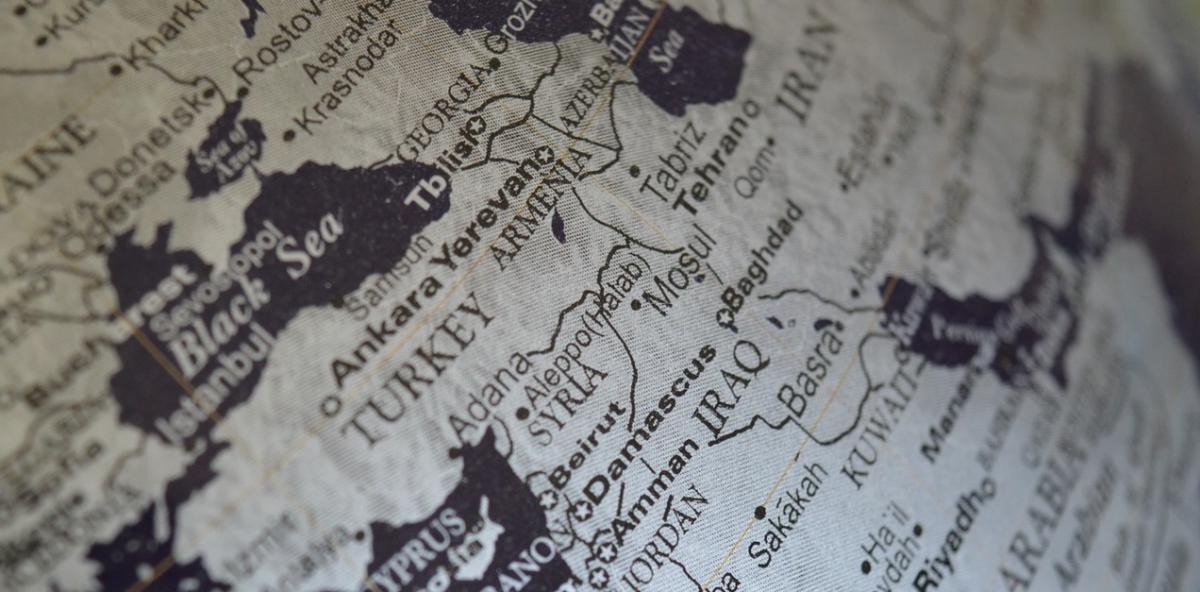
SDFThe Kurdish-led Syrian Democratic Forces (SDF) have announced the complete "territorial defeat" of the Islamic State. Trump was of course quick to take credit for the victory. But this is a victory for the Rojava Kurds and their Arab and Assyrian allies, not for Trump. And it could paradoxically be very bad news for them, as they have now outlived their usefulness to the empire and could be betrayed to Turkish aggression. The collapse of ISIS could set off a new scramble for Syria's north, with potential for an Arab-Kurdish ethnic war. (Image: SDF)
The Amazon

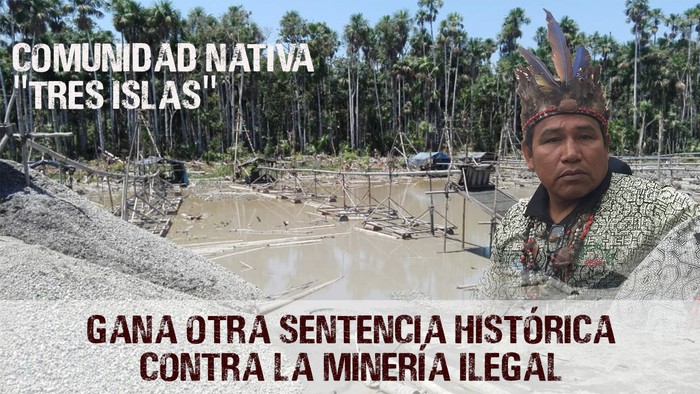
‘Historic’ win against illegal mining in Peru

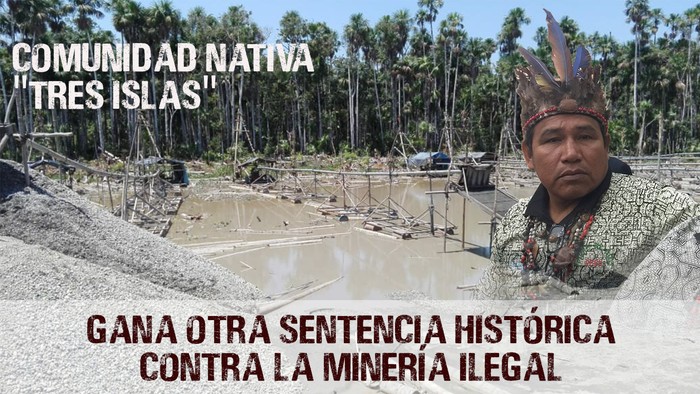
Tres IslasThe Supreior Court of Justice for Peru's rainforest region of Madre de Dios upheld a lower court ruling that nullified mining concessions as well as the titling of agricultural properties and granting of water rights to third parties on the territory of the indigenous community of Tres Islas, without prior consultation with that community. The regional government of Madre de Dios is ordered to comply with the ruling, as is the National Water Authority and the Ministry of Agriculture and Irrigation. The National Police are called upon to enforce the ruling if necessary. Peru's International Institute of Law and Society, which represented Tres Islas in the case, hailed the ruling as "historic." (Photo: La Mula)

The Andes

Máxima Acuña case against Newmont Mining remanded

Maxima AcuñaThe US Court of Appeals for the Third Circuit in Philadelphia revived the case by Máxima Acuña Atalaya de Chaupe and her family against the US-based Newmont Mining Company. The family of subsistence farmers from Peru's Cajamarca region sued Newmont in the United States for abuse at the hands of the company's security forces. A lower court had dismissed the case, saying it should be heard in Peru. The Appeals Court reversed that decision, citing Newmont's corruption of local courts there. The suit, Acuna-Atalaya v. Newmont Mining Corp, seeks to stop a pattern of harassment and physical abuse that the Chaupe family say they have suffered at the hands of Newmont personnel, which the family believes is aimed at usurpation of their plot of land at Tragadero Grande. (Photo: EarthRights International)

North Africa

Lavalin-Libya sleaze at issue in Trudeau turpitude

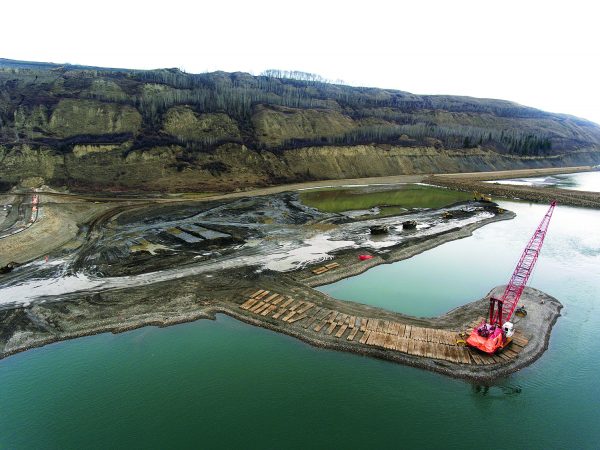
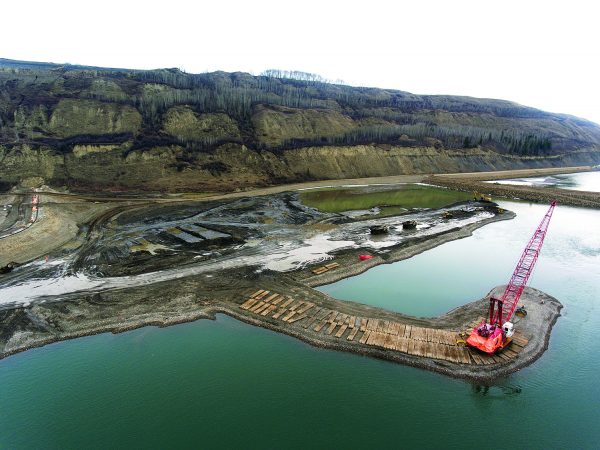
Site CCanadian opposition parties are crying foul after an investigation into the corruption scandal rocking the government of Prime Minister Justin Trudeau was shut down by a parliamentary committee dominated by his ruling Liberals. The affair concerns Quebec-based construction giant SNC-Lavalin's apparent attempts to secure leniency from the Trudeau government in various criminal investigations it faces. Obstruction of justice charges were stayed earlier this year against Lavalin executive Sami Bebawi, on the ostensible basis that too much time had elapsed since the offense under investigation—which involved alleged bribes to the Moammar Qaddafi regime to secure construction contracts in Libya in 2011. The company is best known within Canada for controversial mega-projects under contruction from British Columbia to Labrador. (Photo: BC Hydro via Journal of Commerice)

Africa

Climate catastrophe in suffering Mozambique

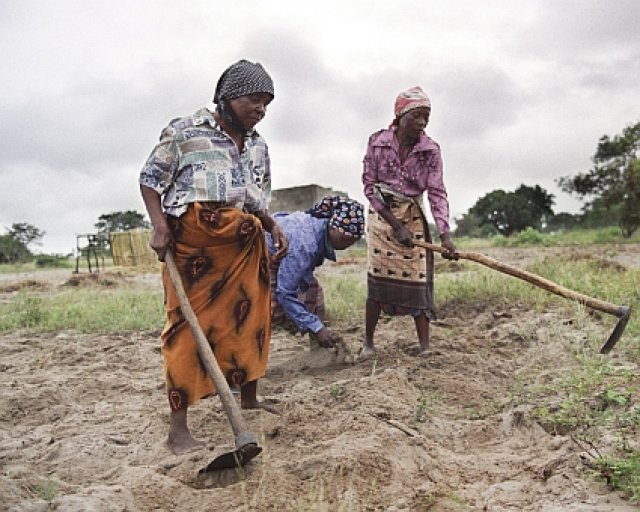
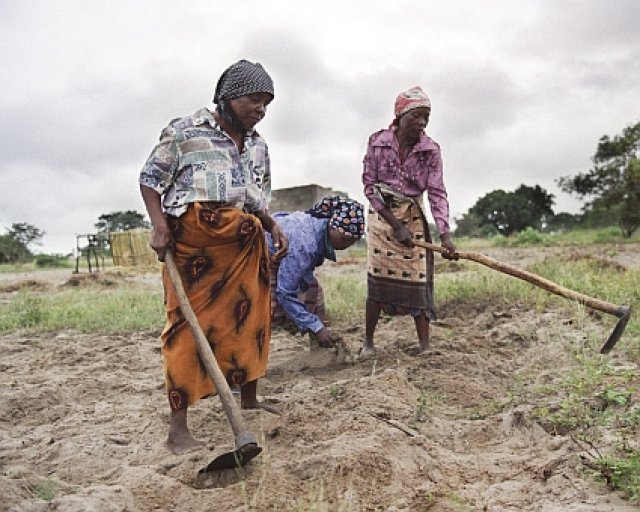
MozambiqueA humanitarian catastrophe is unfolding in Mozambique, Zimbabwe and Malawi, as the full scale of devastation from Cyclone Idai becomes clear. The World Meteorological Organization says Idai could become the worst tropical cyclone on record in the Southern Hemisphere. Mozambique's President Filipe Nyusi fears that 1,000 people may have lost their lives in his country alone. The UN World Food Program warns of "a major humanitarian emergency that is getting bigger by the hour." And, as after similar "mega-storms" of recent years, the link to global climate destabilization is evident. "Cyclone Idai is a clear demonstration of the exposure and vulnerability of many low-lying cities and towns to sea-level rise as the impact of climate change continues to influence and disrupt normal weather patterns,” said Mami Mizutori, UN Special Representative for Disaster Risk Reduction. (Photo: WikiMedia via Jurist)

ANTI-TERROR LAW COULD TARGET AID GROUPS

SyriaIsraeli warplanes hit several targets in southern Lebanon, as diplomats worked frantically to prevent a regional war after a rocket strike that killed 12 youths in the Golan Heights. Israel is blaming Hezbollah for the rocket, which struck a football field in the Druze village of Majdal Shams. Hezbollah has denied responsibility, asserting that a projectile from Israel's own Iron Dome missile defense system hit the village amid strikes on military targets elsewhere in the area by the Iran-backed Lebanese armed organization. Israel and Hezbollah have been trading strikes over the Lebanese border since Oct. 8, a day after the start of the war in Gaza. Israel has killed 527 people in Lebanon since then, according to an AFP tally, including at least 104 civilians. Israel says 23 of its civilians and 17 soldiers have been killed by Hezbollah rocket-fire over this period. (Image: Pixabay)

Continue ReadingANTI-TERROR LAW COULD TARGET AID GROUPS 
Southeast Asia

Burma sentences Arakan leader to 20 years

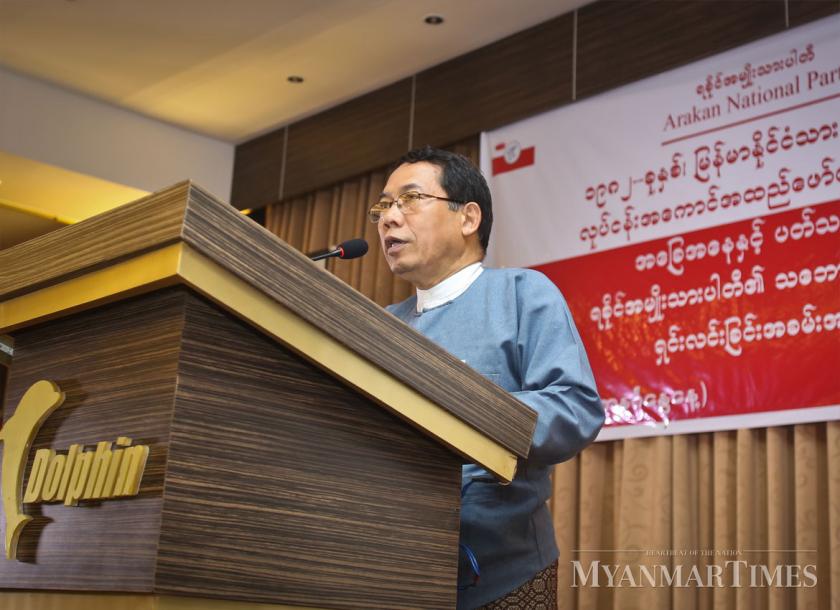
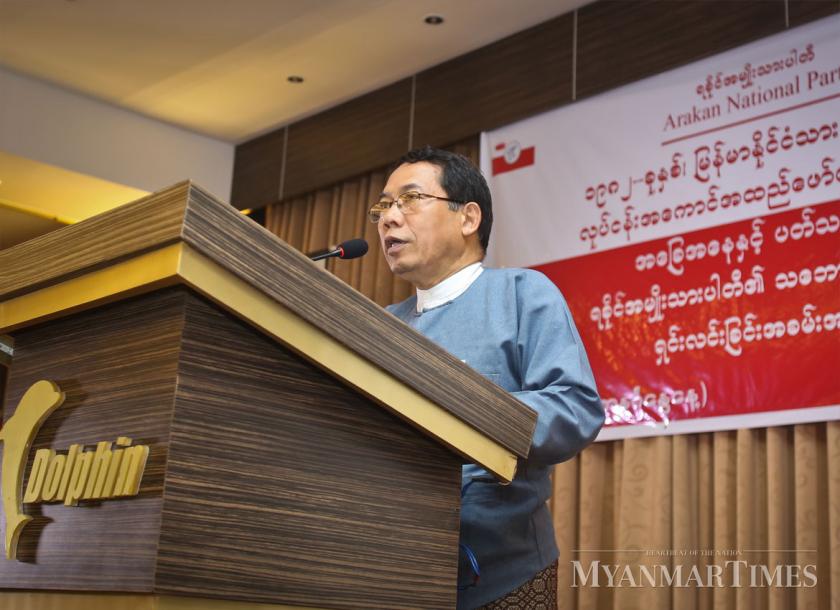
U AyeA Burmese court sentenced prominent Rakhine ethnic leader Aye Maung to 20 years in prison for treason and defamation stemming from a January 2018 speech made one day before deadly riots broke out in Mrauk-U township. Maung, a member of parliament and former chairman of the Arakan National Party, was arrested along with writer Wai Hin Aung days after giving "inflammatory" speeches. Maung is said to have accused the ethnic Bamar-dominated ruling National League for Democracy (NLD) government of treating the ethnic Rakhine people (also known as the Arakan) like "slaves." Seven people were killed the evening after the speeches, when Rakhine protestors seized a government building and police opened fire. Maung’s lawyers are unsure if he will appeal at this time, as a new trial in the case could result in a death sentence. (Photo via Myanmar Times)

Back Issues

Winter 2021-2: Afghanistan: Going Back to Zero; Libya: Worsening Prospects for Peace; Ukraine: Kharkov Anarchists Speak; Myanmar: Crises Spiral One Year After Coup; Statement from Ukrainian Socialists; On the Ethiopian Civil War Fall 2021: India: Outcry Against ‘Special Powers’ After… Read moreBack Issues

Continue ReadingBack Issues 
Central America

Indigenous land-rights activist slain in Costa Rica

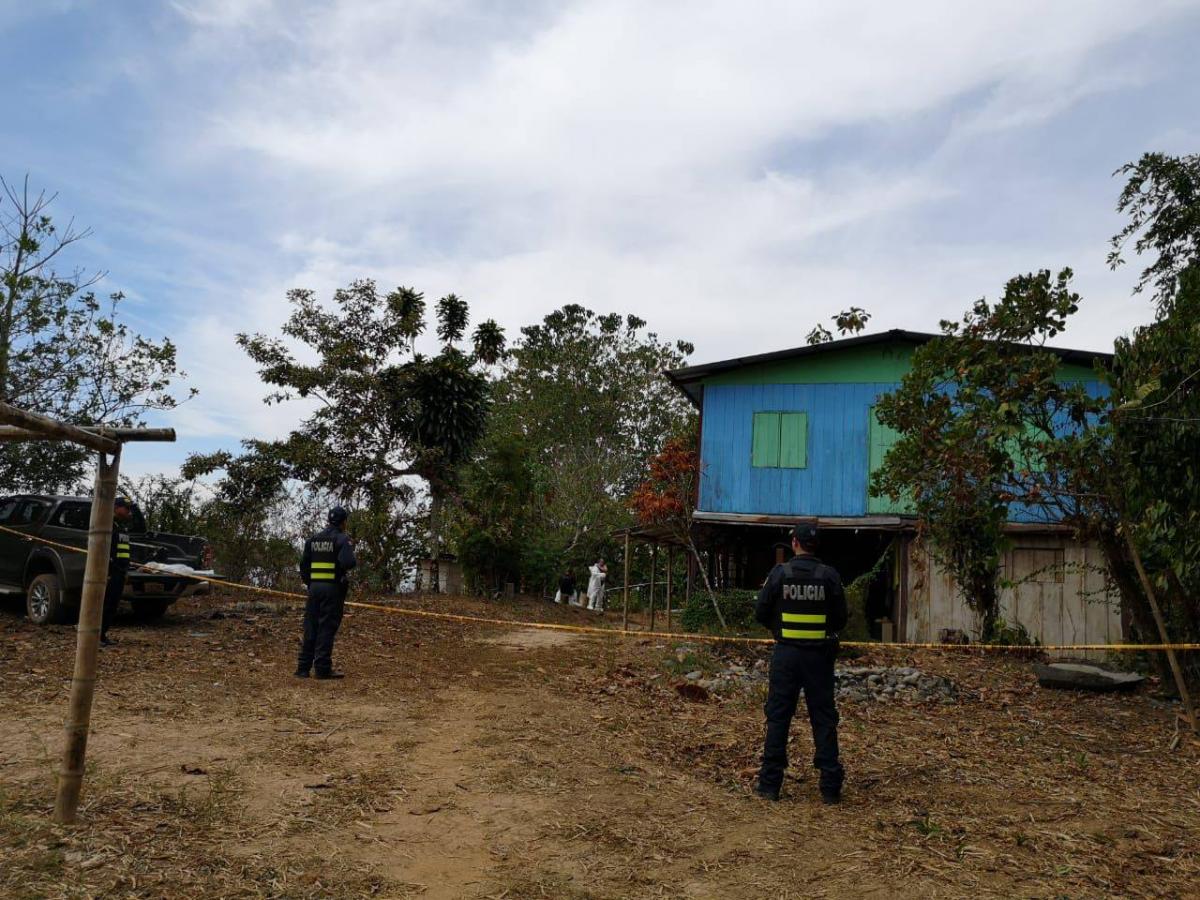
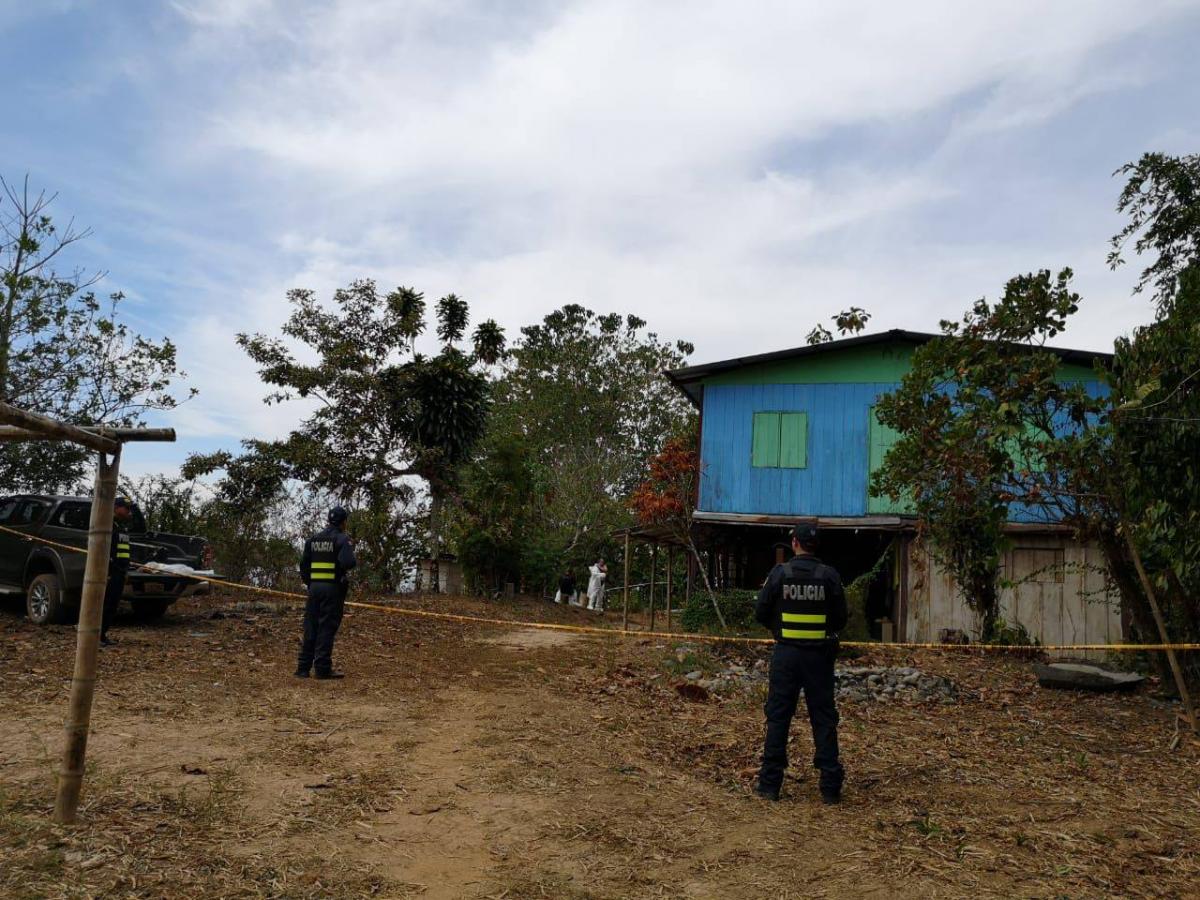
Sergio RojasSergio Rojas, a leader of the indigenous Bribrí people in Costa Rica, was slain in an attack by unknown gunmen at his home in the indigenous territory of Salitre, Puntarenas province. Rojas was president of the Association for the Development of the Indigenous Territory of Salitre and coordinator of Costa Rica's National Front of Indigenous Peoples (FRENAP). He was shot 15 times in the attack. The local conflict stems from a 1977 law that gave the Bribrí and Teribe peoples rights to 11,700 hectares of usurped lands but did not allocate funds to compensate non-indigenous farmers who already occupied those lands. In 2012, Rojas was shot at six times in an apparent assassination attempt. (Photo via Tico Times)

The Amazon

Brazil to open indigenous reserves to mining

miningFor many years, international and Brazilian mining companies have sought access to the mineral wealth lying beneath indigenous lands. Finally, the government of Jair Bolsonaro seems determined to give them that opportunity. While Brazilians were distracted by Carnival celebrations, the new Minister of Mines and Energy, Admiral Bento Albuquerque, announced plans to permit mining on indigenous reserves—without the consent of the inhabitants. Speaking at the annual convention of the Prospectors & Developers Association of Canada (PDAC), a major event in the mining world that attracts tens of thousands of attendees, Albuquerque said that Brazil’s indigenous people would be given a voice but not a veto in the matter. The opening of indigenous ancestral territories to mining, he predicted, would "bring benefits to these communities and to the country." (Photo: Mongabay)

North America

Podcast: Ilhan Omar, anti-Semitism and propaganda

Ilhan OmarIn Episode 29 of the CounterVortex podcast, Bill Weinberg advances a progressive and anti-Zionist critique of Rep Ilhan Omar's controversial comments, which have posed the problem of US support for Israel in terms of "allegiance to a foreign country"—the nationalist and xenophobic language of our enemies. As a Somali-American woman in a hijab, Omar is ultimately legitimizing reactionary forces that threaten her with the use of such nationalist rhetoric. As the massacres of Christchurch and Pittsburgh all too clearly demonstrate, Islamophobia and anti-Semitism are fundamentally unified concerns—and the way Jews and Muslims have been pitted against each other by the propaganda system is part of the pathology. Contrary to the canard of "dual loyalty," Weinberg declares himself a "zero-loyalist," repudiating both Zionism and America-first nationalism, calling for an anti-Zionism based on solidarity with the Palestinians, not "allegiance" to the imperial state. Listen on SoundCloud, and support our podcast via Patreon. (Photo: Wikipedia)