Watching the Shadows
Epistemic Injustice

Podcast: Resist digital hegemony! III

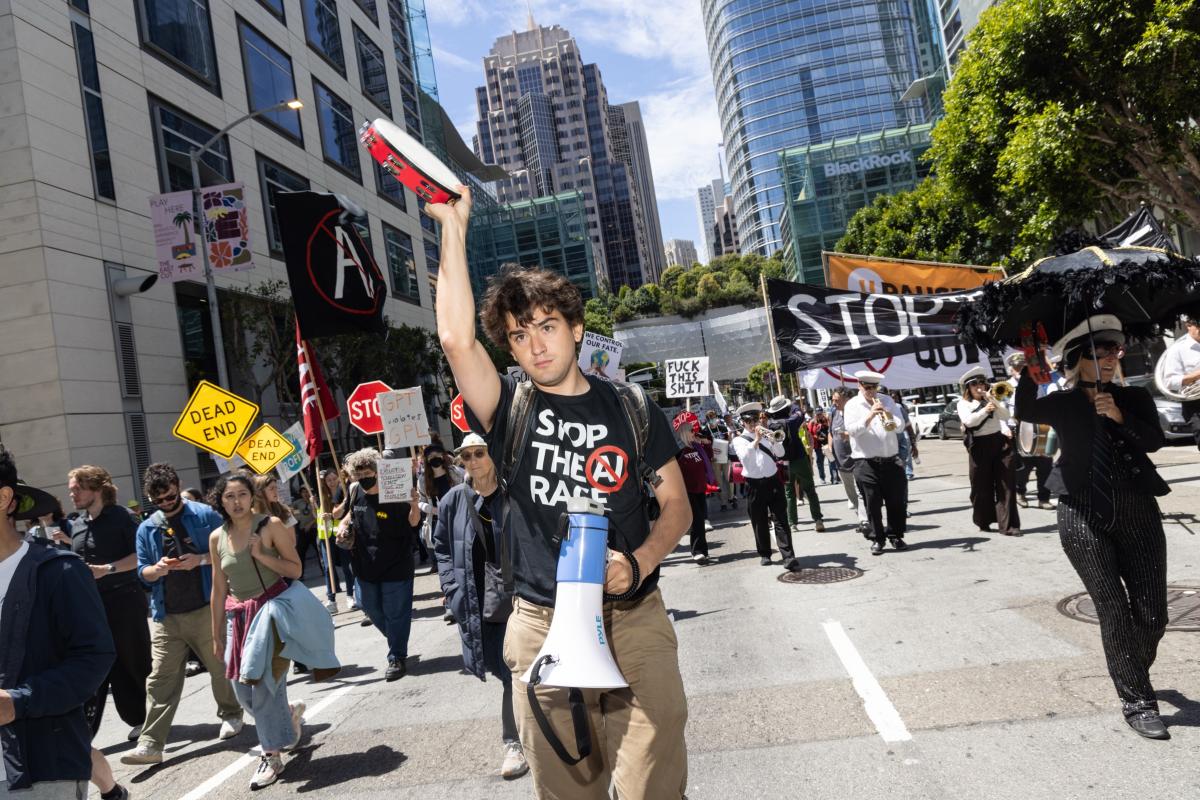
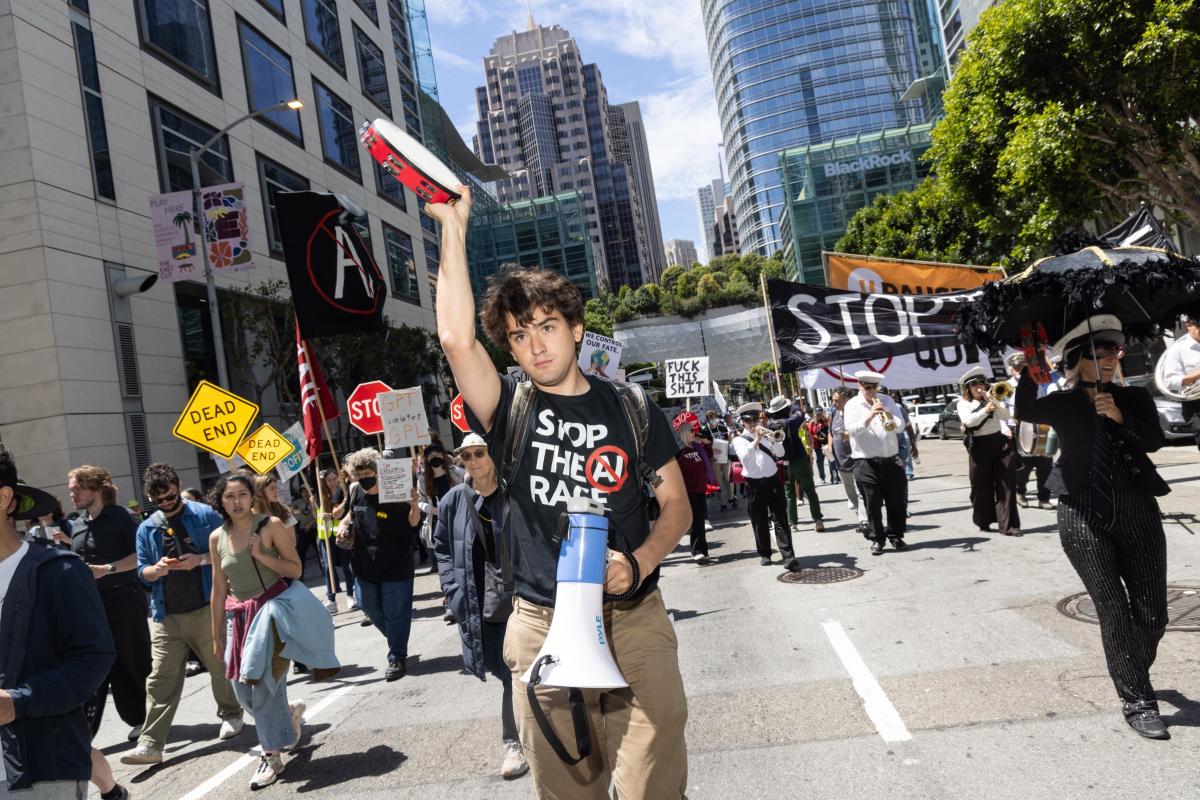
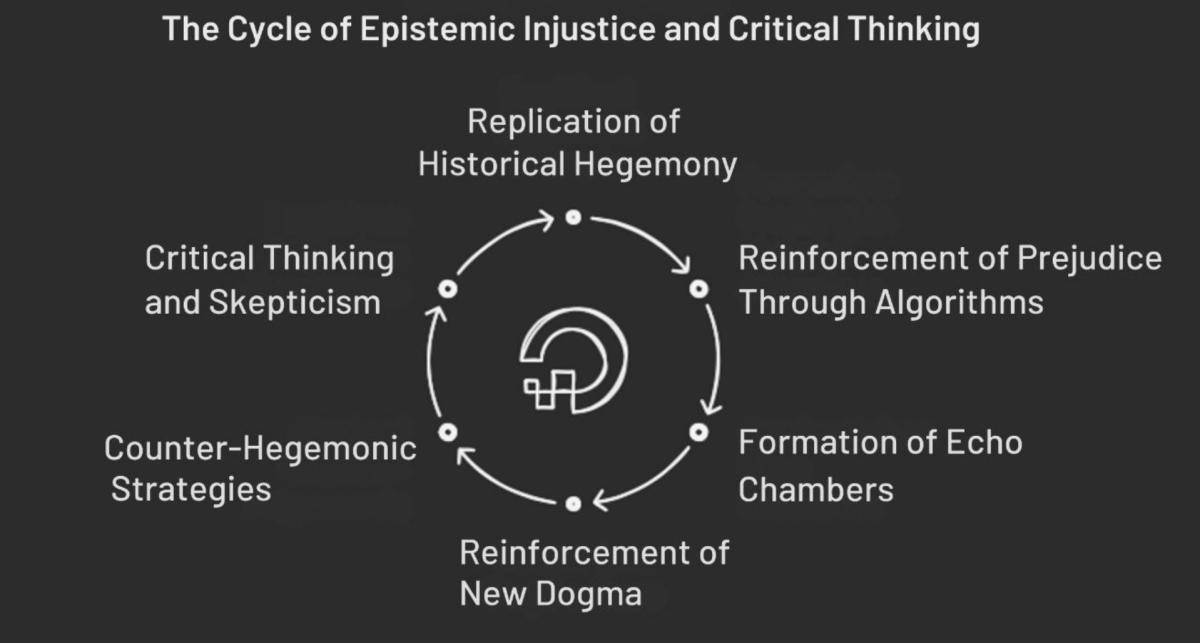
At the UN’s Global Dialogue on AI Governance in Geneva, Nobel Peace Prize laureate Maria Ressa warned that artificial intelligence poses the threat of an “information Armageddon.” Scholars of critical theory perceive that online culture reproduces a “cycle of epistemic injustice” by fostering “organized stupidity” that fuels extremism and authoritarianism. And the same technology now implements the grim material application of this degraded intellectual climate, with a UN Human Rights Council study especially accusing Palantir of being part of an “economy of genocide” through its enabling of Israel’s AI-enhanced targeting in Gaza. Meanwhile, the pollution generated by the data centers that power AI is now “almost incomprehensible.” Despite all this, UNESCO in Geneva glibly called for a “safe and inclusive AI that benefits all,” and an openly boosteristic “AI for Good” confab was held alongside the Global Dialogue. The “anti-tech rebellion” against screens in school classrooms is a significant sign of hope, but the end of reading and death of literacy are already upon us. Moves toward greater regulation of AI are most significant as a catalyst for the conversation that needs to be had: how to launch an effective movement for abolition. In Episode 336 of the CounterVortex podcast, Bill Weinberg continues to make the case. (Image: CounterVortex, after JSCSR)

Southeast Asia
Philippines

Extrajudicial killings continue in Philippines

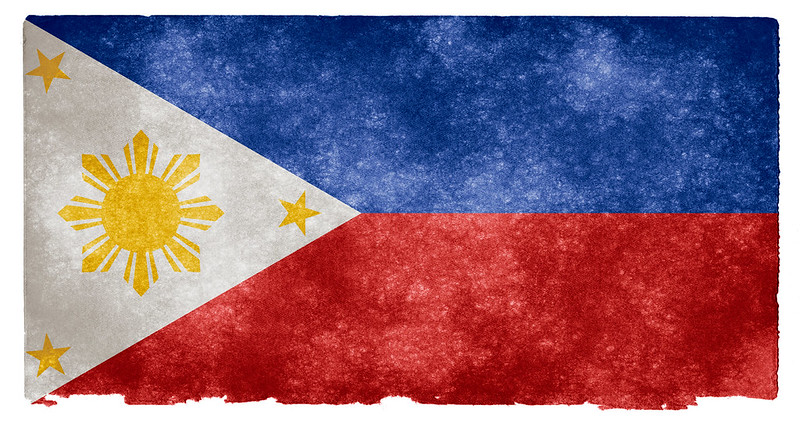
Human Rights Watch (HRW) reported that authorities in the Philippines continue to conduct extrajudicial killings, with no accountability, as part of the government’s anti-drug campaign. Ten years after then-President Rodrigo Duterte launched his brutal “war on drugs,” serious human rights violations remain ongoing. According to HRW, the number of killings in the anti-drug campaign has reached 1,273 since Ferdinand Marcos Jr. became president in 2022. The report noted a decline in the number of extrajudicial killings compared to rates under Duterte’s presidency, but found that illegal arrests have significantly increased. In 2025, Duterte was arrested under an International Criminal Court (ICC) warrant for crimes against humanity related to his “war on drugs.” The trial is scheduled for November. (Image: Grunge Love via Flickr)

Southeast Asia
ICC

Philippines urged to arrest fugitive senator

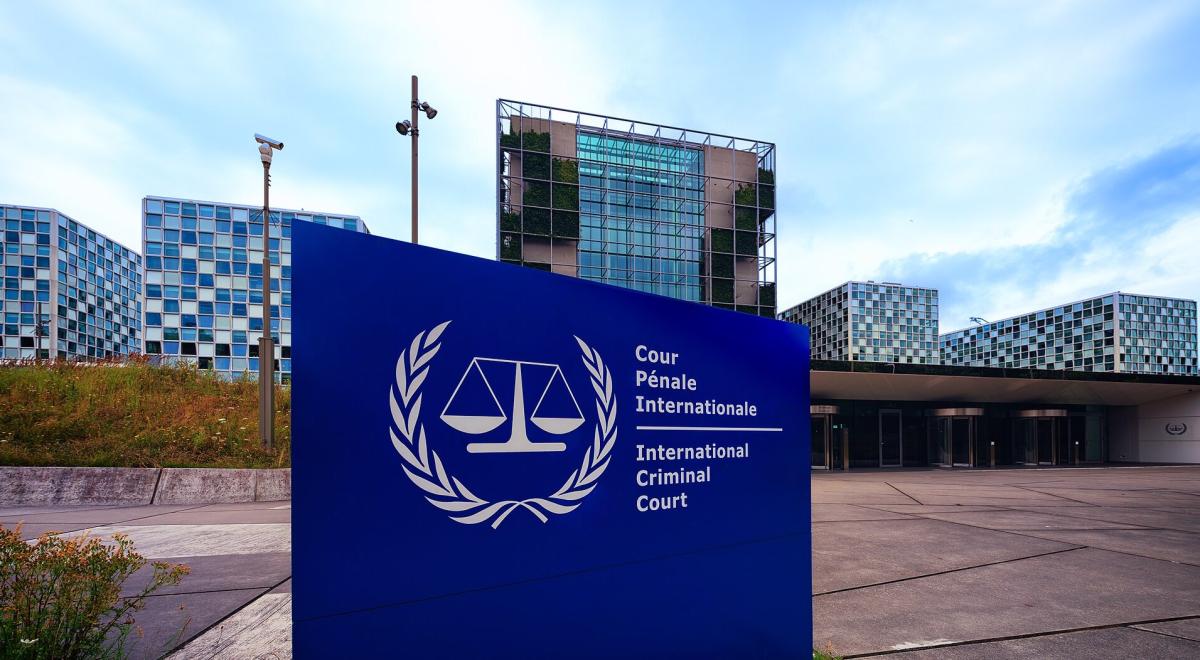
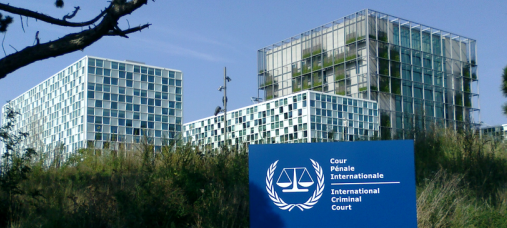
Amnesty International called on the Philippines to apprehend Sen. Ronald dela Rosa, expressing deep concern over reports that he fled the Senate building to evade an International Criminal Court arrest warrant. Following rumors that a warrant had been issued for his arrest for crimes against humanity, dela Rosa disappeared from public view, re-emerging this week to participate in a Senate leadership vote. He apparently fled the chamber after spotting Philippine government agents waiting to arrest him, and spent two days barricaded in the Senate building. He escaped the building after gunfire erupted, and his present whereabouts are unknown. (Photo: Tony Webster via Wikimedia Commons)

Iran
ICC

Podcast: Trump to The Hague! III

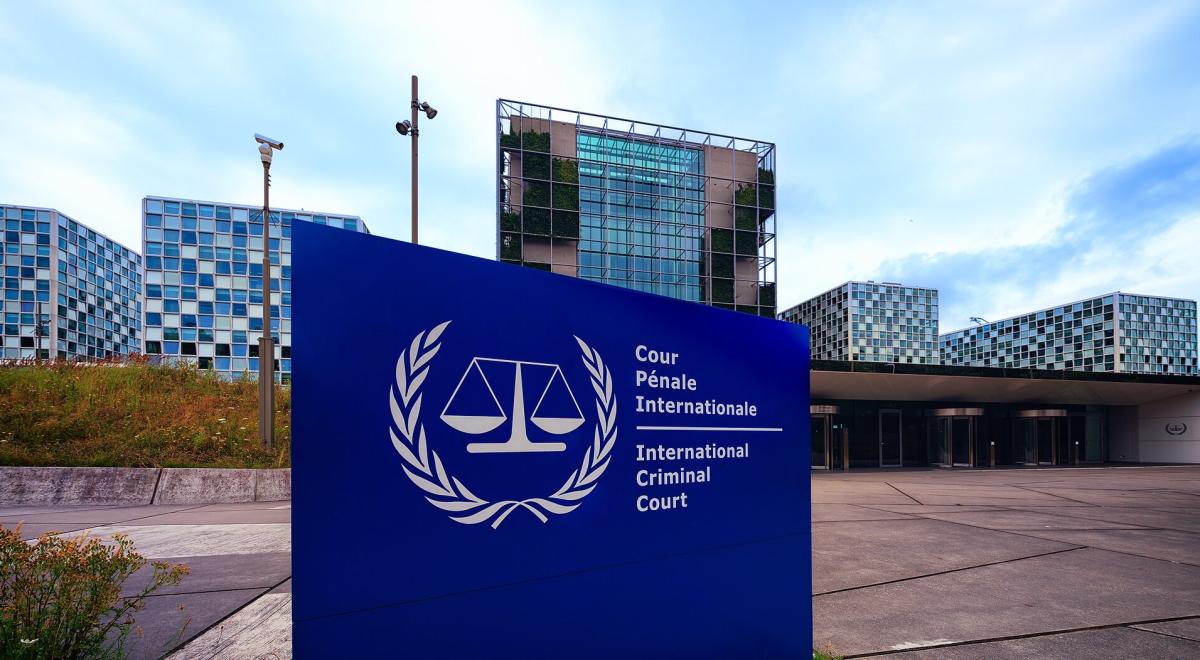
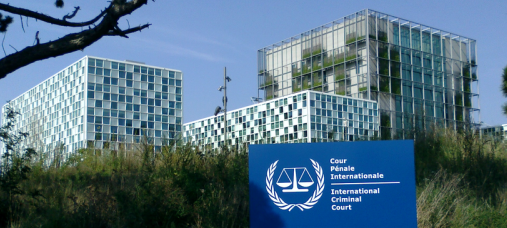
In Episode 325 of the CounterVortex podcast, Bill Weinberg continues to make the case—political, legal and practical—for sending Trump to a jail cell at The Hague to face war crimes charges before the International Criminal Court (ICC). Actual precedent refutes the conventional wisdom that this demand is “unrealistic.” Serbia’s long-ruling strongman Slobodan Milosevic died in a cell at The Hague while awaiting trial before the International Criminal Tribunal for the former Yugoslavia, while Philippines ex-president Rodrigo Duterte is currently in a cell at The Hague awaiting trial before the ICC. The Court just confirmed that it has jurisdiction in the Duterte case despite the Philippines’ withdrawal from the ICC. Contrary to the dogma of “American exceptionalism,” such an outcome for Trump is within the realm of possibility. (Photo: Tony Webster via Wikimedia Commons)

Southeast Asia
scam centers

UN: ‘wicked’ human trafficking for cyber-scam ops explodes

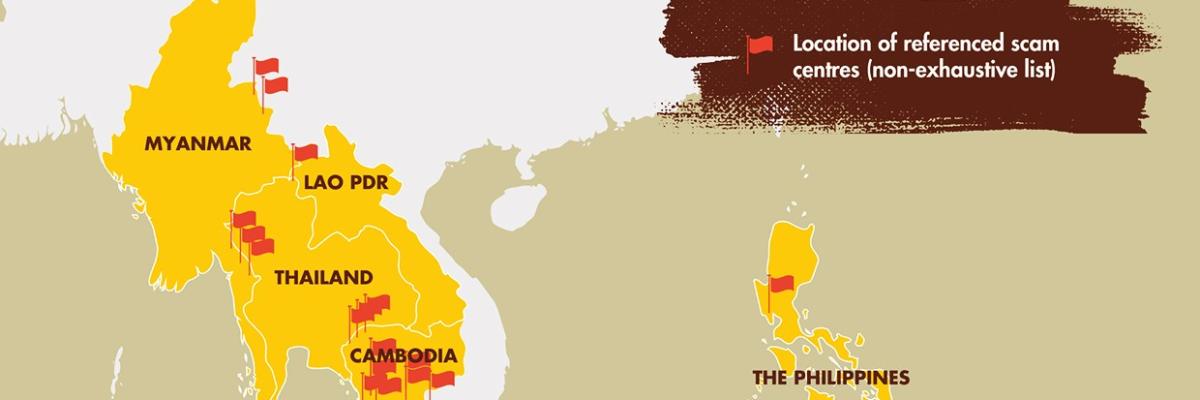
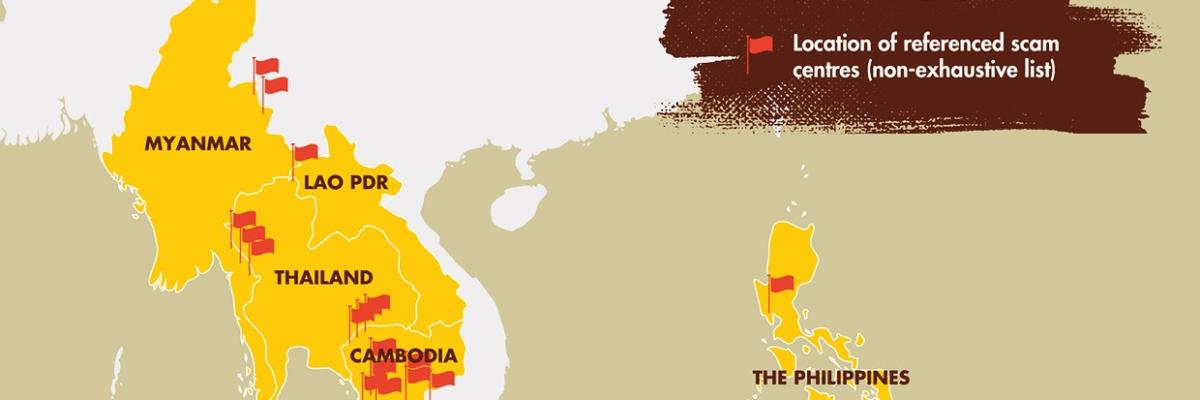
The UN Office of the High Commissioner for Human Rights (OHCHR) released a report warning that the rapid expansion of cyber-fraud compounds in Southeast Asia has resulted in widespread human rights abuses. At least 300,000 people originating from 66 countries are currently forced to work in these operations, primarily in Burma and Cambodia. The OHCHR described the phenomenon as a “wicked problem” requiring coordinated, human rights-based responses rather than enforcement-only crackdowns. Yet national government have responded with air-strikes on the compounds, endangering the exploited workers being held at the facilities. (Image: OHCHR)

Planet Watch
Sri Lanka

Triple-cyclone disaster crystalizes climate threat

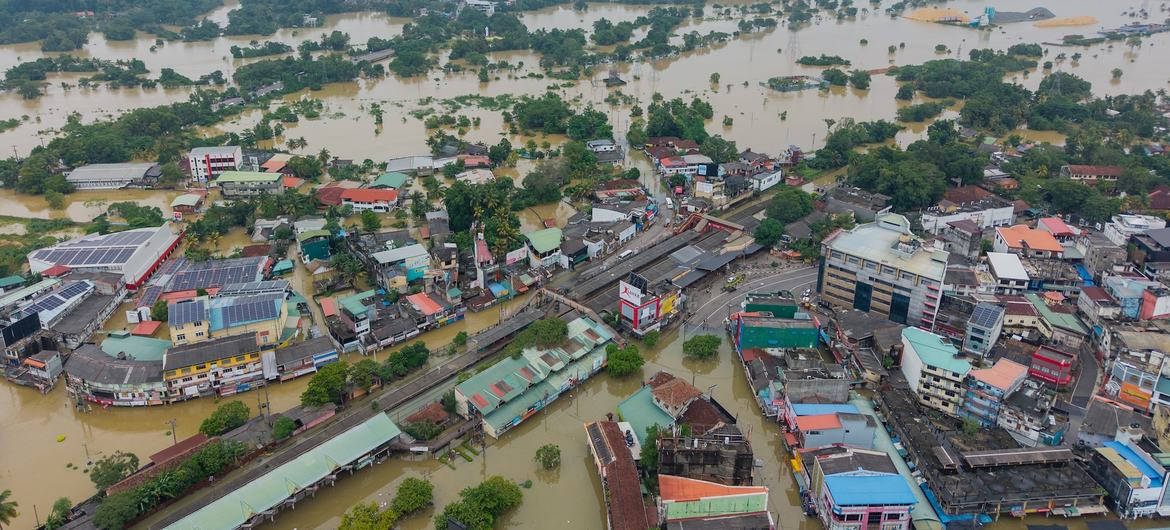
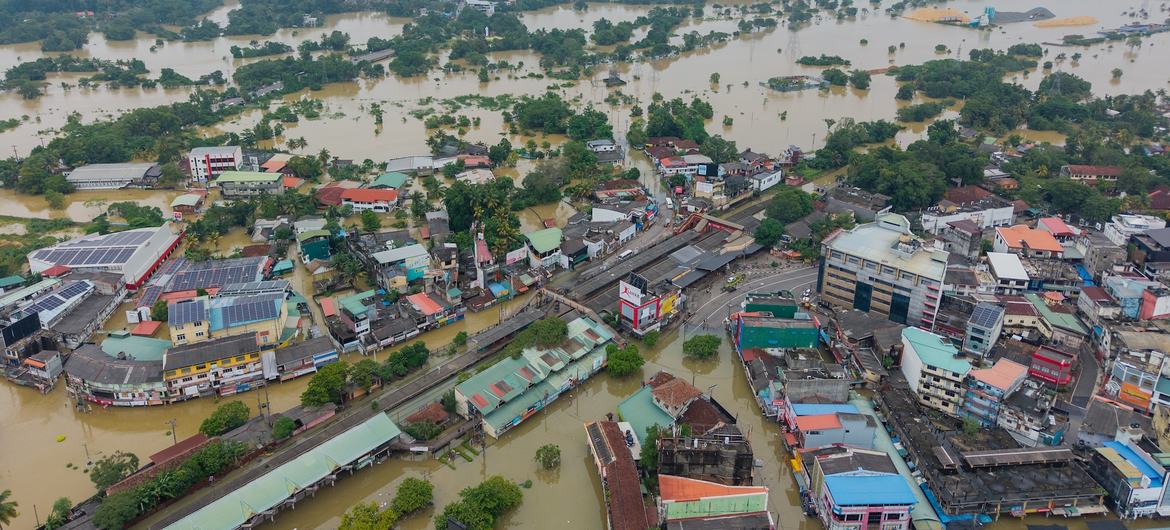
A rare convergence of three tropical cyclones with the northeast monsoon has triggered the worst flooding to hit South and Southeast Asia in decades. More than 1,600 people have been killed, thousands remain unaccounted for, and whole villages have disappeared under mud and rising water. Roads, bridges, and other vital infrastructure have been torn apart, hampering rescue efforts as communities wait for help across Indonesia, Thailand, Sri Lanka, Vietnam and other affected countries. The scale of the disaster reflects a dangerous mix of climate pressures. Warmer oceans are intensifying storms, while a hotter atmosphere is capable of holding and releasing far more moisture. Environmental degradation has left many communities exposed: rivers once stabilized by forest cover burst their banks with little resistance. Humanitarian groups are urging governments to strengthen early-warning systems, invest in resilient infrastructure, and prioritize long-term adaptation—all of which makes the disappointing outcomes of this year’s UN climate summit even more worrying. (Photo: town in Sri Lanka after Cyclone Ditwah. Credit: UNICEF/InceptChange via UN News)

Southeast Asia
ICC

ICC prosecutors bring charges against Duterte

International Criminal Court prosecutors brought charges against former Philippine President Rodrigo Duterte for crimes against humanity, alleging he orchestrated thousands of murders during the grisly anti-drug campaign that has come to define his legacy. The prosecutors accuse Duterte of directing killings from 2011 to 2019, first as mayor of Davao City and later as president. They allege that as mayor he established “liquidation squads,” collectively known as the Davao Death Squad, and expanded such operations nationwide after taking office as president in 2016. (Photo: OSeveno/WikiMedia)

Southeast Asia
South China Sea

Maritime collision escalates South China Sea tensions

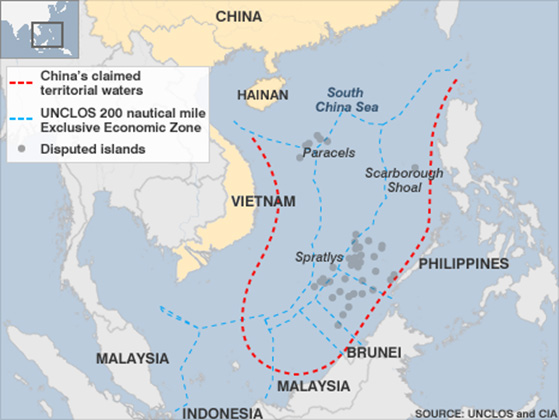
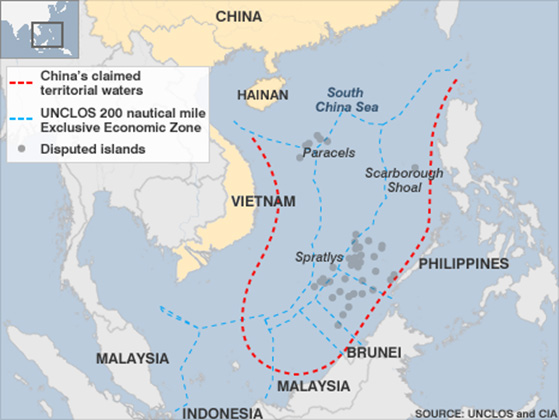
Manila accused Chinese military vessles of engaging in “dangerous manoeuvres, including ramming and towing” a Philippine ship in an effort to disrupt a “routine” resupply mission to an outpost on Second Thomas Shoal (known to the Philippines as Ayungin Shoal) in the the disputed Spratly Islands (known to the Philippines as the Kalayaan Islands). By Philippine media accounts, the craft was fired upon with water cannon and boarded by Chinese troops, with several Filipino soldiers injured in the ensuing confrontation. The skirmish came amid escalating tensions over the South China Sea—much of which Manila calls the West Philippine Sea, but nearly all of which is claimed by Beijing. The chief of staff of the Armed Forces of the Philippines, Romeo Brawner Jr., stated that the military and other maritime law enforcement agencies are prepared to defend Filipino fishermen from China’s newly announced “anti-trespassing policy.” (Map via IDSA)

Southeast Asia
NDFP

Philippines: agreement with rebels to reset peace talks

In a joint statement, the Philippine government and National Democratic Front of the Philippines (NDFP) announced an agreement to reset peace negotiations in an attempt to end a 54-year-long conflict. The agreement, facilitated by Norway, was signed in Oslo by representatives of both President Ferdinand Marcos Jr and the NDFP. The statement cited “socioeconomic and environmental issues,” as well as “foreign security threats facing the country” as reasons for the re-opening of negotiations. Talks last stalled in 2017 when then-president Rodrigo Duterte broke off a peace process and declared the NDFP-affiliated New People’s Army a “terrorist organization.” (Image: NDFP flag via Wikimedia Commons)

Southeast Asia
NTF-ELCAC

UN call to disband Philippine ‘counter-insurgency force’

The UN Special Rapporteur on the promotion and protection of human rights in the context of climate change, Ian Fry, called for the disbandment of the National Task Force to End Local Communist Armed Conflict (NTF-ELCAC), which he called a “counter-insurgency force” in the Philippines. In a press conference held after his 10-day trip to the Philippines, Fry stated that the NTF-ELCAC has “operated with impunity” and that an independent investigation into the group is necessary. The trip, which was meant to assess how climate change is impacting human rights in the Philippines, began to focus on the NTF-ELCAC as several local rights groups brought attention to its involvement in violence against land defenders and opponents of extractive industries. The group is accused of “red-tagging,” in which those resisting projects are accused of being fighters or supporters of the communist insurgency, effectively making them targets. (Photo: Ryomaandres/Wikimedia Commons)

The Andes
Partnership of the Americas 2009

Colombia joins ‘new partnership’ with NATO

President Joe Biden issued an executive order designating Colombia a Major Non-NATO Ally (MNNA) of the United States. The designation facilitates further weapons transfers from the US to Colombia, and increased military cooperation between the two countries. Colombia is the third MNNA in Latin America, after Brazil and Argentina. Weeks earlier, a delegation of NATO staff visited Colombia to discuss the South American country’s participation in the alliance’s Defense Education Enhancement Program (DEEP). Colombia became NATO’s newest “global partner” in 2018, but this relationship was reinforced last December, when it became a member of the NATO Individually Tailored Partnership Program (ITPP). (Photo: Wikimedia Commons)

Southeast Asia
Bloody Sunday

Duterte under fire after ‘Bloody Sunday’ massacre

In the wake of the “Bloody Sunday” killings of nine activists in the Philippines, advocates are demanding passage of the Philippine Human Rights Act (PHRA) in the US Congress, which would suspend aid to the Manila government until the rights crisis in the archipelago nation is addressed. In a supposed operation against the New People’s Army (NPA) guerillas, national police backed up by the army killed nine members of New Patriotic Alliance (BAYAN) civil organization in Calabarzon region of Luzon island. Among the slain was Emmanuel “Manny” Asuncion, secretary general of BAYAN in Cavite province, and an important mass organizer in Calabarzon. The killings came two days after President Rodrigo Duterte ordered government forces to “kill” and “finish off” all communist rebels in the country. (Photo via Twitter)