

Watching the Shadows
NSS

Trump Corollary: spheres of influence, white supremacy
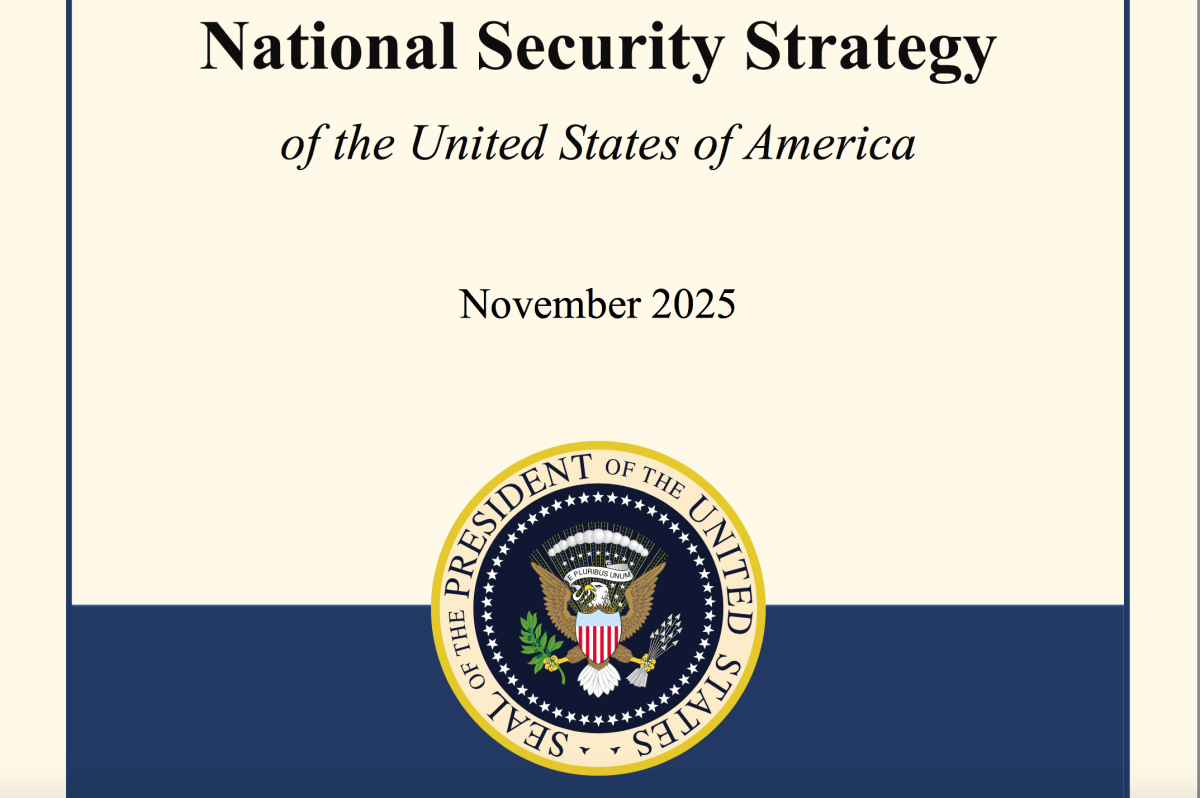
Donald Trump’s new National Security Strategy instates a “Trump Corollary” to the Monroe Doctrine. Like the Roosevelt Corollary of 1904, which was used to justify the “gunboat diplomacy” of that era, this new corollary openly calls for dividing the world into spheres of influence—with the Western Hemisphere assigned to the US. Russia is obviously pleased as punch over this, as it implicitly gives Moscow a free hand in Ukraine—and Putin will likely consider this an acceptable pay-off for his betrayal of Venezuela. However, China is less likely to surrender its massive investments and mega-projects in Latin America in exchange for a free hand to take over Taiwan. The document’s text on Europe is even more sinister, revealing a white supremacist agenda that looks not to Washington’s traditional allies to counter Russia, but to the continent’s Russian-backed far-right movements to counter Washington’s traditional allies. In Episode 308 of the CounterVortex podcast, Bill Weinberg exposes the NSS as a further step toward consolidation of a Fascist World Order. (Image: White House)
Watching the Shadows
USS Gerald Ford

US instates ‘Trump Corollary’ to Monroe Doctrine

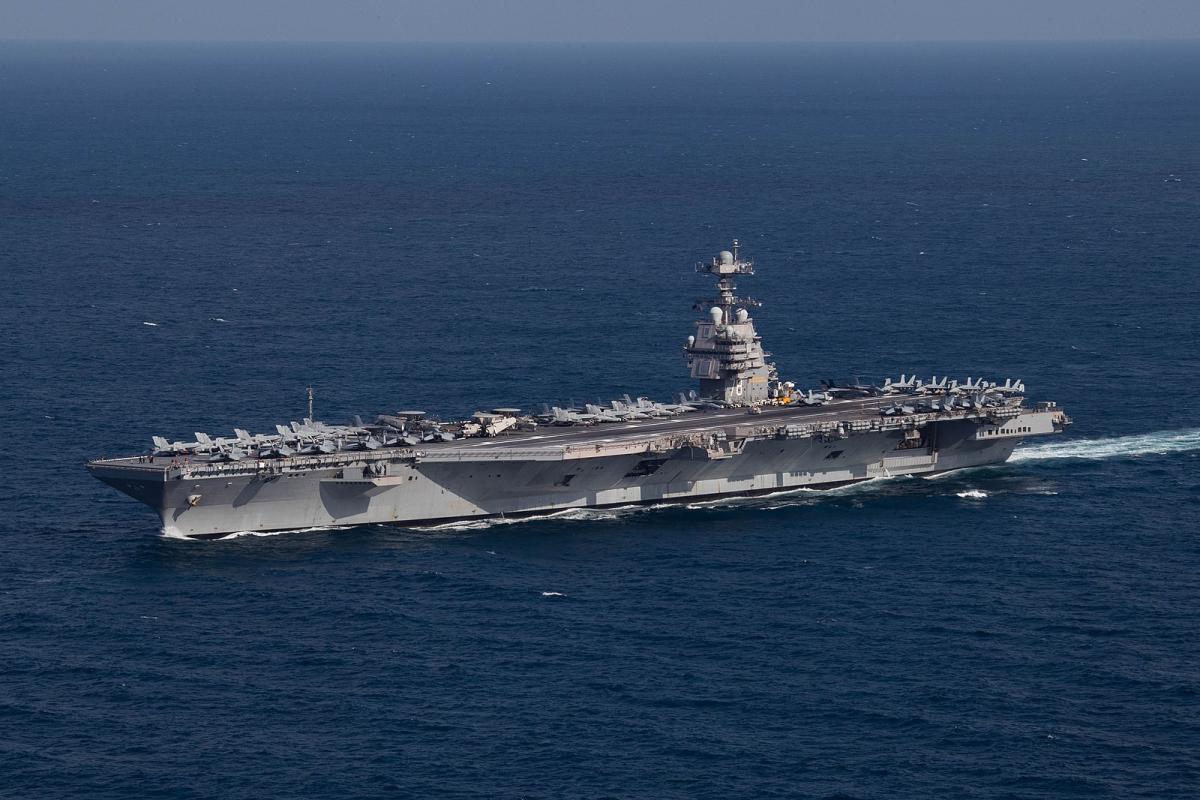
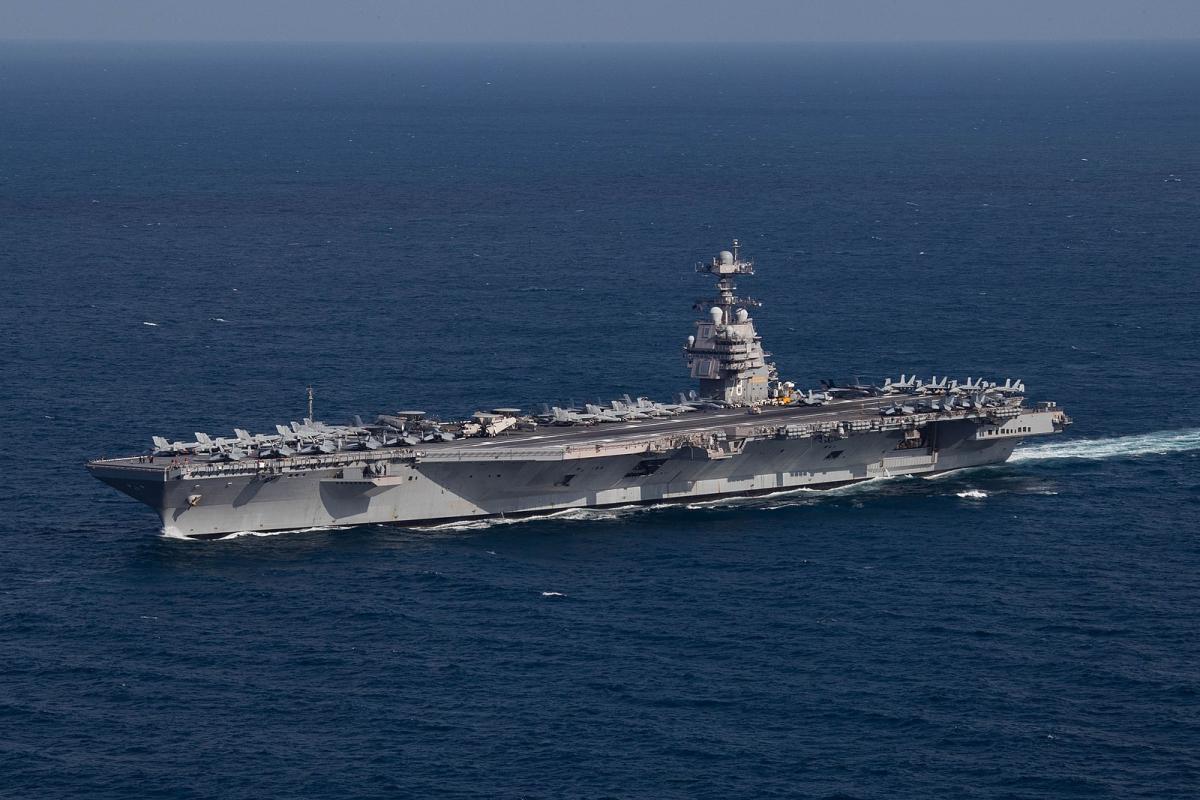
President Donald Trump’s new National Security Strategy puts the Western Hemisphere at the center of US foreign policy and revives the Monroe Doctrine of 1823, appending it with a “Trump Corollary.” The document presents the Americas as the main line of defense for the US homeland and links that doctrine directly to ongoing military operations against suspected drug traffickers in Caribbean and Pacific waters. It places the Hemisphere as the top regional priority, above Europe, the Middle East and Indo-Pacific, with an imperative of controlling migration, drug flows, and foreign influence before they can reach US territory. It also states that the US will block “non-Hemispheric competitors” from owning or controlling “strategically vital assets” in the Americas, including ports, energy facilities, and telecommunications networks. (Photo: USS Gerald R. Ford. Credit: US Navy via Wikimedia Commons)

East Asia
Li

Demand China release detained Taiwanese publisher

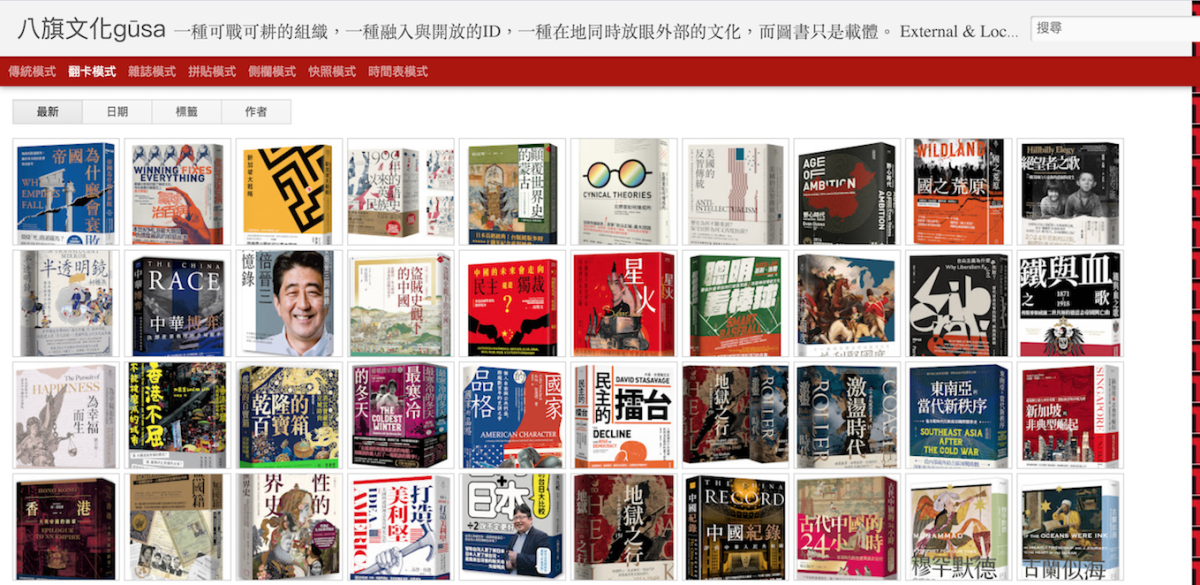
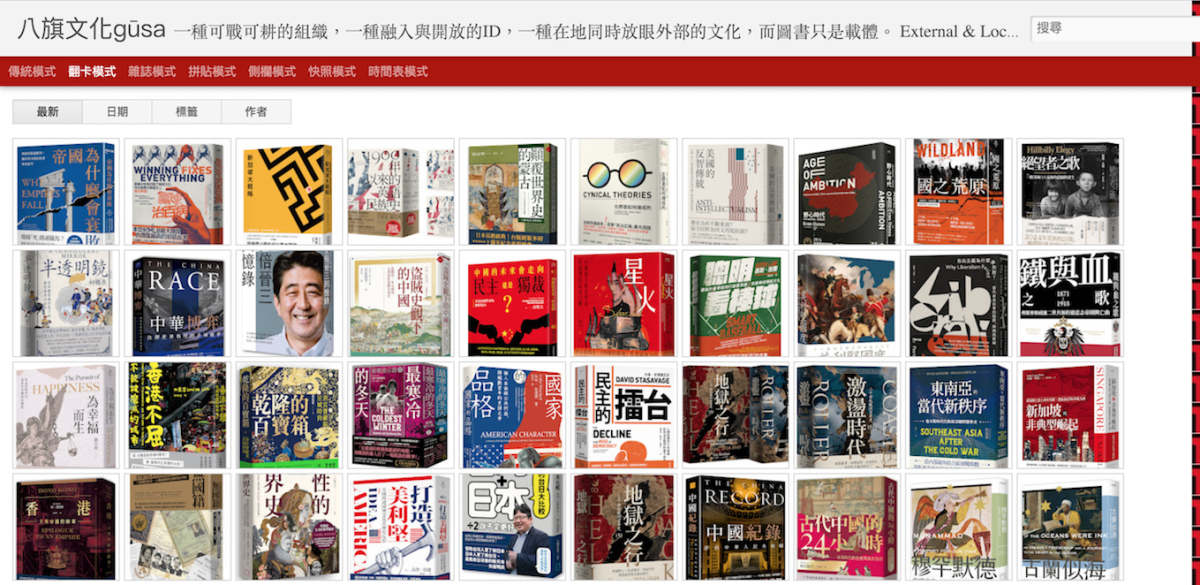
Human Rights Watch expressed deep concern over the continued detention of Taiwanese publisher Li Yanhe in China since 2023, citing violations of freedom of expression and the right to a fair trial. For nearly two years, no official information was released about his case until Chinese authorities revealed in March that he had been secretly sentenced to an unspecified term. Li, who writes under the pen name Fu Cha, is editor-in-chief of Gusa Publishing, a Taiwan-based company known for producing books that critically examine the Chinese Communist Party and cover politically sensitive topics such as the Tiananmen Square massacre and human rights abuses in Xinjiang. Li was born in China, but moved to Taiwan in 2009 to establish Gusa Publishing. In 2023, he obtained Taiwanese citizenship, a process that required him to return to mainland China to formally cancel his household registration. During his visit to Shanghai, he was detained by Chinese police on allegations of “engaging in criminal activities to incite secession.” (Image: Gusa Publishing)

East Asia
Taiwan

China: death penalty for advocating ‘Taiwan independence’

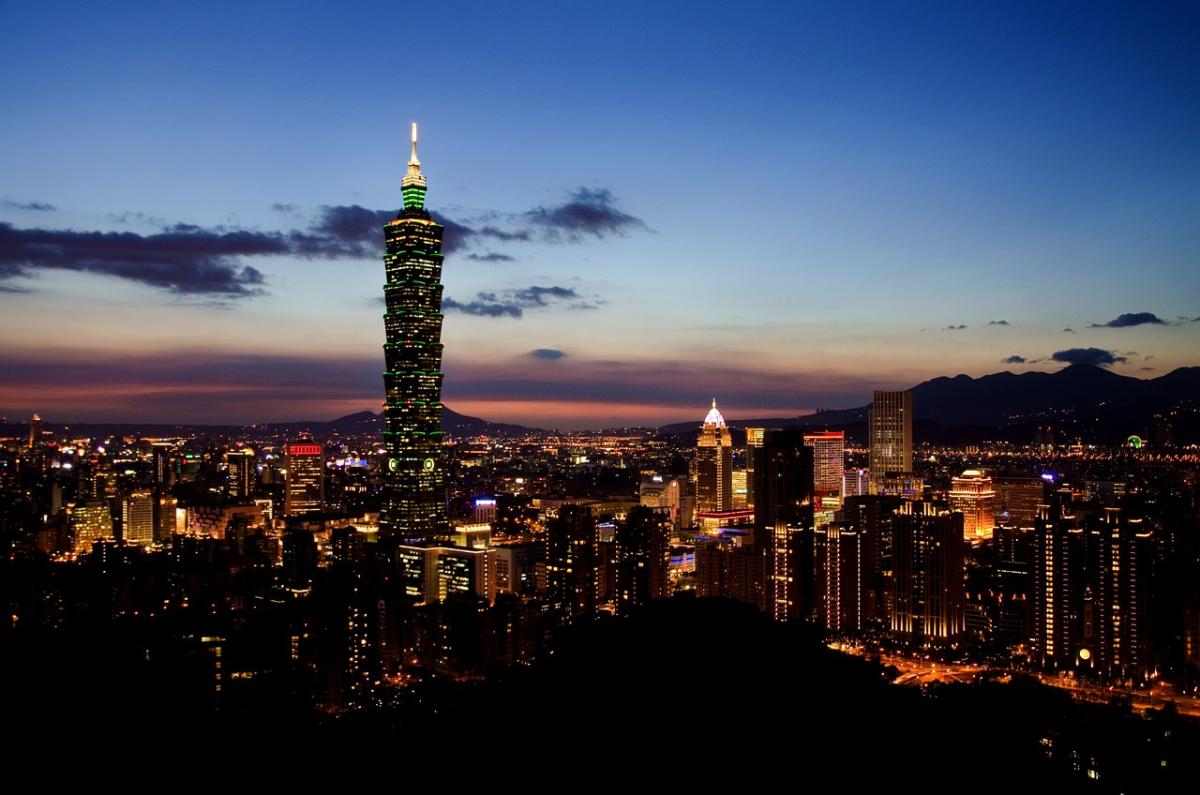
China instated the death penalty for “particularly serious” cases involving supporters of Taiwanese independence. New judicial guidelines, entitled “Opinions on Punishing the Crimes of Splitting the Country & Inciting Splitting the Country by ‘Taiwan Independence’ Diehards,” were jointly issued by the Supreme People’s Court, the Supreme People’s Procuratorate, the Ministry of Public Security, the Ministry of State Security and the Ministry of Justice. The new standards stipulate severe punishments for those identified as leaders or significant participants in secessionist activities, and classify actions causing “significant harm to the state and its people” as offenses that may result in the death penalty. (Photo: shutterbean/Pixabay via Jurist)

Southeast Asia
South China Sea

Maritime collision escalates South China Sea tensions

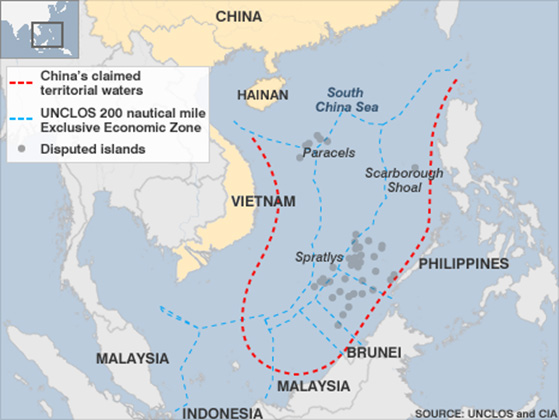
Manila accused Chinese military vessles of engaging in “dangerous manoeuvres, including ramming and towing” a Philippine ship in an effort to disrupt a “routine” resupply mission to an outpost on Second Thomas Shoal (known to the Philippines as Ayungin Shoal) in the the disputed Spratly Islands (known to the Philippines as the Kalayaan Islands). By Philippine media accounts, the craft was fired upon with water cannon and boarded by Chinese troops, with several Filipino soldiers injured in the ensuing confrontation. The skirmish came amid escalating tensions over the South China Sea—much of which Manila calls the West Philippine Sea, but nearly all of which is claimed by Beijing. The chief of staff of the Armed Forces of the Philippines, Romeo Brawner Jr., stated that the military and other maritime law enforcement agencies are prepared to defend Filipino fishermen from China’s newly announced “anti-trespassing policy.” (Map via IDSA)
East Asia
Legislative Yuan

Protesters surround Taiwan parliament

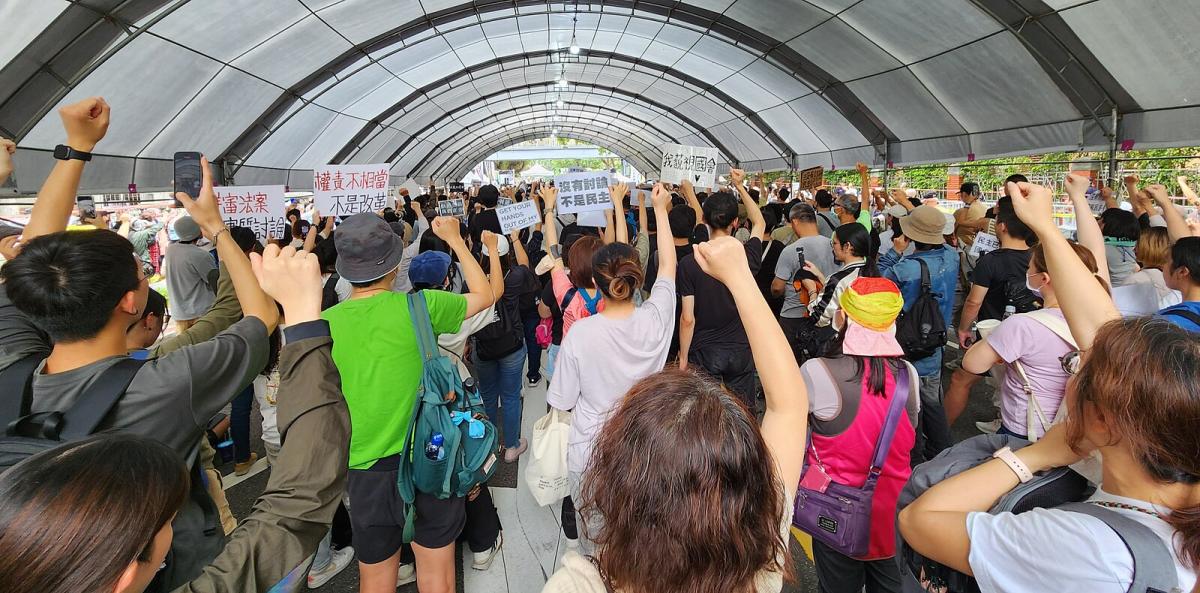
Some 30,000 Taiwanese demonstrators surrounded the Legislative Yuan, the island’s parliament, one day after Lai Ching-te of the Democratic Progressive Party (DPP) was sworn in as president. They were protesting against the legislative majority’s attempts to enact new laws they say would unconstitutionally limit the power of the executive. Three days before the inauguration, physical conflict broke out among lawmakers on floor of the Legislative Yuan, with five briefly hospitalized. The DPP, while winning the presidency, failed to maintain a legislative majority in the January election, leaving the opposition Kuomintang to form a majority coalition. The Kuomintang favors closer ties with China, while the DPP upholds Taiwan’s de facto independence. Beijing responded to Lai’s inauguration with menacing naval maneuvers, completely surrounding Taiwan with warships. The protest at the Legislative Yuan evokes memories of the 2014 Sunflower Movement, when activists occupied the parliament chamber for 24 days to oppose a free trade agreement with China being pushed by the then-Kuomintang government. (Photo: Kanshui0943 via WikimediaCommons)

Oceania
Tuvalu

Tuvalu regains full sovereignty over security relations

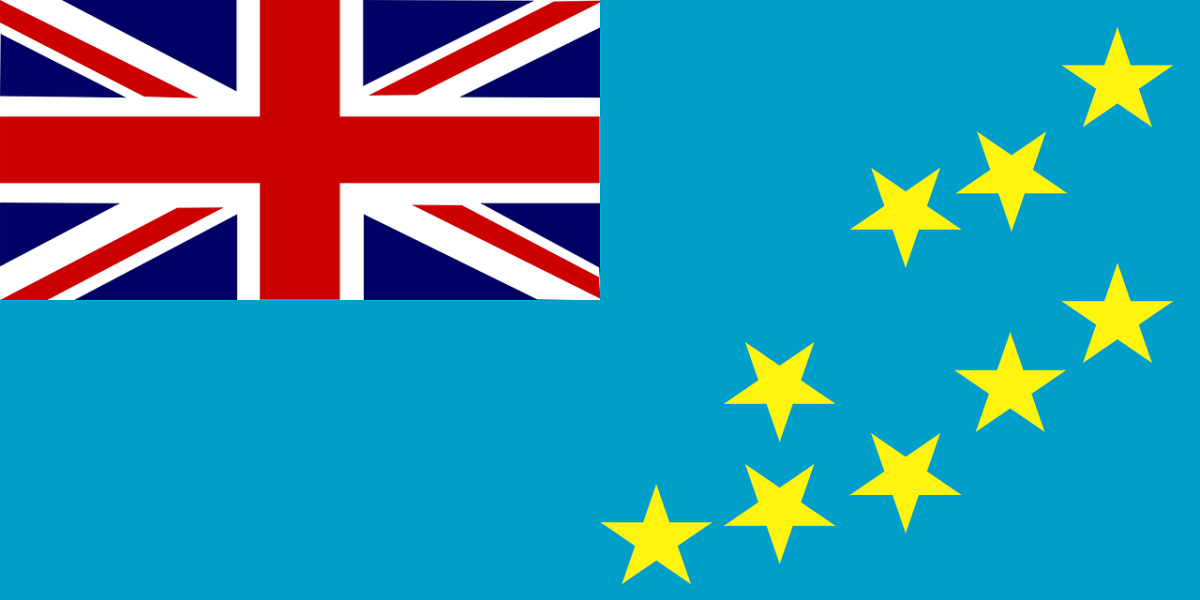
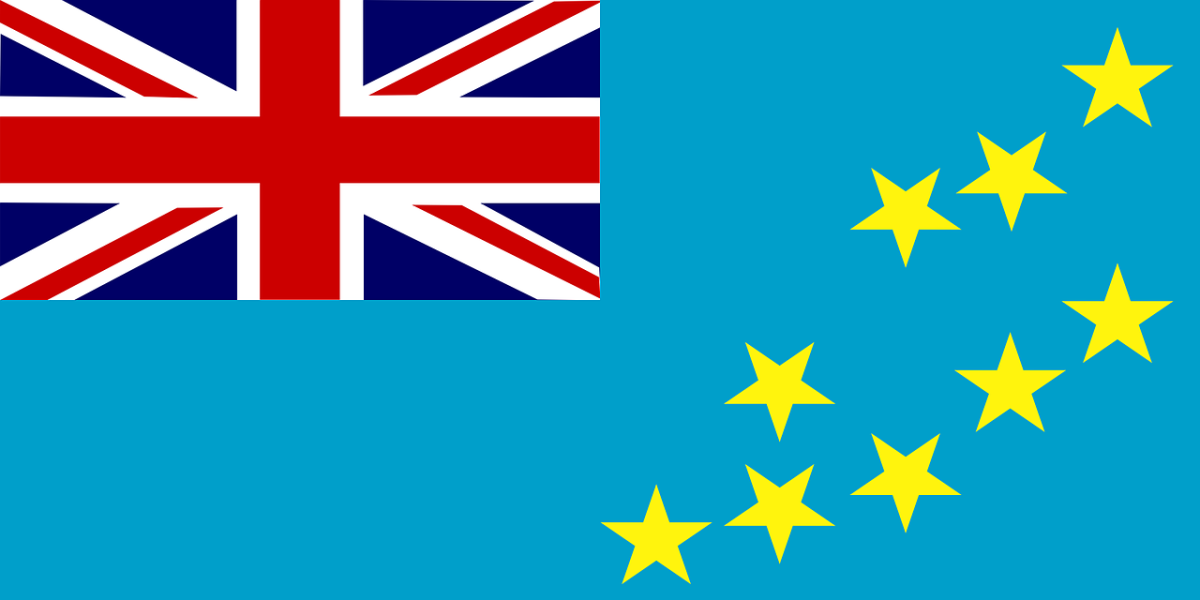
Australia and Tuvalu released a joint statement announcing new commitments to improve security relations, and remove the veto power Australia previously had over the small island nation’s security relations with other countries. The announcement concerned implementation and interpretation of the Falepili Union, a bilateral treaty entered into last November, which expands upon the Australia-Tuvalu Security Partnership of 2017. However, it eliminates the 2017 provision that limited Tuvalu’s sovereignty in foreign affairs—a sensitive matter given Australia’s growing regional rivalry with China. (Image via Pixabay)

Southeast Asia
South China Sea

Podcast: geopolitics of the Barbie affair

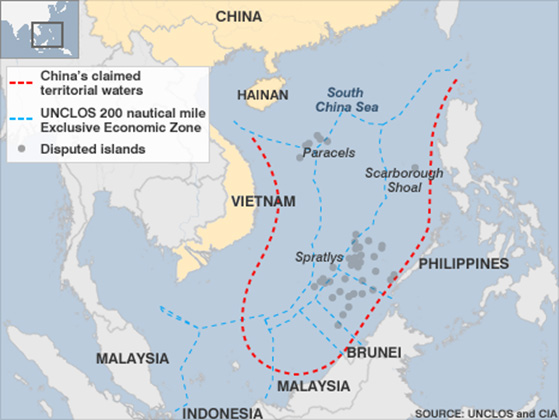
In Episode 181 of the CounterVortex podcast, Bill Weinberg discusses the strange reality that the Barbie move has been banned in Vietnam over a brief image of a world map appearing to show the “nine-dash line” demarcating China’s unilaterally claimed territory in the South China Sea. While US-China brinkmanship over Taiwan wins headlines, Beijing’s maritime dispute with Hanoi holds unsettling potential for escalation. In a surreal paradox (for those who remember their history) Vietnam has actually been tilting to the US in the new cold war with China. It has also been increasingly resorting to internal police-state measures to protect the interests of foreign capital in the country. All of this constitutes a rebuke both to the neoliberals, who cling to the discredited dogma that “free markets” inevitably lead to peace and democracy, and to the tankies, who rally around both the regimes in Beijing and Hanoi, in defiance of political reality. Listen on SoundCloud or via Patreon. (Map via IDSA)

Africa
Somaliland

Oil contracts at issue in Somaliland conflict?

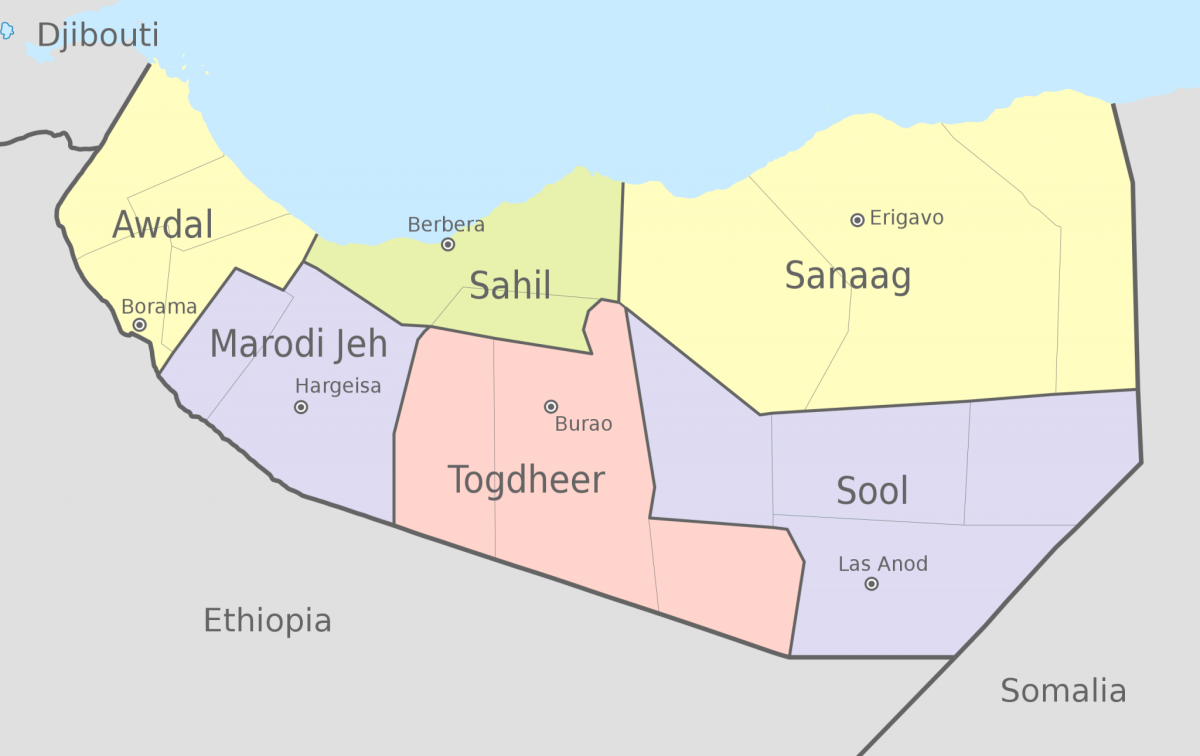
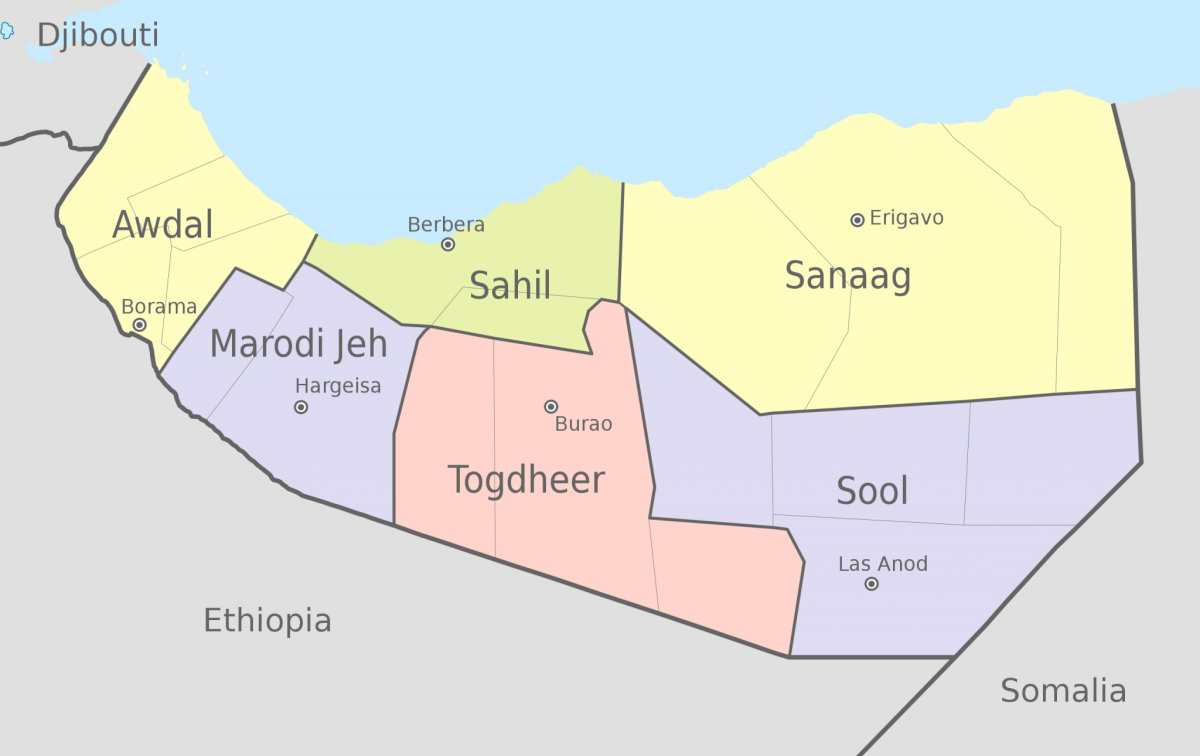
Fighting continues in Somalia’s northern breakaway state of Somaliland, where three administrative regions—Sool, Sanaag, and Aynaba—have taken up arms in a bid to rejoin the internationally recognized Mogadishu government. Somaliland accuses the government of Ethiopia (which is officially attempting to broker a dialogue in the conflict) of intervening on the side of the re-integrationist rebels, headquartered in the town of Las Anod, Sool region. Somaliland has been effectively independent since 1991, and has seen a more stable and secular social order than the regions controlled by the Mogadishu government. But now Mogadishu is asserting its right to grant oil contracts to foreign companies within Somaliland’s territory. Local media note that the new conflict erupted just after Mogadishu announced the issuing of an exploration lease to Turkish Genel Energy in Somaliland—indeed, within Aynaba, one of the contested regions. The move was protested as “illegal” by the Somaliland government, based in the city of Hargeisa. (Map: Siirski via Ethiopia Insight)

East Asia
Taiwanese Marines

Taiwan extends military conscription period

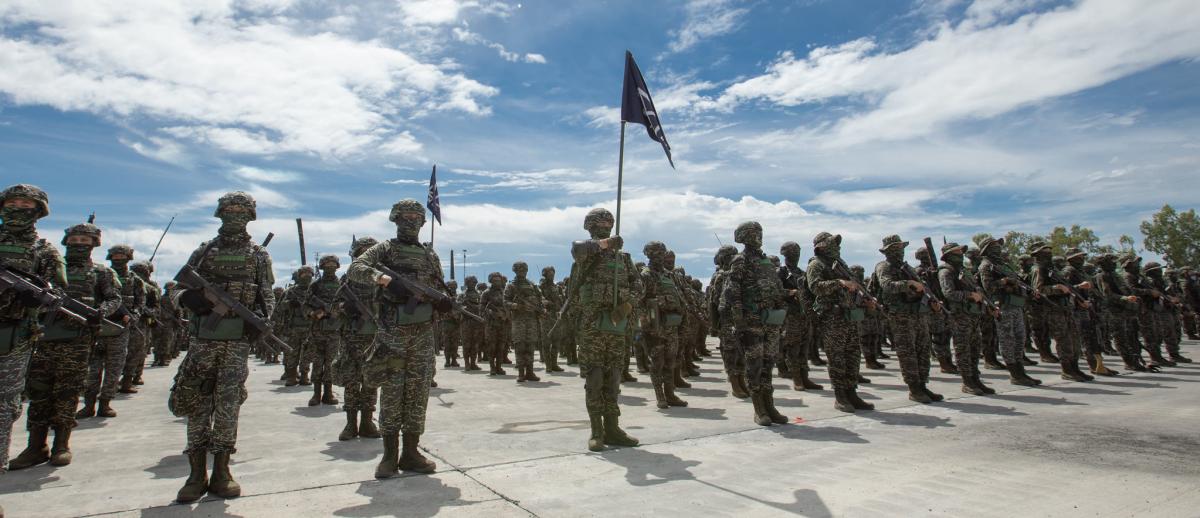
Taiwan’s President Tsai Ing-wen announced a plan to strengthen and restructure the nation’s defense strategies, including extending the mandatory conscription period from four months to one year. Beginning in 2024, all males turning 19 will need to undergo a year-long period of military service—for the first time since 2008. In light of China’s expansionist military activities in the South China Sea and the firing of ballistic missiles into waters off Taiwan this year, Tsai stressed the need for Taiwan to be well-prepared for war. “The decision is a difficult one, but as the head of the military and for the continued survival of Taiwan, this is an inevitable responsibility,” Tsai said. (Photo: Wikimedia Commons)

Watching the Shadows
Roger Waters

Roger Waters: another brick in the war propaganda

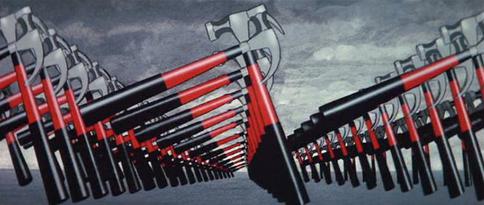
In Episode 140 of the CounterVortex podcast, Bill Weinberg calls out former Pink Floyd creative genius Roger Waters as a propaganda agent for the criminal regimes of Vladimir Putin, Xi Jinping and Bashar Assad. In his recent CNN interview, Waters blames Ukraine for getting invaded, falsely states that “Taiwan is part of China,” and dismisses as “bollocks” that there are human rights abuses in China. He has the unmitigated chutzpah to send an open letter on social media to Ukrainian First Lady Elena Zelenska urging her to influence her husband to “end the war”—to which she rightly responds: “If we give up, we will not exist tomorrow. If Russia gives up, war will be over.” We’ve noted before Roger’s spewing of genocide-abetting denialism about the Syria chemical attacks. And he disses his own fans who don’t go along with his war propaganda. Roger Waters has become the fascist rock starhe once satirized in The Wall. The public acrimony between Waters and his ex-bandmate David Gilmour has now become political, with Gimour’s release (under the banner of Pink Floyd) of the song “Hey Hey, Rise Up,” explicitly in support of Ukraine. David Gilmour is right, while Roger Waters is now just another brick in the wall. Listen on SoundCloud or via Patreon. (Image via Wikipedia)

East Asia
Paiwan

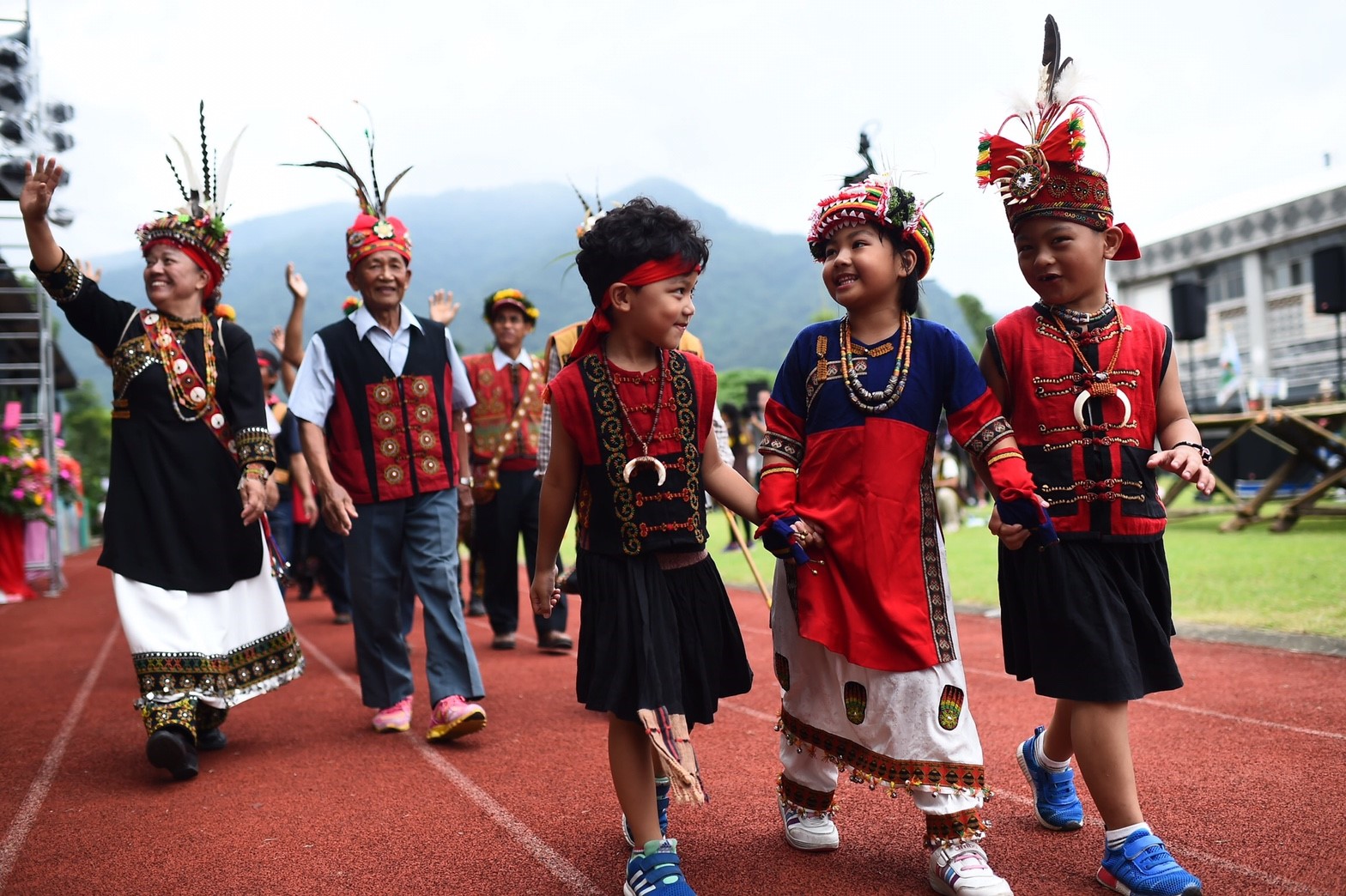
Taiwan expands rights for indigenous peoples

Taiwan’s President Tsai Ing-wen, speaking at an Indigenous Rights Forum in Taipei held to mark Indigenous Peoples’ Day, pledged new measures to protect and promote the languages, cultures and territorial rights of the island nation’s Aboriginal communities. Tsai noted that the new Indigenous Peoples Basic Act seeks to bring Taiwanese law and policy into conformity with the UN Declaration on the Rights of Indigenous Peoples (UNDRIP), and calls for re-assigning the country’s place names to reflect Aboriginal languages. Her office has established a Transitional Justice Committee to oversee implementation of the law in collaboration with Aboriginal communities. (Photo: President Tsai on visit to harvest festival of the Paiwan and Rukai peoples, Sandimen township, Pingtung county, via Wikipedia)