From our Daily Report:

Africa
Guinea Bissau

Guinea-Bissau: narco-plot behind latest African coup?

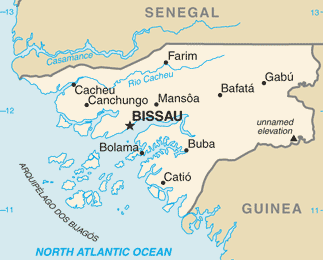
UN Secretary-General AntĂłnio Guterres condemned the military coup in Guinea-Bissau that took place just days after national elections, saying that it gravely violates constitutional order and democratic principles. The African Union similarly condemned the coup, while the West African regional bloc ECOWAS suspended Guinea-Bissau until there is a full restoration of constitutional order. This latest military takeover reflects a pattern of instability in Guinea-Bissau since the country gained independence from Portugal in 1974, and follows a long string of coups or coup attempts. Guinea-Bissau also ranks first among African countries in the cocaine trade, a reality that looms ever larger over national politics. In his inaugural speech, transitional president Maj-Gen. Horta Nta Na Man justified the military takeover as necessary to thwart a plot by “narco-traffickers” to destabilize the country. Government efforts to crack down on the narco trade are believed to have prompted previous coups d’etatin Guinea-Bissau. (Map: PCL)
Africa
Sudan

Sudan: hollow truces, blood theft

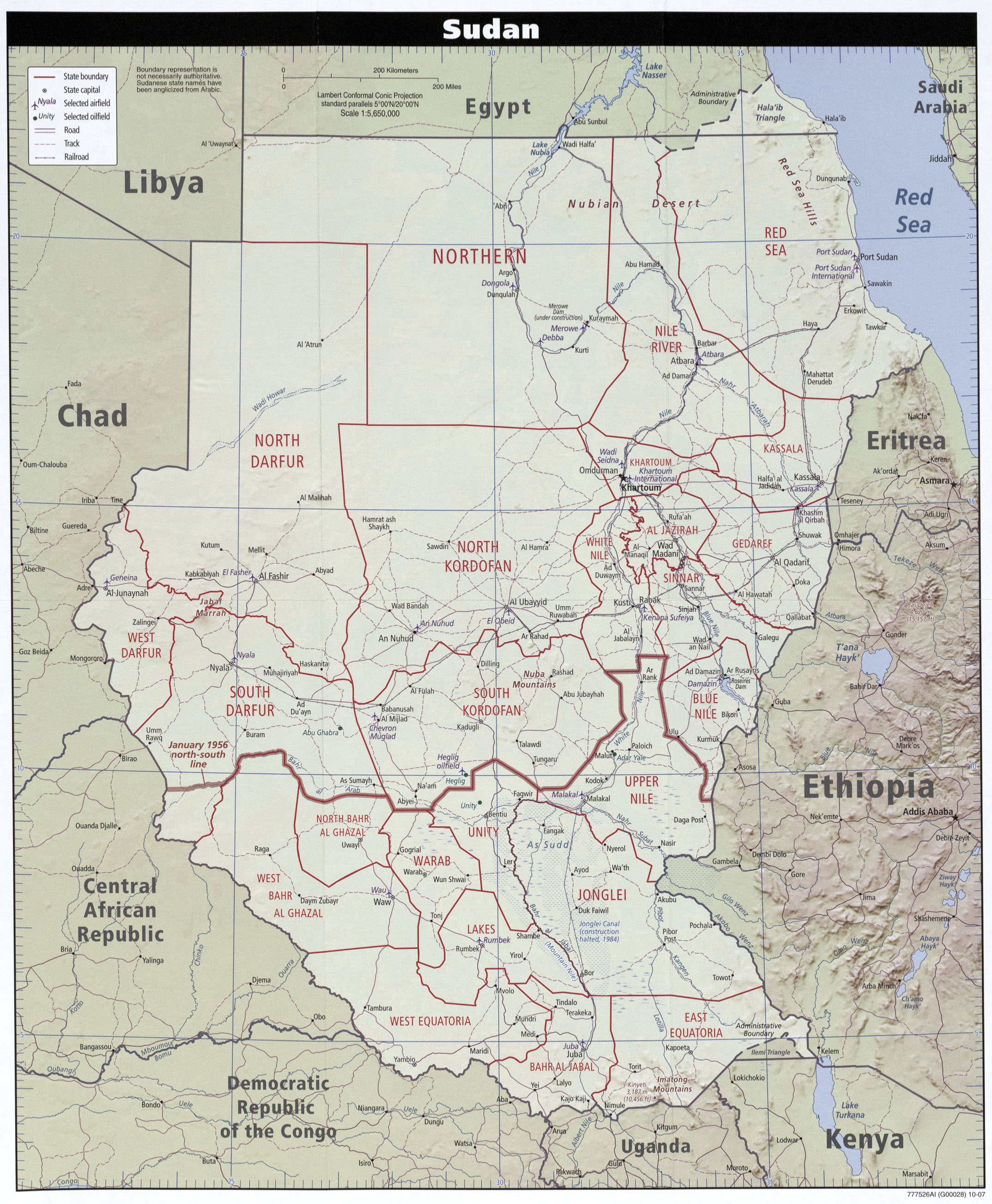
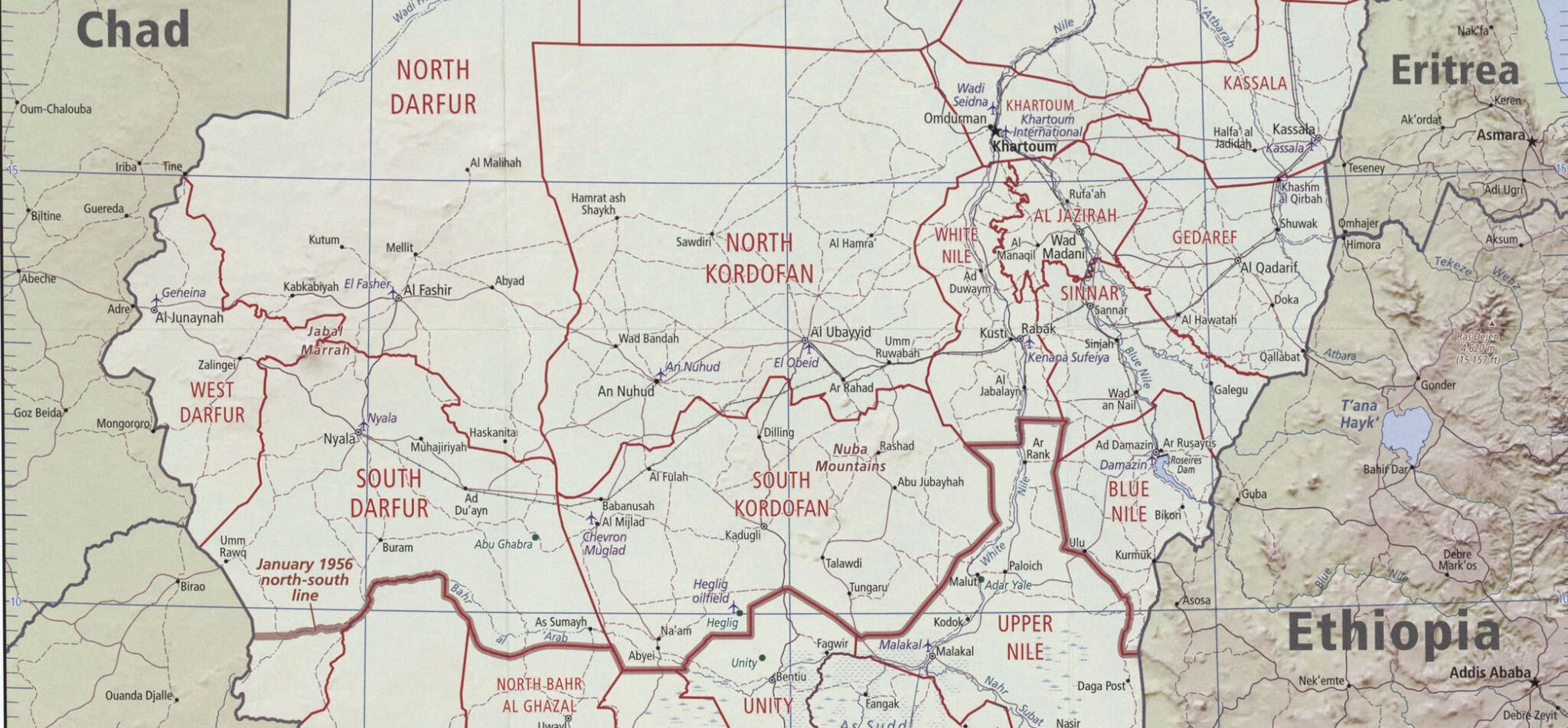
In a move that will shock absolutely nobody following the war in Sudan, the Rapid Support Forces (RSF) declared a three-month unilateral humanitarian truce—and then promptly broke it with an attack on an army position in the West Kordofan town of Babanusa. RSF leader Hemedti billed the pause as a first step towards a political solution, but it looks like just another attempt to con mediators and journalists. As ever, those attempts have been drowned out by a stream of grim revelations, including reports that RSF fighters forcibly took blood from civilians fleeing El Fasher—prompting one commentator to label them “literal vampires.” A Doctors Without Borders update found that many of the 260,000 civilians still alive in El Fasher before the RSF takeover in October are now dead, detained, trapped, or unable to access lifesaving aid. (Map: PCL)

Watching the Shadows
Orwell

Podcast: Trump for War-is-Peace Prize II

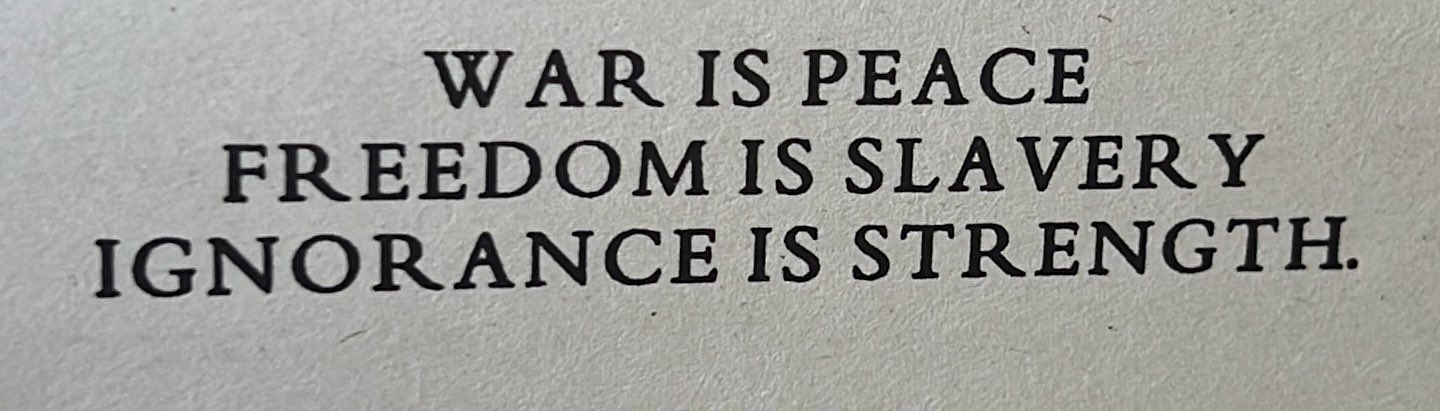
Trump continues to pursue his perverse ambition to win the Nobel Peace Prize—now proffering “peace” plans for Ukraine and Gaza that would actually reward war crimes, and therefore portend wider war. In both cases these new “peace” plans are merely sanitized recapitulations of earlier proposals—for the surrender of the Donbas and Crimea to Russia, and for Israeli annexation of the Occupied Palestinian Territories and “transfer” of their indigenous inhabitants. Meanwhile, the actual winner of this year’s Peace Prize, Venezuelan opposition leader MarĂ­a Corina Machado, is obsequiously pandering to Trump, and playing along with his bellicose designs on her country. In Episode 306 of the CounterVortex podcast, Bill Weinberg cuts through the Orwellian war-is-peace propaganda. (Image via Twitter)

Watching the Shadows
Trump

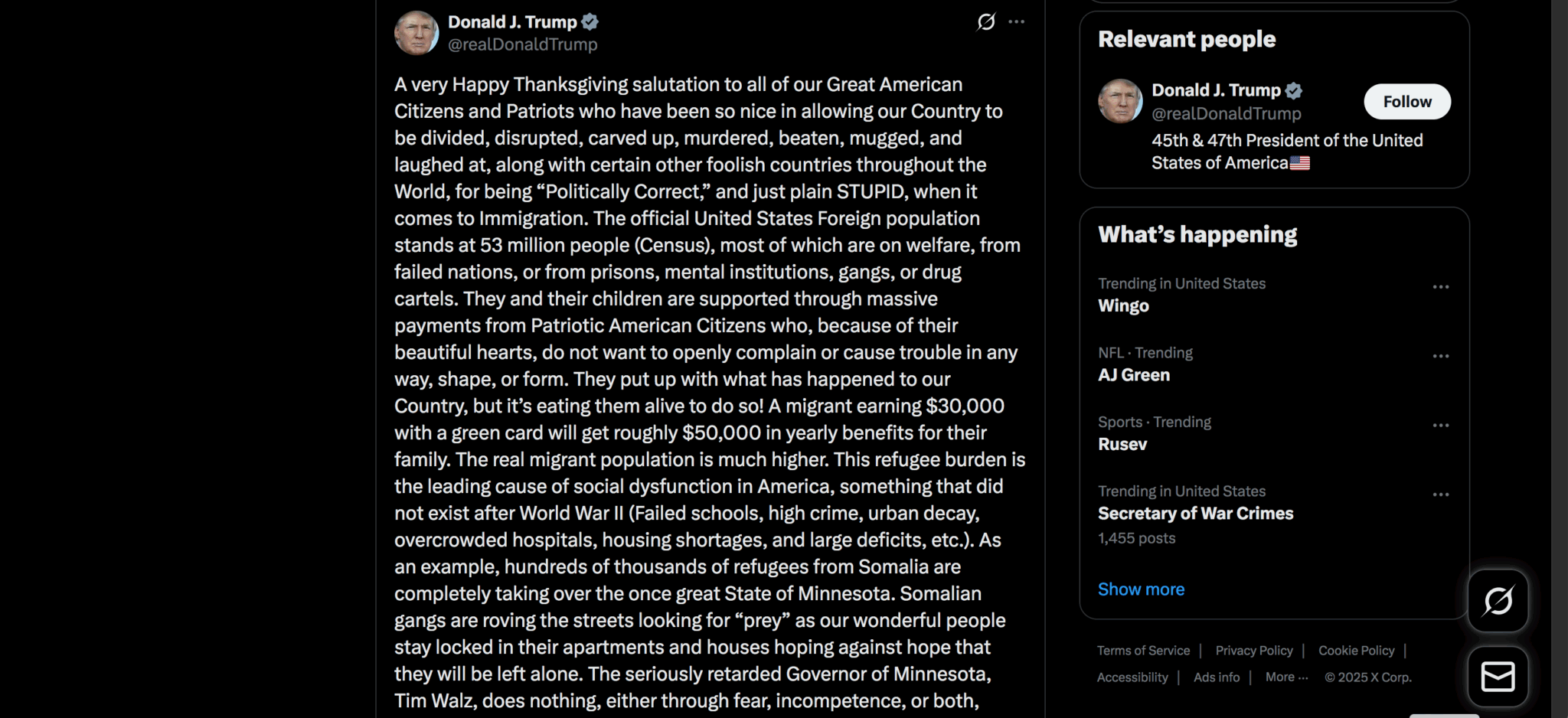
Trump vows ‘reverse migration’ —after CIA blowback?

President Trump called for “reverse migration” and a “major reduction in illegal and disruptive populations” in a racist late-night online rant. In the bizarre Thanksgiving message, Trump vowed to “permanently pause migration from all Third World Countries” and revisit immigration decisions made under his predecessor, Joe Biden. He said deportations will target “anyone who is not a net asset to the United States, or is incapable of loving our Country” or “non-compatible with Western Civilization.” Trump’s message followed the shooting of two National Guard soldiers in Washington DC, apparently by an Afghan refugee, Rahmanullah Lakanwal. In Afghanistan, Lakanwal reportedly served in the Zero Units: paramilitary forces backed by the CIA—notorious for conducting night raids on the homes of suspected Taliban collaborators. Rights groups have accused them of extrajudicial executions, enforced disappearances, indiscriminate airstrikes, and attacks on medical facilities. According to the New York Times, the brutality of the Zero Unit tactics took a toll on Lakanwal’s mental health, with a childhood friend recalling how he was disturbed by the casualties his unit had caused. (Image: Twitter)

East Asia
Hong Kong

Hong Kong bans self-declared ‘parliament’

Hong Kong issued written notices to two organizations that the government has promulgated orders to prohibit their operation, citing “reasonable grounds” to believe that they aim to subvert state power. In a statement, the Hong Kong Secretary for Security said the government believes that the self-declared Hong Kong Parliament and Hong Kong Democratic Independence Union broke the law by promoting “self-determination” for the territory and their drafting of a “Hong Kong Constitution.” The government deems these acts as falling under the prohibition on “overthrowing or undermining the basic system or authority of the People’s Republic of China or the authority of the Hong Kong SAR.” This is the first time the government has invoked section 60 of the Safeguarding National Security Ordinance since its unanimous vote of approval by the Special Administrative Region’s legislature last year. (Photo: antha26/Pixabay via JURIST)

Africa
DRC

ISIS franchise in new DRC attacks

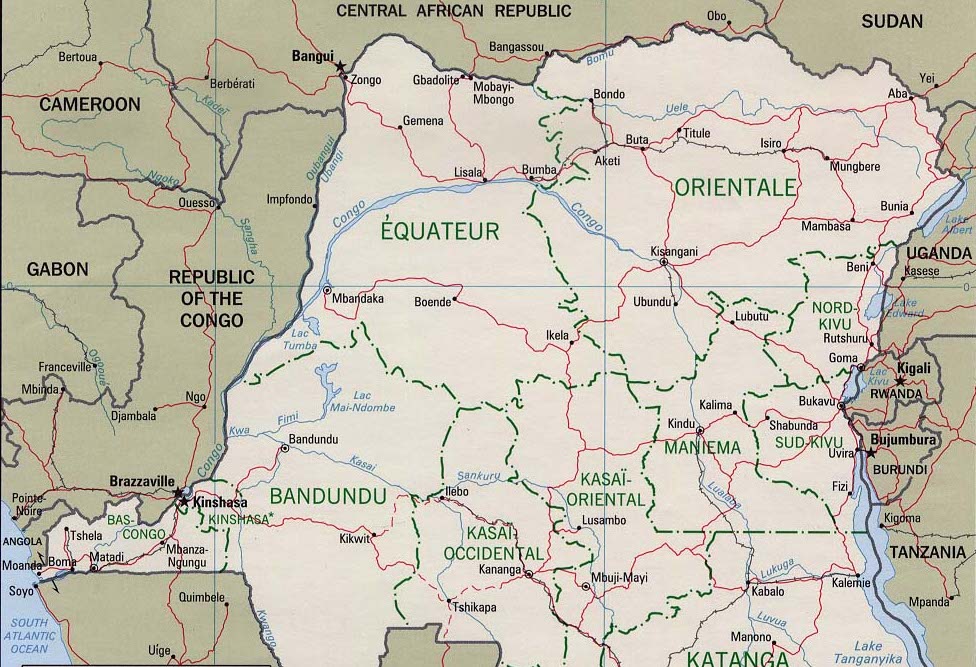
The UN decried a new attack on civilians by the Allied Democratic Forces (ADF) armed group in eastern Democratic Republic of the Congo (DRC). The UN described the incident as “one of the most appalling attacks” ever recorded in the country, and indicated that it may constitute a war crime. According to information gathered by the UN Organization Stabilization Mission in the DRC (MONUSCO), a series of deadly attacks took place across several localities in Lubero territory, North Kivu province, resulting in the deaths of 89 civilians, including 20 women and an unknown number of children. These attacks included a raid on a healthcare center where 17 patients were killed. Assaults on healthcare facilities are strictly forbidden under international humanitarian law, which mandates that medical units be respected and protected in all circumstances. Despite its unassuming name, the ADF is integrated into the Islamic State Central Africa Province (ISCAP). (Map: PCL)

Planet Watch
emissions

COP30 deal sidesteps fossil fuel transition

The world’s governments approved a new climate deal at the COP30 summit in BelĂ©m, Brazil, adopting the so‑called BelĂ©m Package, a bundle of decisions that calls for tripling outlays to help vulnerable countries adapt to intensifying climate impacts. The package references the Global Goal on Adaptation in the 2015 Paris Agreement, and an expanded “action agenda” to scale finance for locally led projects such as resilient agriculture and “nature‑based solutions.” However, efforts to secure a negotiated roadmap away from fossil fuels collapsed after days of deadlock. The final compromise text omits any explicit commitment to “transition away from” or “phase out” coal, oil and gas—despite sustained pressure from a large coalition of states and civil society groups to include such language. The major oil-producing countries resisted binding language on hydrocarbon reduction, while many developing countries tied their support for any resolution to assurances on finance and equity. (Photo: cwizner/Pixabay)

Europe
EuroParliament

Ex-MEP imprisoned in pro-Russia influence-buying

The former Wales leader of right-wing populist political party Reform UK, Nathan Gill, was imprisoned after pleading guilty to accepting bribes from Kremlin-linked figures. The Central Criminal Court sentenced Gill to 10 years and six months under the Bribery Act of 2010. Gill served as a member of the European Parliament from 2014 up to the UK’s withdrawal from the European Union in 2020. During the course of his membership, it was found that Gill accepted bribes in exchange for including pro-Russian rhetoric in his statements to EuroParliament. The man who arranged the bribes was identified as Oleg Voloshyn, a former pro-Russian Ukrainian MP who is a friend of Russian President Putin. Victor Medvedchuk, chairman of the pro-Russian Ukrainian political party Opposition Platform–For Life, was named as the source of the payments to Gill and initiator of the bribery scheme. (Photo: Steven Lek via Wikimedia Commons)

Africa
Chad

Chad: herder-farmer clashes amid climate crisis

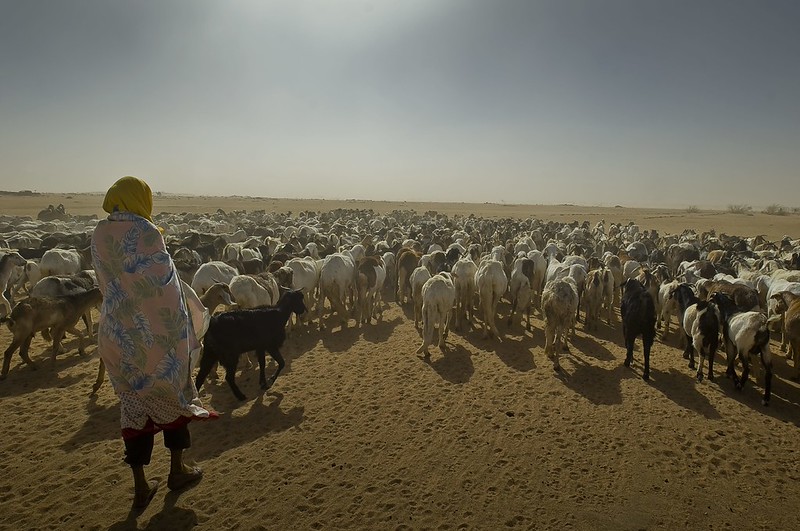
Amnesty International denounced authorities in Chad for their failure to protect victims of armed clashes between herders and farmers. The group documented seven instances of herder-farmer violence in four provinces since 2022, which resulted in 98 people dead, at least 100 injured, and 600 left without homes or sources of income. The clashes, concentrated in southern Chad, are said to be driven by climate change, population growth, and an influx of weapons and support from armed groups in the neighboring Central African Republic. Researchers stated that higher temperatures, desertification, and shrinking pasturelands in the center of the country have led herders to travel longer distances and settle in southern provinces where conditions are more conducive to livestock grazing. (Photo: European Commission/DG Echo via NASA Earth Observatory)

Syria
syria

Podcast: the new Syria in the Great Game

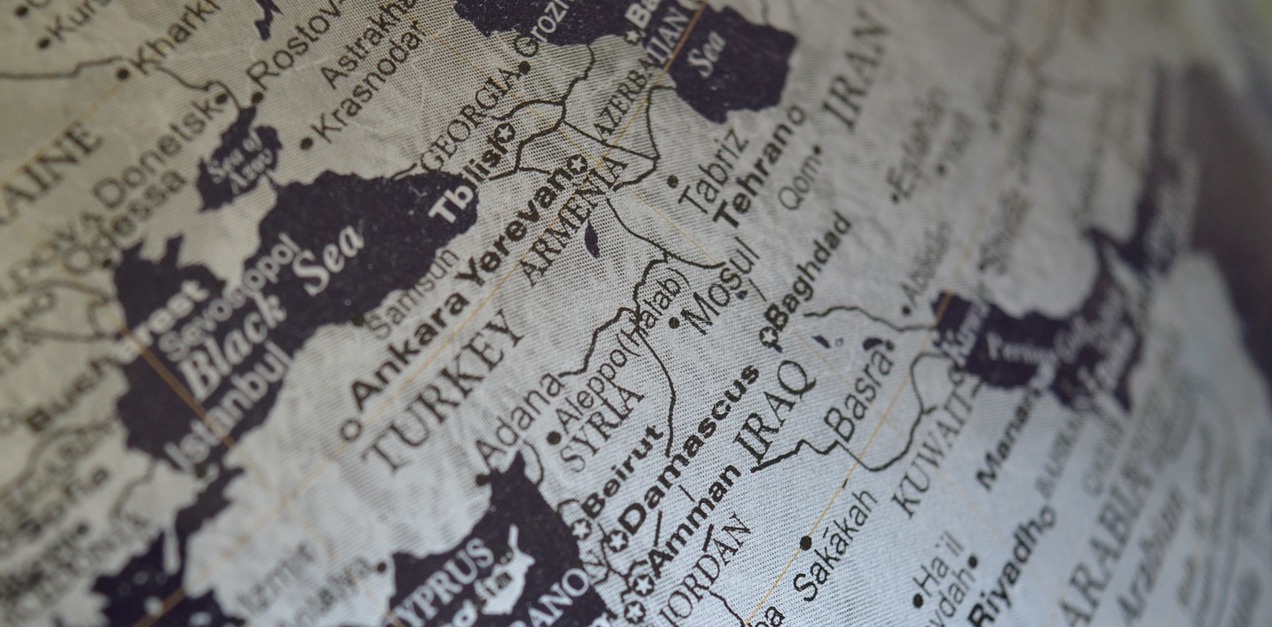
Syrian interim president Ahmed al-Sharaa’s White House meeting with Donald Trump followed the removal of his Hayat Tahrir al-Sham (HTS) from the list of designated “terrorist organizations” both at the State Department and at the UN. It also coincided with raids against ISIS by his security forces, raising the prospect of his government being invited to join the US-led Global Coalition to Defeat ISIS. The Washington visit also came just a month after al-Sharaa’s similar trip to meet Vladimir Putin in Moscow, where a deal was brokered allowing Russia to keep its military bases in Syria. Amid all this, Syria continues to see forced disappearances and other abuses targetting Druze, Alawites and Kurds—pointing to the looming threat of an ethnic or sectarian internal war. The US troop presence in Syria is largely embedded among the Kurdish forces in the east. As al-Sharaa becomes a new “anti-terrorist” partner (or proxy) for the Great Powers, will these troops be withdrawn—providing a “green light” for Damascus to attack the Kurdish autonomous zone? In Episode 305 of the CounterVortex podcast, Bill Weinberg weighs the risks at this critical moment in Syria’s transition process, nearly one year after the fall of the Assad dictatorship. (Image: Pixabay)

Palestine
Nur Shams camp

Israeli ‘crimes against humanity’ seen in West Bank

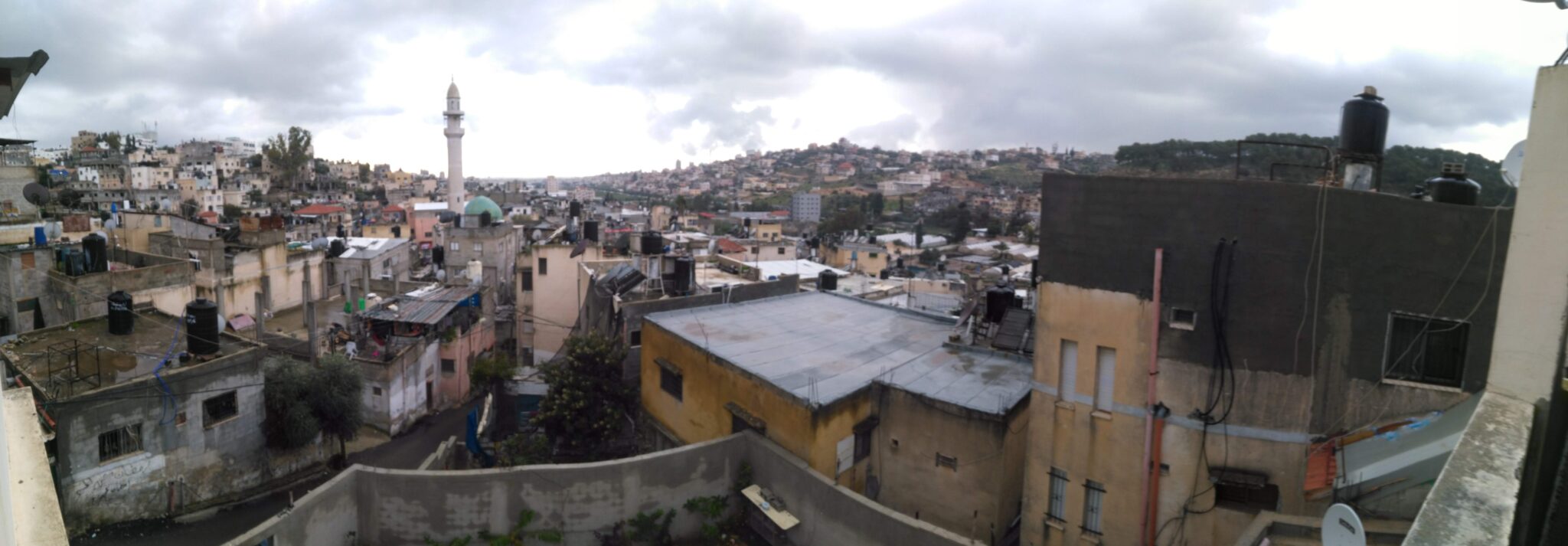
Israeli military operations in the northern West Bank constitute war crimes and crimes against humanity, Human Rights Watch said in a report documenting the forced displacement of approximately 32,000 Palestinians from three refugee camps beginning in January 2025. The report charges that Israeli forces carried out mass forcible displacements as part of a widespread attack on civilians, accusations that, if substantiated, would constitute crimes against humanity under international law. “The organized, forced displacement of Palestinians in the refugee camps has removed nearly the entire Palestinian population from these areas,” the report stated, noting that residents of Jenin, Tulkarm and Nur Shams camps have been denied the right to return nearly a year after the operations commenced. (Photo: Wikipedia)

Greater Middle East
MBS

Trump dismisses Saudi human rights concerns

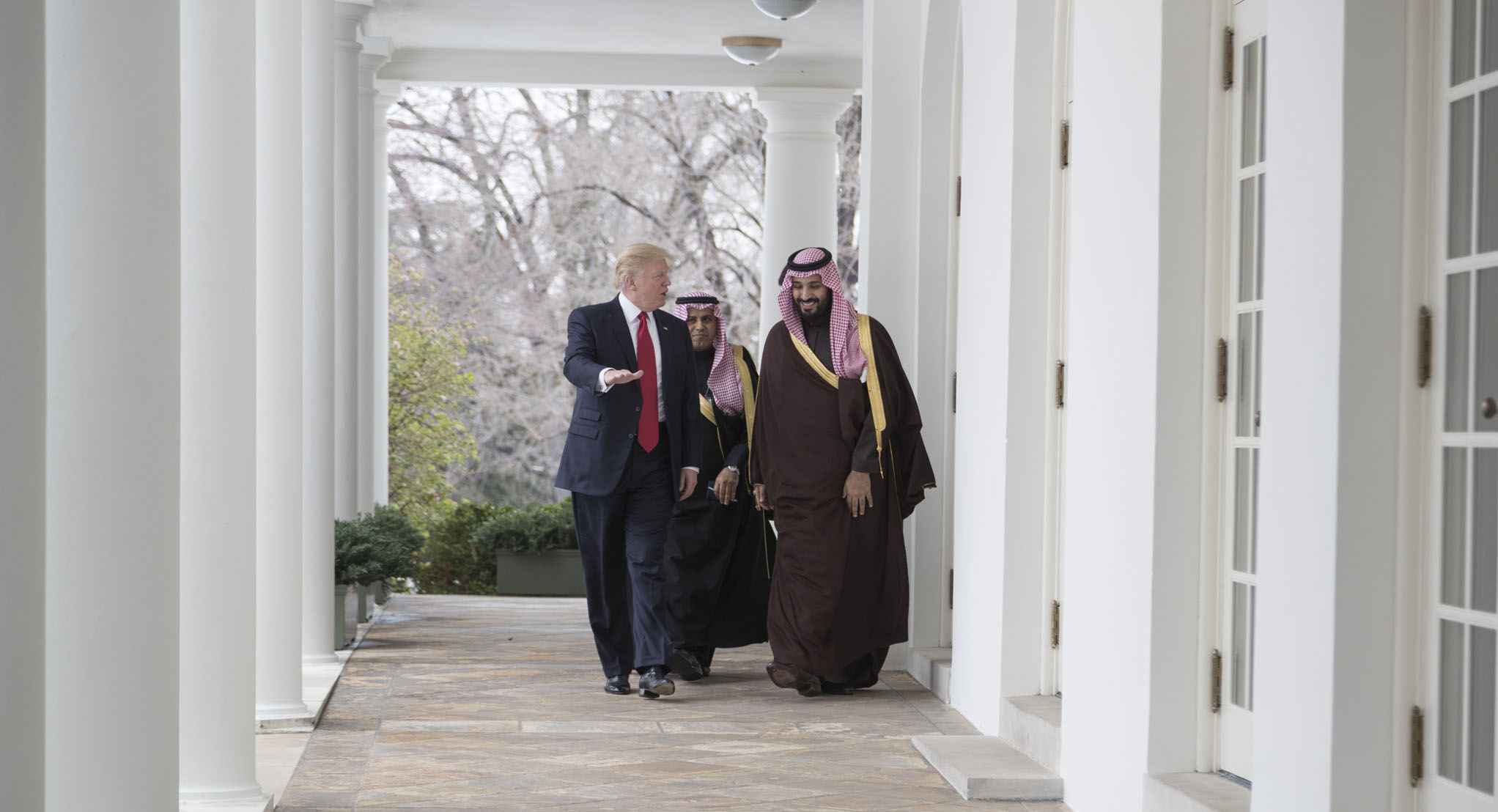
President Donald Trump praised Saudi Crown Prince Mohammed bin Salman as “incredible in terms of human rights” during an Oval Office meeting, preemptively deflecting questions about the kingdom’s extensive record of abuses as the crown prince pledged $1 trillion in US investments. The comments came despite weeks of pressure from human rights advocates urging Trump to confront the crown prince over Saudi Arabia’s recent grave abuses, an incomplete list of which is said to include record numbers of executions, torture of dissidents, systematic repression of women, and the killing of hundreds of Ethiopian migrants at the Yemen border. Human Rights Watch pointed out that Trump’s meeting with bin Salman came just five months after Saudi authorities executed journalist Turki al-Jasser, who had been arrested for social media posts critical of the regime in 2018 and charged with “high treason.” Executions in Saudi Arabia are carried out by beheading with a sword. (Photo of Mohammed bin Salman’s 2017 White House visit via Wikimedia Commons)

More Headlines

Featured Stories

Yarlung Tsangpo

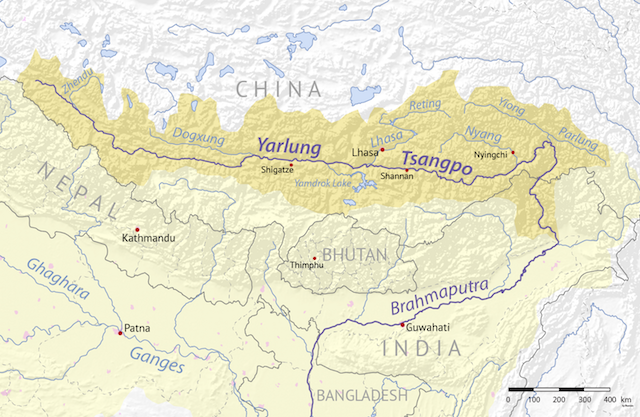
CHINA’S MEGA-HYDRO SCHEME SPARKS OUTCRY IN INDIA

The Chinese state’s hydro-electric activities on Tibet’s Yarlung Tsangpo River—known in India as the Brahmaputra—have long been a source of tension with the downstream countries of India and Bangladesh, which cite a risk of ecological disaster. Now Beijing has started building a colossal dam at the Tsangpo’s great bend in southeastern Tibet, close to the border with the Indian state of Arunachal Pradesh. Chinese Premier Li Qiang just attended the groundbreaking ceremony for the Medog Hydropower Station in Nyingchi, Tibet Autonomous Region, and hailed it as the “project of the century.” But the $168 billion hydro-dam, which will be the world’s largest when it is completed, is described by Arunachal Pradesh leaders as an “existential threat.” CounterVortex correspondent Nava Thakuria reports from Northeast India.

Continue ReadingCHINA’S MEGA-HYDRO SCHEME SPARKS OUTCRY IN INDIA 
Rojava

PKK DISSOLUTION: THE LONG FAREWELL TO VANGUARDISM

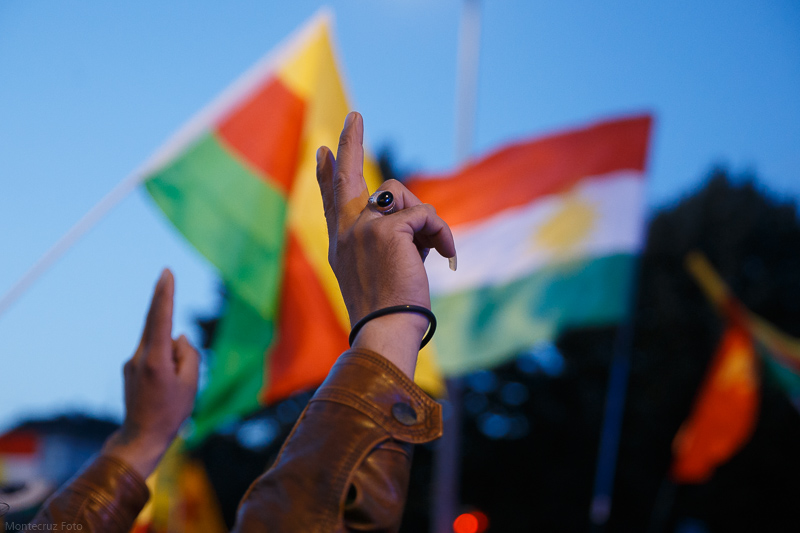
The formal dissolution of the Kurdistan Workers’ Party (PKK), which had waged an armed insurgency against the Turkish state since 1984, has implications beyond the borders of Turkey, as the ideology of imprisoned leader Abdullah Ă–calan has won a following among militant Kurds in Syria, Iraq, Iran and the greater diaspora. In an analysis for Britain’s anarchist-oriented Freedom News, writer Blade Runner argues that the PKK dissolution does not necessarily represent a retreat, but is the culmination of a long rethinking of the precepts of vanguardism, ethno-nationalism and separatism in favor of a broader strategic vision emphasizing gender liberation, pluralism and local democracy.

Continue ReadingPKK DISSOLUTION: THE LONG FAREWELL TO VANGUARDISM 
#Damascus4Palestine

FREE SYRIANS STAND UP FOR PALESTINE

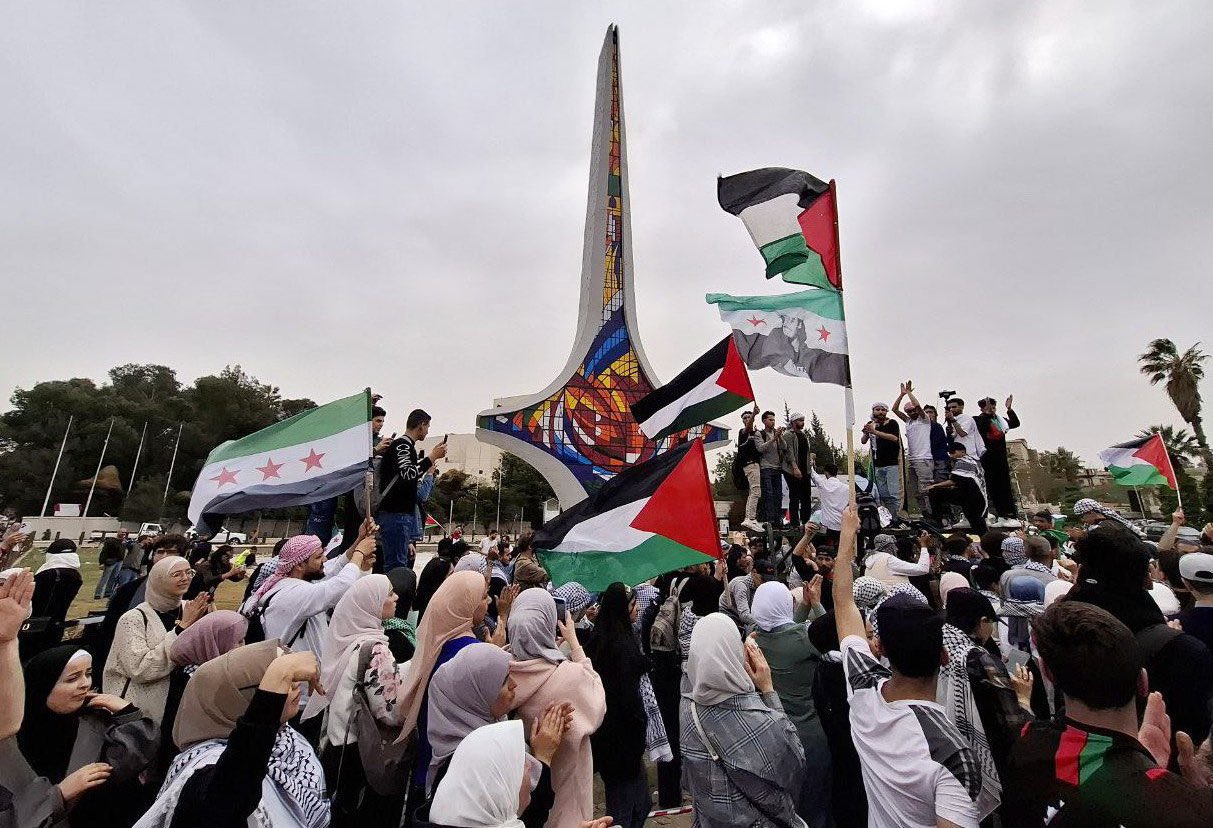
In an unprecedented wave of demonstrations across government-held territory, the Syrian people have taken to the streets not to challenge their own leadership, but to protest Israel’s ongoing human rights atrocities in Gaza and its repeated military strikes on Syrian soil. An explainer by JURIST breaks down what’s fueling the anger, what it signals about a country emerging from decades of harsh internal rule, and why Syrians are rallying around a cause that reaches well beyond their own country’s borders.

Continue ReadingFREE SYRIANS STAND UP FOR PALESTINE 
Leonard Peltier,

LEONARD PELTIER HEADS HOME —AT LAST

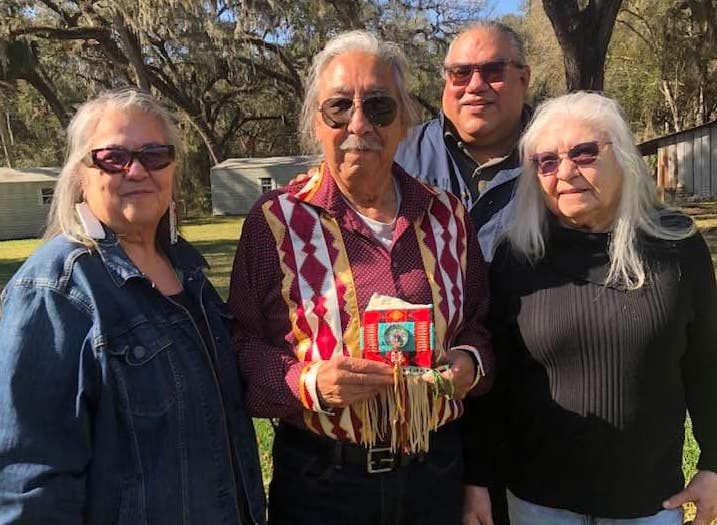
Native American activist Leonard Peltier, one of the longest-serving federal prisoners in US history, has been released to home confinement after spending nearly five decades behind bars. His imprisonment stems from a controversial 1977 conviction in the shooting deaths of two FBI agents on South Dakota’s Pine Ridge Indian Reservation, a case that has been harshly contested between activists and law enforcement for generations. As Peltier returns to his birthplace on North Dakota’s Turtle Mountain Indian Reservation, his case continues to raise questions about justice, reconciliation, and the relationship between the federal government and Native American nations. In an explainer for JURIST, Ingrid Burke Friedman looks back on his case and its legacy.

Continue ReadingLEONARD PELTIER HEADS HOME —AT LAST 

REVOLUTION 9

In a brief memoir written for Canada’s Skunk magazine, CounterVortex editor Bill Weinberg recalls his days as a young neo-Yippie in the 1980s. A remnant faction of the 1960s counterculture group adopted a punk aesthetic for the Reagan era, launched the US branch of the Rock Against Racism movement, brought chaos to the streets at Republican and Democratic political conventions, defied the police in open cannabis “smoke-ins” —and won a landmark Supreme Court ruling for free speech. The Yippie clubhouse at 9 Bleecker Street, the hub for all these activities, has long since succumbed to the gentrification of the East Village, but it survived long enough to provide inspiration to a new generation of radical youth during Occupy Wall Street.

Continue ReadingREVOLUTION 9 
paramilitaries

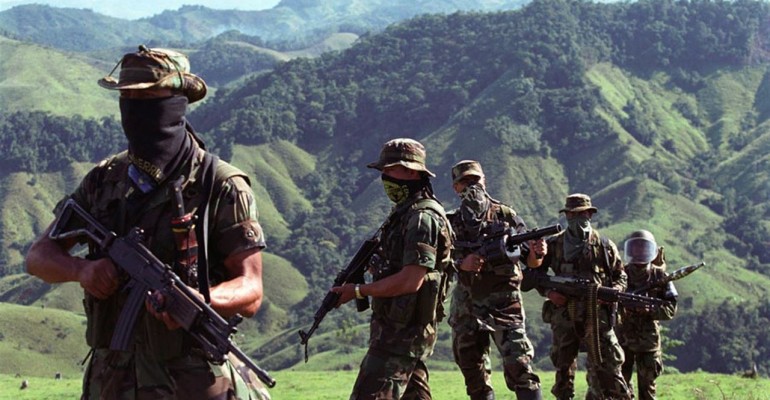
CHIQUITA TO PAY FOR PARAMILITARY TERROR IN COLOMBIA

In 2007, Chiquita—one of the world’s largest banana producers—admitted that for years it had been knowingly paying a Colombian terrorist organization to protect its operations in the country. The consequence was predictably violent, resulting in thousands of murders, disappearances, and acts of torture. This week, nearly two decades later, a federal jury in South Florida ordered the company to pay upwards of $38 million in damages in the first of multiple waves of wrongful death and disappearance lawsuits. In an explainer for JURIST, Ingrid Burke Friedman explores the factors that drove the multinational to make these payments, the consequences, and the legal impact.

Continue ReadingCHIQUITA TO PAY FOR PARAMILITARY TERROR IN COLOMBIA 
EZLN

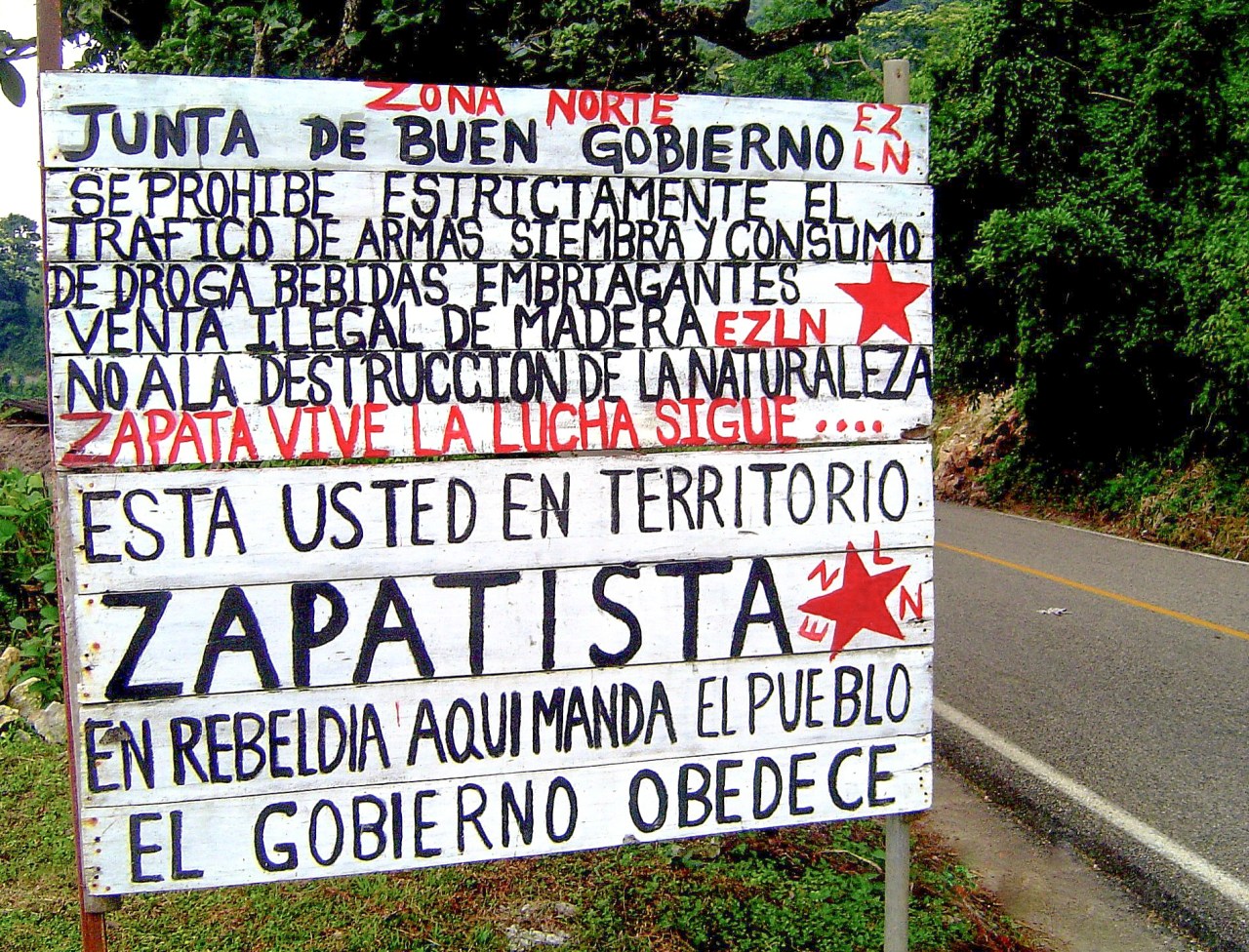
THE NEW ZAPATISTA AUTONOMY

Last week the Zapatista National Liberation Army (EZLN) released a declaration, setting out a new structure for the autonomous indigenous communities in Mexico’s southern state of Chiapas. Uri Gordon of the British anarchist journal Freedom spoke to Bill Weinberg, a longtime radical journalist in New York City, for insight into this change and its significance. Weinberg’s book about the Zapatistas, Homage to Chiapas: The New Indigenous Struggles in Mexico, was published by Verso in 2000. He spent much time in Chiapas and elsewhere in Mexico during the 1990s, covering the indigenous movements there, prominently including the Zapatistas. In recent decades he has reported widely from South America and is now completing a book about indigenous struggles in the Andes, particularly Peru. He continues to follow the Zapatistas and Chiapas closely, and covers world autonomy movements on his website CounterVortex. In this interview, he explores new pressures in the encroachment of narco-paramilitaries on their territories as a factor prompting the Zapatistas’ current re-organization, and how it actually represents a further localization and decentralization of the movement.

Continue ReadingTHE NEW ZAPATISTA AUTONOMY 
Siberia Pipeline

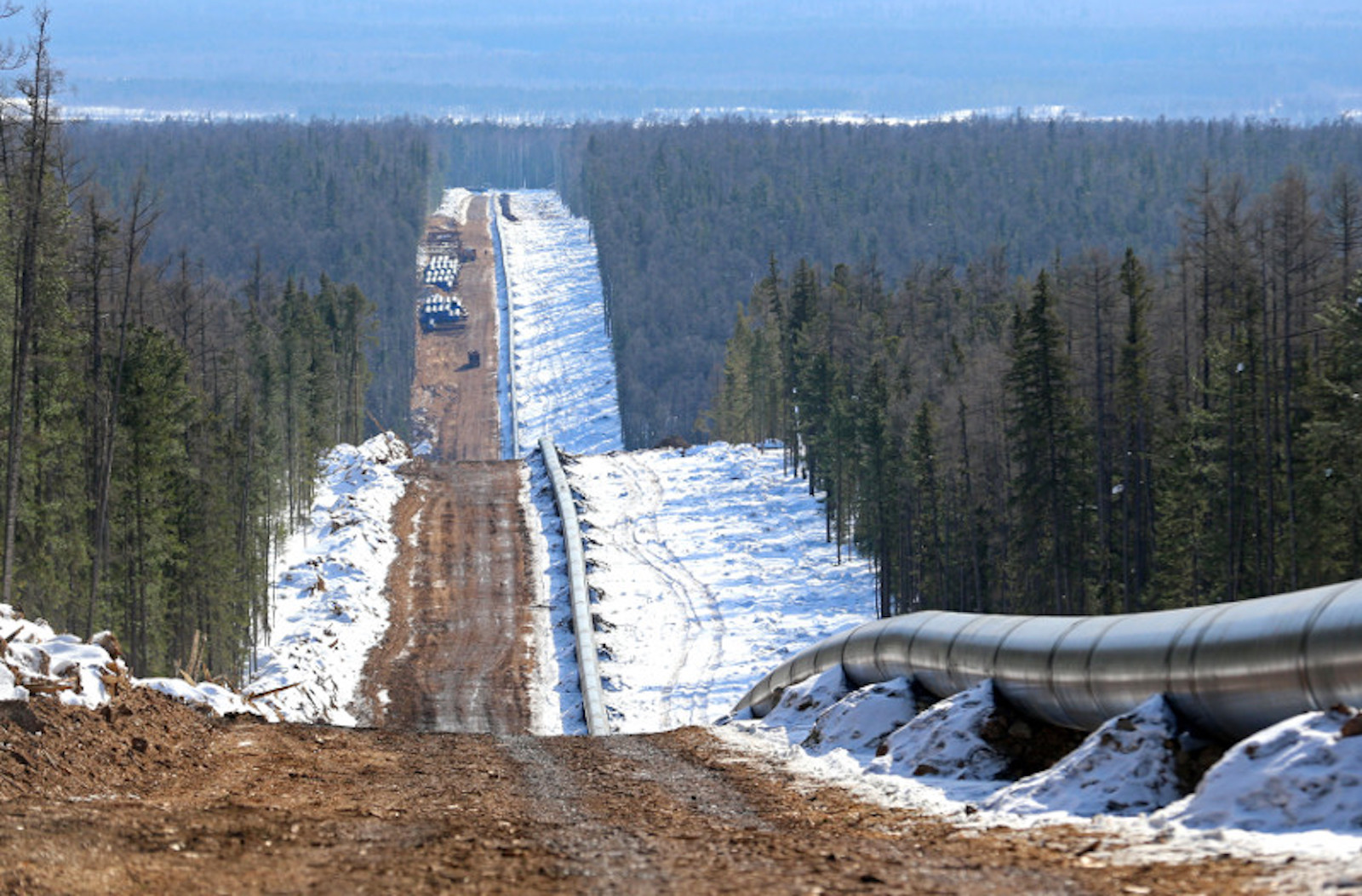
GAS INTRIGUES, ECOLOGY AND THE UKRAINE WAR

Over the past decades, Russia has sought to expand natural gas exports, necessitating construction of pipelines to Europe and China. In addition to profits for the Russian state, fossil fuel exports are a valuable tool for Moscow’s geopolitical ambitions. Since the start of the war in Ukraine in 2014 and the full-scale invasion in 2022, the economic and political stakes have skyrocketed. Russia”s green movements had previously been able to mobilize effective campaigns, winning concessions on pipeline routes through natural areas. Since 2014, however, they have come under increasingly harsh scrutiny from the Russian government, with organizations branded “undesirable” or declared “foreign agents.” Control of pipelines routes through Ukraine itself are also a goad of the Russian war effort. Eugene Simonov and Jennifer Castner of the Ukraine War Environmental Consequences Work Group demonstrate how war fever and militarization threaten resources and ecology across the Russian Federation as well as in Ukraine.

Continue ReadingGAS INTRIGUES, ECOLOGY AND THE UKRAINE WAR 
Ukraine tribunal

UKRAINE’S DIFFICULT PATH TO JUSTICE

This August, Ukraine’s capital of Kyiv hosted a large international conference entitled “Special Tribunal for the Crime of Aggression against Ukraine: Justice to be Served.” The conference was aimed at reinvigorating global efforts to prosecute the crime of aggression against Ukraine—a crime which cannot be prosecuted under the current jurisdictional regime of the International Criminal Court. Many in Ukraine believe that justice can be served only when a fully-fledged international special tribunal for the crime of aggression is created. However, some of Ukraine’s most powerful allies endorse a “hybrid” tribunal, such as those created for Sierra Leone and Cambodia—which would rely in large part on Ukrainian national law and raise questions about the reach of jurisdiction. Despite optimistic expectations at the beginning of the year, disagreements between Ukraine and its allies have left some wondering: in the end, will justice indeed be served? International law scholars Mariia Lazareva of Ukraine’s Taras Shevchenko National University and Erik Kucherenko of Oxford provide an analysis for Jurist.

Continue ReadingUKRAINE’S DIFFICULT PATH TO JUSTICE 

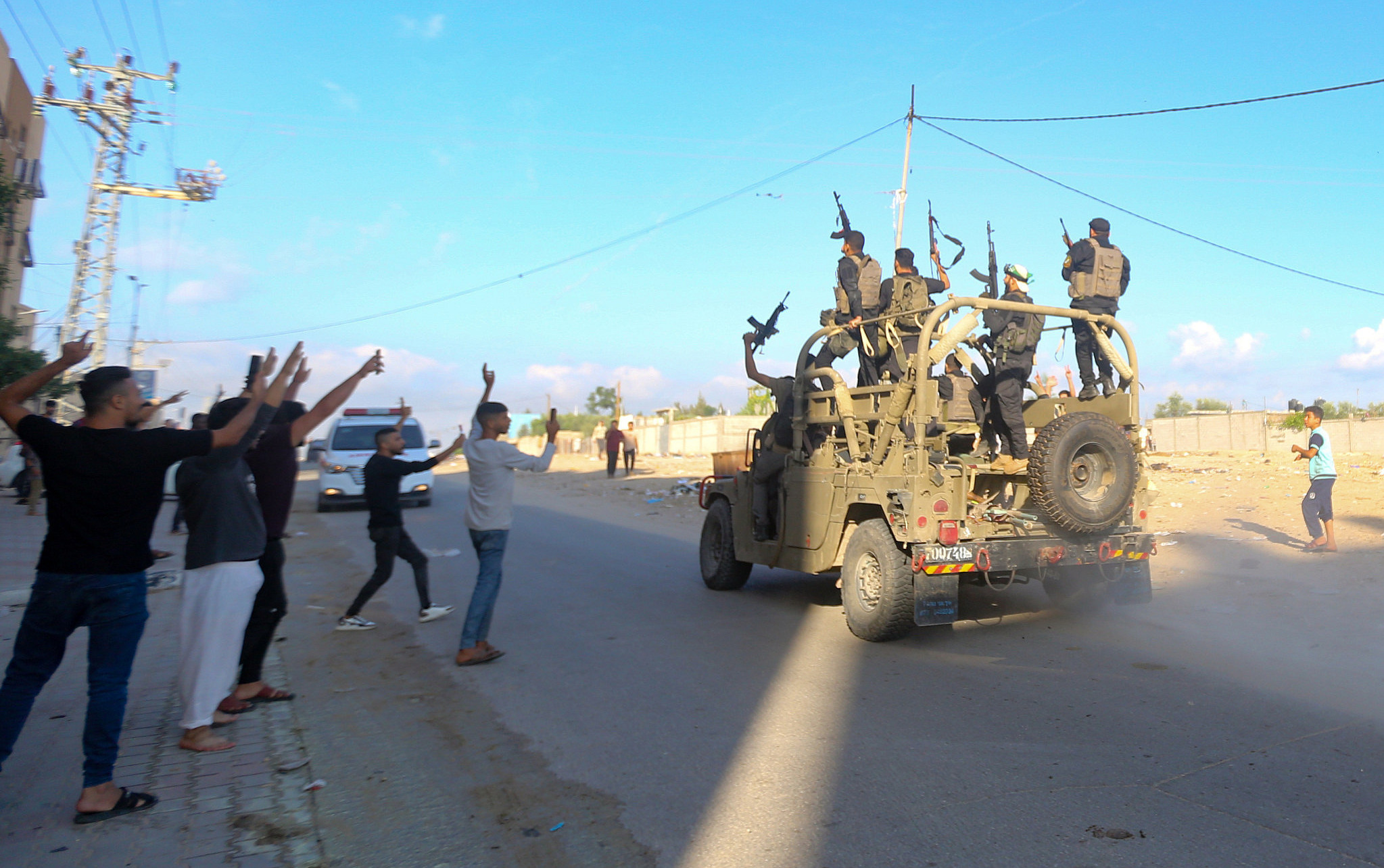
GAZA’S SHOCK ATTACK: UNVEILING THE CONTEXT

The shock attack from the Gaza Strip has terrified Israelis, and the government appears to be preparing a massive retaliation. But writing for Israel’s independent +972 Magazine, Haggai Matar insists that the current horror must bring home the overwhelming context. Contrary to what many Israelis are saying, this is not a “unilateral” or “unprovoked” attack. The dread Israelis feel now is a sliver of what Palestinians have experienced daily under the decades-long military regime in the West Bank, the siege and repeated assaults on Gaza. In recent months, hundreds of thousands of Israelis have been marching for “democracy and equality” across the country, with many even saying they would refuse military service because of this government’s authoritarian turn. What those protestors and reserve soldiers need to understand—especially now, as many of them announce they will halt their protests to join the new war on Gaza—is that Palestinians have been struggling for those same demands for decades, facing an Israel that to them is already, and has always been, completely authoritarian.

Continue ReadingGAZA’S SHOCK ATTACK: UNVEILING THE CONTEXT 
Crimean Tatars

CRIMEA: UKRAINE’S OTHER NATIONAL LIBERATION STRUGGLE

Many would-be “peacemakers” on the political right as well as on the political left have “very helpfully” suggested that Ukraine should give up some territories, which they describe as “Russian-speaking,” in order to appease the aggressor. When these self-styled “peacemakers” lay out exactly how Ukraine should be unmade piece by piece, Crimea is always the first territory mentioned. Crimea is, we are told, the most “Russian speaking” region in Ukraine, and voted for union with Russia in 2014. In an analysis for CounterVortex, Kyiv-born writer and activist Yevgeny Lerner debunks both these claims. Not only was the 2014 referendum illegitimate, but the “Russian speaking” majority in the region was effected through generations of ethnic cleansing of its indigenous inhabitants: the Crimean Tatars. The struggle of the Crimean Tatar people for land recovery and territorial autonomy is now unified with the general struggle of Ukraine for national survival against Russian aggression.

Continue ReadingCRIMEA: UKRAINE’S OTHER NATIONAL LIBERATION STRUGGLE 
kharkiv

UKRAINE: DEBUNKING RUSSIA’S WAR PROPAGANDA

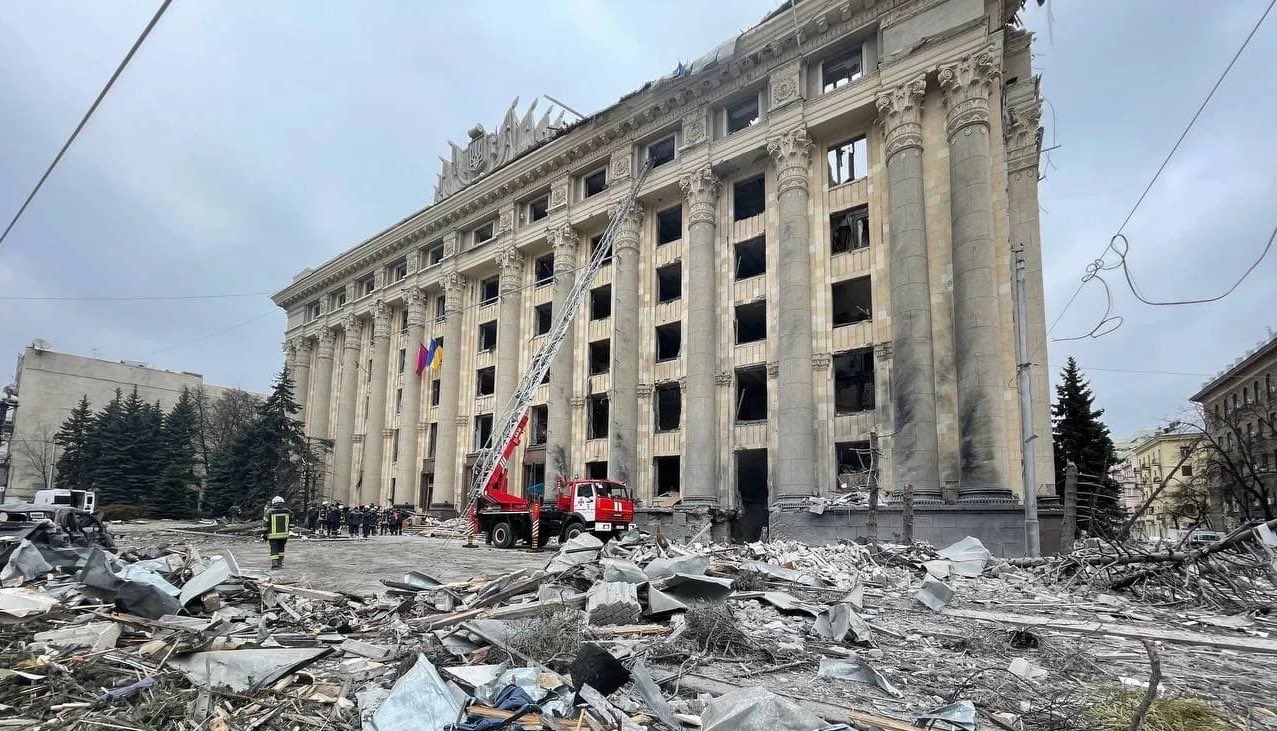
In a special analysis for CounterVortex, Bill Weinberg debunks Vladimir Putin’s “de-Nazification” propaganda for his invasion of Ukraine, a paramount example of the ultra-cynical phenomenon of paradoxical fascist pseudo-anti-fascism. The Ukrainian state that he demonizes as “Nazi” has been experiencing a democratic renewal since the Maidan Revolution, as Russia has descended into autocratic dictatorship. Putin’s stated justifications for the Ukraine war are either paranoid delusions or outright lies. His real objectives are to rebuild the Russian Empire, re-establish the Russian dictatorship, and exterminate Ukraine as a cultural and political entity. These are the open aims of Alexander Dugin, the intellectual mastermind of Putin’s revanchist imperial project, and the political heir of Ivan Ilyin, the 20th century theorist of “Russian Fascism.”

Continue ReadingUKRAINE: DEBUNKING RUSSIA’S WAR PROPAGANDA