Bolivia: soy boom fuels Santa Cruz unrest
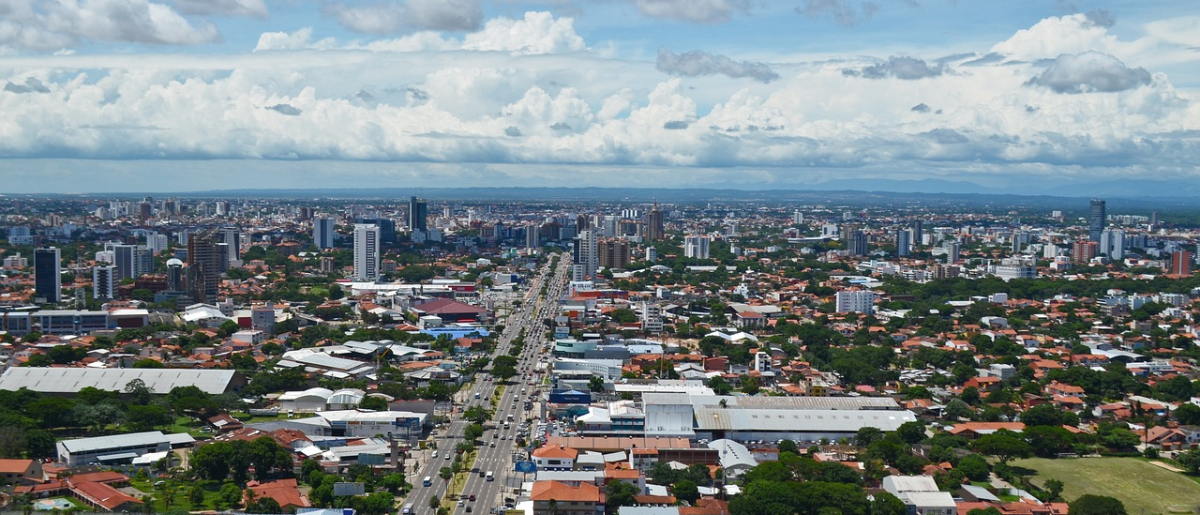
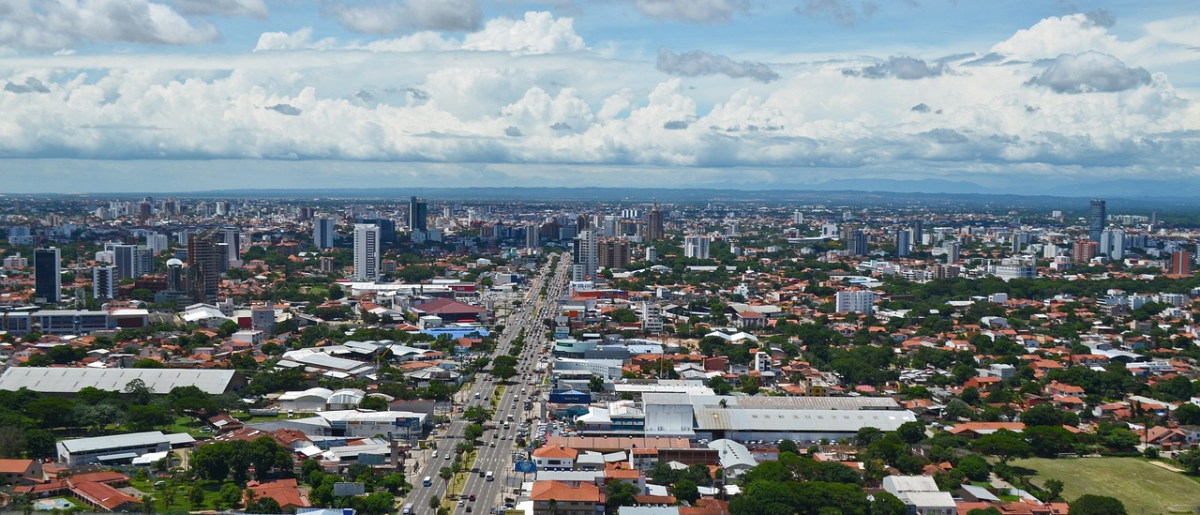
Santa CruzBolivia's eastern lowland city of Santa Cruz has been rocked by roadblocks and street clashes since an indefinite paro (civil strike) was called by right-wing opposition groups last month. With the open support Santa Cruz departmental governor Fernando Camacho, strikers are demanding that a new census be held next year rather than in 2024, as is currently scheduled. The last census was in 2012, and the region's population has swelled with an influx of migrants since then. At issue is greater funding for the department, and more slated congressional seats ahead of the 2025 elections. Resentment against the central government is in large part driven by the designs of the region's land barons to expand the agricultural frontier into the expansive terrains declared off-limits as protected areas, reserves for indigenous peoples, or the titled holdings of campesino communities. A boom in soy and beef for export is especially fueled by Chinese investment and market demand. (Photo: Pixabay)

The Andes
Bolivia protest

Mass protests paralyze Bolivia

Protesters have launched blockades across main roads through Bolivia over the past days, effectively cutting off La Paz and other cities, to oppose the government’s postponement of new presidential elections. The blockades have raised fears of food and gasoline shortages, with… Read moreMass protests paralyze Bolivia

The Andes
FELCC

‘Anti-terrorist’ militarization in Bolivia

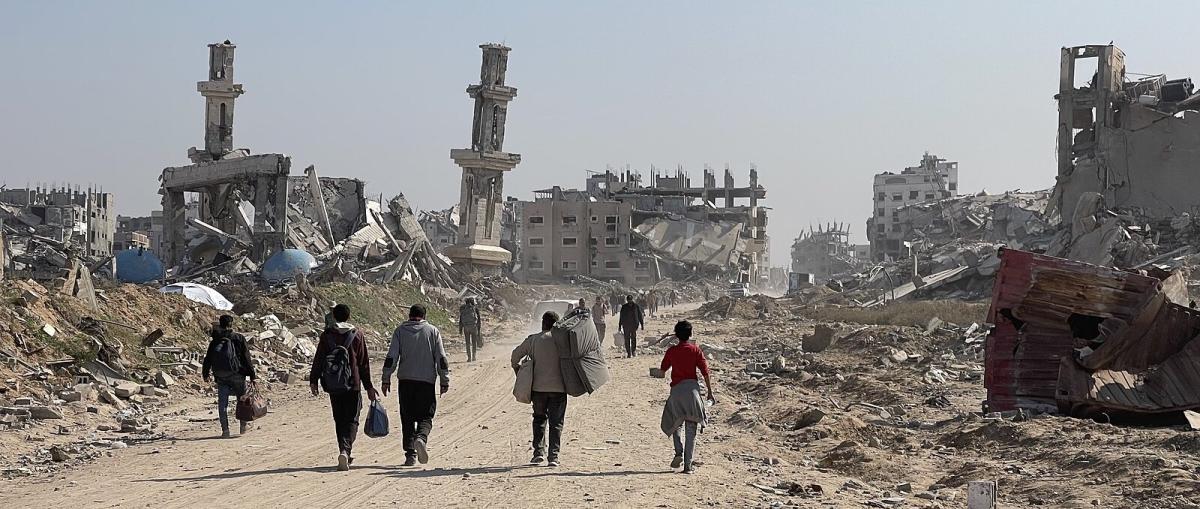
GazaIsraeli Prime Minister Benjamin Netanyahu said that he has ordered the Israeli military to take over 70% of the territory of the Gaza Strip, adding: "Let's start with that." Defense Minister Israel Katz meanwhile said the government is planning for large numbers of Palestinians to leave the enclave "at the right time and in the right manner"—which rights groups say amounts to ethnic cleansing. As global attention has shifted elsewhere, Israel has created its own facts on the ground by progressively inching forward the so-called "yellow line" demarcating its area of control. More than 60% of Gaza's territory currently falls within this line, and the Israeli military regularly kills and injures Palestinians in the vicinity of the shifting boundary. (Photo: Jaber Jehad Badwan via Wikimedia Commons)

The Andes
Rafael Quispe

Bolivia: signs of de-escalation following dialogue

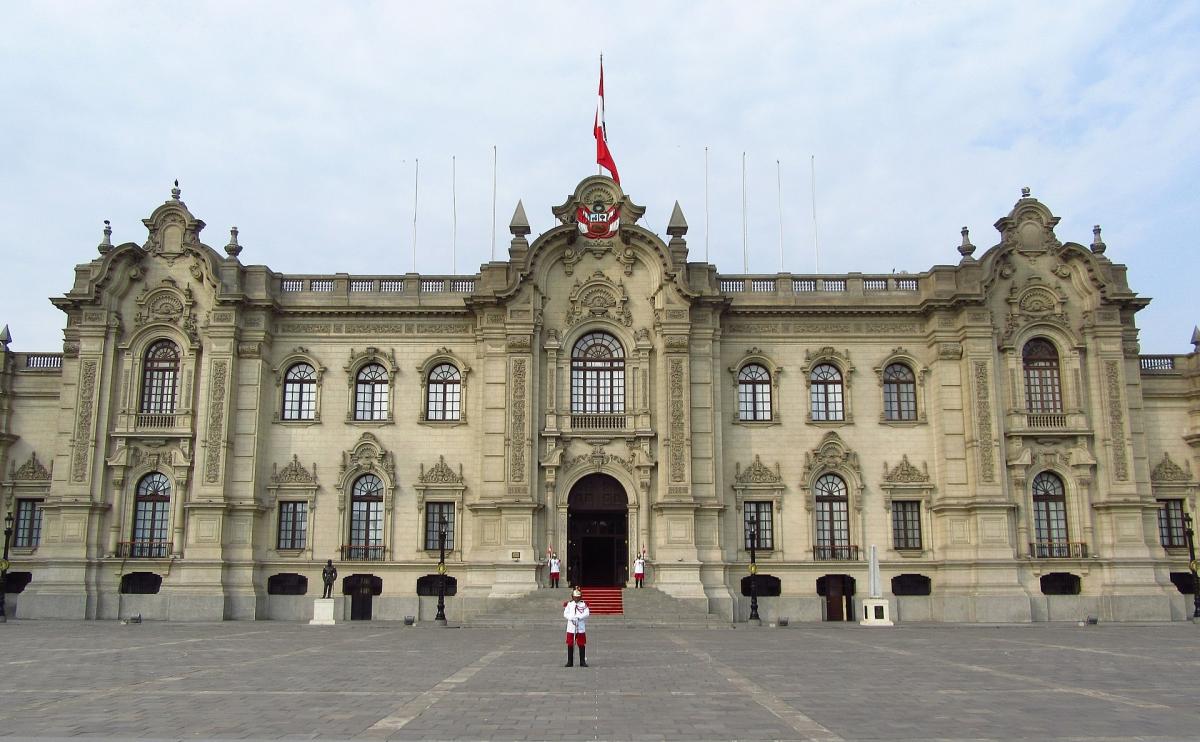
PresidenciaPeru's government made a $462 million payment to US defense contractor Lockheed Martin for purchase of 12 ‌F-16 fighter jets, the first installment in a controversial multi-billion-dollar deal that triggered the resignation of two top ministers. In stepping down, Defense Minister Carlos Díaz and Foreign Minister Hugo de Zela cited their opposition to interim President José Balcázar's attempt to delay the deal. The payment came days after a $2 billion contract for the F-16s was signed by an official in Peru's Air Force—over the head of Balcázar, who was informed of finalization of the deal only after the fact. (Photo: Wikipedia)

The Andes
Sacaba

Massacre of indigenous protesters in Bolivia

paramilitariesUN experts welcomed Colombian President Gustavo Petro's ratification of the 1989 International Convention against Recruitment, Use, Financing & Training of Mercenaries. The experts praised the signing of what amounts to a new anti-mercenary legislative package, calling it an essential step toward protecting human rights and upholding international legal obligations. Colombia has experienced a decades-long armed conflict that began with the formation of guerrilla groups, notably the FARC and the ELN. Paramilitary groups later emerged to fight the guerrillas. Following a landmark peace agreement with the FARC in 2016 and ongoing negotiations with the ELN that began in 2018, violence levels have been reduced. But the protracted conflict has led to a profusion of armed actors and fueled the growth of private military and security companies (PMSCs). (Photo: Contagio Radio)

The Andes
Evo Morales

Bolivia: Evo Morales resigns amid ‘civic coup’

MinabAmnesty International called for those responsible for a US strike on an Iranian school to be held accountable. The Feb. 28 strike on the girls' school in Minab, in southern Iran, killed over 100 children. Amnesty's Evidence Lab conducted an investigation into the strike, analyzing over 30 satellite images and reviewing official statements, media reports, and witnesses accounts. The group found that the school was hit by precision-guided munitions, and additionally uncovered that the US may have relied on outdated intelligence to conduct the strike. This would constitute a violation of international law—specifically the duty to verify that an intended target is a military objective. While the school was located adjacent to a military compound of the Islamic Revolutionary Guard Corps, satellite images show that the building had been physically separated from the compound by construction of perimeter walls at least since from 2016. (Photo: Mehr via Wikimedia Commons)

The Andes
Bolivia protest

Bolivia: protests as Evo victory contested

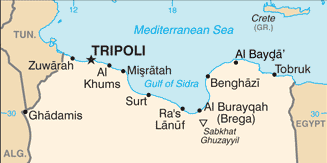
LibyaThe Libyan Attorney General's Office announced the discovery of a mass grave containing the remains of 21 bodies near Benghazi. Investigators have ordered that DNA samples be collected from the remains to identify the deceased and that full autopsies be carried out to determine causes of death. Refugees in Libya, a Libyan-run organization registered in Italy that provides support for refugees, urged the International Criminal Court prosecutor, Karim Khan, to "assess this case within the Court's mandate." The group further implicated EU policies: "The killings…occurred within a system where people are blocked, intercepted, returned, and abandoned in Libya after being denied safe pathways to protection. This demands accountability beyond Libya."  (Map: Perry-Castañeda Library)