Podcast: world revolution & the digital contradiction
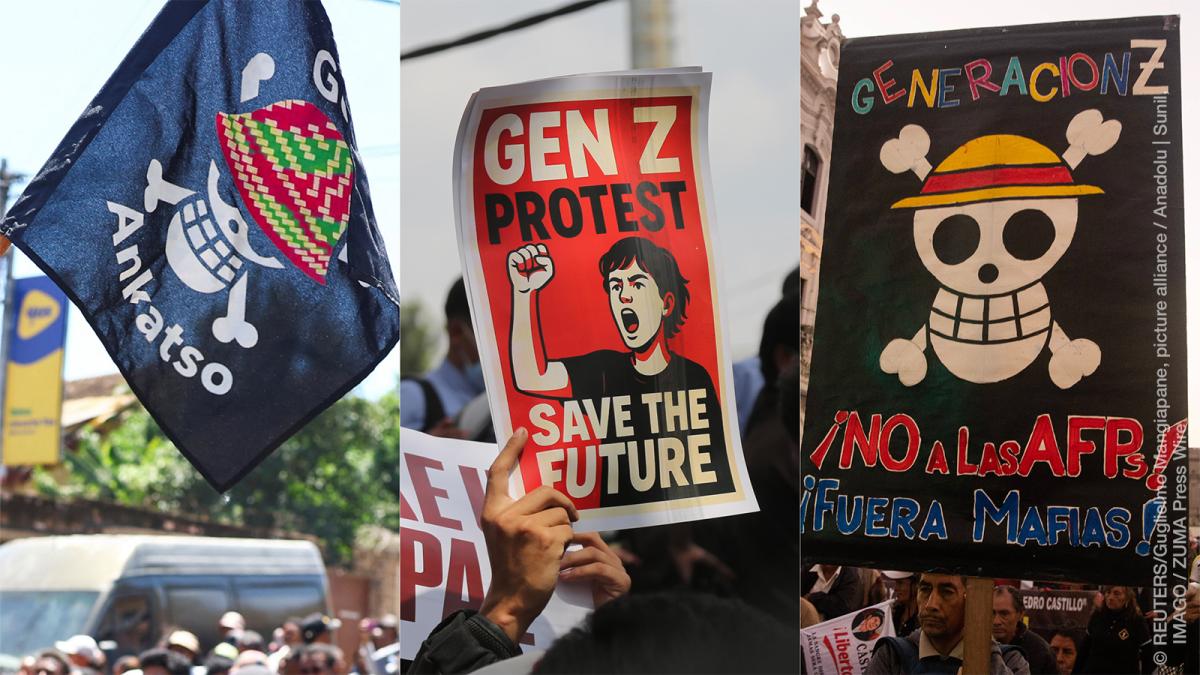
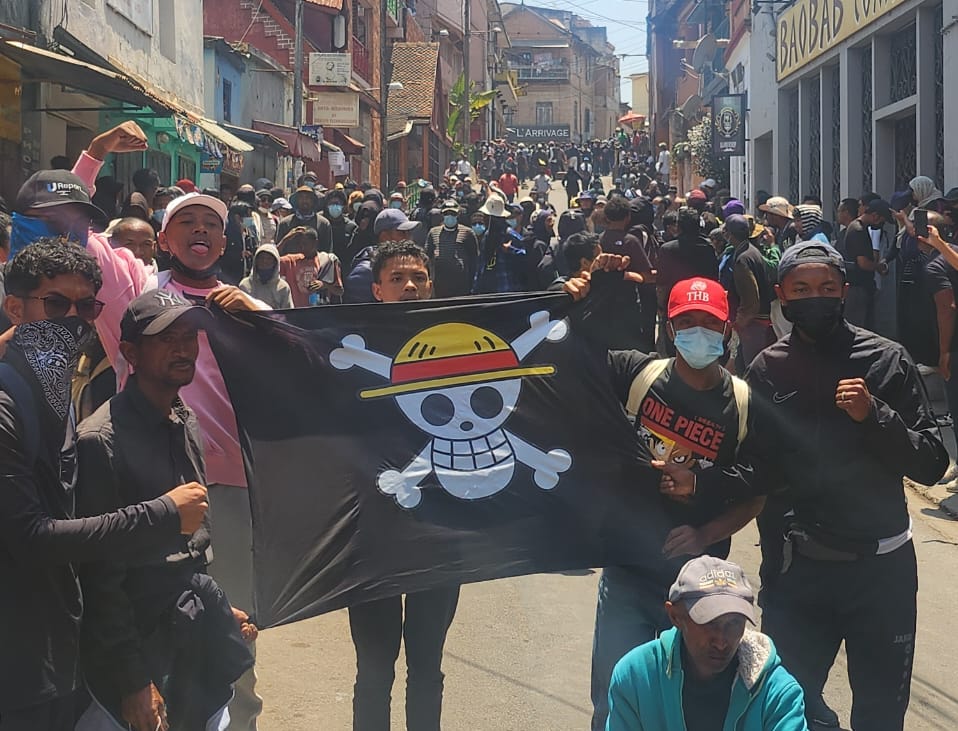
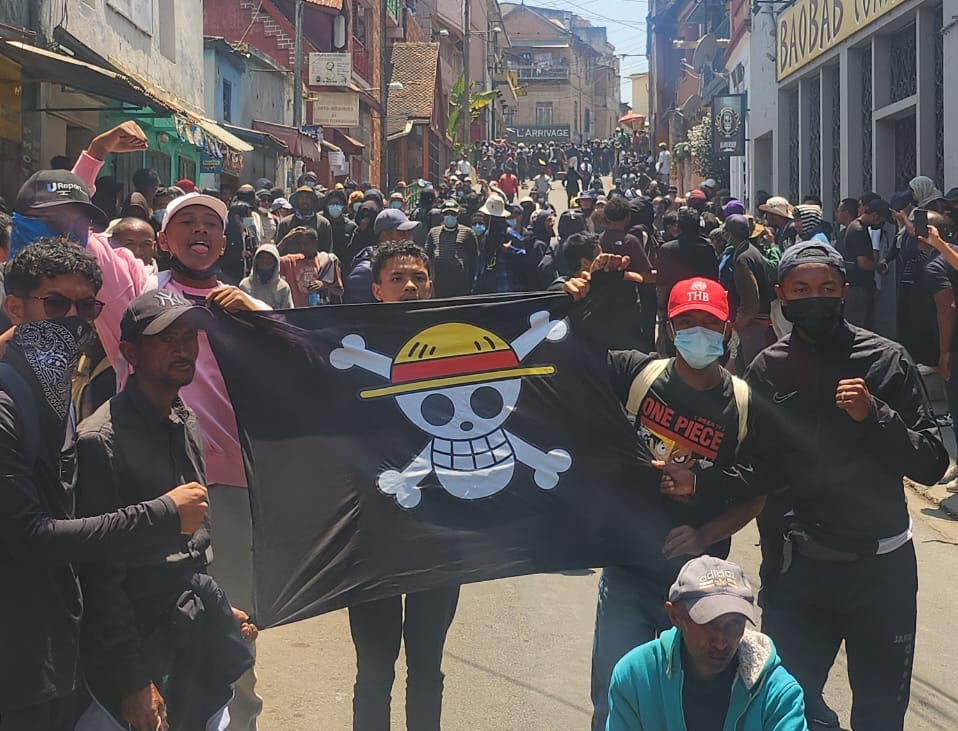
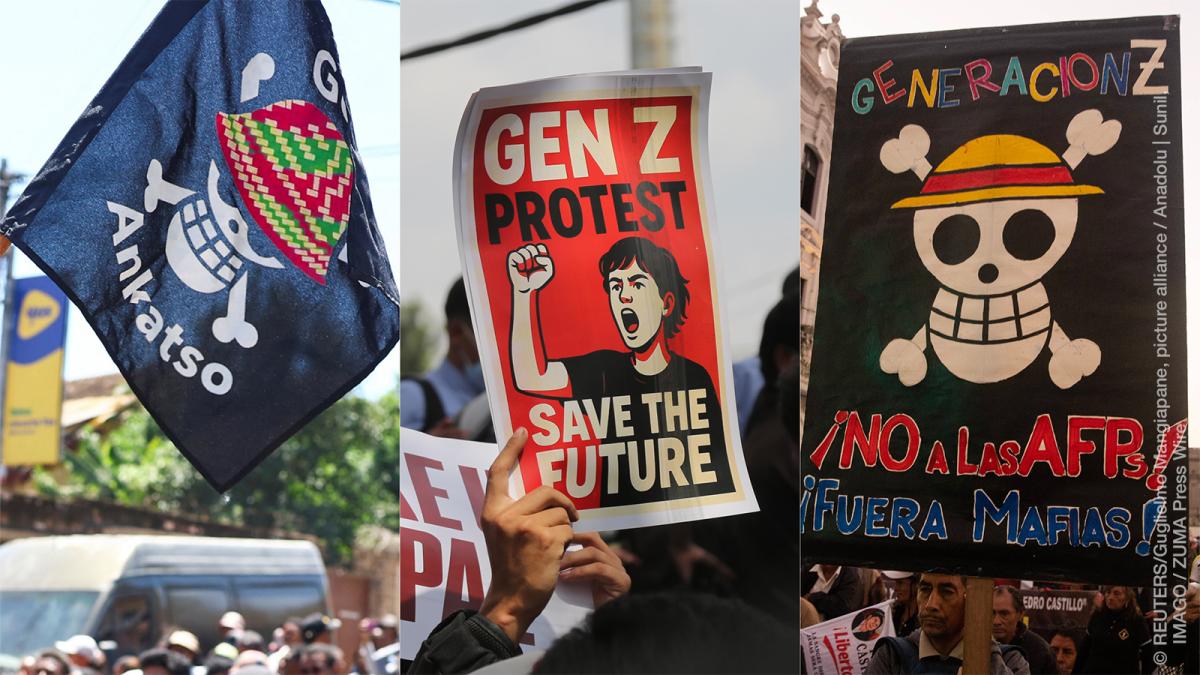
Gen ZProtests break out in Russia over the new internet restrictions imposed by the Putin regime, while social media and instant messaging have become the "new public square" for the Gen Z protests that have swept the planet over the past months. Exemplifying the identification with online culture, a pirate flag from a Japanese anime series has become the global emblem of the Gen Z resistance. The new youth social media bans in a growing number of countries are opposed by human rights and civil-liberties groups for good reason. Yet the dystopian side of digital technology becomes more apparent each day—from the climate impacts of data centers, to cynical attempts to sell nuclear power as "clean energy" (sic!) to meet the surging electricity demand, to the digital colonization of human consciousness. Protests are also emerging to the new techno-fascism, and this critique must be central to any true oppositional movement. In Episode 321 of the CounterVortex podcast, Bill Weinberg grapples with the contradiction. (Composite image via GIGA. Gen Z protesters in different countries use appropriated image from One Piece manga. Fair use rights asserted.)
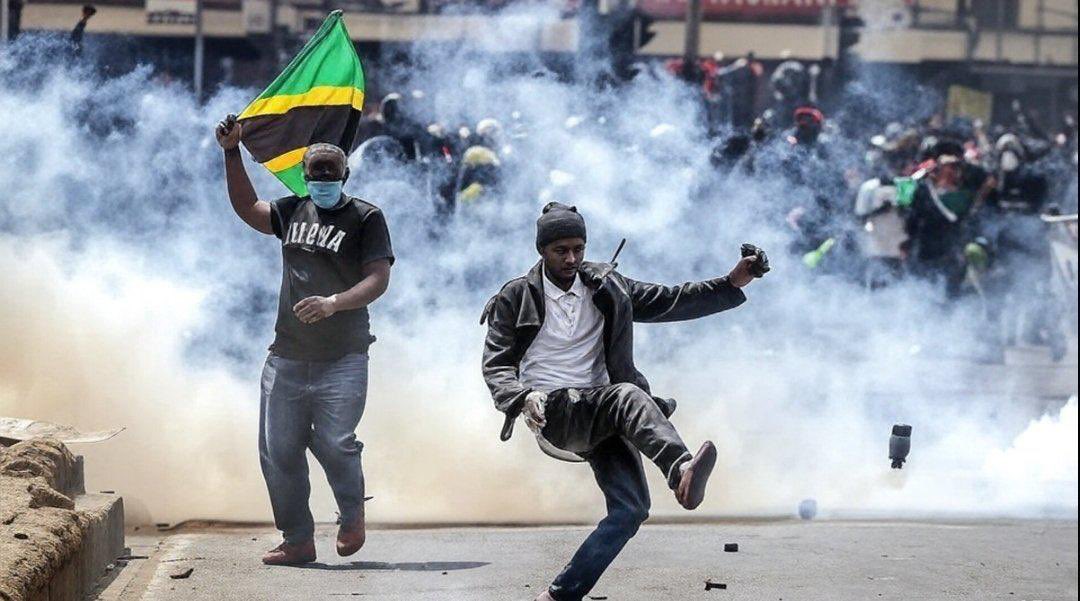
Post-electoral violence rocks Tanzania

​​TanzaniaProtests have escalated in Tanzania following elections widely viewed as a sham. Violence erupted on polling day over the exclusion from the ballot of President Samia Suluhu Hassan's two biggest challengers, and increasing government repression. The protesters defied a heavy security presence to target polling stations, police vehicles, and businesses connected to the ruling party, some chanting "We want our country back!" An unknown number of people were shot dead, and Amnesty International has called for an investigation. Protests continue despite an internet blackout and the deployment of soldiers to enforce a lockdown. (Photo via Twitter)

‘Gen Z’ uprisings in Morocco, Madagascar

MadagascarYouth-led protests demanding better education and healthcare in Morocco escalated into violent clashes with security forces. The protests were organized online by a loose network calling itself "GenZ 212," after Morocco's country code. In the southern cities of Tiznit, Inzegane and Ait Amira, as well as the eastern city of Oujda and Temara near the capital Rabat, hundreds of protesters hurled stones at security forces attempting to disperse the gatherings. At least two protesters were killed when police opened fire in Lqliaa, near the coastal city of Agadir. But there was far worse violence in Madagascar, where President Andry Rajoelina announced the dissolution of the government in response to youth protests over power and water shortages. The UN criticized Malagasy authorities' response to the demonstrations, reporting at least 22 people killed and hundreds injured. The Madagascar demonstrations were also organized under the banner of "Gen Z." (Photo via Mika R/Twitter. Madagascar protesters use appropriated image from One Piece manga series.)

Syria

Trump tariffs ‘inexplicably cruel’ for Africa

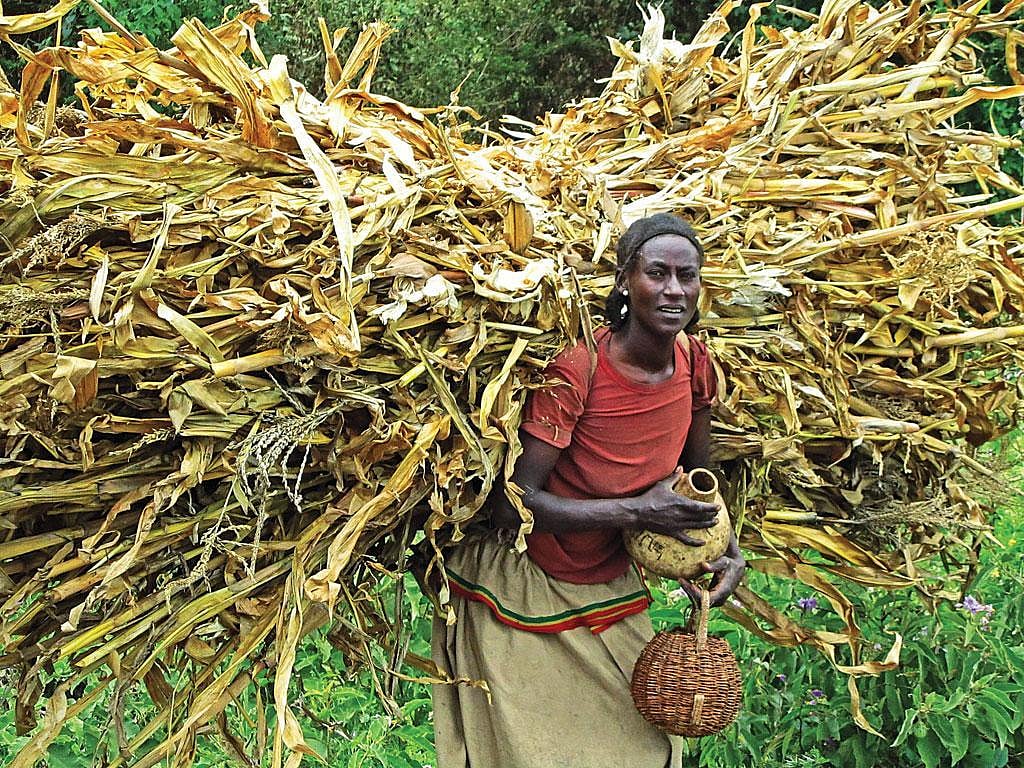
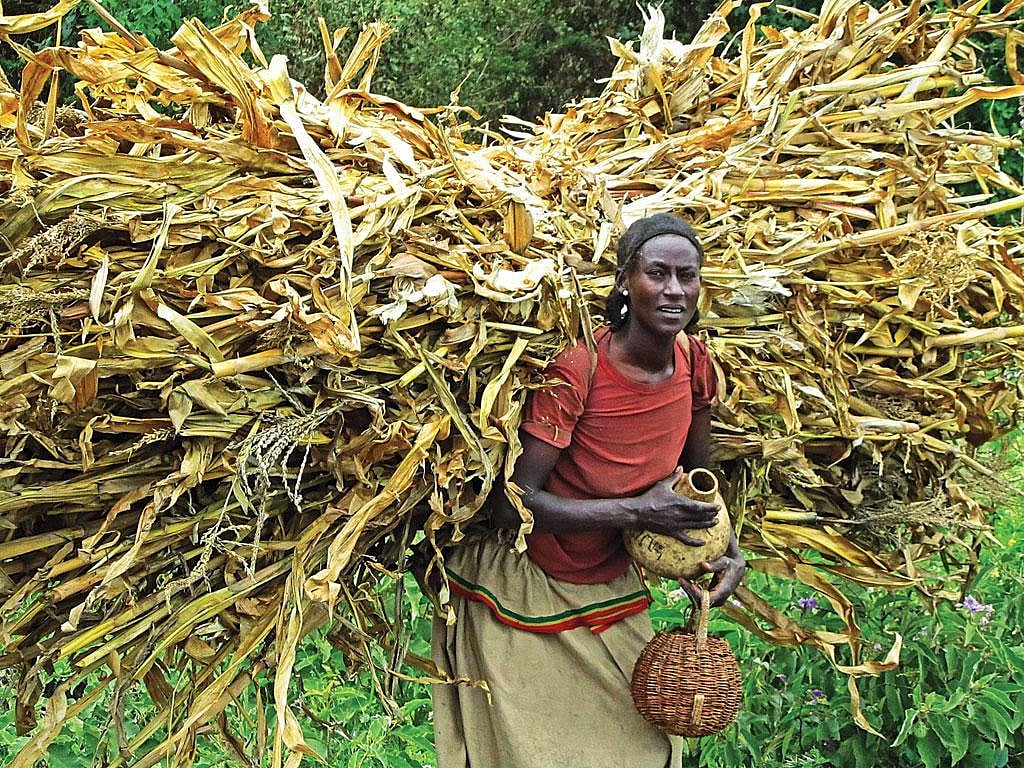
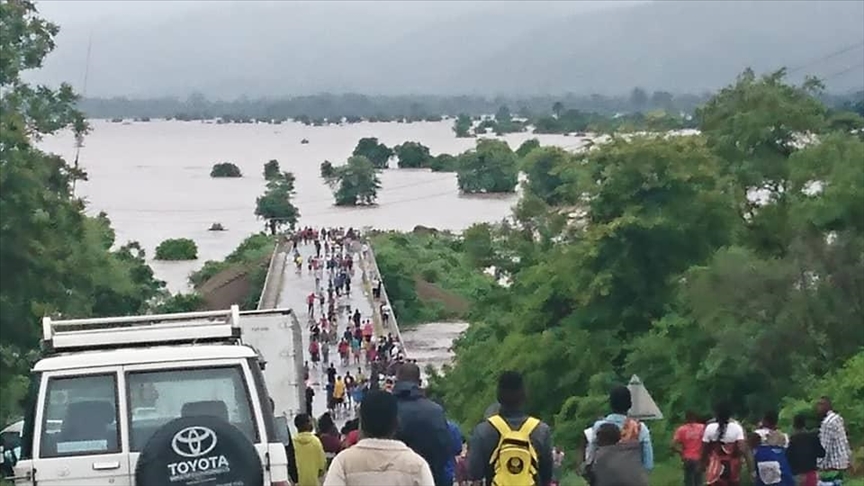
ZimbabweSome of the world's poorest countries, including nations grappling with protracted humanitarian crises, are among those most affected by President Donald Trump's new trade tariffs regime, which has compounded pre-existing economic strains and debt woes. Among the worst effects will likely be felt in Africa, where Trump's decision has created an "inexplicably cruel situation," according to the Center for Global Development (CGD). "It is hard to fathom that the administration set out to destabilize poor African countries and unclear what they hope to gain," wrote CGD researchers. The tariffs have effectively tanked the African Growth & Opportunity Act (AGOA), which allowed duty-free imports to the US for 32 countries and was credited with helping economic growth. Amid existential financial worries in the international aid sector—triggered by Trump's closure of USAID—economists have also raised the possibility of a global trade war, with far-reaching ramifications for inflation and the cost of living worldwide. (Photo: Down To Earth)