

Tibetans march on Washington to oppose Xi
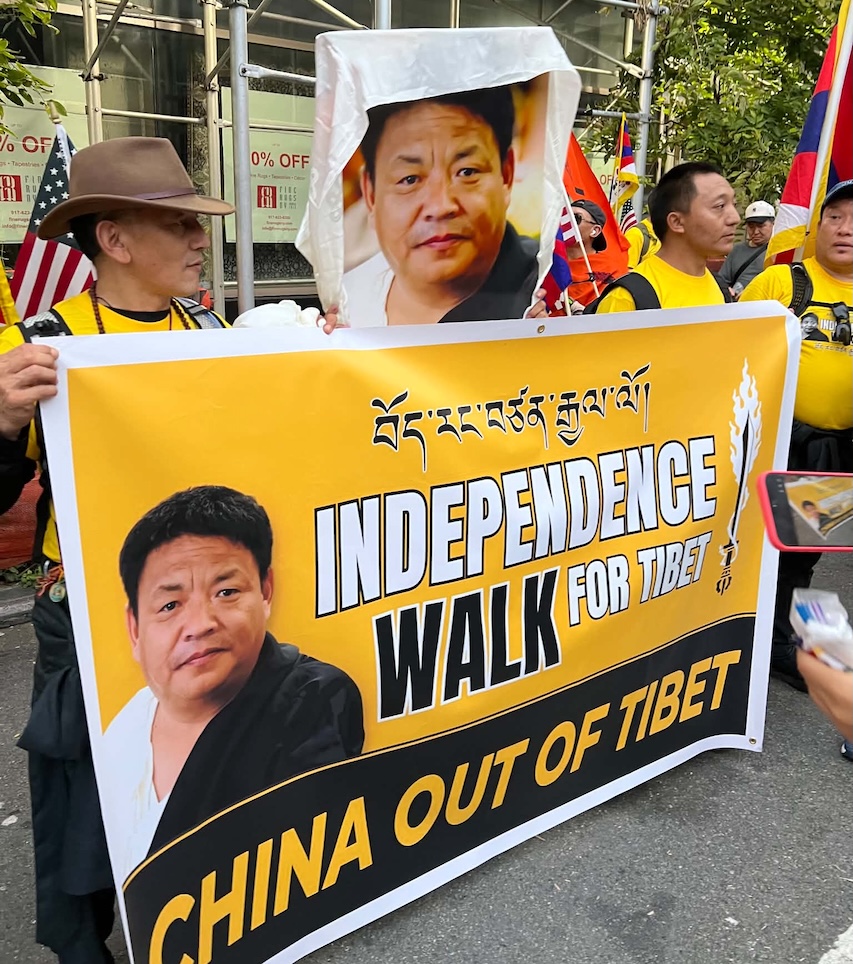
RangzenAs Trump prepares to meet with Xi Jinping at the White House, a small group of exiled Tibetans has departed from New York City for a cross-country march on Washington, to join a demonstration planned there against the Chinese dictator. The group departed from the gates of the United Nations, where Lobga Rangzen, a longtime New York Tibetan activist, self-immolated on July 2. After a stop at Philadelphia's Independence Hall—clearly chosen for its symbolic value—the "Independence Walk" will arrive in DC Sept. 24, the date of both the rally against Xi and the dinner honoring him at the White House (also to be attended by giants of the tech industry). (Photo: Ella Krivova)
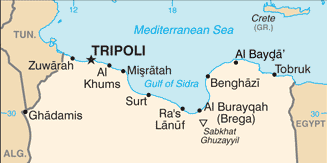
Libya: roadmap to resolve division of country

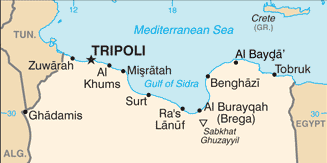
LibyaLibya's rival governments agreed to hold national elections within the next two years with a view to re-unifying the country. After months of UN-sponsored talks, representatives from the country's eastern and western administrations—known as the 4+4 Committee—signed an pact on terms to restructure the electoral commission and address disputes over the process. However, representatives of Libya's Amazigh (Berber), Tuareg and Tebu (Toubou) communities have issued a declaration stating they have lost confidence in the UN Support Mission in Libya, rejecting the legitimacy of the 4+4 Committee and threatening to boycott any elections held under the current framework. (Map: Perry-Castañeda Library)

Alberta receives separation referendum petition

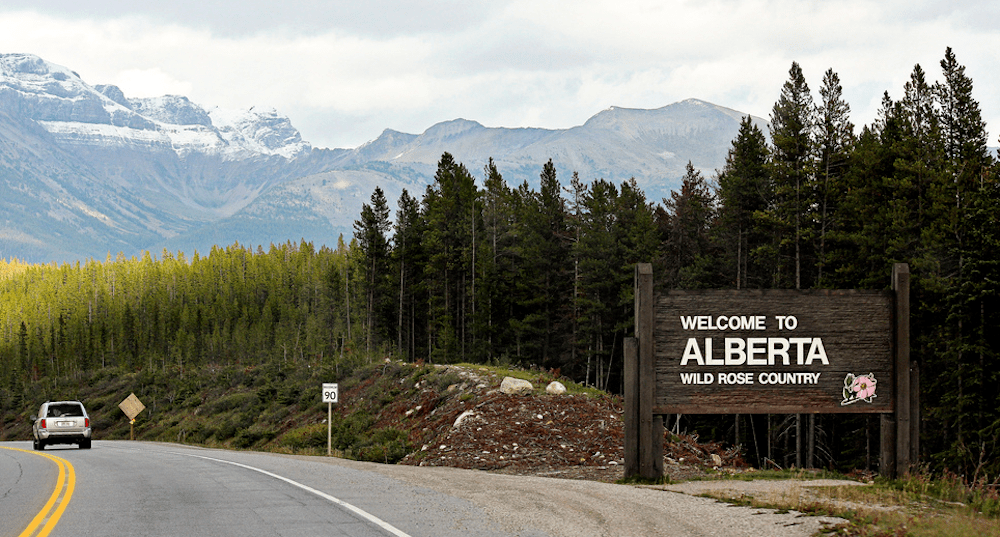
AlbertaProvincial electoral authorities in Alberta have received a petition for independence from Canada. Elections Alberta affirmed that it received the petition, "A Referendum Relating to Alberta Independence," and signature sheets from "pro-sovereignty" group Stay Free Alberta. The group told the CBC news that it has collected over 301,000 signatures, significantly more than the 178,000 threshold. The proposed referendum will ask voters: "Do you agree that the Province of Alberta should cease to be a part of Canada to become an independent state?" However, the verification process for the signatures is currently on hold, pending a decision from the provincial courts on the compatibility of the petition with First Nations treaty rights. (Photo: Magalie L'Abbe via Alberta Politics)

Pakistan’s Baloch students are vanishing

BalochPakistan's Balochistan just witnessed one of the province's deadliest episodes: a wave of attacks and clashes across several cities that left dozens of civilians, fighters and security personnel dead, with official tolls as high as 200. It marked the latest escalation in decades of conflict between separatist groups and the Pakistani state in Balochistan, where the central government has long been accused of exploiting rich resources while marginalizing the local population. But before the recent violence, public attention was focused on the abduction of a young Baloch student, a case that has reignited simmering anger over enforced disappearances. For more than 6,000 days, activists have maintained a protest camp in Quetta, the provincial capital, demanding answers for hundreds of missing Baloch citizens believed to have been abducted and killed by the security forces. "The very existence of the Baloch is perceived as a threat to the state," said Sabiha Baloch, head of the Baloch Yakjehti Committee (BYC), a local rights organization. "The more educated, conscious, and politically aware the Baloch become, the more threatened the state feels." (Image: BYC)

World leaders reject Israeli recognition of Somaliland

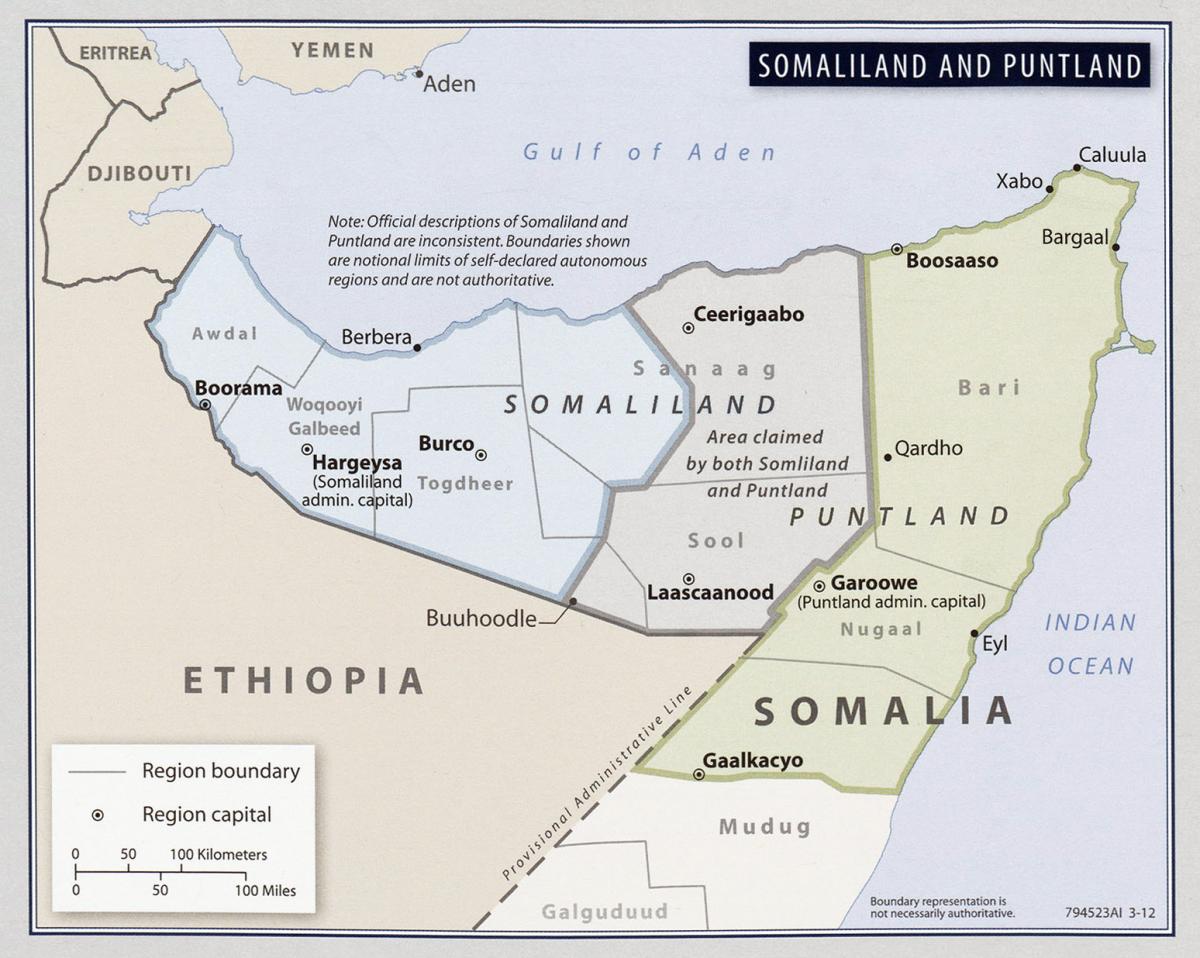
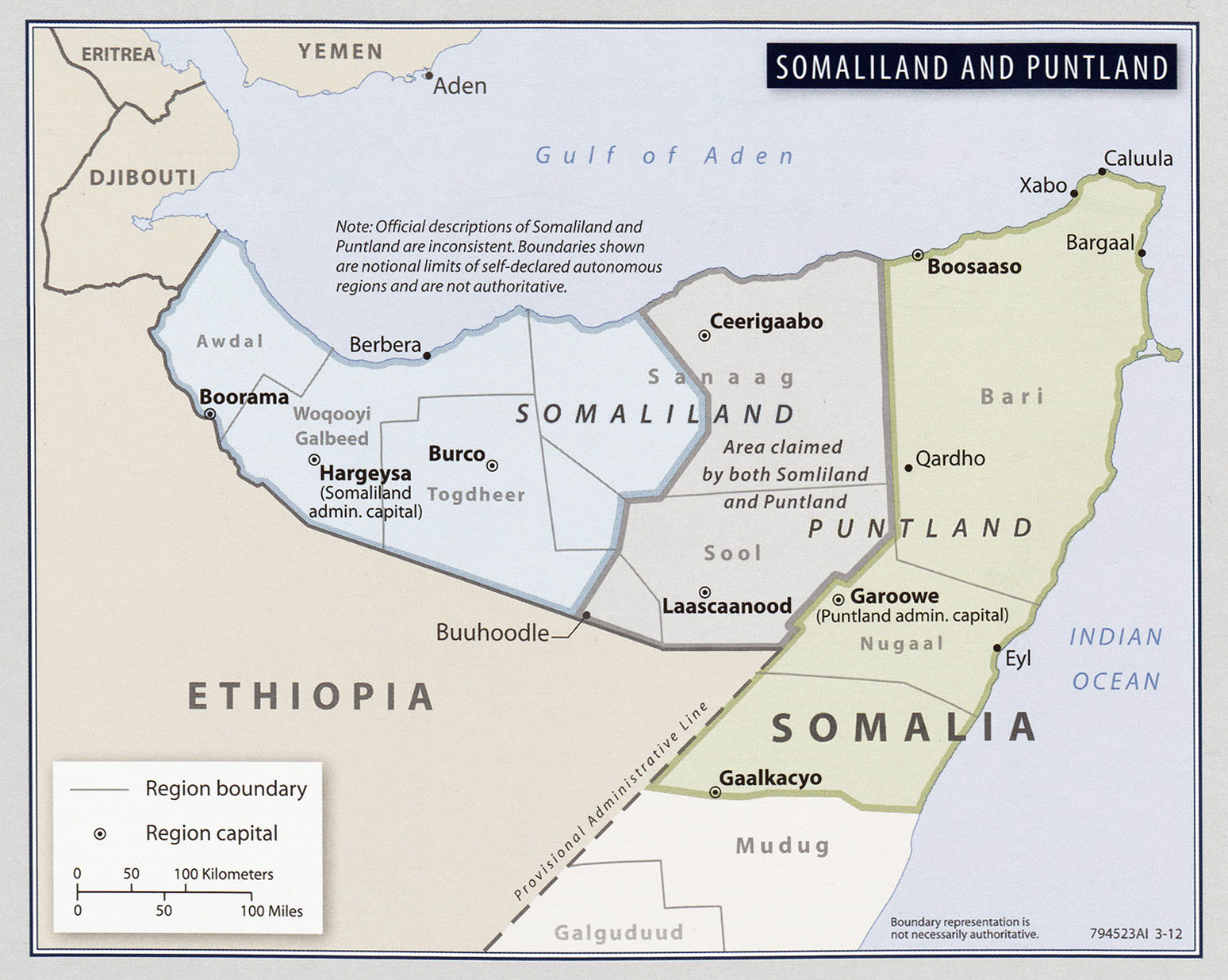
SomalilandA group of 21 Arab, African and Islamic nations issued a joint statement formally rejecting Israel's recognition of Somaliland as an independent state. The statement asserted that recognizing Somaliland as a nation independent of Somalia constitutes a grave violation of international law, emphasizing the "serious repercussions of such [an] unprecedented measure on peace and security in the Horn of Africa, the Red Sea, and its serious effects on international peace and security as a whole." This statement followed a declaration signed by Israeli President Benjamin Netanyahu and Somaliland President Abdirahman Mohamed Abdullahi, making Israel the first country on earth to recognize Somaliland. As part of the deal, Somaliland is expected to recognize Israel under the Abraham Accords. President Donald Trump brokered the Abraham Accords in his first term, seeking to establish diplomatic ties between Israel and Arab nations. However, despite the Trump administration's failed proposition earlier this year for Somaliland to take in Palestinians from Gaza, the US State Department announced that Washington will continue to recognize the territorial integrity of Somalia, "which includes the territory of Somaliland." (Map: Somalia Country Profile)

Yemen: UAE-backed southern separatists advance

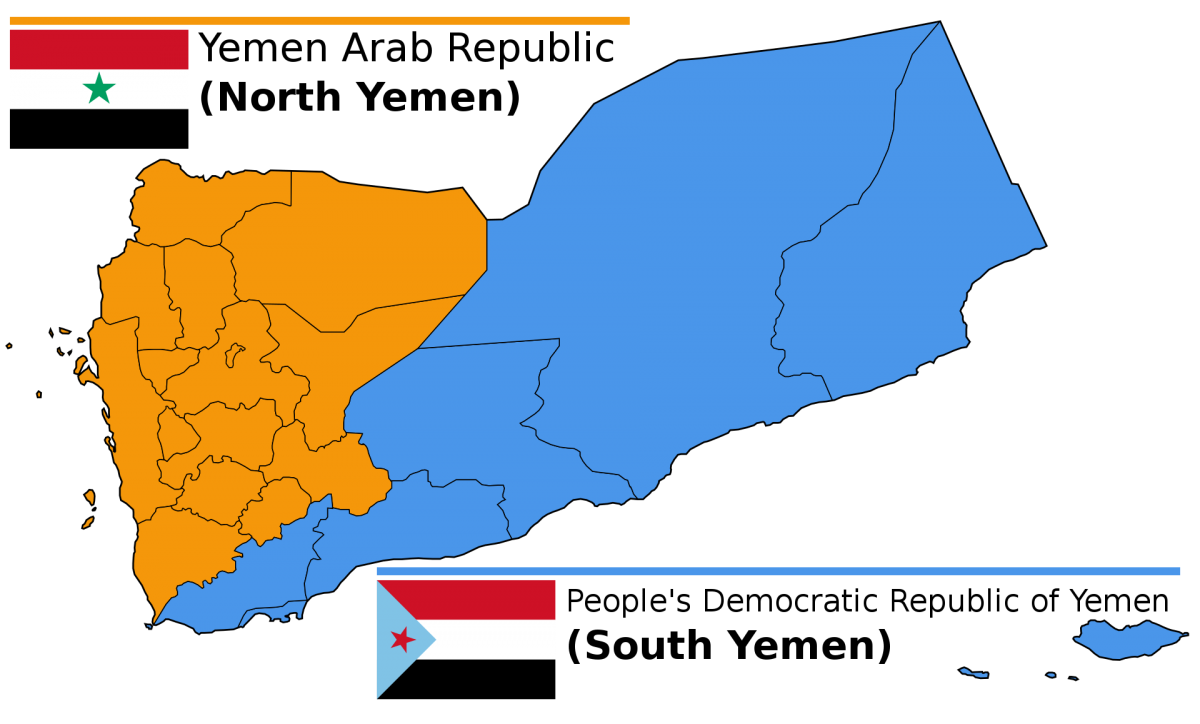
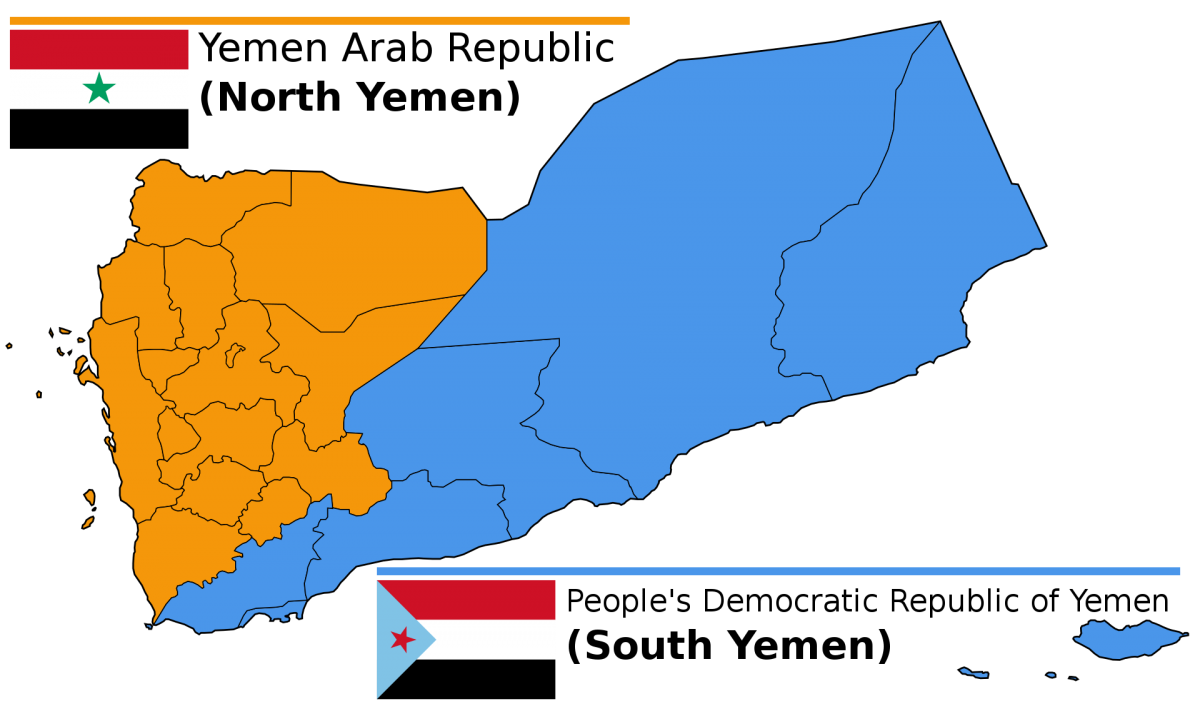
YemenYemen's separatist Southern Transitional Council, which is said to be backed by the United Arab Emirates, has been rapidly advancing through large parts of the country's south and east, in Hadramawt, al-Mahra and Shabwa provinces. They are taking over control from groups backed by Saudi Arabia, including the Hadramawt Tribal Alliance. While all forces involved are supposed to be on the same side in a broader anti-Houthi alliance, the move is yet another reminder that Yemen's war is not over, and that it involves a variety of actors and local grievances. (Map of Yemen before 1990 unification via Wikipedia)

Yemen: Houthi authorities round up opposition

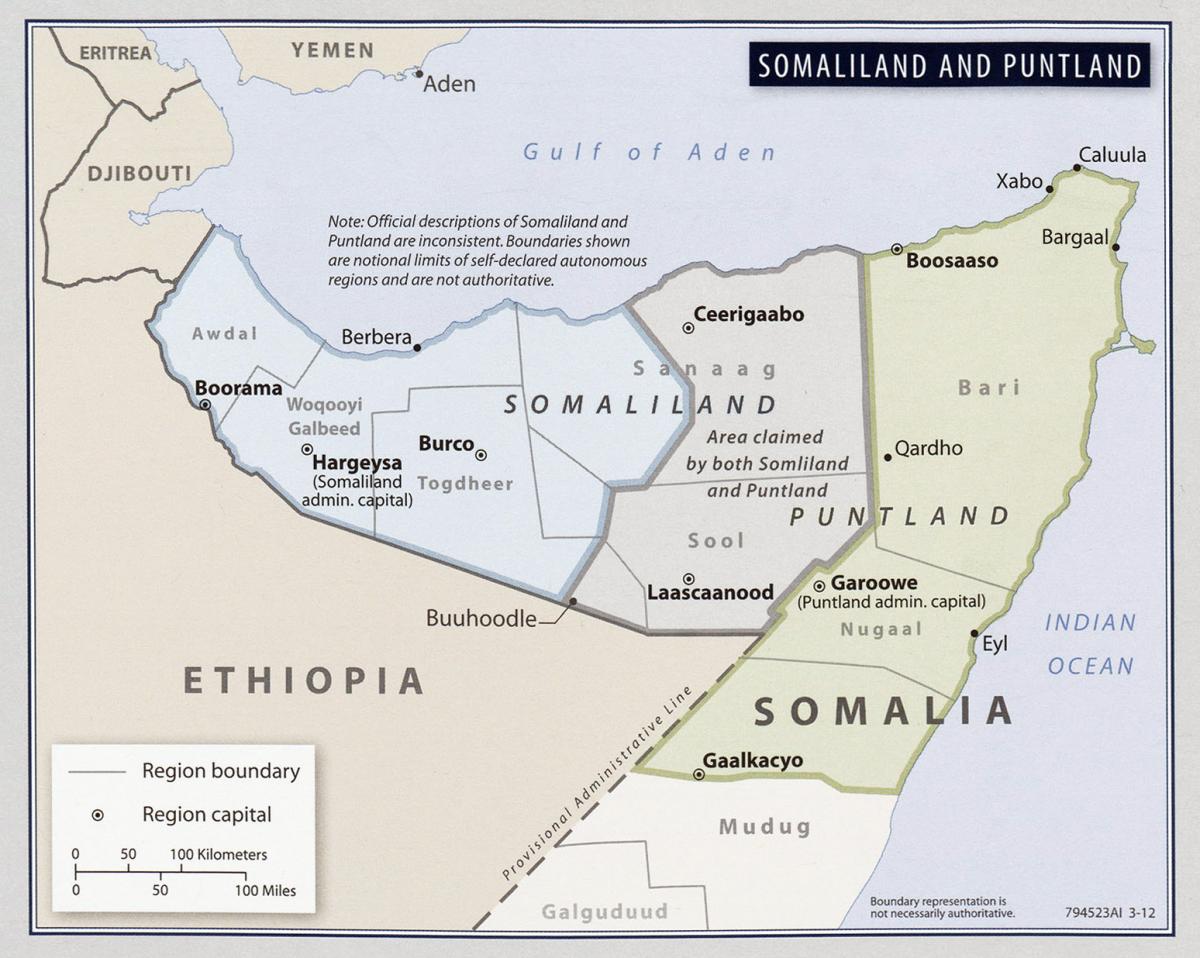
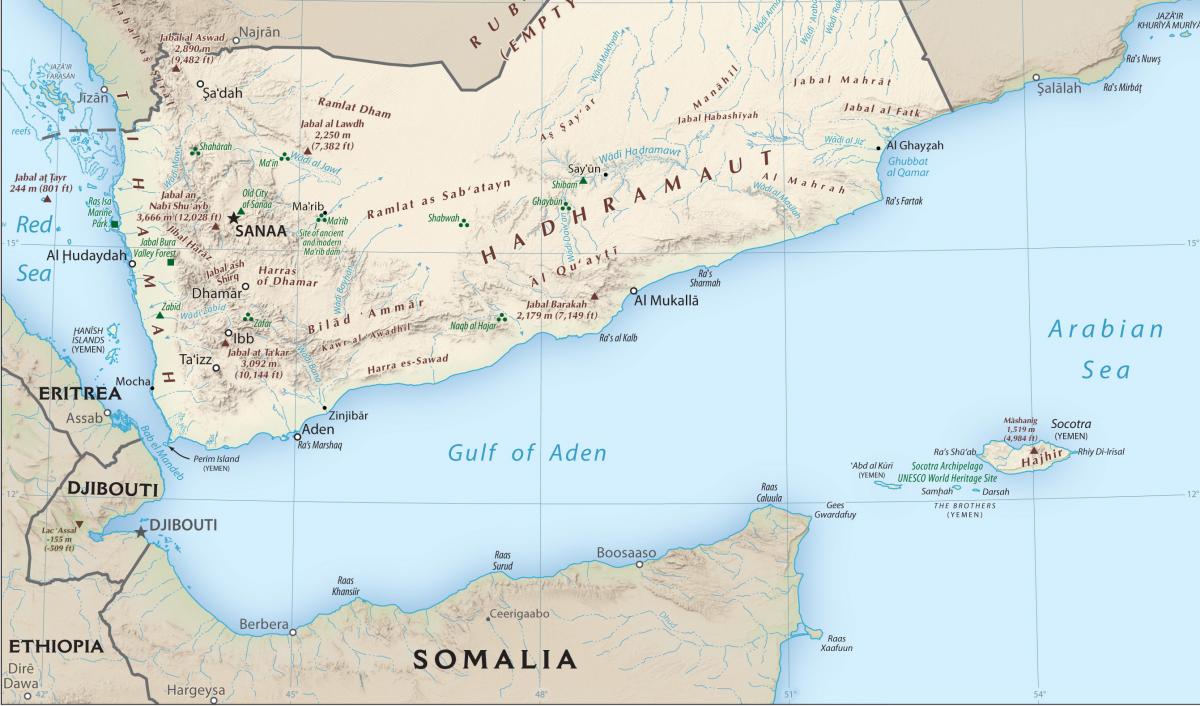
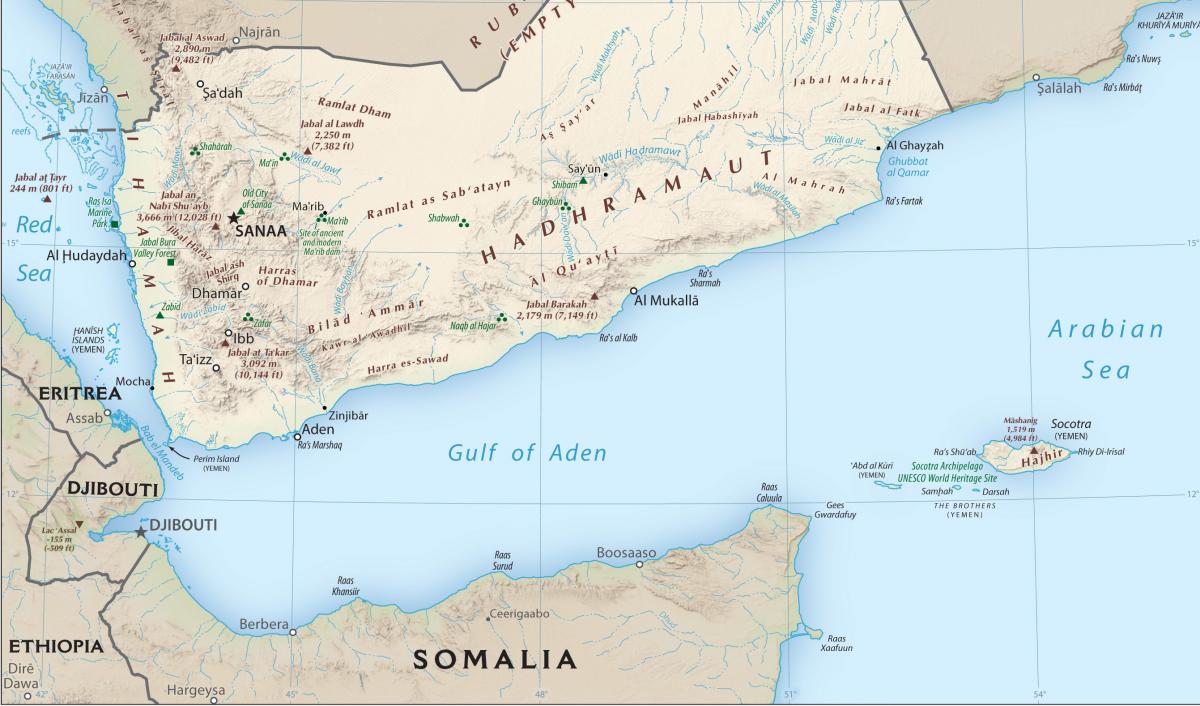
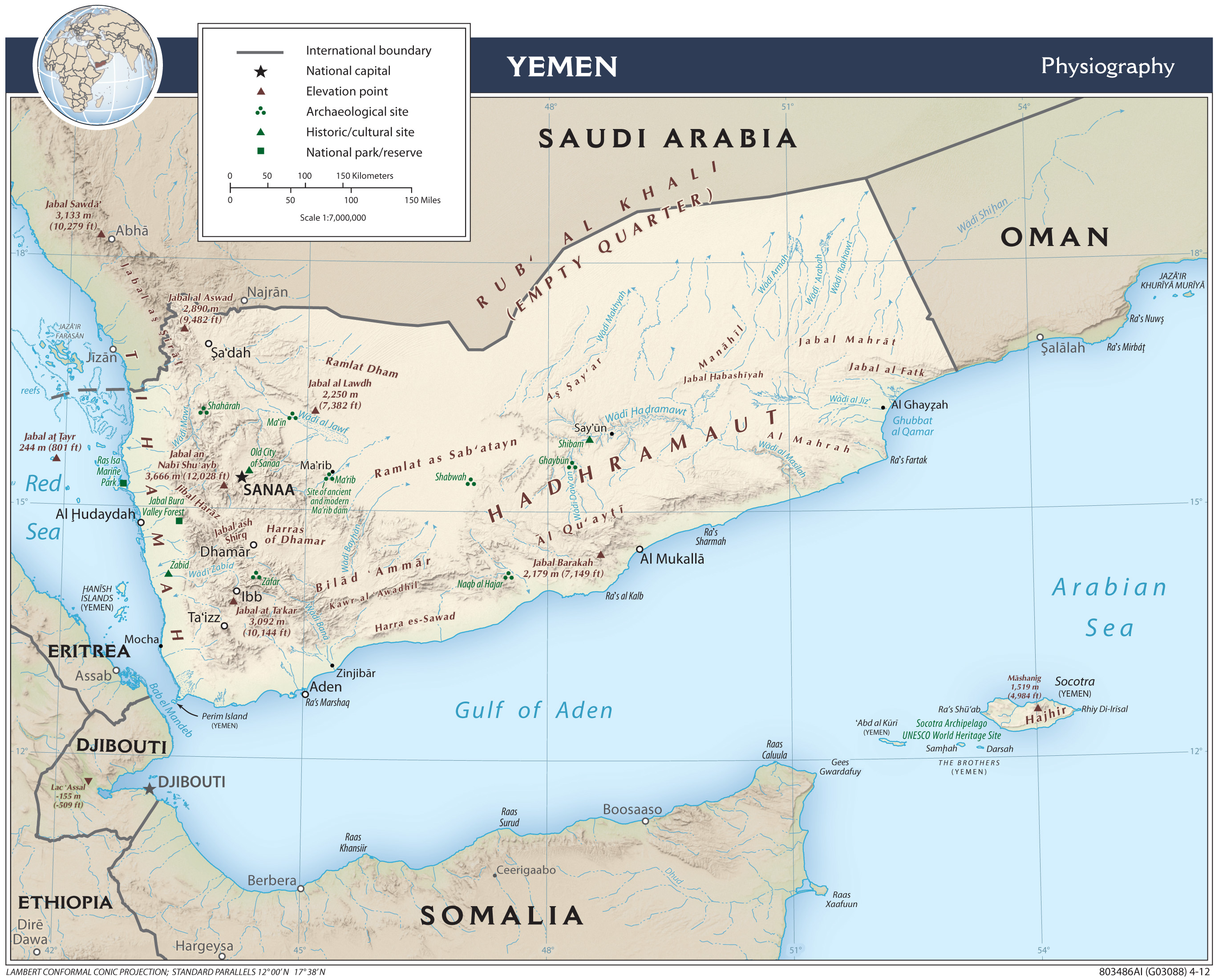
YemenHouthi authorities in Yemen have detained dozens of political opponents since July, Human Rights Watch (HRW) reported. The rights group said that at least 70 people associated with the opposition party Yemeni Congregation for Reform, or Islah, were detained in Dhamar governorate. HRW noted that 21 of these individuals have been subject to an "unfair trial" on "dubious accusations of espionage," with 17 sentenced to death by firing squad, and two sentenced to 10 years imprisonment. HRW emphasized that it is illegal under Yemeni law to make arrests without a warrant, and that detention without a legal basis or prompt charges and criminal proceedings violates both domestic and international law. (Map via PCL)

Syria

Druze protesters demand independence from Syria

DruzeHundreds demonstrated in the southern Syrian city of Suwayda, pressing for the "self-determination" of the Druze people. Protesters demanded full independence from Syria, dismissing ideas of federalism or autonomy as inadequate. Speakers asserted that statehood is needed to guarantee their security, citing last month's episode of violence in Suwayda as evidence that inter-ethnic coexistence under one state is no longer a viable solution. Complicating the situation is that Israel is posing itself as the protector of the Syrian Druze. Amid the July fighting, Israel launched air-strikes on Syria, saying that the Druze were threatened by government-affiliated forces. (Photo: Druze Free Spirits via Twitter)

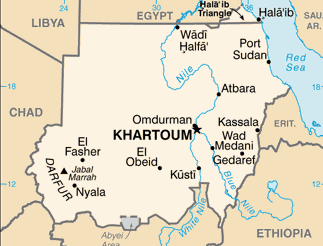
Sudan: RSF announce rival government

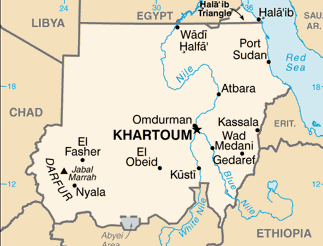
SudanA coalition led by the paramilitary Rapid Support Forces (RSF) has announced formation of a parallel government in Sudan, further cementing the country's territorial split between army-held and RSF-held regions. Paramilitary leader Mohamed Hamdan Dagalo ("Hemedti") will head a 15-person council with Abdel Aziz al-Hilu, head of the SPLM-N rebel group, as deputy. The African Union urged member states to not recognize the new regime, which wants to rival the Port Sudan-based army-led transitional government. This effectively leaves the RSF-led regime in control of much of the south, the army in control of the north, and the center of the country contested. (Map: PCL)

Russia: indigenous rights groups designated ‘extremist’

indigenous RussiaThe Observatory for the Protection of Human Rights Defenders released a statement urging Russia to refrain from designating groups advocating for the rights of indigenous peoples and national minorities as "extremist organizations." The statement follows a decision by Russian authorities a week earlier to thusly classify 55 such organizations. The Ministry of Justice cited a June ruling by Russia's Supreme Court banning "structural divisions" of the so-called "Anti-Russian Separatist Movement," which was defined as an "international public movement to destroy the multinational unity and territorial integrity of Russia." Involvement in the movement may result in a sentence of up to six years in prison—despite the fact that no such movement formally exists. (Image: Indigenous Russia)

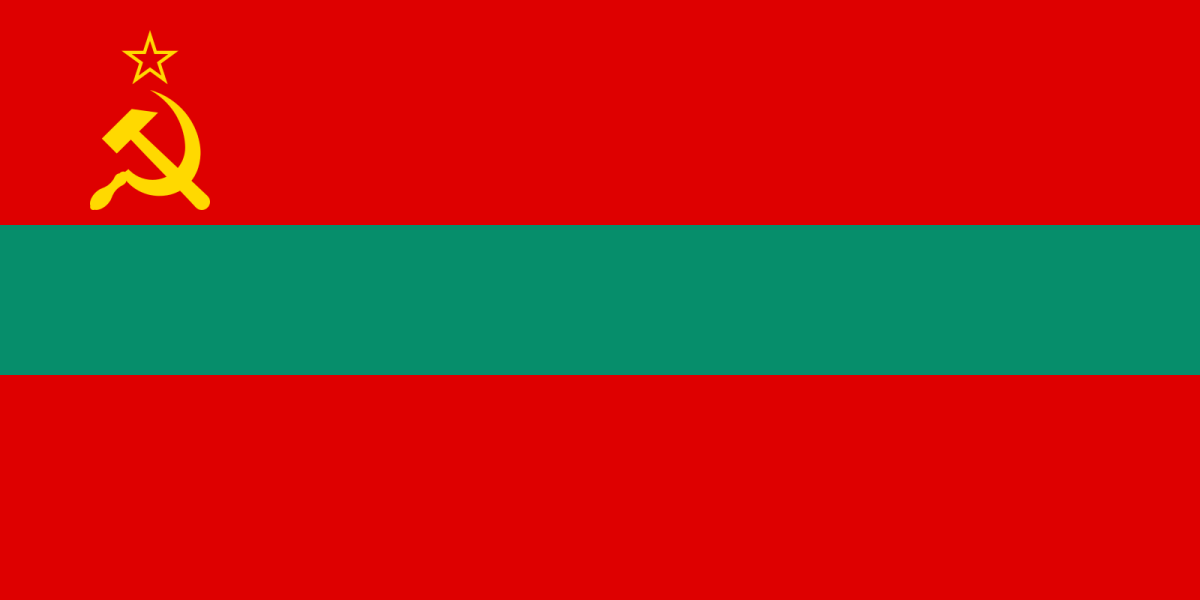
Mysterious drone strikes on Transnistria

TransnistriaThe Russian Foreign Ministry has called for an investigation into a new drone strike on Moldova's breakaway Transnistria region, condemning the attack as a a "yet another provocation" in the enclave. The "kamikaze" strike targeted a Transnistrian defense ministry unit, resulting in damage to a radar station. The targeted facility is six kilometers from the border of Ukraine. This attack is the second to occur in Transnistria in less than a month. The region was similarly hit with a drone strike in March, causing a fire and resulting in damage to military property. The Ministry of Foreign Affairs for the Pridnestrovian Moldovian Republic, as the breakaway government is called, condemned the strikes as "terrorist" attacks. Moldova's Bureau of Reintegration Policy denies that Ukraine was involved in the incidents. The largely Russian-speaking breakaway region has been supported by Russia since the 1990s. The enclave hosts approximately 1,500 Russian troops. (Image: Wikipedia)

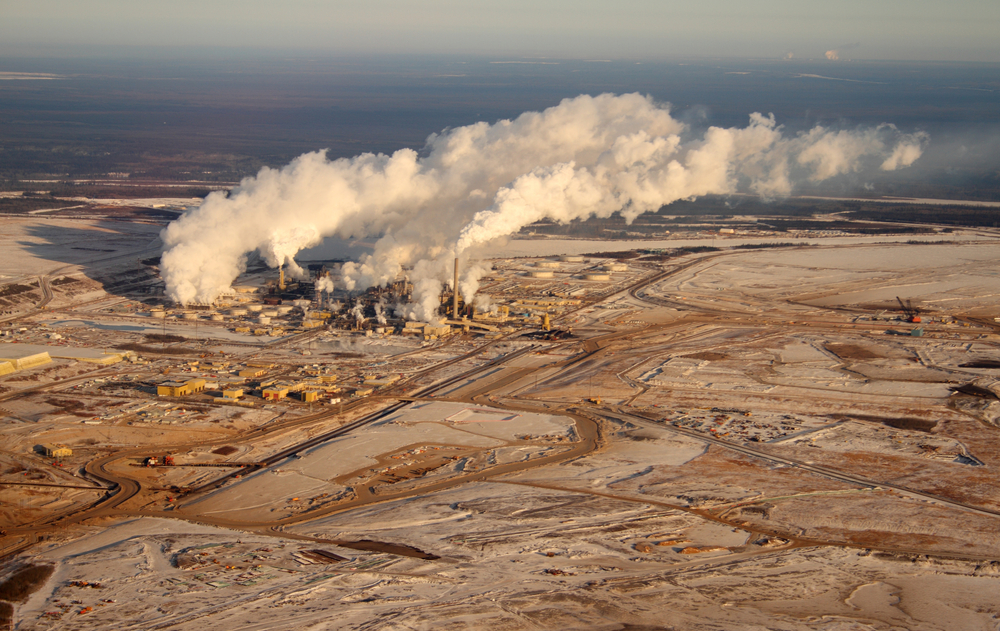
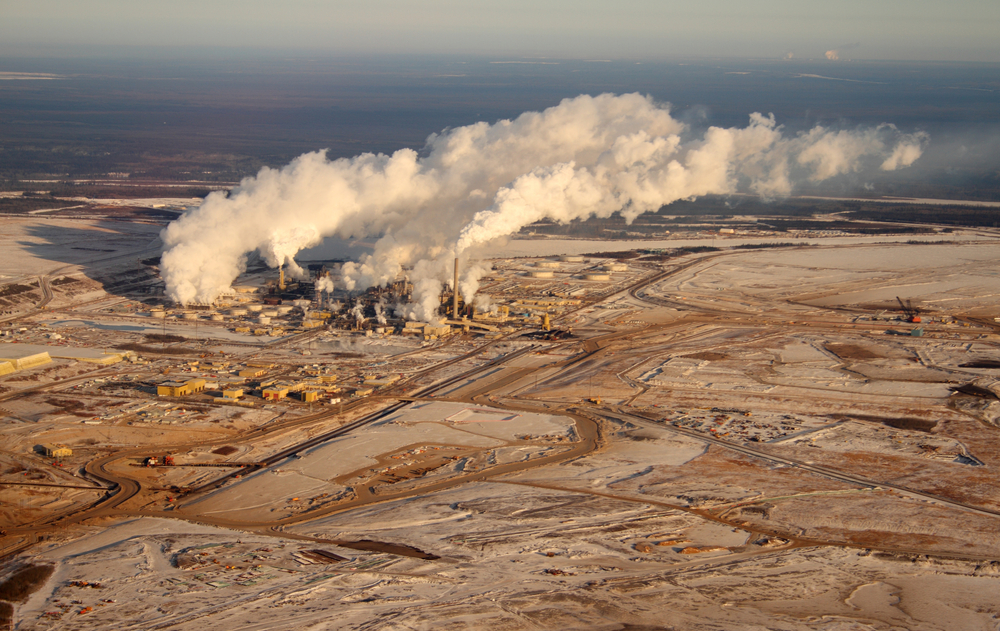
Alberta invokes Sovereignty Act over emission regs

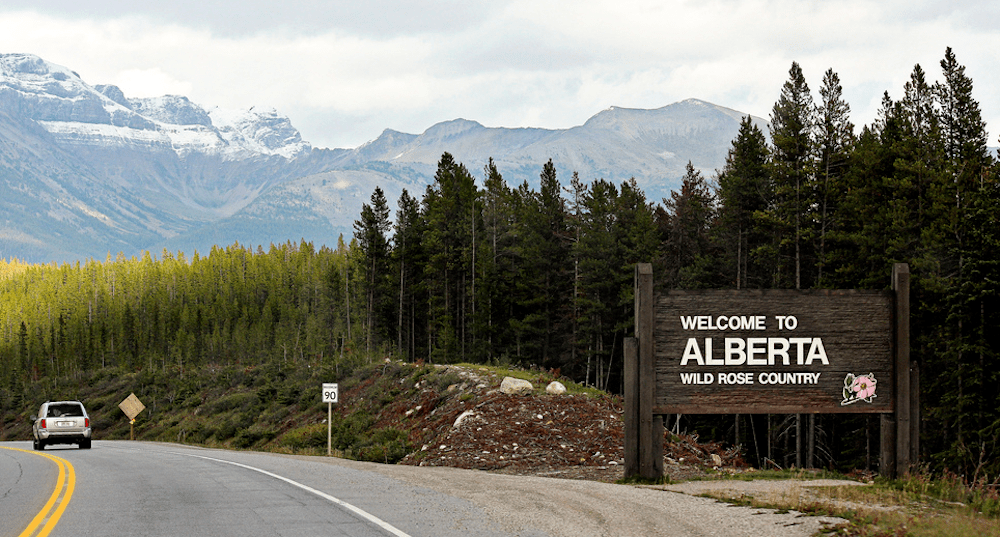
AlbertaThe legislature of the oil-producing Canadian province of Alberta invoked the controversial Alberta Sovereignty Act in response to federal environmental policies. The provincial legislature passed a resolution resolving to "urge the Government to use all legal means necessary to oppose the implementation and enforcement of the Federal Initiative in Alberta." The initiative refered to is Canada's proposed Clean Energy Regulations, which the resolution says would have "an extreme chilling effect on investment" in Alberta's electricity energy sector. Premier Danielle Smith introduced the Sovereignty Act in November 2022, asserting that Albertans no longer wanted "Ottawa to…interfere in our constitutional areas of jurisdiction," and proclaiming a right to provincial non-compliance. (Photo of Alberta's shale oil fields by Kris Krug, via The Tyee)