

Greater Middle East
syria

UN rights office decries escalating repression across Middle East

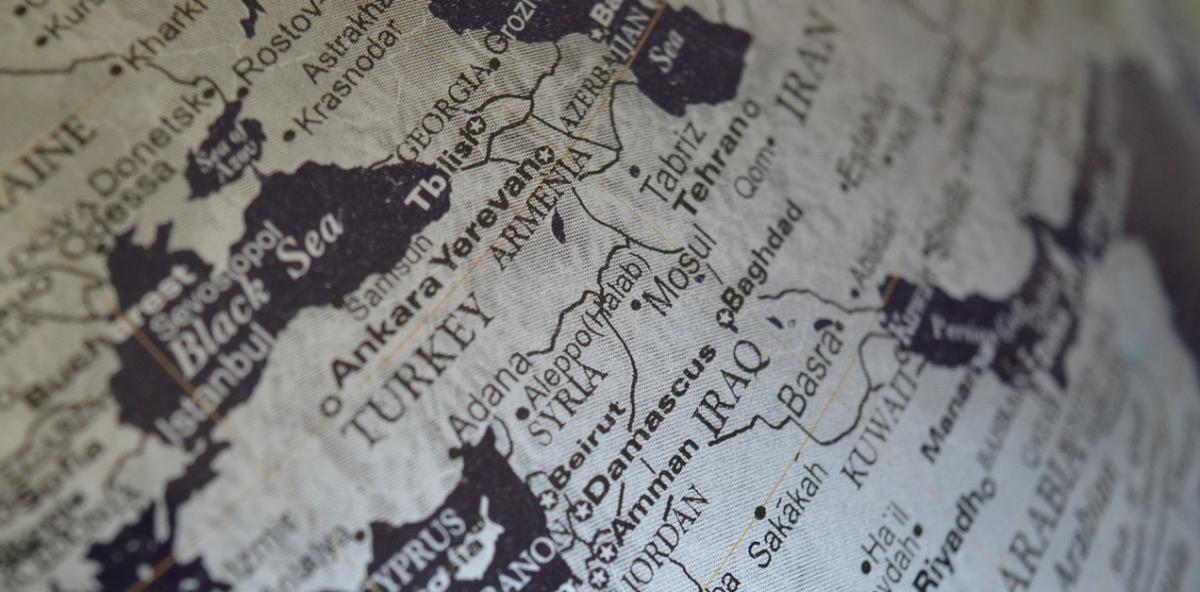
UN Human Rights Chief Volker TĂĽrk warned that repression of freedom of expression across the Middle East has deepened significantly since the US-Israeli attacks on Iran commenced at the end of February. In Iran, approximately 2,345 people have been arrested on charges related to national security. Many of these, as well as more arbitrarily arrested during the January protests, are being held in harsh conditions and incommunicado detention. The state has also cut internet access to prevent external sharing of information. Three protestors were publicly hanged in March after being convicted of “waging war against God” based on “confessions” obtained under torture. Many more are at imminent risk of execution. But hundreds of arbitrary arrests for online anti-war dissent have also taken place in the Gulf states that Iran has been targeting with missile strikes, with TĂĽrk warning of a “sharp securitization of civic space across the region.” (Image: Pixabay)

Iran
Tehran

‘Black rain’ falls on Tehran amid US-Israeli strikes

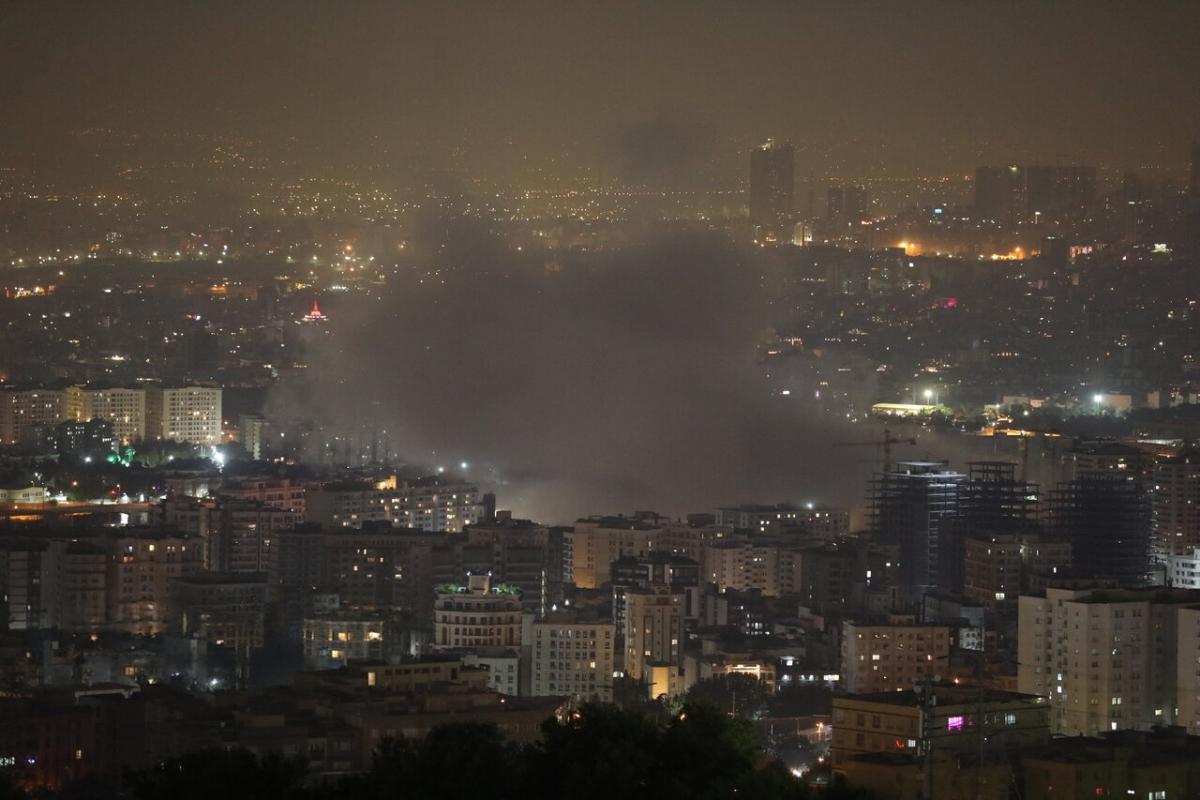
United Nations officials said that US and Israeli airstrikes on fuel depots in Tehran have released large amounts of toxic pollutants, producing acidic “black rain” across parts of the capital. Officials from the World Health Organization warned that the burning of depots has released hydrocarbons, sulphur oxides, and nitrogen compounds into the atmosphere. The released pollutants have caused darkened skies in Tehran, prompting authorities to adviseresidents to remain indoors due to respiratory risks and potential water contamination. (Photo: Mehr via Wikimedia Commons)

Syria
syria

Multiple foreign powers still bombing Syria

The Pentagon said US and allied forces carried out a wave of air-strikes against ISIS targets across Syria, although accounts were unclear as to which other countries were involved or what casualties resulted. The raids came as part of Operation Hawkeye Strike, launched in response to the deadly ISIS attack on US and Syrian forces in Palmyra last month. The past week also saw joint British and French strikes on supposed ISIS targets near Palmyra. And Jordan carried out strikes supposedly targeting drug traffickers in Syrian territory. Turkey’s Defense Ministry meanwhile said it stands ready to help Syria’s interim government in its ongoing “counter-terrorism” operation against Kurdish fighters in Aleppo. (Image: Pixabay)

Syria
Syria

Syria: perilous ‘roadmap’ to reconciliation with Druze

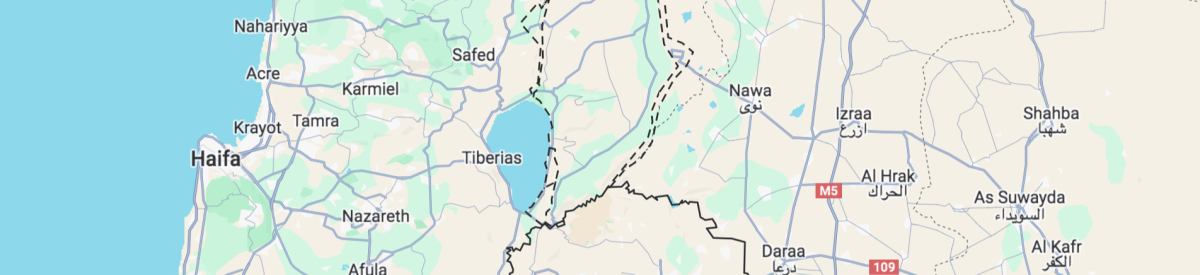
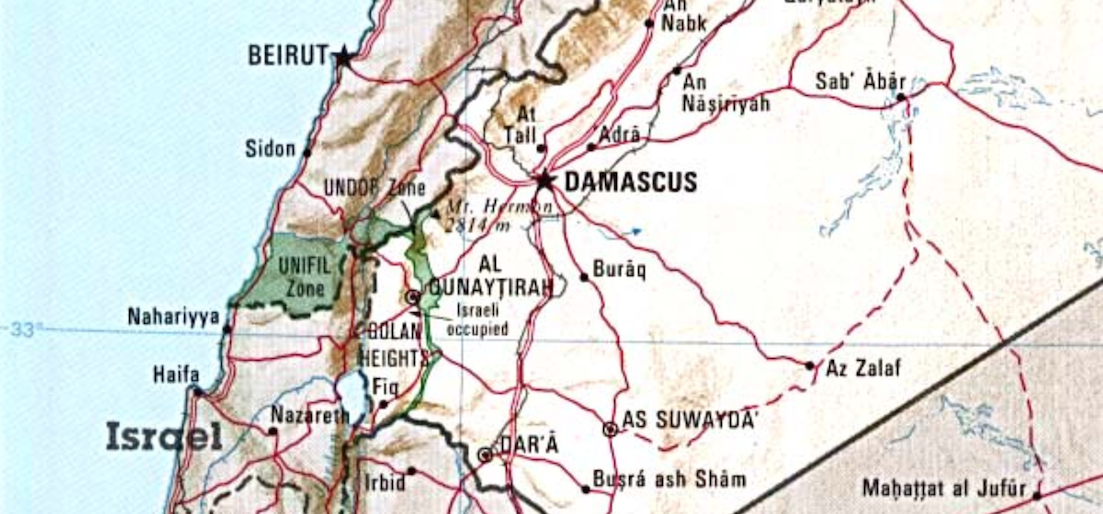
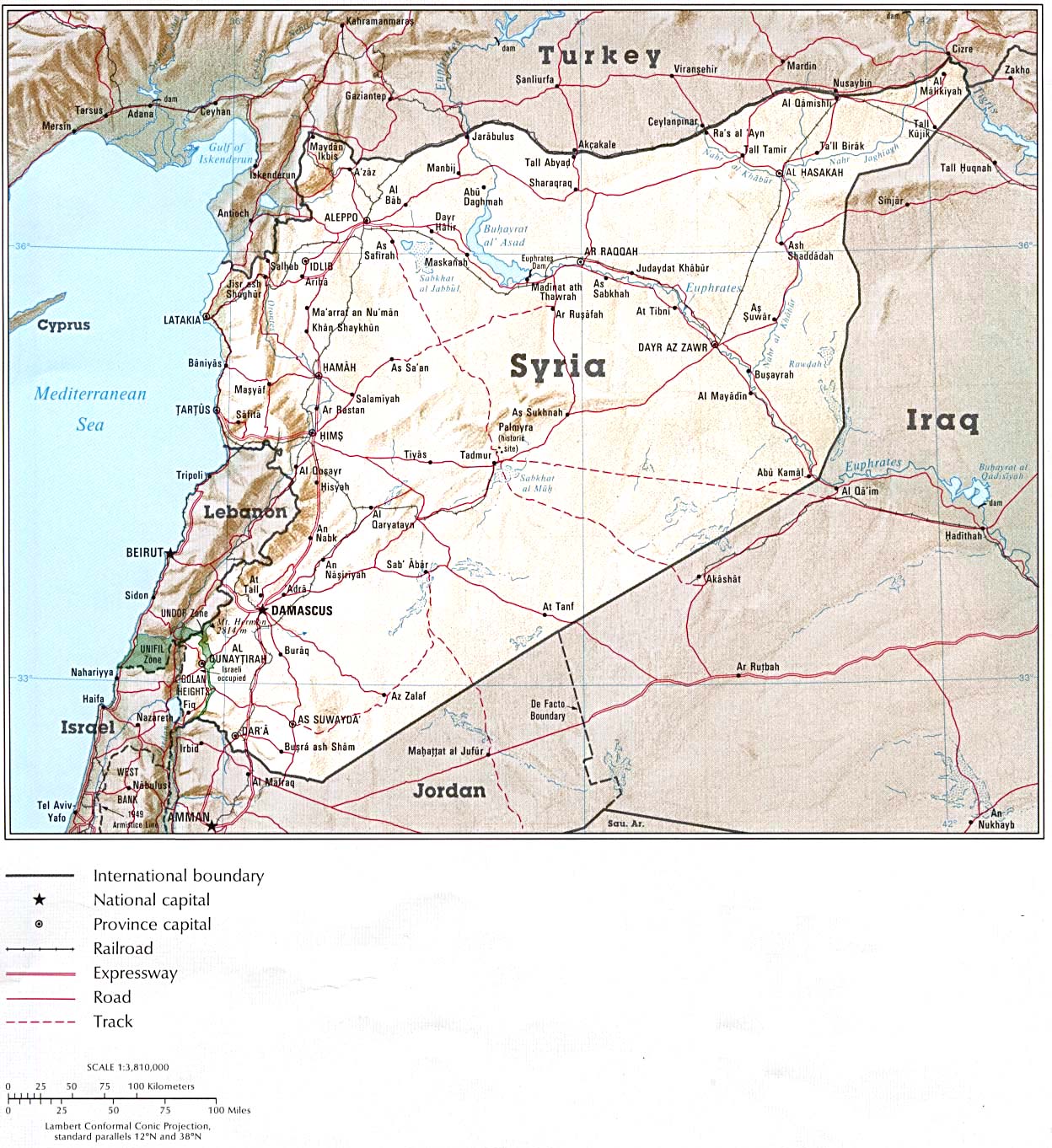
Syria, Jordan and the United States jointly announced a “roadmap” to resolve the ongoing crisis in the southern Syrian province of as-Suwayda, where July clashes between Druze and Bedouin forces escalated to sectarian killings and mass displacement. The plan seeks to strengthen a fragile ceasefire, let UN investigators look into the July events while holding perpetrators accountable under Syrian law, allow aid deliveries, and facilitate the return of some 160,000 people who remain displaced. However, some Druze leaders have rejected the plan. Sheikh Hikmat al-Hijri ruled out negotiations with the government, while adding: “I thanked Israel because it defended us and provided us with protection.” His followers have announced the creation of a “National Guard” for as-Suwayda region, which according to regional media reports has received thousands of light arms from Israel. (Map: PCL)

Palestine
Gaza

UN decries ‘weaponized hunger’ in Gaza —again

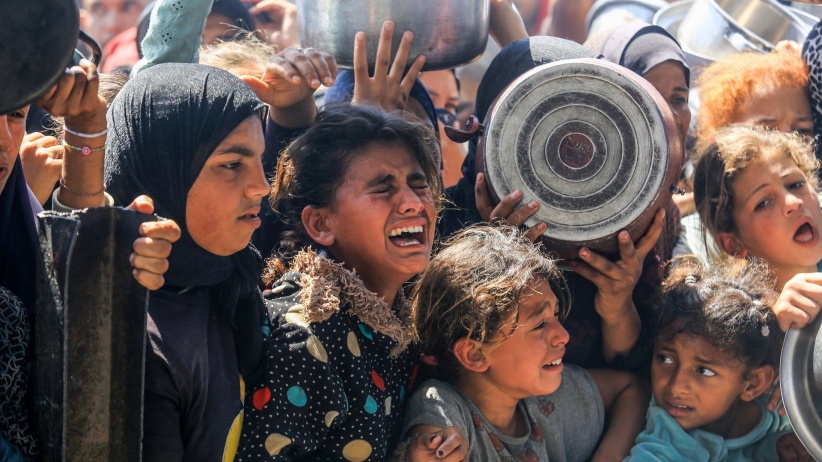
Several United Nations agencies condemned the use of starvation as a weapon of war, as malnutrition rates in Gaza spike under Israeli siege. During the UN Food Systems Summit Stocktake taking place in Addis Ababa, Ethiopia, Secretary-General AntĂłnio Guterres stressed: “Hunger fuels instability and undermines peace. We must never accept hunger as a weapon of war.” Guterres’ statement follows Israel’s decision to permit a one-week scale-up of humanitarian aid into the Gaza Strip, where famine conditions now prevail. UN agencies welcomed the easing of aid restrictions and so-called “humanitarian pauses” in the ongoing bombardment; however, as emphasized by UN Emergency Relief Coordinator Tom Fletcher: “This is progress, but vast amounts of aid are needed to stave off famine and a catastrophic health crisis.” (Photo: Maan News Agency)

Greater Middle East
Petra

Jordan: forced displacement of Bedouin community

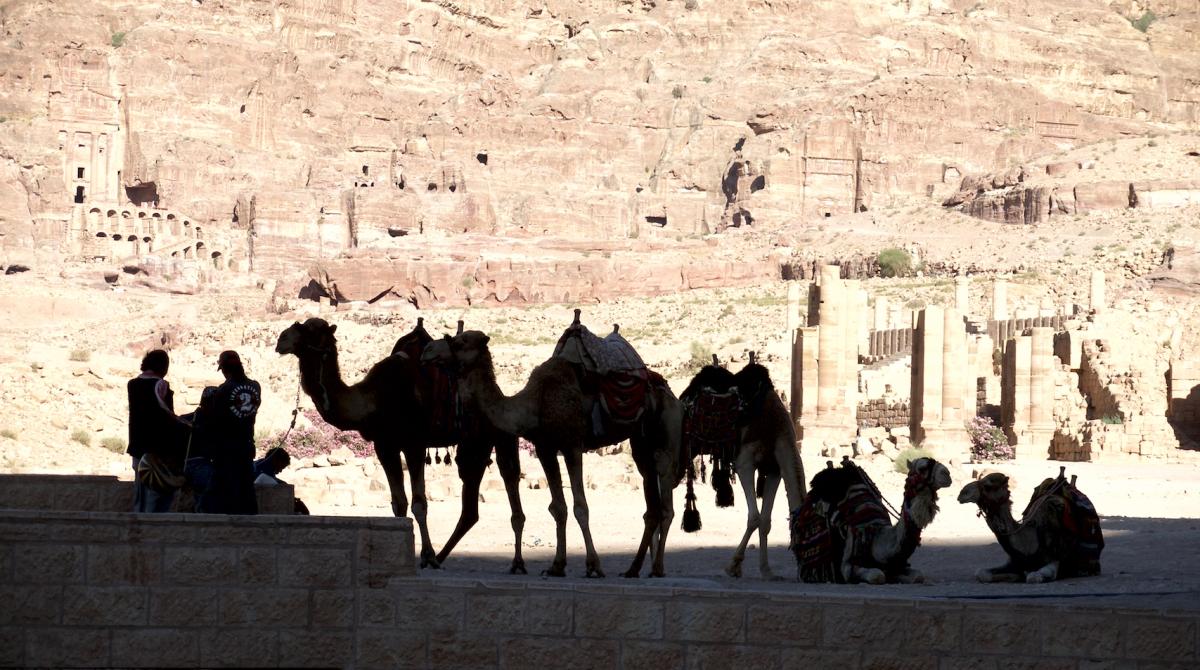
Human Rights Watch called upon the Jordanian government to immediately reverse a policy that mandates displacing a Bedouin community from the Petra area through forcible evictions. After UNESCO designated Petra a World Heritage Site in 1985, the forced relocation of the Bedul tribe began as a supposed measure to conserve the site’s archeological zone. The present wave of evictions started in late 2024, when authorities targeted approximately 25 families living in caves and tents on the site’s Stooh al-Nabi Harun Mountain. Residents say that the housing complex the authorities plan to relocate them to is in an isolated area, cutting the Bedul off from their traditional lands. The Bedul tribe is recognized by UNESCO as part of Petra’s living heritage. (Photo: Vyacheslav Argenberg/Wikimedia Commons)

Palestine
Gaza

Gaza ceasefire: the sobering reality

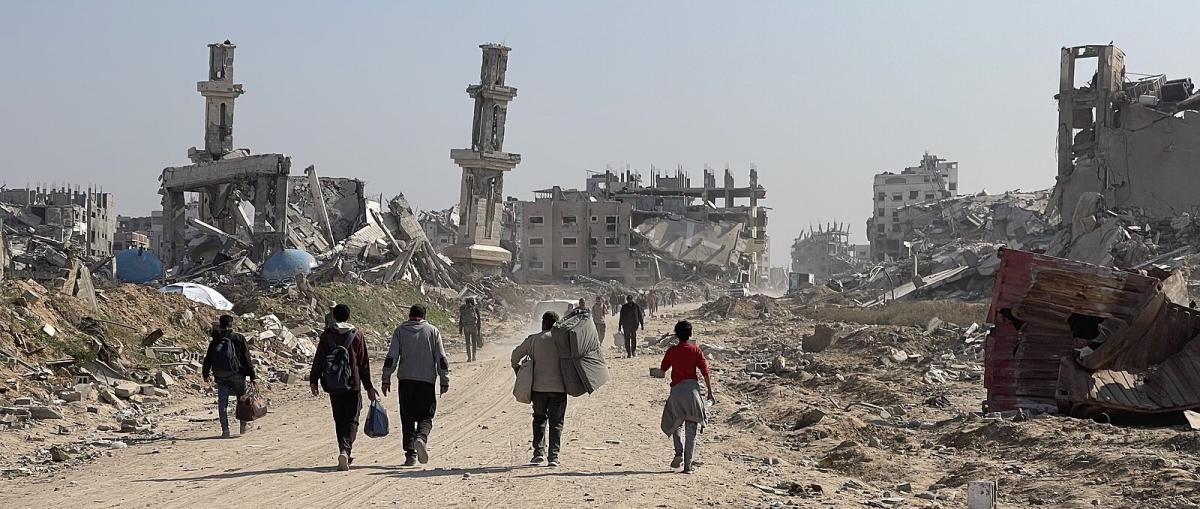
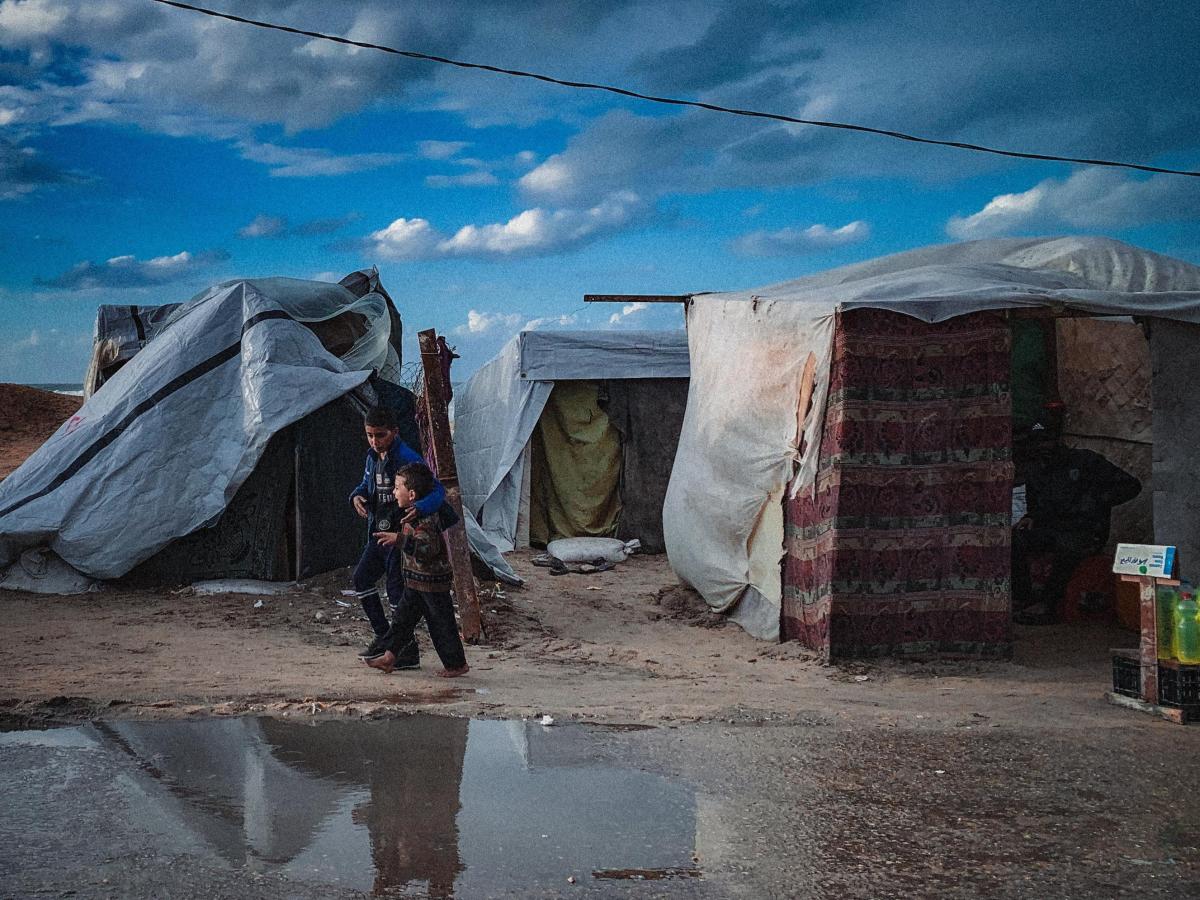
With the sounds of war starting to fall silent in the Gaza Strip after 470 days of brutal Israeli military assault and siege, a tiny crack of hope has opened for the Palestinian residents of the enclave that they will be able to gather the shattered pieces of their lives and begin the daunting task of rebuilding. But whether the deal reached by Israel and Hamas will lead to a decisive end to the war remains entirely unclear. Under a Trump administration that promises to be even more staunchly pro-Israel than the Biden administration, it’s difficult to imagine Palestinians seeing anything resembling their aspirations for a state being met—or justice and accountability for the crimes committed over the past 15 months. (Photo: Rita Baroud/TNH)

North America
Kent State

Podcast: Four dead in Ohio. And two in Mississippi.

As the police crackdown on the Gaza protests continues coast-to-coast—drawing concern from Amnesty International—Bill Weinberg notes that this repression comes in the month marking the 54th anniversary of slayings of student protesters at Kent State University in Ohio and Jackson State University in Mississippi. With police now unleashing violence on student protesters in Paris, Amsterdam and elsewhere in Europe, as well as in Jordan and Lebanon, there is an unsettling sense of deja vu. In Episode 225 of the CounterVortex podcast, Weinberg warns that the world could be headed toward an historical moment that rhymes with May 1970. Listen on SoundCloud or via Patreon. (Photo: Kent State University Libraries via Britannica)

Palestine
almawasi

Hamas accepts ceasefire; Israel strikes Rafah

Hamas has announced that its leaders have told Egyptian and Qatari mediators that they accepted the most recent Gaza ceasefire proposal. Israel’s war cabinet responded by voting to continue the planned military operation in Rafah, and the IDF announced air-strikes on targets in the southern Gaza city. The strikes came as Palestinians in Gaza were celebrating Hamas’ announcement, and Israeli protestors joined families of the hostages to demand that Israel accept the deal. (Image: Workers set up tents donated by the Qatari Red Crescent in al-Mawasi, an Israeli-designated “safe zone” in Gaza. Credit: Mohamed Soulaimane/TNH)

Greater Middle East
syria

Was drone strike on US forces in Jordan or Syria?

President Biden is pledging undefined retaliation after three US troops were killed and dozens injured in a drone strike being blamed on one of the Iran-backed militias that have been harassing US-led coalition forces in Iraq and Syria. It is widely reported that the target was a site in Jordan known as Tower 22, which provides logistical support for the US outpost across the border at al-Tanf, Syria—near where the borders of Jordan, Syria and Iraq intersect. However, a communique from the umbrella group for Iran-backed factions known as the Islamic Resistance in Iraq did not mention Tower 22, but claimed responsibility for drone strikes on three sites within Syria. These are al-Tanf, the nearby border outpost of Rukban, and Shaddadi—over 200 kilometers away in Hasakah governorate, in Syria’s northeast corner, near oil fields that are under the control of US-backed Kurdish forces. (Image: Pixabay)

Greater Middle East
syria

Jordanian air-strikes on Syria narco-networks

At least 10 people, including children, were reported killed in Jordanian air-strikes in southwestern Syria. Several homes were destroyed in Arman, Suweida province, near the border with Jordan, according to the Syrian Observatory For Human Rights. The monitoring group has noted several Jordanian strikes and border raids in recent weeks targeting Iran-backed militias believed to be behind a surge in smuggling into the kingdom, particularly of the amphetamine Captagon. Last week, SOHR reported that five presumed smugglers were killed and 15 others arrested by Jordanian forces after clashes on the border. During the operation, large amounts of Captagon and hashish were confiscated. (Image: Pixabay)

Syria
syria

Syria: regime ‘normalization’ —amid war and hunger

At a closed meeting in Cairo, Arab League foreign ministers approved a measure to readmit Syria after more than a decade of suspension—a critical victory for the normalization of Bashar Assad’s genocidal regime. This diplomatic coup, however, cannot mask the reality that Syria’s war is not over. Assad may have retaken most of the country, but various rebel and Kurdish forces still control much of the north. Civilians are still being killed in shelling and other violence. Even before earthquakes devastated large parts of northern Syria three months ago, continuing conflict and a debilitating economic crisis meant deepening hunger. Humanitarian needs in Syria were already at a record high. But amid mounting global crises, the UN-coordinated appeal for Syria in 2023 is only eight percent funded. And food prices are still rising, making it harder still for aid groups to meet the urgent and growing needs of millions of Syrians. (Photo: Giovanni Diffidenti/UNICEF via UN News)