Europe
migrants

‘Invisible’ shipwrecks hide Mediterranean death toll

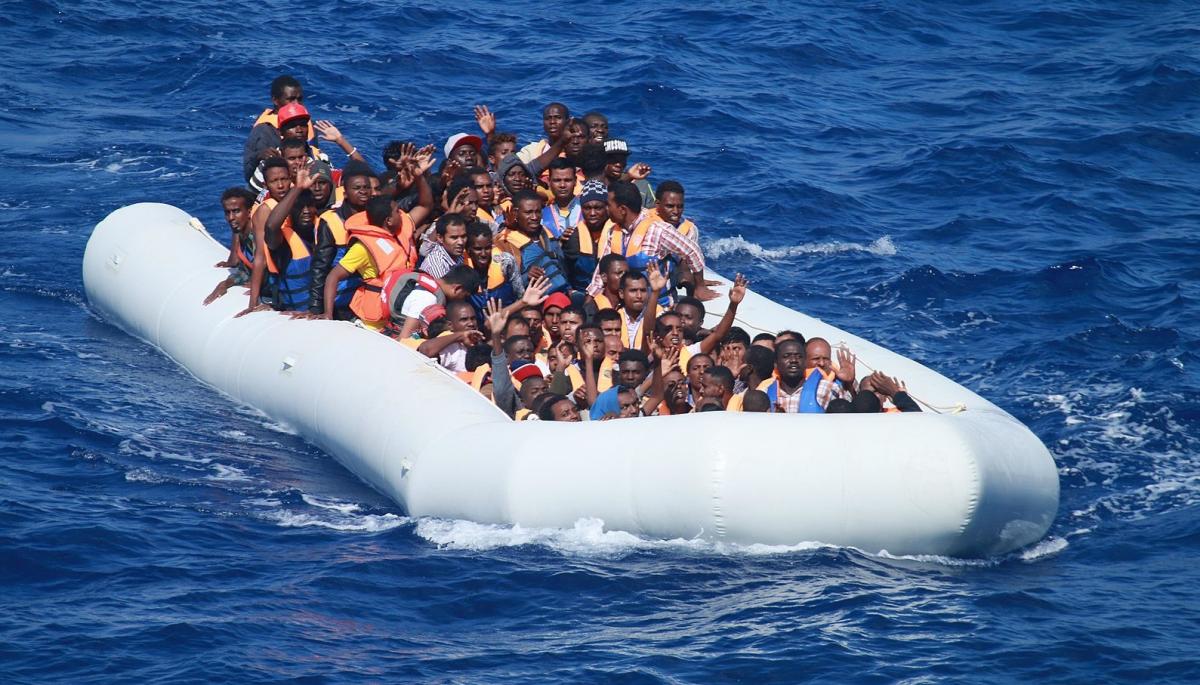
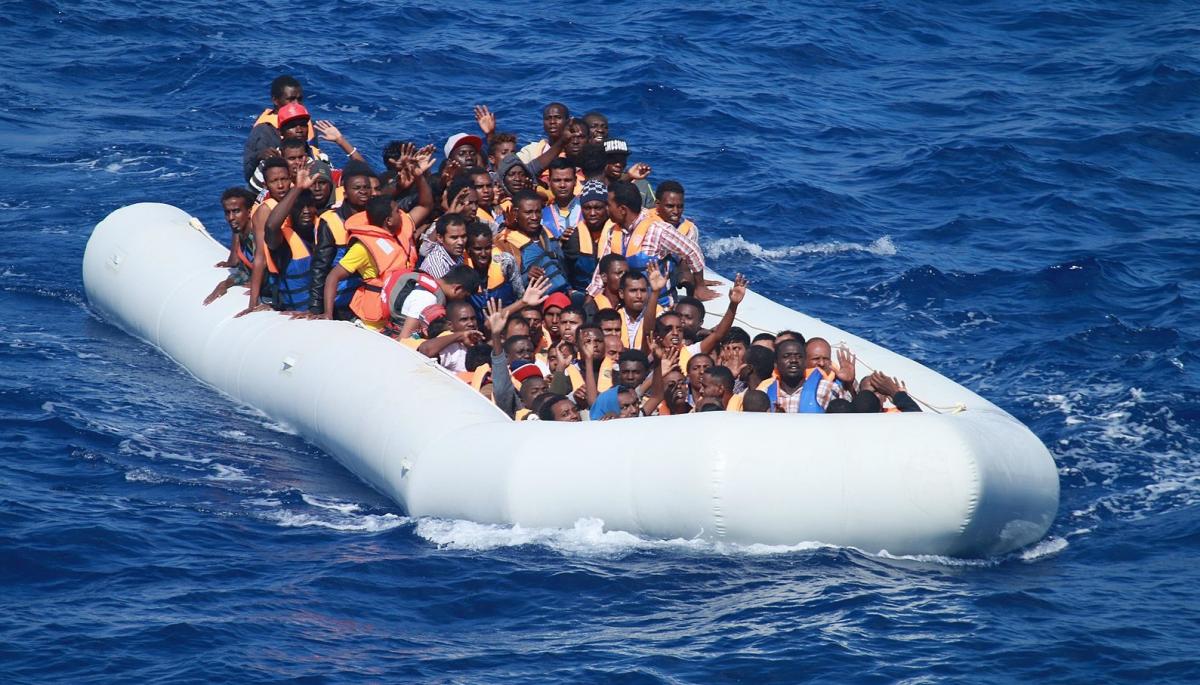
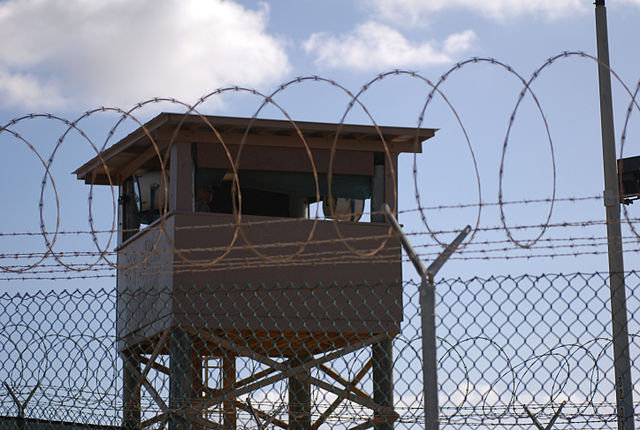
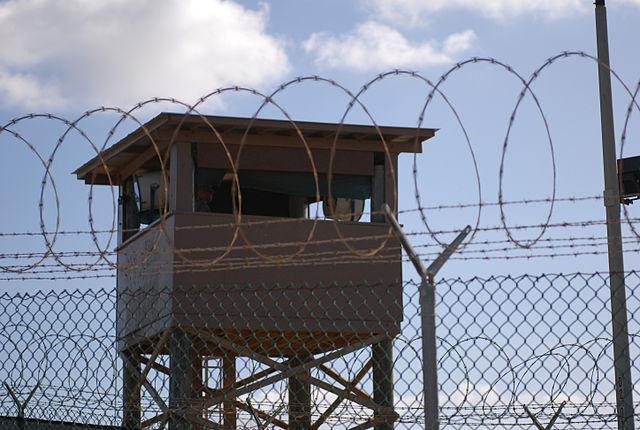
Italy, Tunisia and Malta are withholding information about the true death toll from stricken vessels carrying migrants in the central Mediterranean, according to an AP report. The beginning of 2026 has been the deadliest start to a year in the Mediterranean since the UN began keeping track in 2014, with nearly 700 lives lost to date. But phone calls from people looking for missing relatives, bodies washing ashore, and other clues suggest there have been numerous “invisible” shipwrecks, and the true toll is significantly higher. (Photo: US Navy via Wikimedia Commons)
Greater Middle East
Freedom Flotilla

Israeli strikes target Hamas in Qatar —and Greta Thunberg in Tunis?

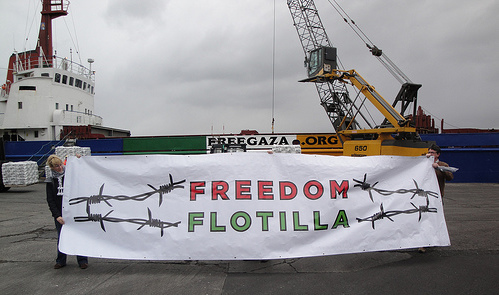
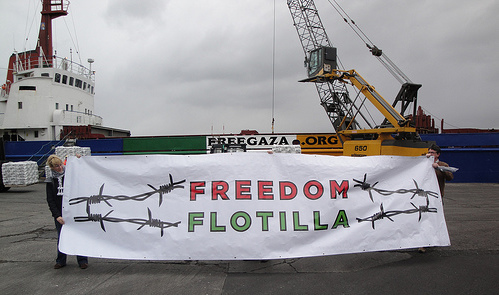
Unprecedented Israeli air-strikes on buildings in Qatar’s capital Doha apparently targeted senior members of Hamas’ external leadership—precisely those involved in ceasefire negotiations. The Israel Defense Forces confirmed the operation, with Prime Minister Benjamin Netanyahu saying that the attack was “a wholly independent Israeli operation.” He added: “Israel initiated it, Israel conducted it, and Israel takes full responsibility.” However, the White House quickly confirmed that it was informed of the operation beforehand. On the same day as the Qatar strikes, organizers of a flotilla carrying aid for Gaza said their lead ship was hit by a drone while anchored at the port of Sidi Bou Said, Tunisia. A video posted by the Global Sumud Flotilla appears to show a lit projectile falling from the sky onto the vessel before flames erupt on the front deck. The ship sustained some damage, according to later footage posted on social media. One day later, a second vessel in the flotilla was evidently struck, causing similar damage. The Global Sumud Flotilla’s most prominent member is Greta Thunberg, internationally known for her climate activism and now a leading figure in the Freedom Flotilla Coalition. (Photo: FreeGaza via Wikimedia Commons)

North Africa
Libya

More mass graves discovered in Libya

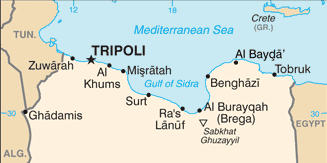
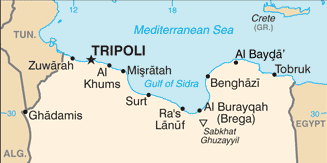
A mass grave containing two dozen bodies was discovered in the Libyan coastal city of Sirte, once controlled by ISIS. The National Authority for Searching & Identifying Missing People, a body of the internationally recognized government in Tripoli, said its team is recovering the 24 bodies found under destroyed buildings in the district of al-Kambo. A mass grave was similarly uncovered in the city in October 2022. Another mass grave is meanwhile reported to have been found in the desert along the Libya-Tunisia border, the UN Human Rights Commission confirmed. This was the second such mass grave found on Libya’s borderlands this year. In March, the International Organization for Migration reported the discovery of the bodies of at least 65 presumed migrants in southwest Libya. (Map: Perry-Castañeda Library)

Europe
El Hamma

Synagogues attacked in Germany, Tunisia

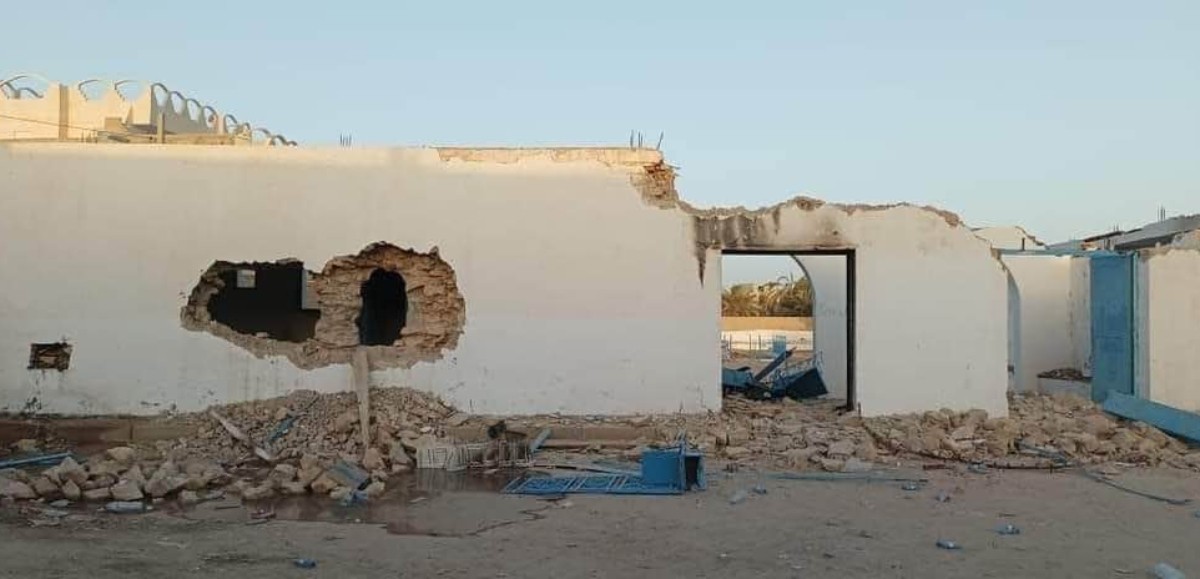
Unknown assailants targeted a Berlin synagogue with Molotov cocktails, while rioters in Tunisia burned down the country’s historic El Hamma synagogue. There was no significant property damage at the Kahal Adass Jisroel synagogue in Berlin, but El Hamma in the Tunisian city of Gabes was effectively destroyed. Although El Hamma no longer functioned as a house of worship, it held major symbolic significance for Tunisian Jews, who are still shaken from a May shooting at the Ghriba Synagogue in Djerba, the oldest in Africa. (Photo showing damage to Tomb of Rabbi Yousef al-Maarabi at El Hamma synagogue via RadioJ)

North Africa
sfax

Tunisia: mass expulsion of Black African migrants

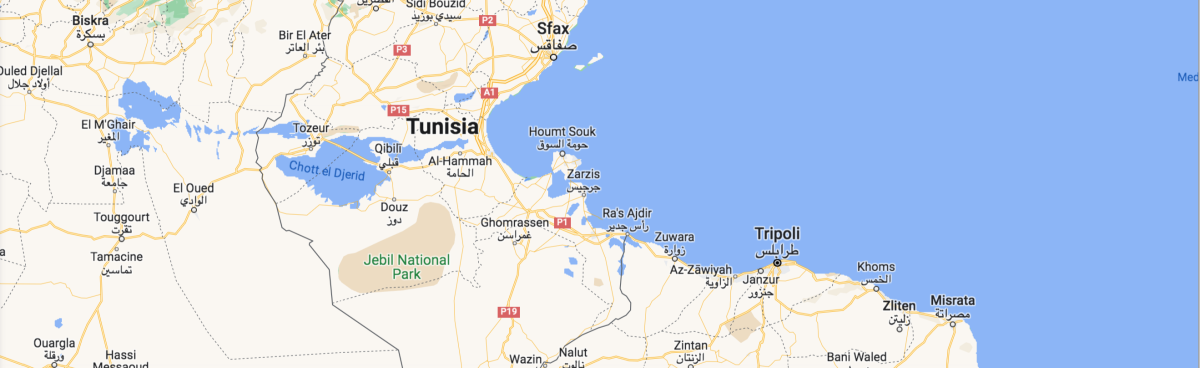
Hundreds of Black African migrants were rounded up from the Tunisian port city of Sfax, expelled across the country’s border with Libya and left stranded in the desert, sparking street protests by the large community of migrants waiting in the city. According to reports, some managed to escape back to the Tunisian side after being confronted by Libyan militiamen, but the fate of all those expelled has still not been accounted for.  The expulsions came after mobs attacked Black Africans in Sfax following the funeral of a Tunisian man who was stabbed to death in an altercation with migrants. Tensions have been rising for months in Tunisia, which has seen a sharp increase in people attempting to cross the Mediterranean from its shores this year. (Map: Google)

Greater Middle East

MENA Jews: Zionism or indigeneity?

Amid deadly Israeli air-raids on Gaza, a terror attack targets the ancient Ghriba Synagogue in Djerba, Tunisia. The attack came as Jews from throughout the Mediterranean world gathered at Ghriba in the annual pilgrimage for the Lag B’Omer festival. In Episode 173 of the CounterVortex podcast, Bill Weinberg recalls how the Jews of Djerba have been repeatedly targeted over the past generation, with this latest attack coming in the context of a reconsolidating dictatorship in Tunisia and a harsh crackdown on the opposition. Yet the Tunisian Jews continue to resist Zionist pressure to emigrate to Israel, instead embracing their North African indigeneity. This embrace is overwhelmingly returned by the country’s Arab and Muslim majority, in repudiation of extremists who would target Tunisian Jews to avenge Israeli crimes. Prominent Tunisians were among the Muslims who sheltered Jews during the World War II Axis occupation of North Africa. Listen on SoundCloud or via Patreon. (Photo: Rabbis at Djerba synagogue, 1940, via Beit Hatfutsot)

North Africa
Tunis

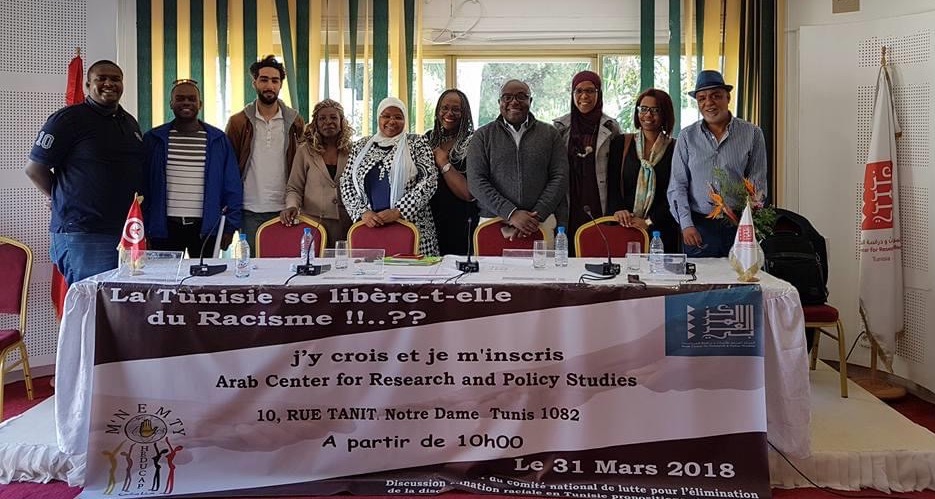
Tunisia: protest xenophobic attacks on Black Africans

Amnesty International called on Tunisia to put an immediate end to racist and xenophobic attacks targeting Black African migrants. The wave of violence began in early February and was exacerbated by a racially-charged speech by President Kais Saied at a National Security Council meeting. President Saied’s statements sparked street protests in Tunis, in defiance of an official ban on demonstrations. Activists also opposed a widening crackdown on dissent since Saied seized near-total powers in July 2021. The Tunisian National Salvation Front has vowed continued weekly protests. (Photo: Chahd Lina Belhadj/Meshkal)

Watching the Shadows
internet ban protest

Internet censorship laws advance worldwide

The United Nations Human Rights Office expressed concern over Turkey’s adoption of legal measures “that risk substantially curtailing freedom of expression in the country.” A package of laws passed by the Turkish parliament could see journalists and activists imprisoned for up to three years for spreading “disinformation.” Ugandan President Yoweri Museveni meanwhile signed the Computer Misuse (Amendment) Act into law, which advocacy group Unwanted Witness called a “looming nightmare to the freedom of expression and speech.” Last month, Tunisian authorities promulgated Decree No. 54 on Combating Crimes Related to Information & Communication Systems, imposing five years imprisonment for spreading “fake news.” (Photo of Turkish free-speech demonstration via Wikimedia Commons)

North Africa
Tunis

Tunisia: president dissolves Supreme Judicial Council

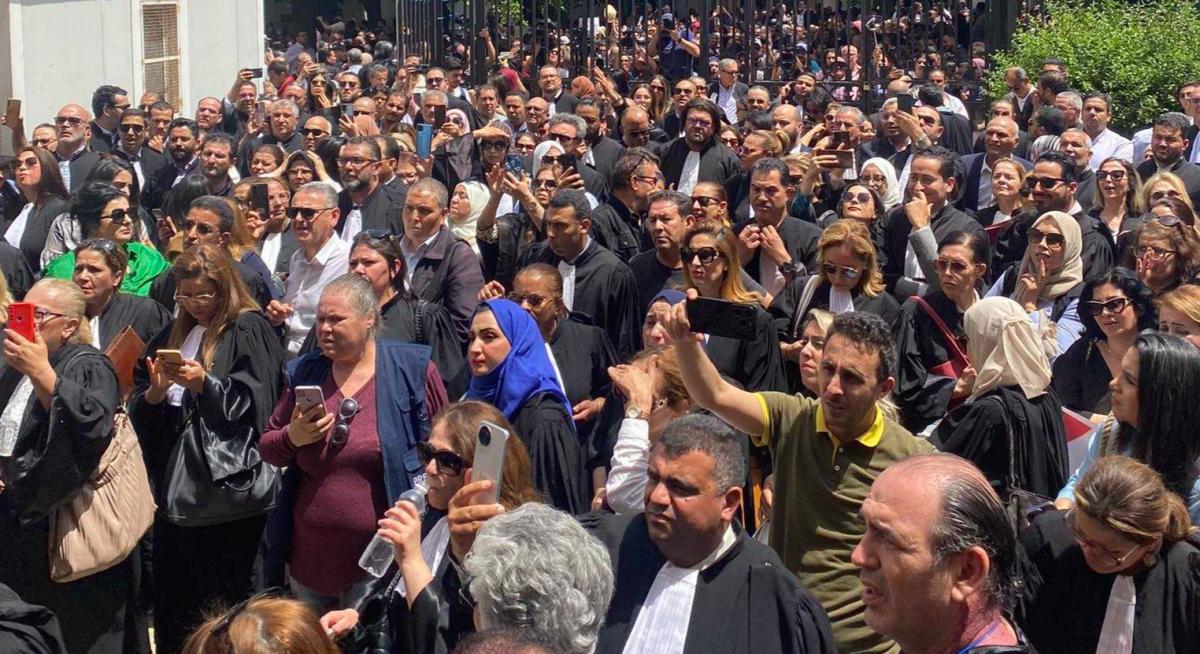
Tunisian President Kais Saied officially dissolved the Supreme Judicial Council, sending police to seal the chamber where the body meets. The Council’s head, Youssef Bouzakher, called the dissolution “illegal,” and said it is aimed at bringing Tunisia’s jurists under control of the executive. Established in 2016, the Council is a constitutional body entrusted with ensuring the independence of the judiciary, responsible for appointing judges and taking disciplinary action. Bouzakher said the Council intends to continue working in defiance of the president’s announcement. The move is a further consolidation of Saied’s power following his “self-coup” last year, in which Tunisia’s parliament was suspended. (Photo: XLR Media via Twitter)

North Africa
sfax

Tunisia: uprising over waste disposal crisis

Anger over a regional garbage crisis in Tunisia exploded into street clashes after a man died following exposure to tear-gas during protests against the reopening of a landfill site. Abderrazek Lacheheb, 35, died in the town of Aguereb in the coastal region of Sfax, punctuating weeks of demonstrations over a growing waste and public health crisis. The powerful UGTT trade union confederation announced a general strike the day after his passing, condemning the “savage intervention by security forces.” (Photo: Leaders.com.tn)

North Africa

Will Biden reverse Trump policy on Western Sahara?

US-led forces are currently carrying out war games in Morocco, the periodic “Afrian Lion” exercises—this year taking place near the disputed region of Western Sahara. Morocco is trumpeting this as a re-affirmation of US recognition of its claim to the territory. The Trump administration last year formally recognized Moroccan sovereignty over Western Sahara in exchange for Moroccan diplomatic recognition of Israel as a part of the so-called Abraham Accords. But Spain, the disputed territory’s former colonial ruler, is opposing Morocco’s current push for international recognition of its claim. Just before the war games opened, Spanish Foreign Minister Arancha González Laya called US Secretary of State Antony Blinken, urging him to reverse Washington’s recognition of Moroccan rule in Western Sahara. (Map: Perry-Castañeda Library)

North Africa
Tunisia

Youth revolt rocks Tunisia

The army has been ordered into the streets in Tunisia following days of angry protests by disaffected youth that led to hundreds of arrests. Enraged over widespread unemployment, youth have erected roadblocks of burning tires, clashed with police, ransacked shops and banks, and hurled rocks and Molotov cocktails at government buildings. The protests began in poor districts of Tunis, but quickly spread to other cities. At the more organized demonstrations, marchers carry placards reading “Employment is a right.” The new revolt comes on the ten-year anniversary of the overthrow of long-ruling dictator Zine El Abidine Ben Ali, the first regime change of the Arab Revolution. (Image via Twitter)