

Somaliland offers Trump a deal on recognition
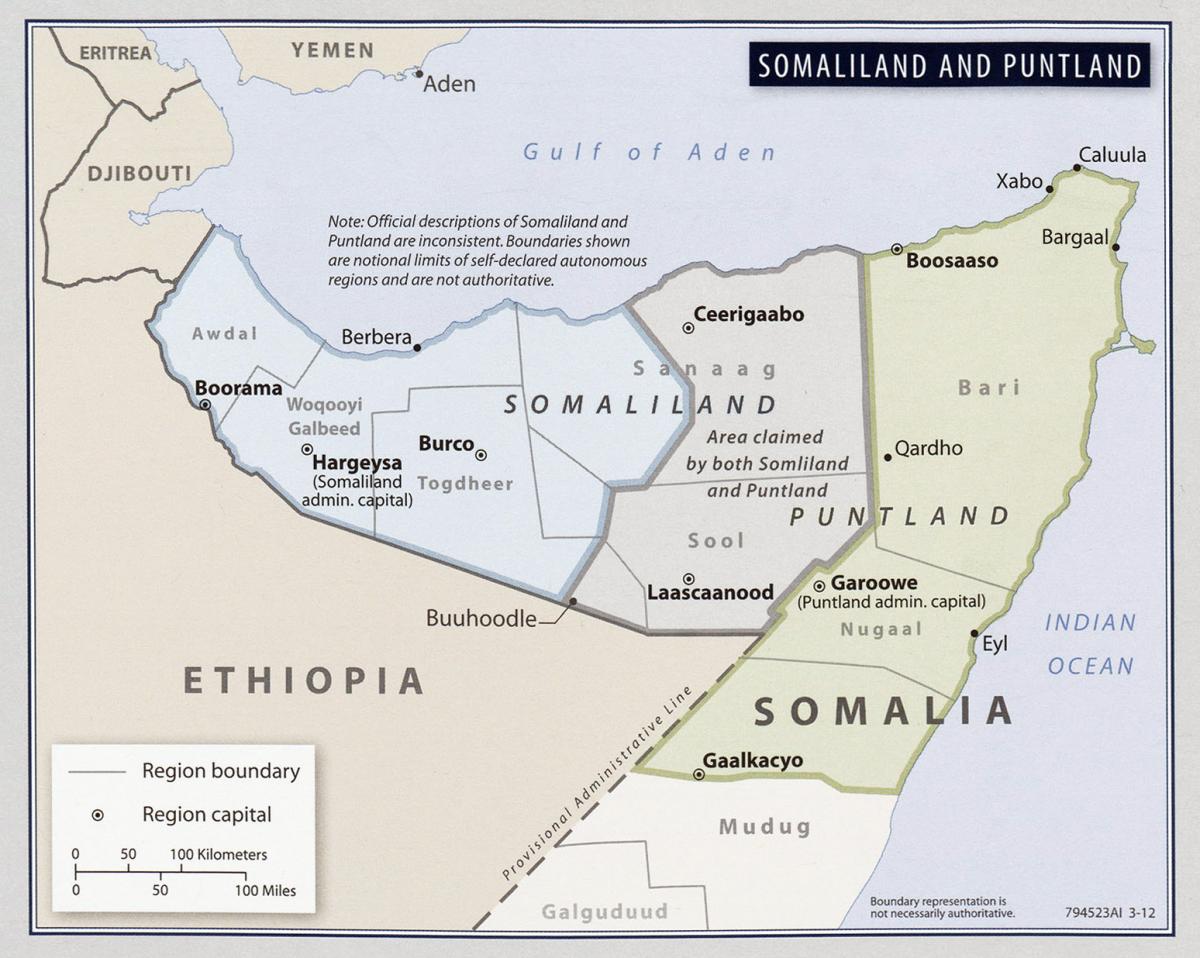
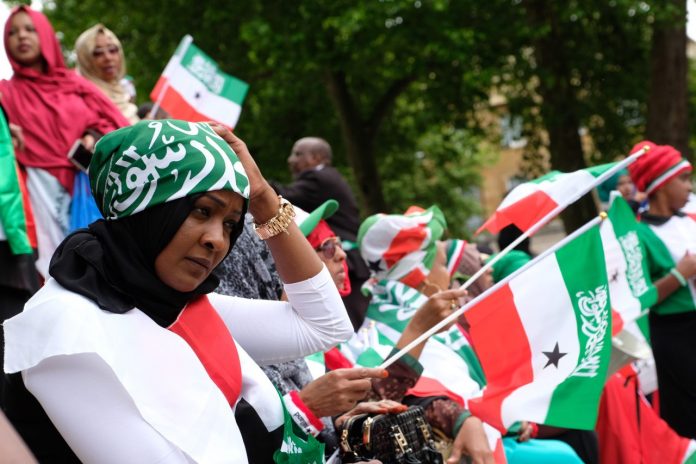
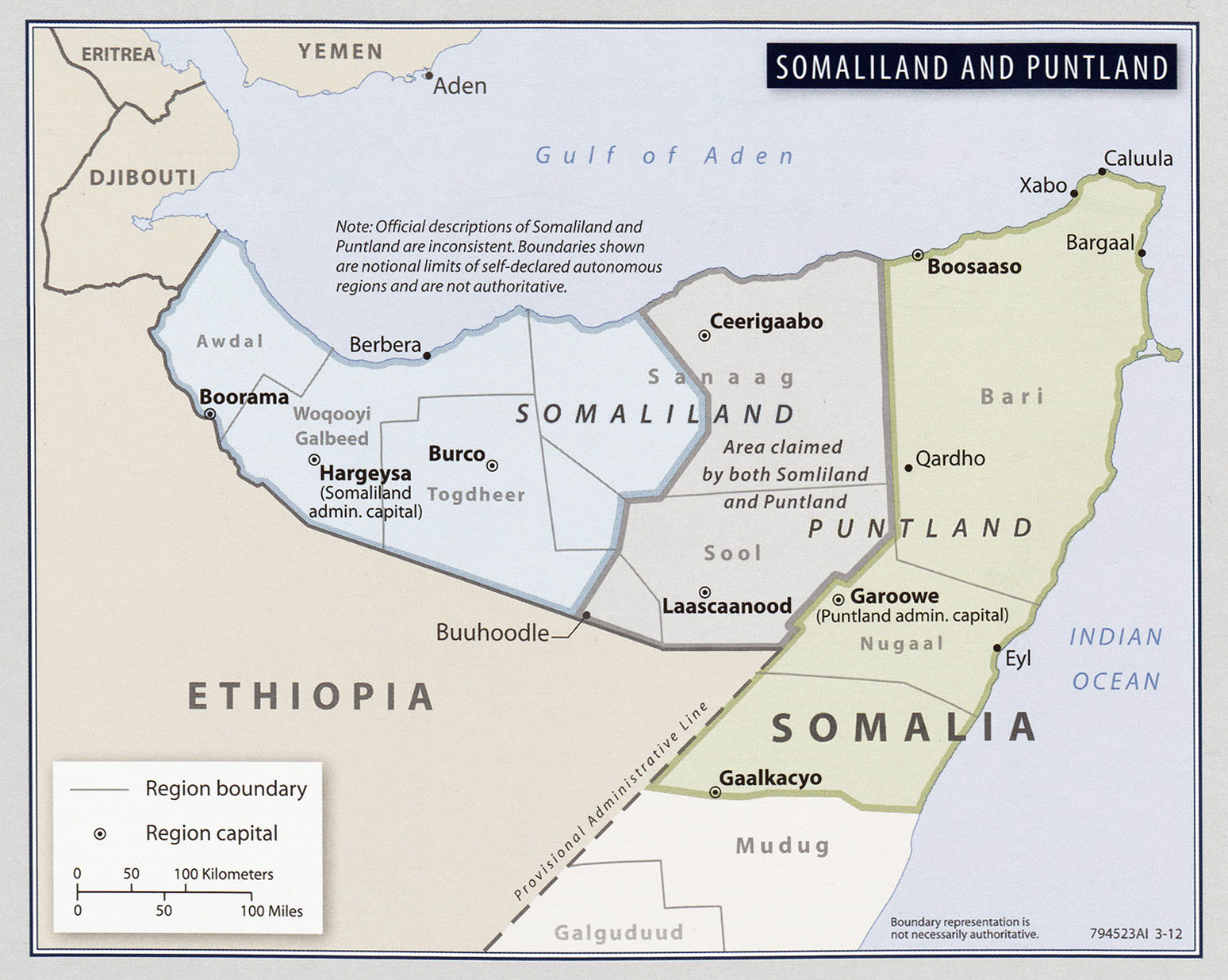
SomalilandBreakaway Somaliland is pulling out the stops to win US recognition, offering access to its strategic Berbera port, mineral deals, and even a Trump Tower. Recognition may not immediately be in the cards, but Berbera is particularly significant at the moment. It sits close to the Bab al-Mandeb Strait, the global shipping lane that Yemen's Houthis can potentially close at will. Somaliland is juicing its proposal with the prospect of a base for US forces (there have already been US military visits), and potentially for Israel—the only country to recognize its independence. The conservative Hudson Institute, among other voices in the US political establishment, is pushing Somaliland's case as a "bulwark" against the Houthis—and even Chinese influence. (Map: Somalia Country Profile)
Worsening Yemen conflict fuels mass displacement

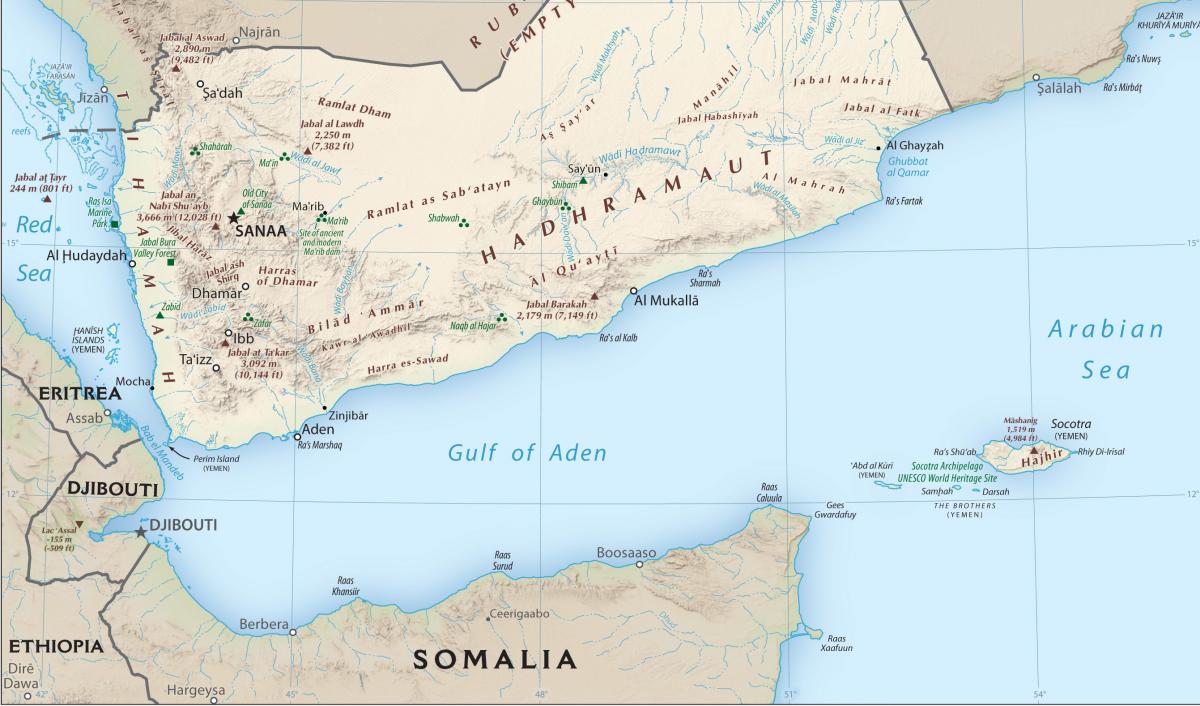
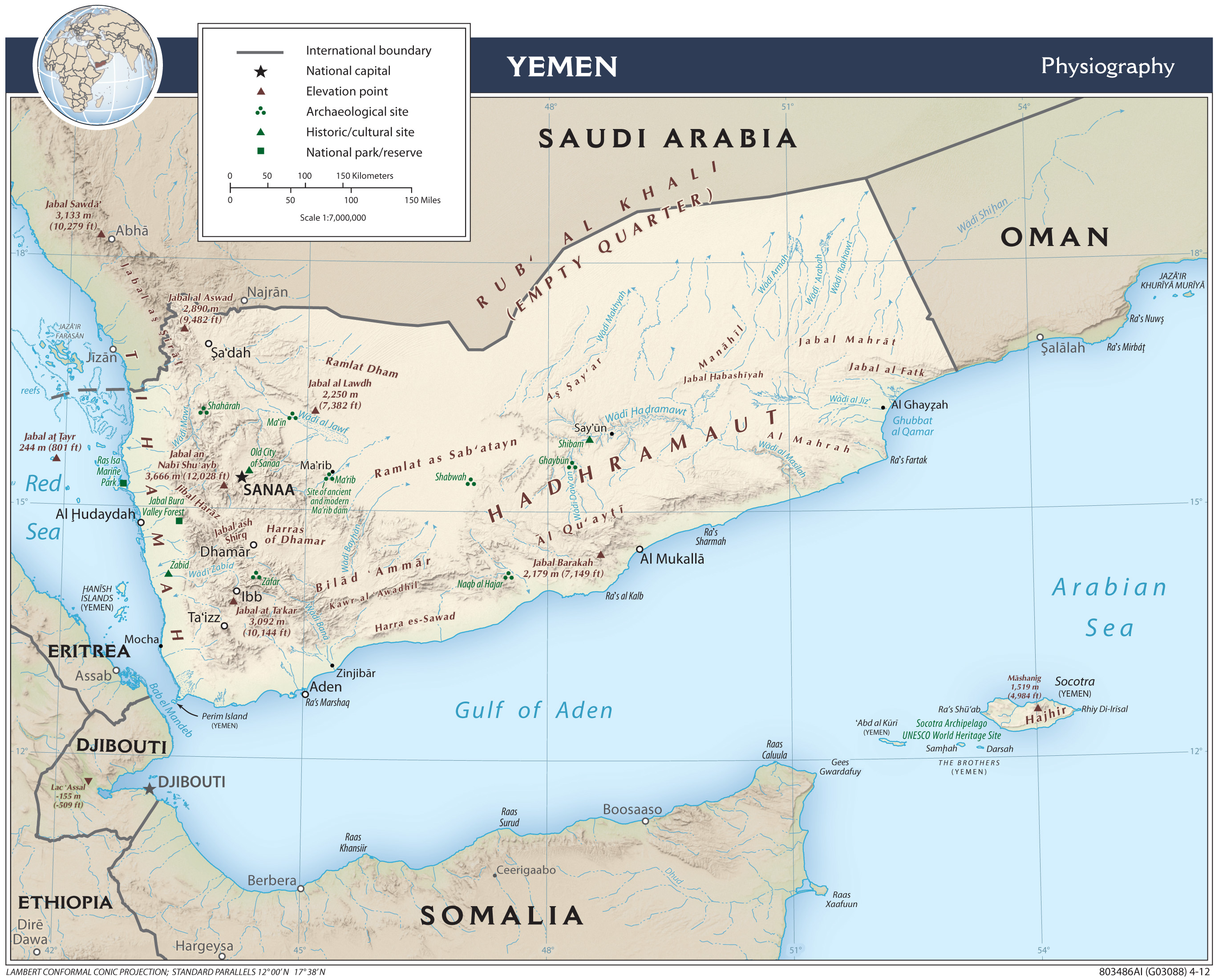
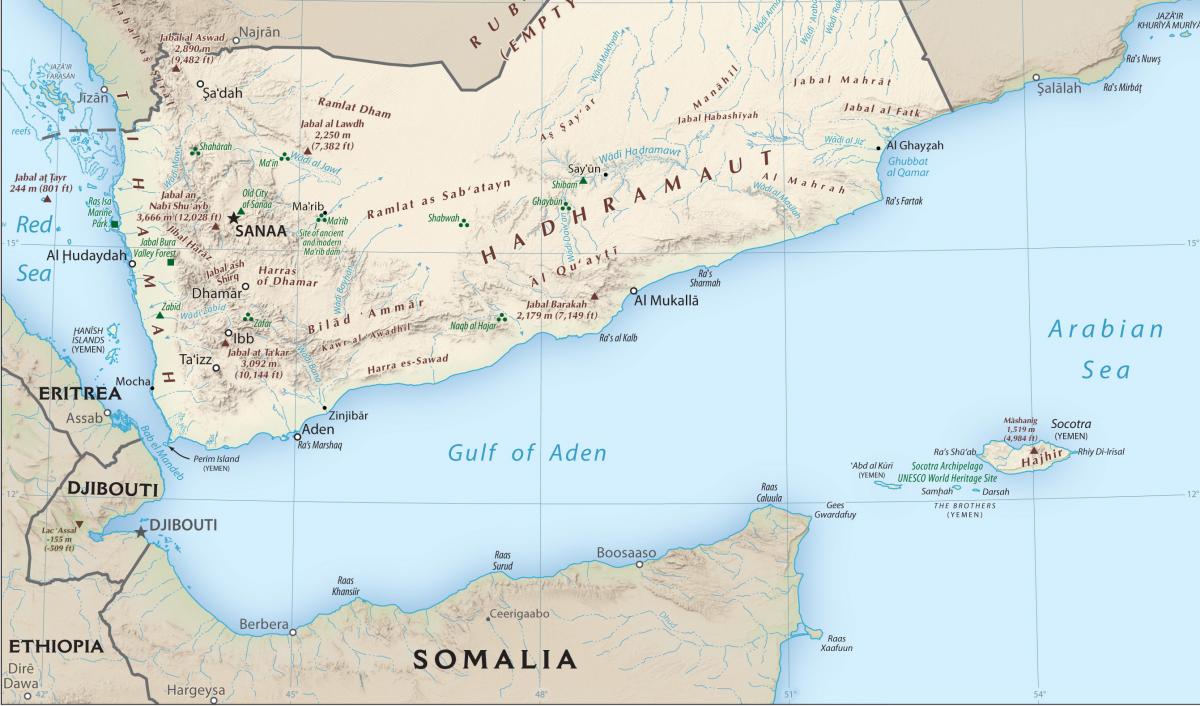
YemenThe UN High Commissioner for Refugees (UNHCR) expressed concern that mass displacement and the overall humanitarian crisis in Yemen will intensify as the ongoing conflict escalates. Fighting continues to expand, and has driven more than 130,000 people to flee since the beginning of September. The center of the crisis is Taiz, a city in southwestern Yemen, accounting for more than 60% of the new displacement. However, many families are unable to move from the besieged city to more secure locations due to fighting, roadblocks, or lack of access to fuel and transport. The UNHCR reports that growing numbers of Yemenis are becoming international refugees, fleeing across the Gulf of Aden to East Africa. More than 3,000 refugees have arrived in Djibouti and hundreds more have reached Somaliland and Puntland, autonomous states in northern Somalia. (Map via PCL)

UN Mission: foreign support fuels Sudan war

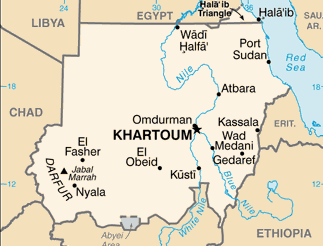
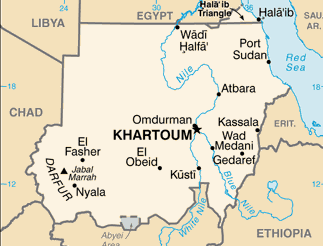
SudanThe UN Independent International Fact-Finding Mission on Sudan released a new report detailing how external support networks fuel the conflict and escalate civilian harm in the country. The Mission found that foreign-sourced weapons and personnel have significantly expanded the military capabilities of both the Sudanese Armed Forces (SAF) and the Rapid Support Forces (RSF), intensifying the conflict's scale and lethality. Although the UN Security Council has long imposed an arms embargo on Sudan, the Mission believes the RSF sources artillery, air-defense systems, drones, and other military equipment from individuals and entities in the United Arab Emirates, Chad, Libya and Somalia. The report stated that arms suppliers who violate the embargo contribute to crimes under international law. (Map: PCL)

UN warns of global spike in food prices

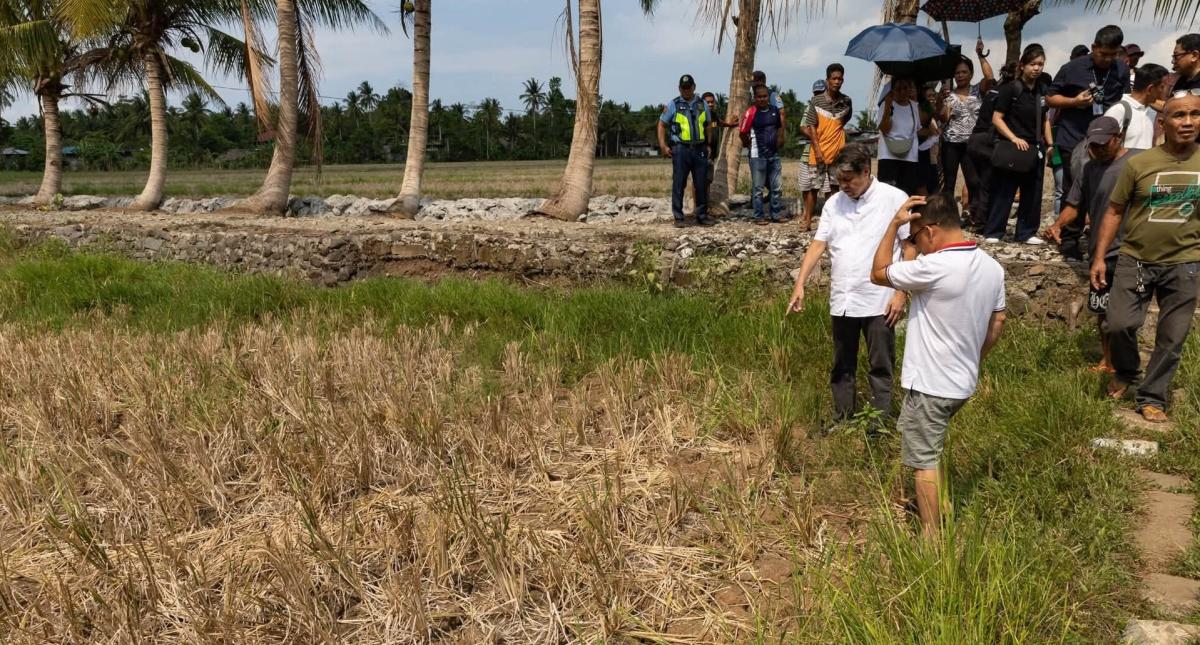
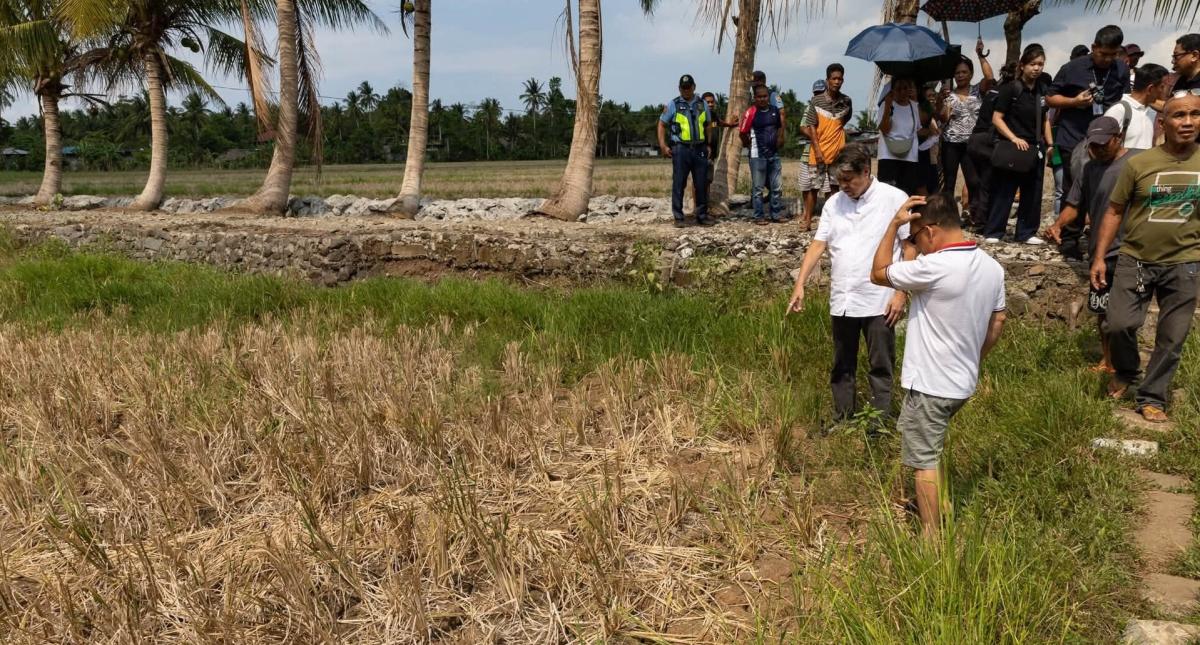
climate disasterThe United Nations reported that the cost of key foods increased in July as a result of searing heatwaves and ongoing geopolitical instability, which have affected crop yields and global energy prices amid persistent hunger risks in multiple countries. This situation is attributed to recurrent heatwaves, predicted effects of El Niño on this year's harvests, and growing uncertainty resulting from geopolitical tensions that have impacted the price of oil and disrupted global supply chains. (Photo: officials inspect dry rice fields in Philippines. Credit: Sen. Kiko Pangilinan via Wikimedia Commons)

US blocks funding for AU mission in Somalia

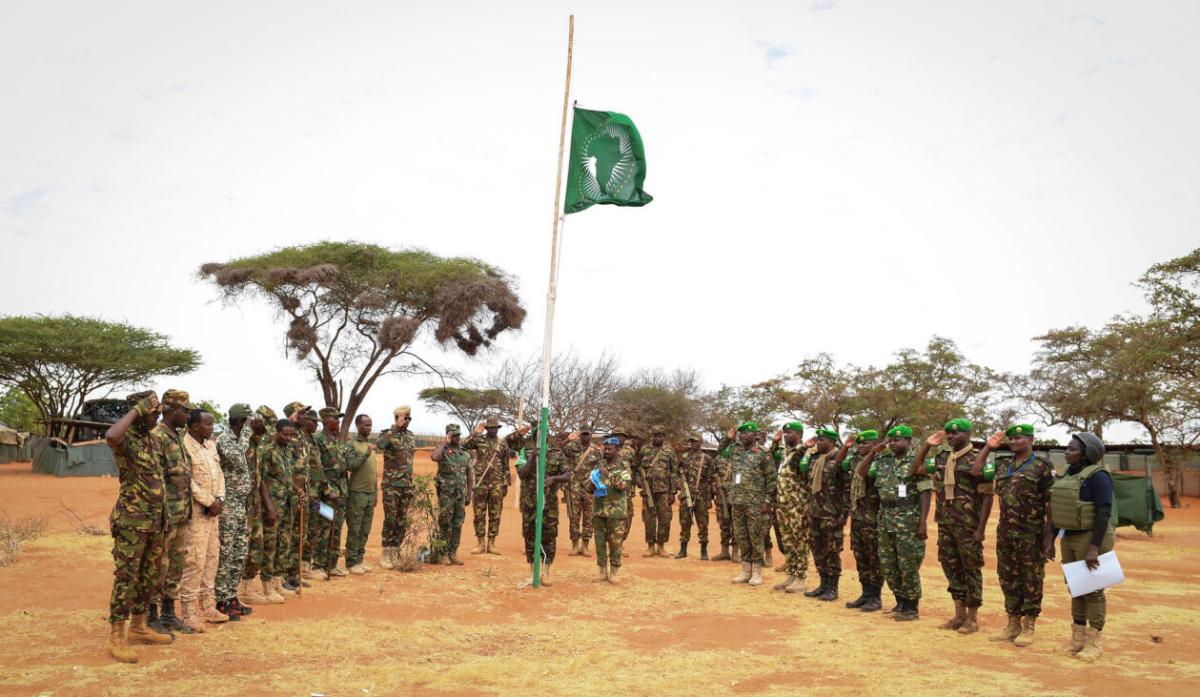
AUSSOMThe blocking by the US of UN funding to African Union (AU) forces in Somalia starting next year is a body blow to a mission that has long been on financial life-support. The UN Support Office in Somalia (UNSOS) provides the logistical backing critical to the functioning of the AU mission. Without that underpinning, it's hard to see how the AU's 11,800-strong force can continue. That became evident when Washington vetoed the application to Somalia of UN Resolution 2719 on peacekeeping cost-sharing. The AU's near two-decade mission has done significant work. Despite heavy casualties, it succeeded in ousting al-Shabab from Mogadishu—a daunting task the UN and the rest of the international system was unwilling to take on—and continued to protect Somalia's fractious political elite from the jihadist insurgency. But the inability of Somalia to grow and deploy its own security forces to consolidate territorial gains secured by the AU resulted in deadly mission creep and effectively tore up any putative exit plan. Instead, the AU has soldiered on in the absence of a workable political strategy, and with ever-shrinking sources of financing. (Photo: AUSSOM)

WFP: mass food insecurity if Mideast conflict continues

WFPThe World Food Programme (WFP) warned that the escalating hostilities in the Middle East could lead to record levels of food insecurity, and the largest disruption in the global economy and humanitarian efforts since the COVID-19 pandemic. Due to the heavy reliance of food and aid distribution on energy, the skyrocketing price of oil has placed heightened strain on already vulnerable aid supply lines. WFP chief operating officer Carl Skau said: "If this conflict continues, it will send shockwaves across the globe, and families who already cannot afford their next meal will be hit the hardest." Skau urged the international community to mount an adequately funded humanitarian response. Sudan and Somalia were named as particularly vulnerable. (Photo: Alex Blokha via Wikimedia Commons)

UN condemns ‘alarming’ global increase in executions

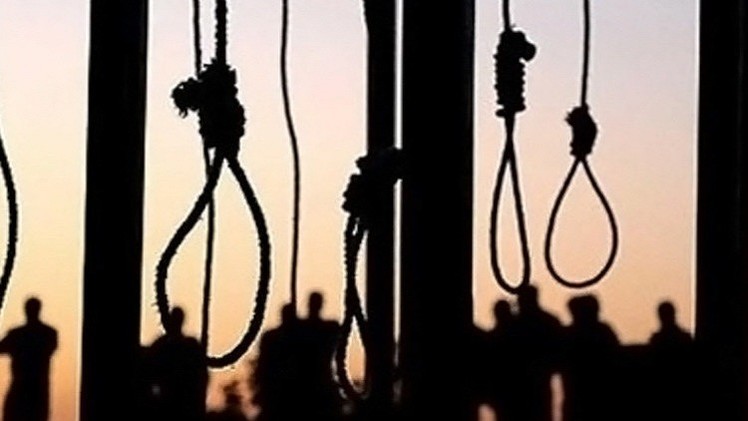
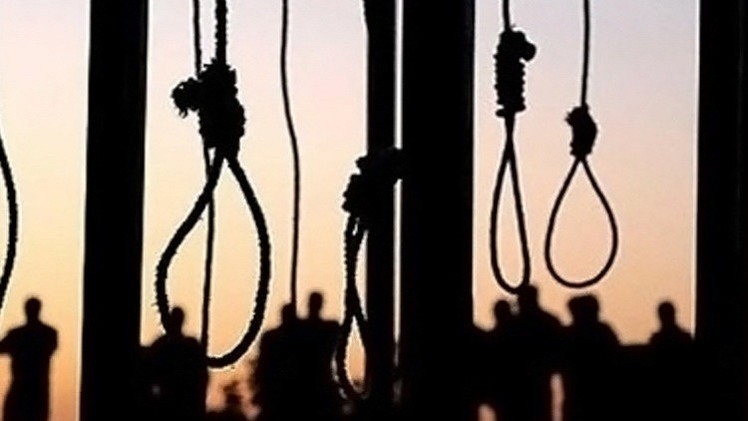
executionsThe UN Human Rights Office raised concern over a "sharp hike" in the number of executions globally in 2025. UN High Commissioner for Human Rights Volker Türk said his office "monitored an alarming increase in the use of the capital punishment in 2025, especially for offences not meeting the 'most serious crimes' threshold required under international law, the continued execution of people convicted of crimes committed as children, as well as persistent secrecy around executions." The increase primarily came from executions for drug-related offenses in a small number of retentionist states. These are countries that continue to retain capital punishment, as opposed to the growing number of abolitionist states. which do not employ the death penalty. (Photo: ICHRI)

Iran and Minneapolis: fearful symmetry

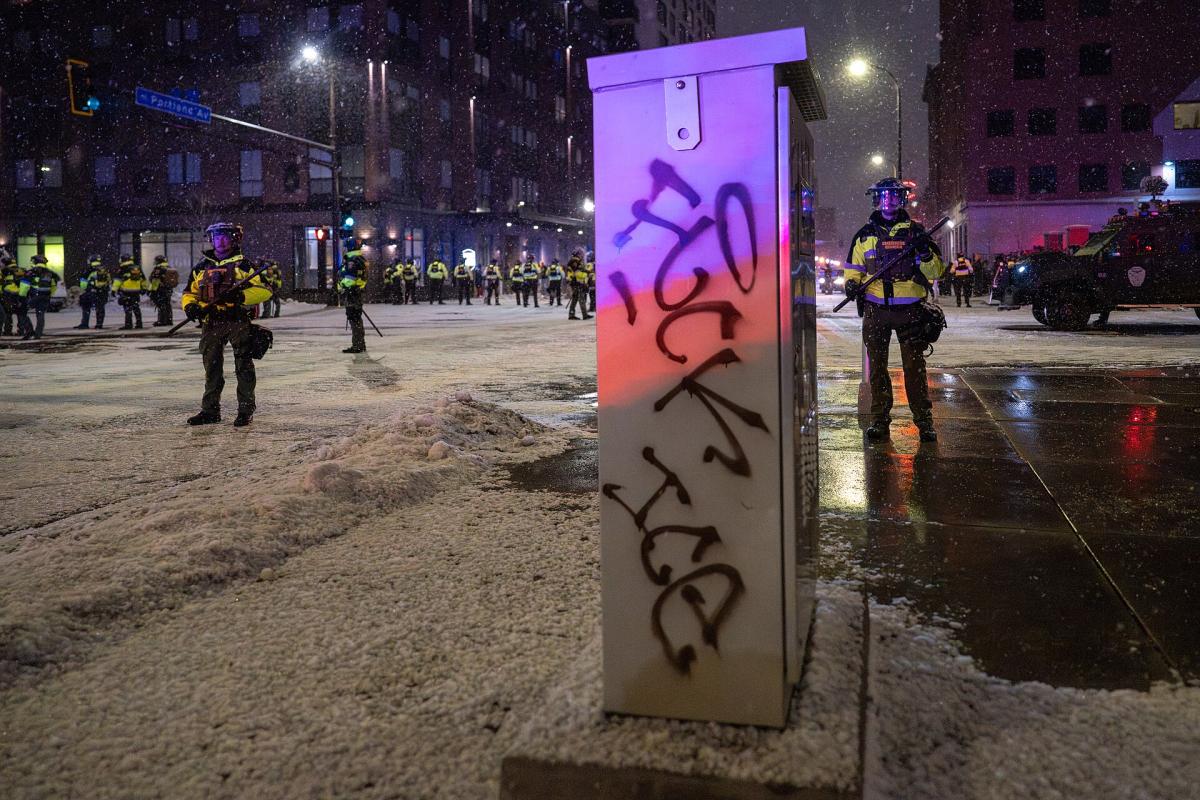
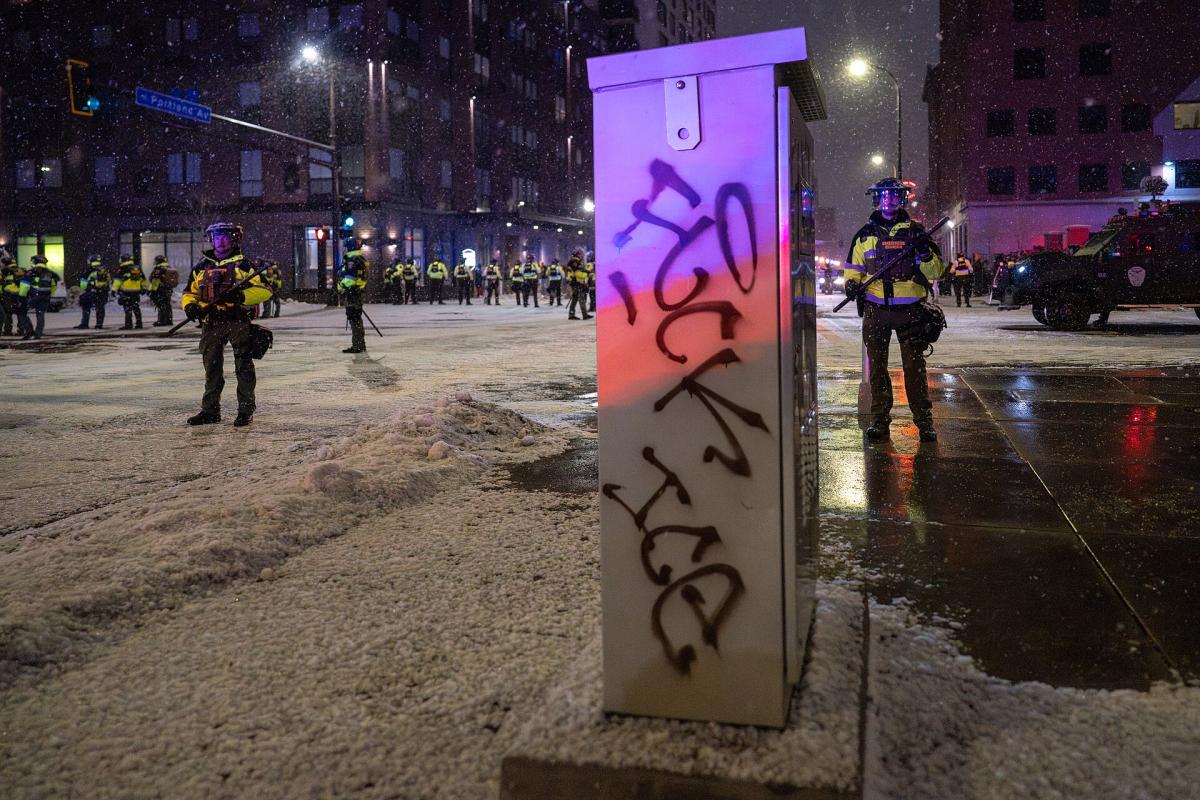
ICEAs ICE agents open fire on protesters in Minneapolis, Portland and Los Angeles, Trump frames his military threats against Iran in terms of human rights and democracy—an atypical nod back to the neocons. Following mass deadly repression, the protests in Iran appear to have abated—for now. In Minnesota, both Trump and protesters are turning up the heat. Trump's blatant hypocrisy highlights the imperative of international solidarity. The challenge for stateside protesters is to repudiate the calumny that the Iran protests are CIA or Mossad astroturf, and recognize them as a genuine self-organized popular uprising. The challenge for Iranian protesters is repudiate Trump's bid to exploit them for his imperial ends, as well to reject the ambitions of the reactionary "crown prince" Reza Pahlavi to install himself as leader. In Episode 313 of the CounterVortex podcast, Bill Weinberg urges that explicit mutual support between the anti-authoritarian struggles in the US and Iran is what can move the historical process forward at this grim hour. (Photo: Chad Davis)

Trump threatens to invoke Insurrection Act

Fuck ICEPresident Donald Trump warned that he may invoke the Insurrection Act to deploy troops in Minnesota to quell protests over the massive deployment of Immigration & Customs Enforcement (ICE) agents to the Twin Cities. The Insurrection Ac, originally enacted in 1792, allows the president to "call into Federal service such of the militia of the other States" in order to suppress insurrection or rebellion. The Insurrection Act has not been significantly updated in over 150 years, and the last time a US president invoked the Act was in 1992, when President George HW Bush received a request from then-California Governor Pete Wilson to help address riots in Los Angeles. Trump has broached invoking the Act before, and has since met with reversals in the courts over his efforts to mobilize National Guard troops under the executive's constitutional "authority to suppress rebellion." (Photo: Chad Davis via Wikimedia Commons)

Somaliland and Western Sahara: forbidden symmetry

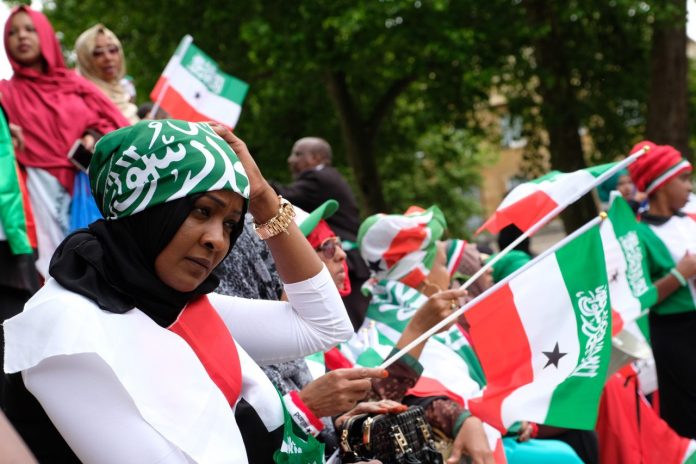
SomalilandIsrael has become the first country on Earth to recognize the de facto independent Republic of Somaliland, in exchange for a commitment from Somaliland to join the Abraham Accords and recognize Israel. However, not three years ago, Israel joined the US as the only two countries on Earth to recognize Morocco's claim to sovereignty over the disputed territory of Western Sahara—a betrayal of the occupied Sahrawi Arab people who seek an independent state. And of course both these deals constitute a betrayal of the Palestinians. Somaliland and the Sahrawi Arab Democratic Republic should be natural allies, and instead they are being pitted against each other in the Great Power game. Yet another example of how a global divide-and-rule racket is the essence of the state system. In Episode 311 of the CounterVortex podcast, Bill Weinberg breaks it down. (Photo: Horn Diplomat via Wikipedia)

World leaders reject Israeli recognition of Somaliland

SomalilandA group of 21 Arab, African and Islamic nations issued a joint statement formally rejecting Israel's recognition of Somaliland as an independent state. The statement asserted that recognizing Somaliland as a nation independent of Somalia constitutes a grave violation of international law, emphasizing the "serious repercussions of such [an] unprecedented measure on peace and security in the Horn of Africa, the Red Sea, and its serious effects on international peace and security as a whole." This statement followed a declaration signed by Israeli President Benjamin Netanyahu and Somaliland President Abdirahman Mohamed Abdullahi, making Israel the first country on earth to recognize Somaliland. As part of the deal, Somaliland is expected to recognize Israel under the Abraham Accords. President Donald Trump brokered the Abraham Accords in his first term, seeking to establish diplomatic ties between Israel and Arab nations. However, despite the Trump administration's failed proposition earlier this year for Somaliland to take in Palestinians from Gaza, the US State Department announced that Washington will continue to recognize the territorial integrity of Somalia, "which includes the territory of Somaliland." (Map: Somalia Country Profile)
Houthi attacks on shipping condemned as war crimes

YemenHuman Rights Watch criticized renewed attacks launched by Yemen's Houthi rebels on commercial cargo ships in the Red Sea. HRW characterized the recent attacks—one deadly—as  war crimes, and called for their immediate cessation as well as the release the crew members in Houthi custody. Houthi authorities claimed one of the attacked ships, which was returning from delivering aid to Somalia, was headed for the Israeli port of Eilat. However, this has not been corroborated. (Map via PCL)