Mexico
Chihuahua

CIA operation in northern Mexico revealed

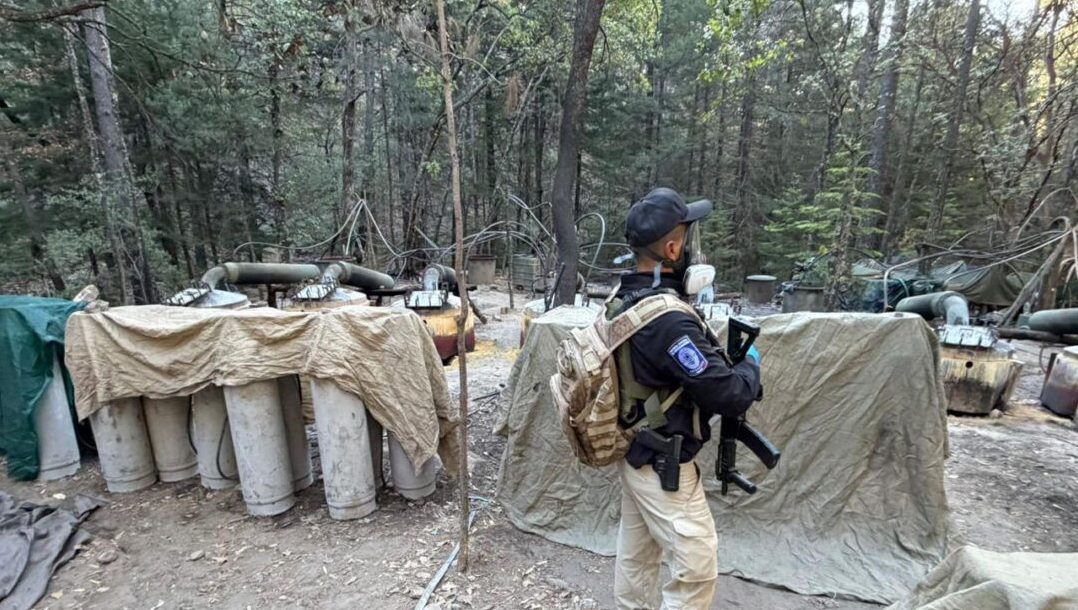
Two US embassy “instructors” killed when the vehicle carrying them plummeted down a mountain ravine in northern Mexico’s Chihuahua state were actually CIA officers, according to a Washington Post report. The revelation contradicts initial claims by Chihuahua Attorney General Cesar Jauregui denying that there was “any involvement of any foreign agent” in the raid on a methamphetamine lab raid in the remote southwestern corner of the state. The names of the two US personnel have not been revealed, but Chihuahua State Investigations Agency (AEI) director Pedro Román Oseguera Cervantes and one of his agents were also killed in the crash that took place during the operation. President Claudia Sheinbaum said after the revelation of apparent CIA involvement that she is considering sanctions against the government of Chihuahua, asserting that any security collaboration with the US must be approved by Mexico’s federal government. (Photo: AEI via CBS News)

Planet Watch
EZLN

Zapatistas: ‘nation-state under attack’

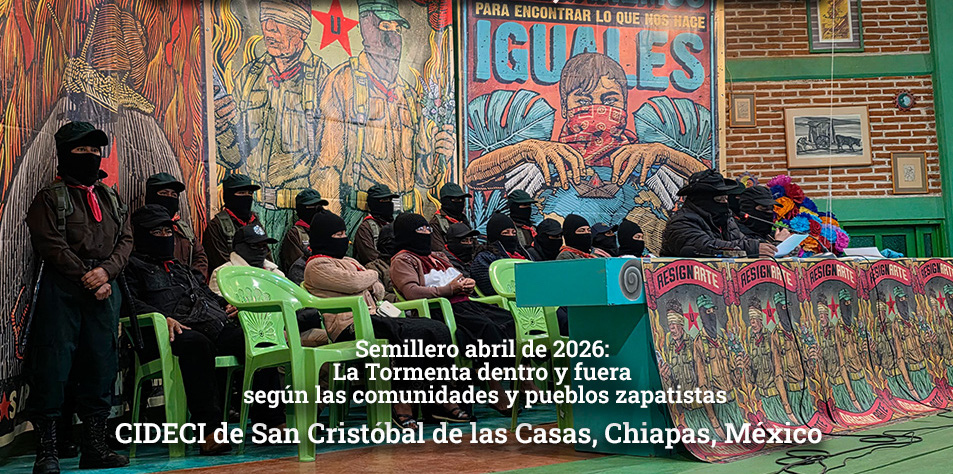
Mexico’s Zapatista rebels—who have observed a long ceasefire but still have a zone of control in the back-country of Chiapas state—held an international gathering in the highland city of San Cristóbal de Las Casas. Featured speaker was a ski-masked “Captain Marcos,” presumably the same charismatic spokesman once known as “Subcommander Marcos.” He delivered an exegesis entitled “A Peephole into the Storm in the World: Nation-States Under Attack” (Una mirilla a la Tormenta en el Mundo: Los Estados-Nación bajo ataque). Marcos portrayed a supra-national imperialism under Donald Trump, in which “the nation-state has no decision-making power.” Marcos decried the “kidnapping” of Nicolás Maduro from Venezuela, and the US oil blockade on Cuba, noting that Mexico has been effectively barred from shipping oil to the Caribbean island nation. He also asserted that in the US-Israeli war against Iran, the big oil companies are the ones who benefit, as the price of oil rises. “That’s what needs to be discussed: who is profiting from these wars?” (Image: Enlace Zapatista)

Mexico
madres

Mexico: demand UN action on enforced disappearances

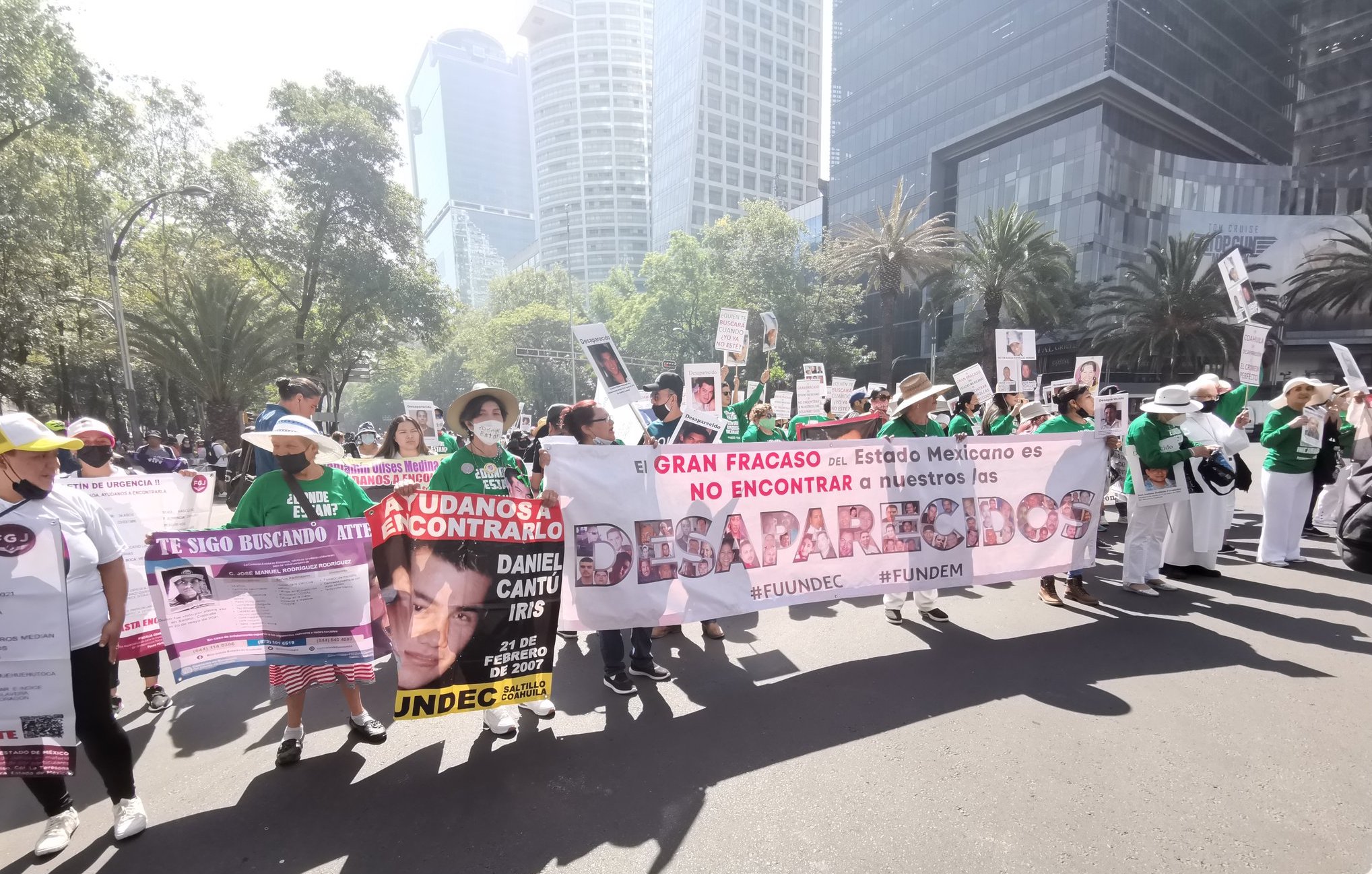
The UN Committee on Enforced Disappearances (CED) requested that the United Nations secretary-general refer the crisis of enforced disappearances in Mexico to the General Assembly for consideration of response measures. The CED announced that since it began monitoring the situation in 2012 it had received “well-founded indications that enforced disappearances in Mexico have been and continue to be committed as crimes against humanity.” The findings included the ongoing discovery of clandestine graves, with an estimated 4,500 graves found, containing over 6,200 bodies and 4,600 sets of human remains. This contributes to a total of approximately 72,000 unidentified human remains found by authorities or self-organized citizen search committees. (Photo via Twitter)

Watching the Shadows
Aegis

‘Donroe Doctrine’ threatens hemisphere

As Nicolás Maduro appeared in federal court in New York, Trump made explicit military threats against Colombia, Mexico, Cuba and Greenland—prompting protests from those countries’ leaders. In defense of his bellicosity, Trump invoked the notion of Latin America as a US influence sphere that was articulated in his recent National Security Strategy, calling it the “Donroe Doctrine.” (Photo: US Navy via Latin America Reports)

Mexico
Manzo

Mexico: specter of US strikes amid cartel terror

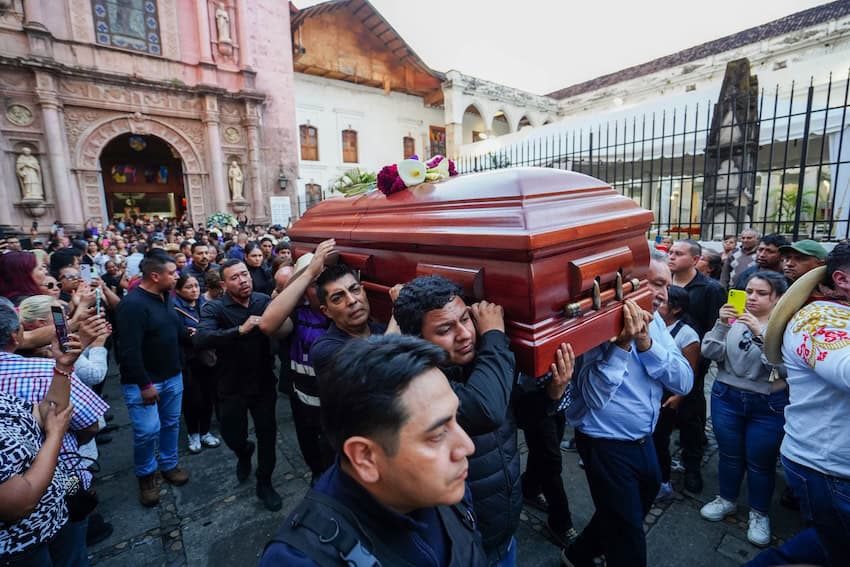
Mayor Carlos Alberto Manzo Rodríguez was assassinated during a Day of the Dead celebration in the main square of Uruapan, in the violence-torn Mexican state of Michoacán. He had been an outspoken opponent of the drug cartels and their reign of terror in the state, and his death sparked protests across Michoacán. The US State Department said in response to the killing that the United States is ready to “deepen security cooperation with Mexico to wipe out organized crime on both sides of the border.” But this comes as the specter of unilateral US intervention has been raised. NBC News reports that the White House has started planning a “potential mission” involving US troops and intelligence officers to target the cartels on Mexican soil. (Photo: Juan José Estrada Serafín/Cuartoscuro.com via Mexico News Daily)

Africa
deportees

West Africans deported by US sue Ghana government

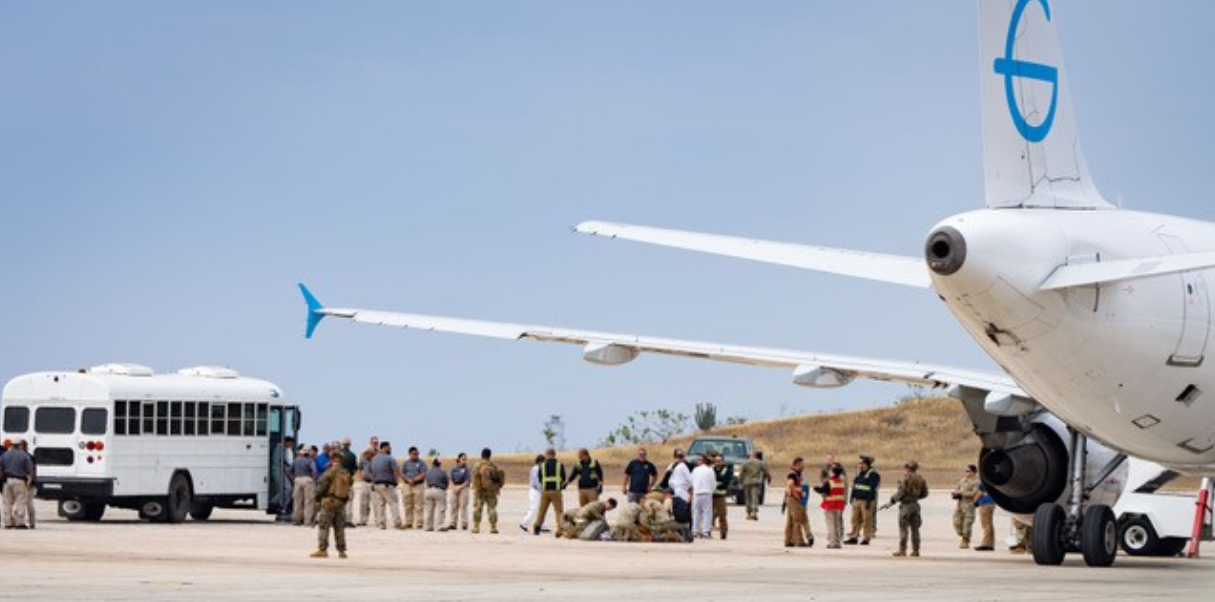
Eleven individuals deported from the US to Ghana filed a lawsuit against the Ghana government, charging that they were illegally held in a military detention camp. The legal action reflects the chaotic fallout following the deportations, which have resulted in deportees being scattered and “dumped” into neighboring African countries. The deportees are of multiple West African nationalities, none of which is Ghanaian. The deportations arose from a “third country deportation” agreement between the US and Ghana earlier this year. Ghana’s parliamentary minority bloc has now called for its suspension, as leaders claim the government entered into the agreement without proper legislative approval. (Photo: Venezuelan deportees in Honduras. Credit: ICE via Wikimedia Commons)
Mexico
Culiacán

Mexico: march for peace in violence-torn Culiacán

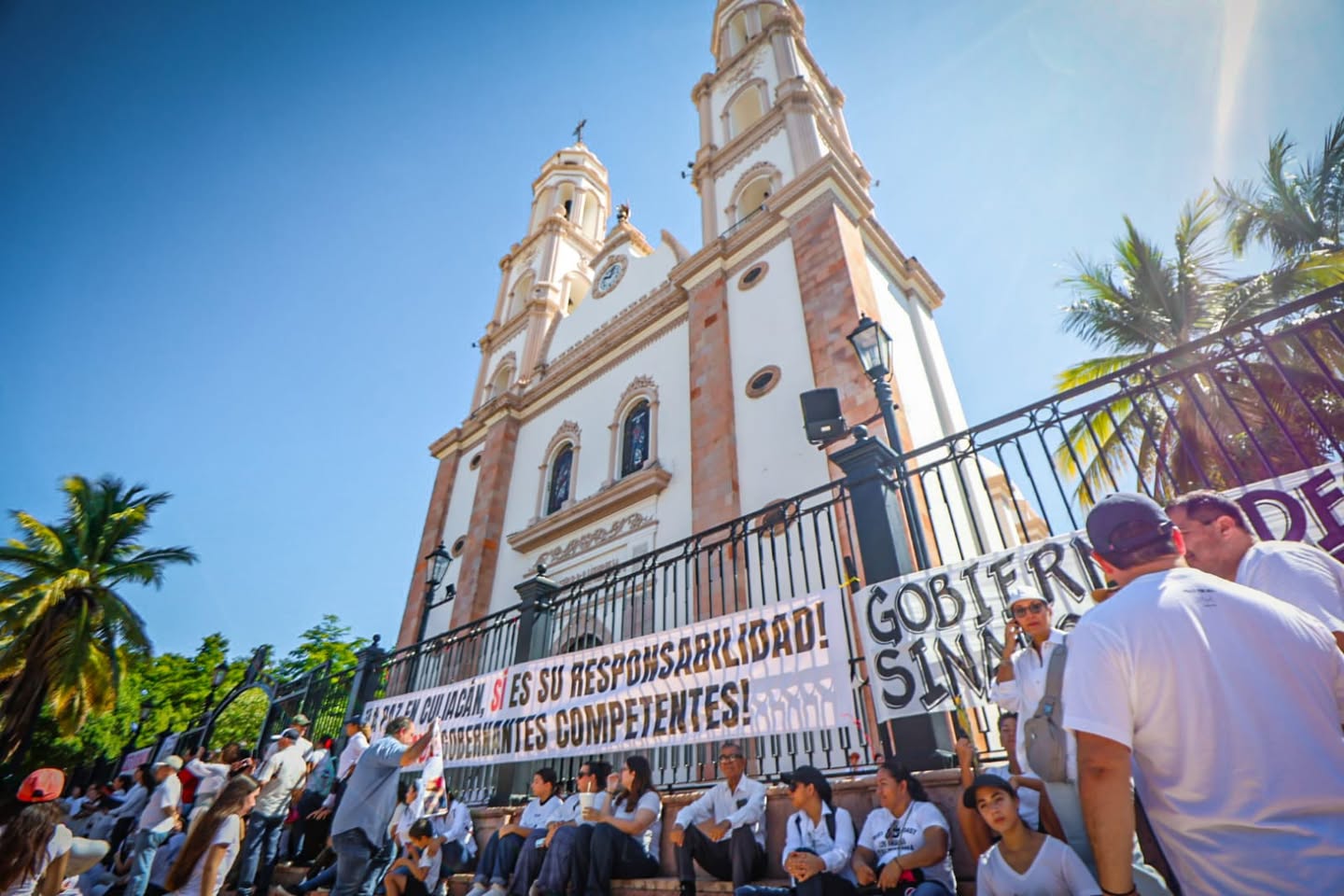
Civil society organizations in the Mexican city of Culiacán, capital of Sinaloa state, held a march for social peace that brought tens of thousands to the streets, with ongoing public vigils over the following days. Held under the slogan “Ya basta, queremos paz” (Enough already, we want peace), the mobilization was called to mark one year since an outbreak of violence in the city as rival factions of the Sinaloa Cartel vied for supremacy. The death toll in Sinaloa over the past year is said to exceed 1,800, with local activists counting another 2,800 disappeared. (Photo: Trasciende Noticias via Facebook)

Mexico
Tapachula

Trump-induced migration crisis in Mexico

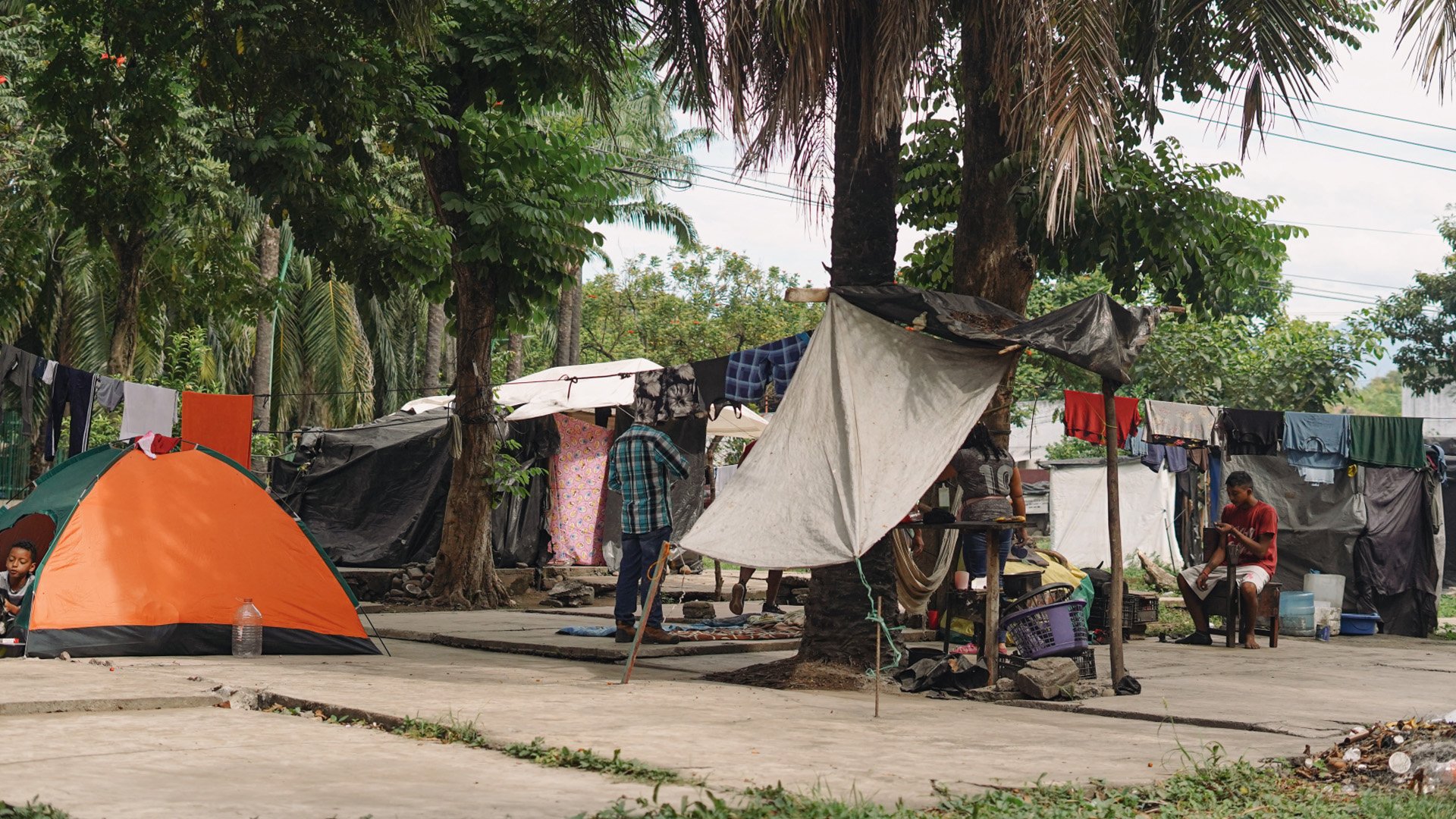
President Donald Trump’s migration crackdown has been credited with reducing flows northward towards the United States, but it is leaving hundreds of thousands of migrants and asylum seekers trapped in a legal limbo further south, anxiously wrestling with what to do next. People on the move are now stranded in precarious living conditions across Mexico, more exposed than ever to violence, abuse and privation. (Photo of Tapachula migrant camp: Daniela Díaz for The New Humanitarian)

Mexico
Búsqueda

Demand Mexico investigate mass killing site

Human Rights Watch published a report urging Mexican authorities to conduct a “thorough” and “impartial” investigation into an apparent mass killing site outside the city of Guadalajara, in Jalisco state. A local collective called the Jalisco Search Warriors uncovered the site on an isolated ranch, where they found “bone fragments…hundreds of shoes, clothing items, charred human remains, and three underground ovens on a ranch.” The discovery was made while attempting to locate missing individuals or their remains, with local citizens organizing the effort in the absence of a sufficient response by the authorities. (Photo: Mtenaespinoza via Wikimedia Commons)

Mexico
Gulf of America

Mexico threatens legal action against Google

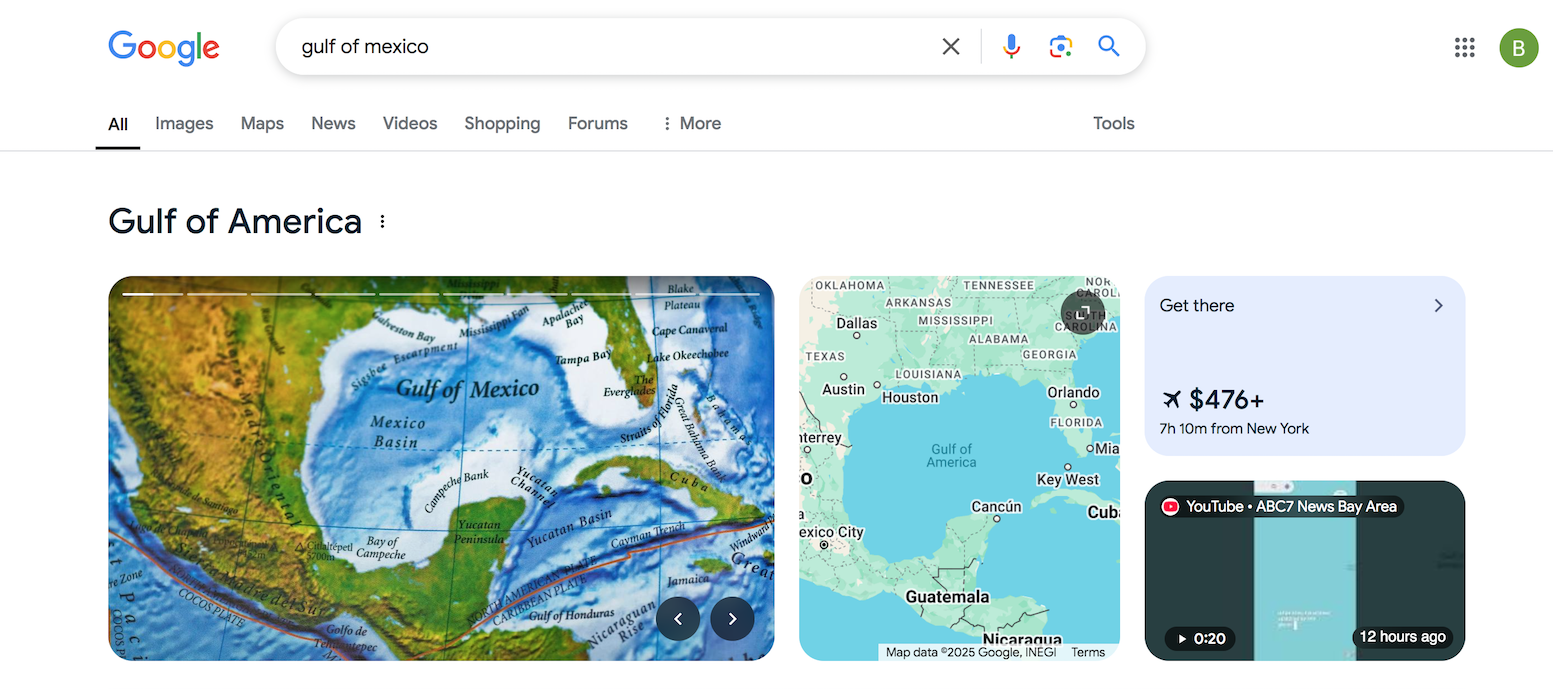
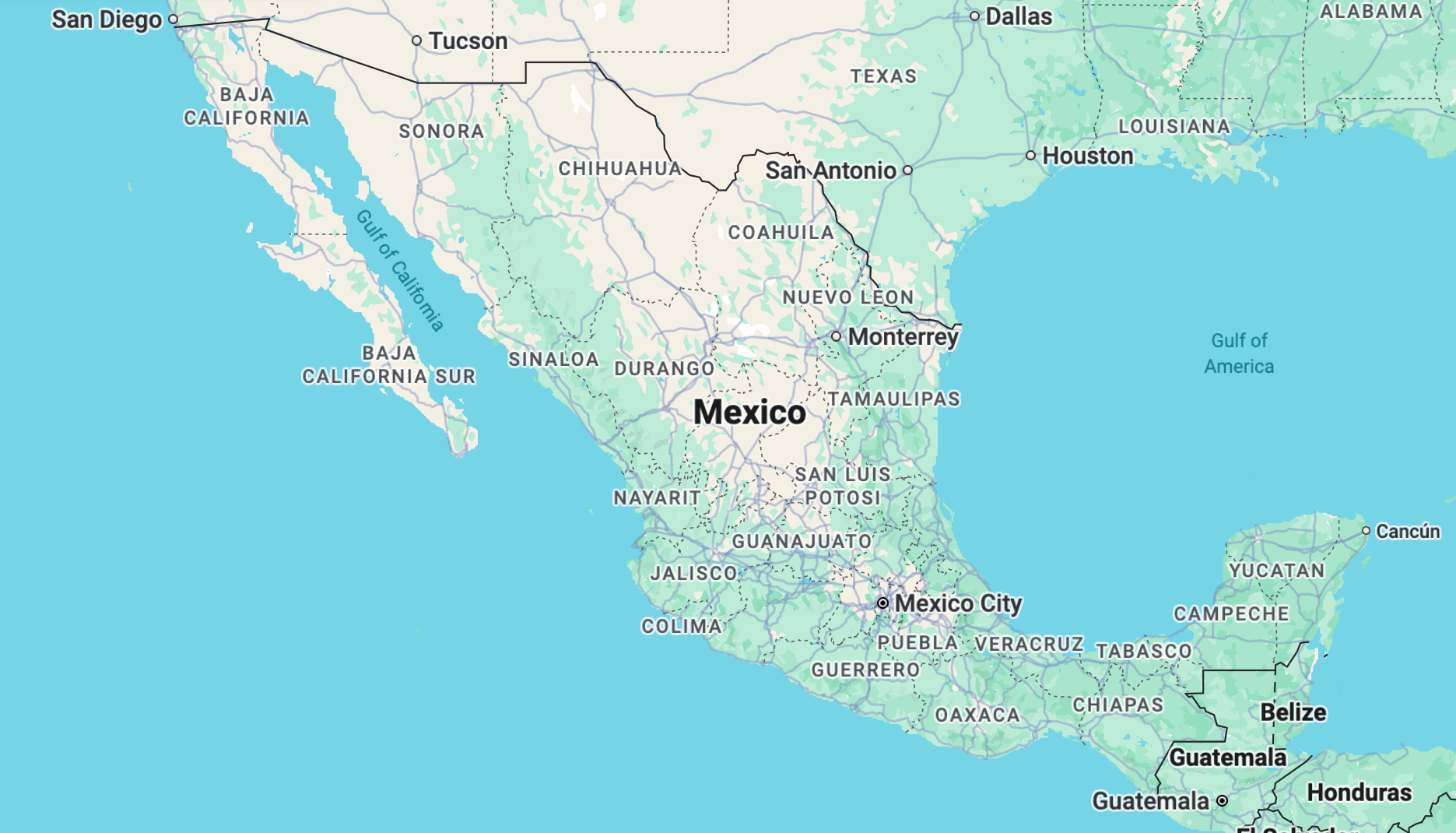
Mexico’s President Claudia Sheinbaum threatened to take Google to court if its map feature continues to show US-based users the label “Gulf of America” instead of “Gulf of Mexico.” President Donald Trump’s first day in office concluded with an executive order renaming the “Gulf of Mexico” as the “Gulf of America.” Sheinbaum argued in her letter to Google that the US did not have the right to rename the whole Gulf unilaterally. Sheinbaum stated that Trump’s executive order must cover only the portion of the body of water under US jurisdiction. She told reporters: “What Google is doing here is changing the name of the continental shelf of Mexico and Cuba, which has nothing to do with Trump’s decree, which applied only to the US continental shelf.” In fact, Trump’s order defines the Gulf as “extending to the seaward boundary with Mexico and Cuba.” (Image: Google)

Mexico
operativo frontera norte

Mexico launches ‘Operativo Frontera Norte’

Mexico has launched a massive deployment of 10,000 troops to cities and towns on the border with the United States. Videos and photos posted on social media by Mexico’s Secretariat of National Defense (SEDENA) showed military and National Guard troops lined up boarding transport planes and rows of army trucks rolling out from bases in Mexico City, Tlaxcala and other cities. The response—dubbed “Operativo Frontera Norte”—is part of an agreement reached between US President Donald Trump and Mexican President Claudia Sheinbaum postponing trade tariff threats for a month. (Photo: SEDENA via Peninsula360)

Mexico
corn

Trade panel strikes down Mexico GMO corn ban

A trade dispute panel convened under the US-Mexico-Canada Agreement (USMCA) ruled that Mexico’s import restrictions on US genetically modified corn violates the accord. The conflict stems from a presidential decree published by Mexico in February 2023 instating an immediate ban on the use of genetically modified corn in dough and tortillas, and a gradual end to its use in animal feed and other products. The panel determined that the ban was not based on science, and contravened the market access required under the USMCA. However, advocacy groups such as Greenpeace are proponents of the corn decree and implored the US to respect Mexico’s sovereignty, arguing that market dominance of patented GMO varieties leads to the decline of indigenous strains and threatens food security. (Photo of indigenous Mexican corn varieties: Feria de Productores via Earth@Home)