Syria
Iran

Podcast: the new Syria in the Great Game
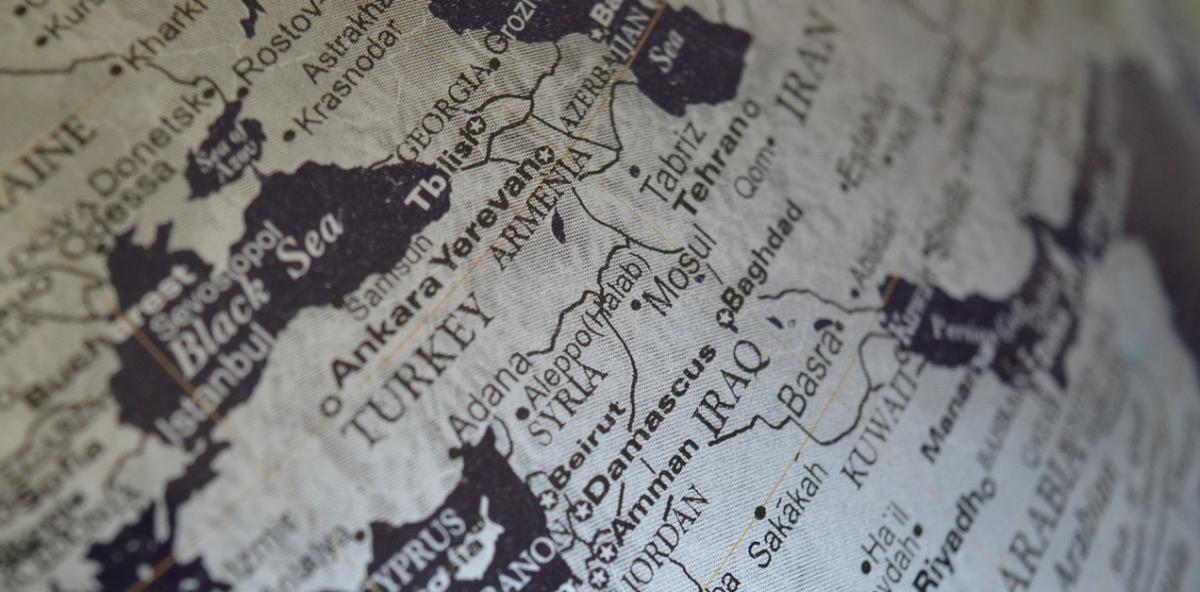
Syrian interim president Ahmed al-Sharaa’s White House meeting with Donald Trump followed the removal of his Hayat Tahrir al-Sham (HTS) from the list of designated “terrorist organizations” both at the State Department and at the UN. It also coincided with raids against ISIS by his security forces, raising the prospect of his government being invited to join the US-led Global Coalition to Defeat ISIS. The Washington visit also came just a month after al-Sharaa’s similar trip to meet Vladimir Putin in Moscow, where a deal was brokered allowing Russia to keep its military bases in Syria. Amid all this, Syria continues to see forced disappearances and other abuses targetting Druze, Alawites and Kurds—pointing to the looming threat of an ethnic or sectarian internal war. The US troop presence in Syria is largely embedded among the Kurdish forces in the east. As al-Sharaa becomes a new “anti-terrorist” partner (or proxy) for the Great Powers, will these troops be withdrawn—providing a “green light” for Damascus to attack the Kurdish autonomous zone? In Episode 305 of the CounterVortex podcast, Bill Weinberg weighs the risks at this critical moment in Syria’s transition process, nearly one year after the fall of the Assad dictatorship. (Image: Pixabay)
Planet Watch
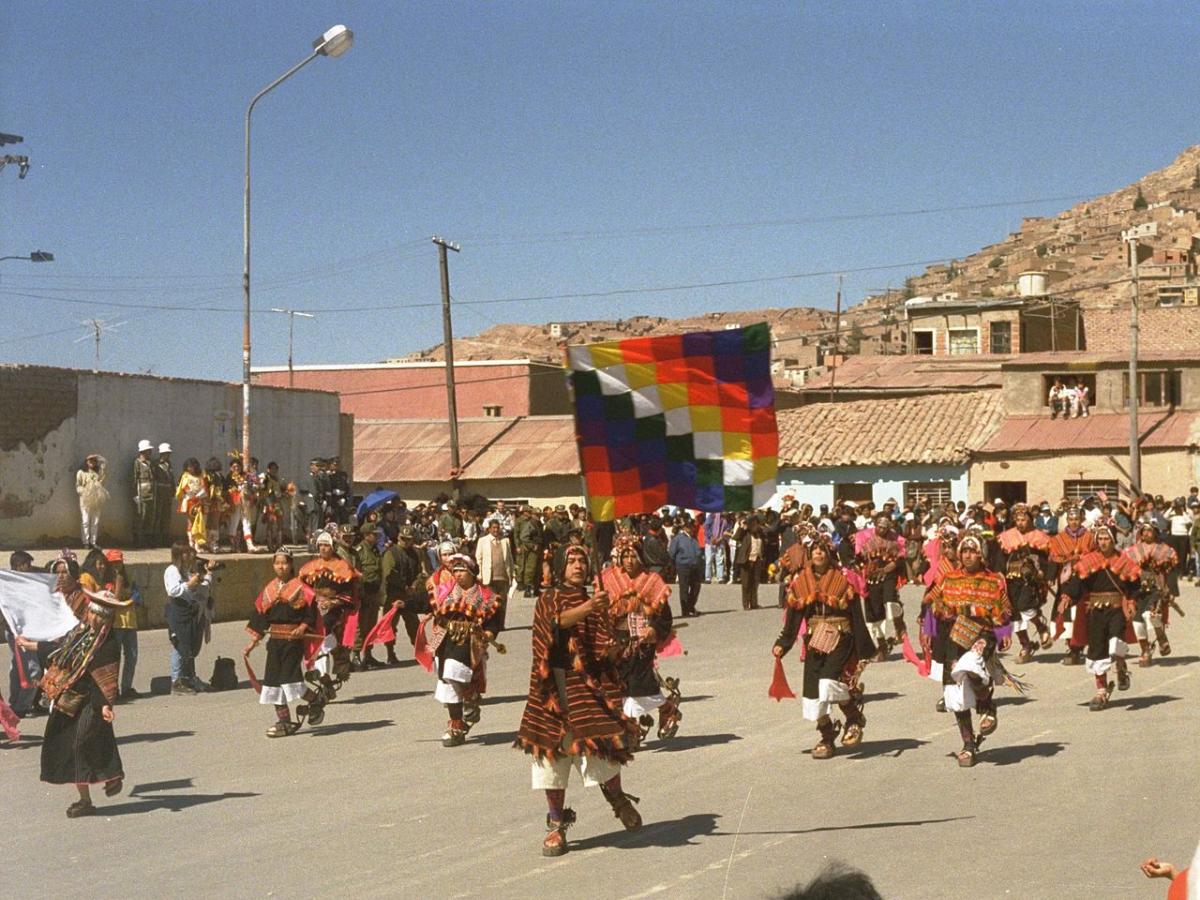
Wiphala

Bolivia, Syria & the challenge of plurinationalism

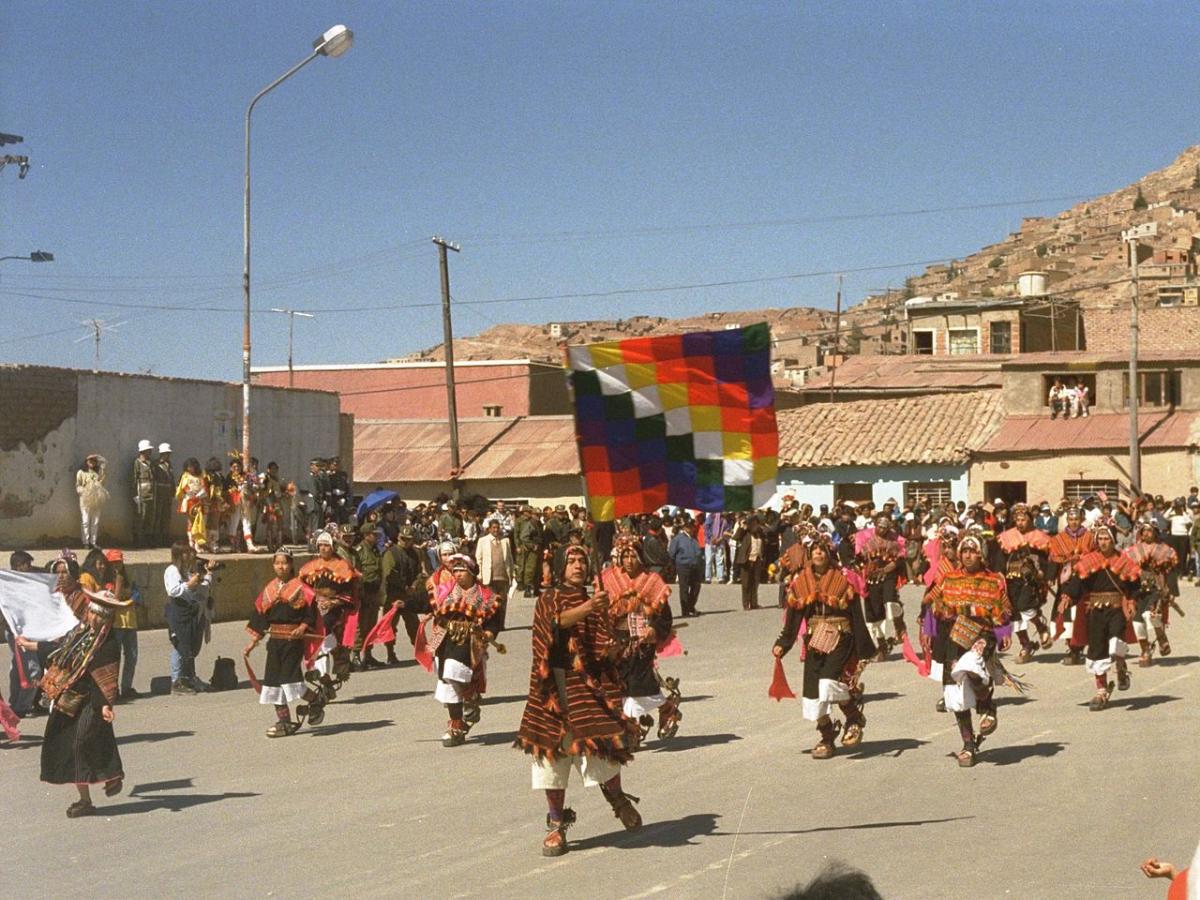
The recent political reversal in Bolivia raises the question of whether the advances of nearly 20 years of rule by the indigenist left will survive—including a constitution that refounded the state as a “plurinational” republic. In Episode 299 of the CounterVortex podcast, Bill Weinberg explores how the lessons of the Bolivian experience can be applied to Syria, where the new revolutionary government faces a challenge in Kurdish and Druze demands for regional autonomy. (Photo: Aymara march in Oruro, Bolivia. Via Wikipedia)

Syria
Damascus

Syria: revolution on the razor’s edge

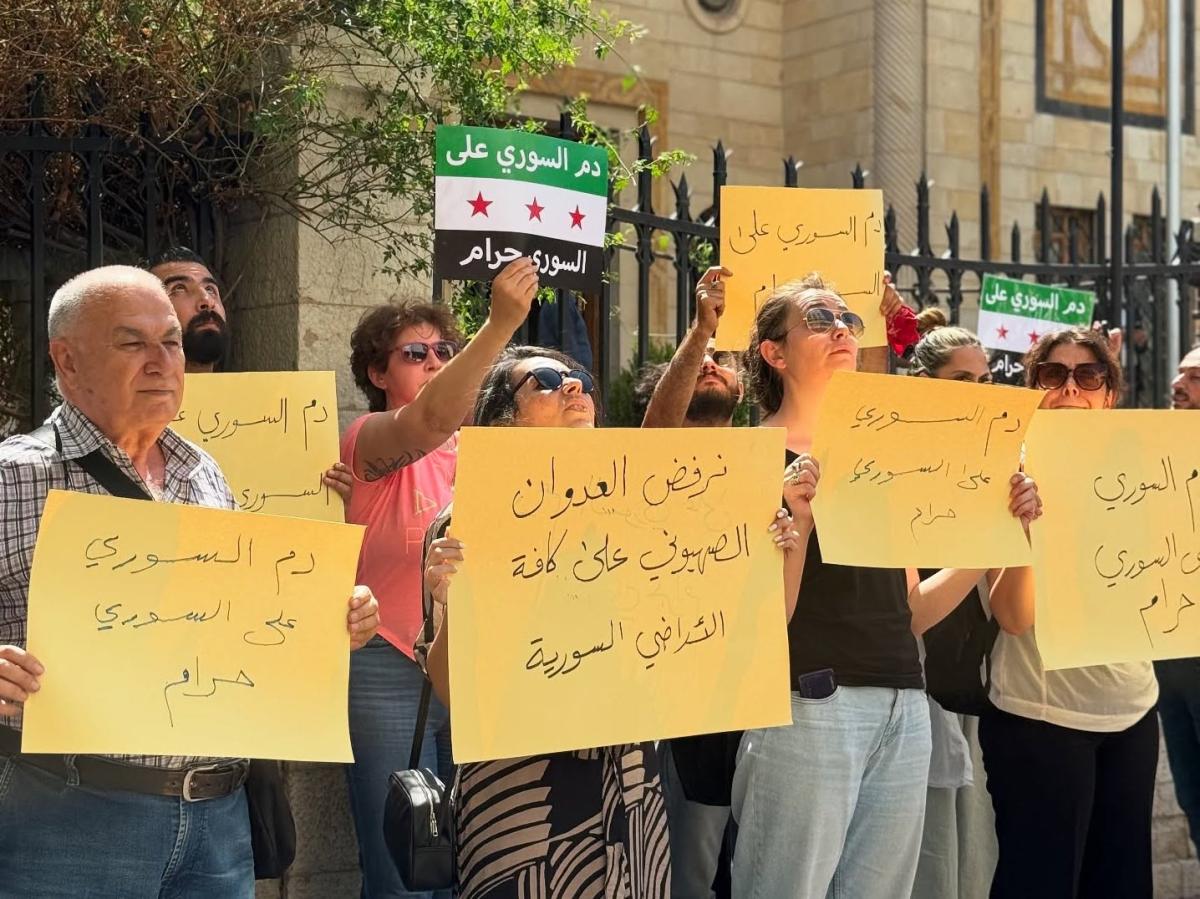
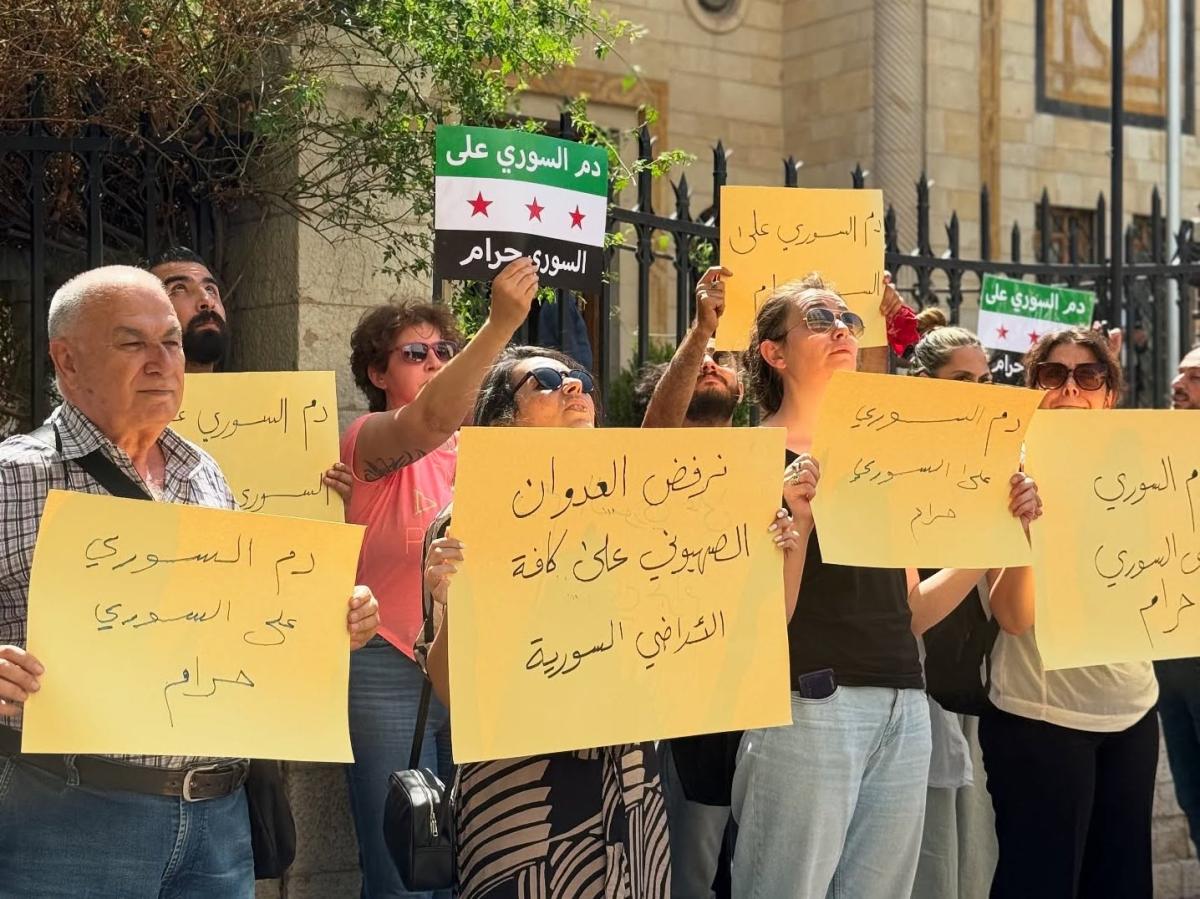
The investigation by the Syrian transition government into the March violence against the Alawites in Latakia province has been submitted—but the full findings have not been made public, and it apparently exonerates the government of involvement. Meanwhile southern Suwayda province has seen a perhaps even deadlier eruption of violence—this time pitting Druze against Bedouin, with the role of the government similarly the source of much contestation (and fodder for Internet partisans). And a Damascus protest against the violence and for co-existence was attacked by goons. Amid all this, Israel is militarily intervening, the government looks to Turkey for military aid, and both the US and Russia still have forces on the ground—treating the country as a Greet Power chessboard. In Episode 288 of the CounterVortex podcast, Bill Weinberg warns that the Syrian Revolution is poised on a razor’s edge, ready to descend into ethno-sectarian war and authoritarianism unless political space can be kept open for the secular-democratic civil resistance that began the revolution 14 years ago. (Image: Banners read “Syrians must not shed Syrian blood” and “We reject Israeli aggression against Syria.” Credit: The Syria Campaign via Facebook)

Syria
Syria

Israel escalates Syria strikes —in name of protecting Druze

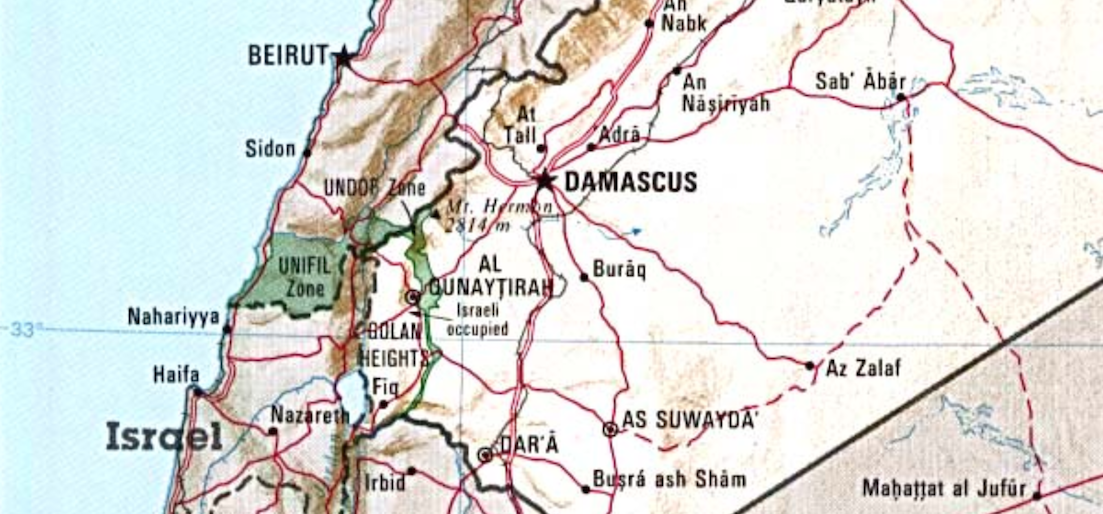
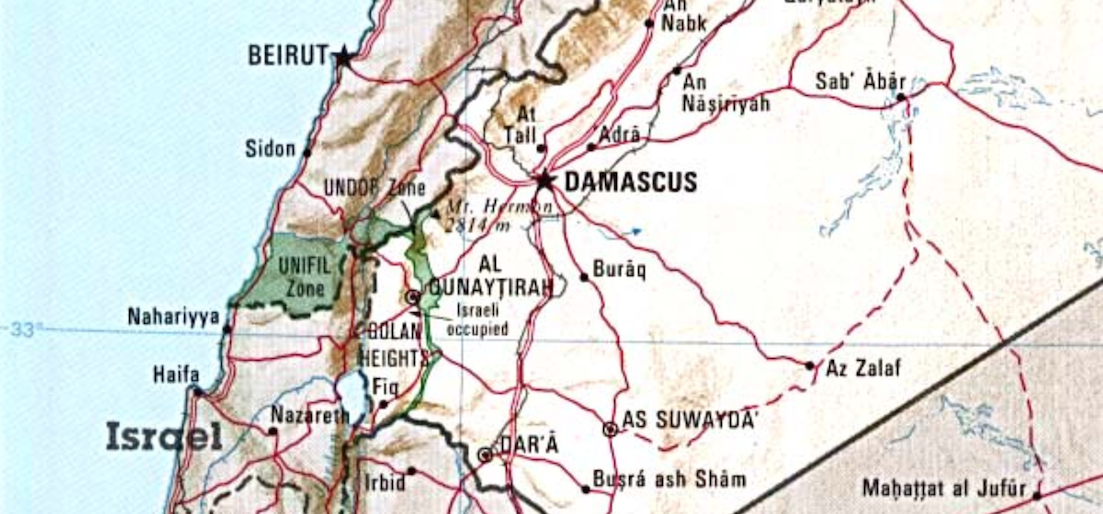
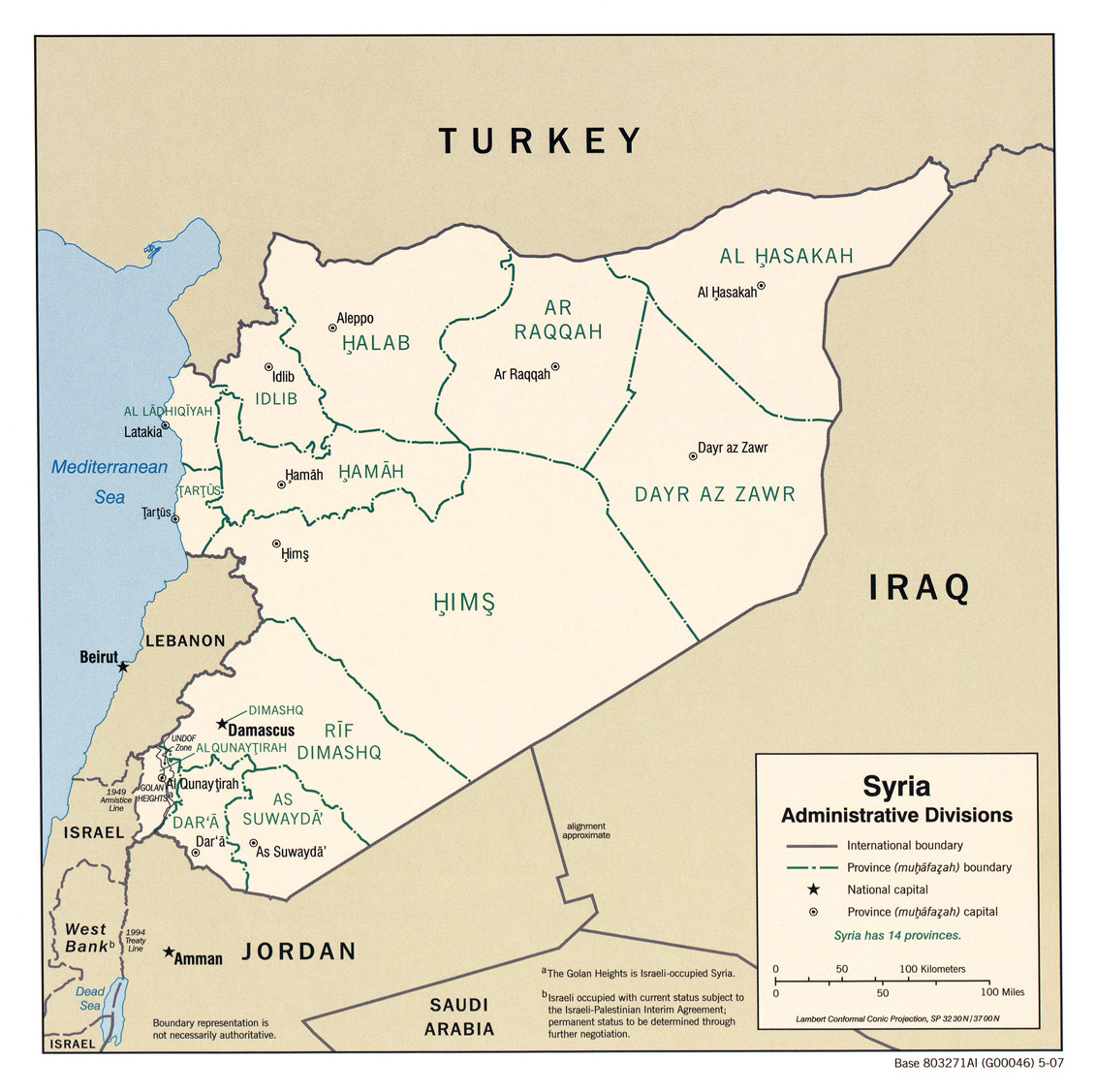
Syrian Druze leader Sheikh Hikmat al-Hijri accused the interim government of carrying out a “genocidal attack” on his community following two days of sectarian violence that left 100 dead. Clashes broke out in the Damascus suburbs of Jaramana and Sahnaya, and armed residents began to mobilize in the Druze-majority southern city of Suwayda before a truce was reached. But by then Israel had escalated its military intervention in Syria, launching air-strikes on targets around Damascus. In a statement, Israeli Prime Minister Benjamin Netanyahu said the IDF had “struck an extremist group” that was killing members of the Druze community. This is presumably a reference to the now ostensibly disbanded Hayat Tahrir al-Sham (HTS), the leading faction in the forces that took power in Syria and formed the transition government late last year. It is unclear who launched the attacks that sparked the fighting, which were condemned by the interim government. (Map: PCL)

Syria
Syria

External, internal challenges for Syrian Revolution

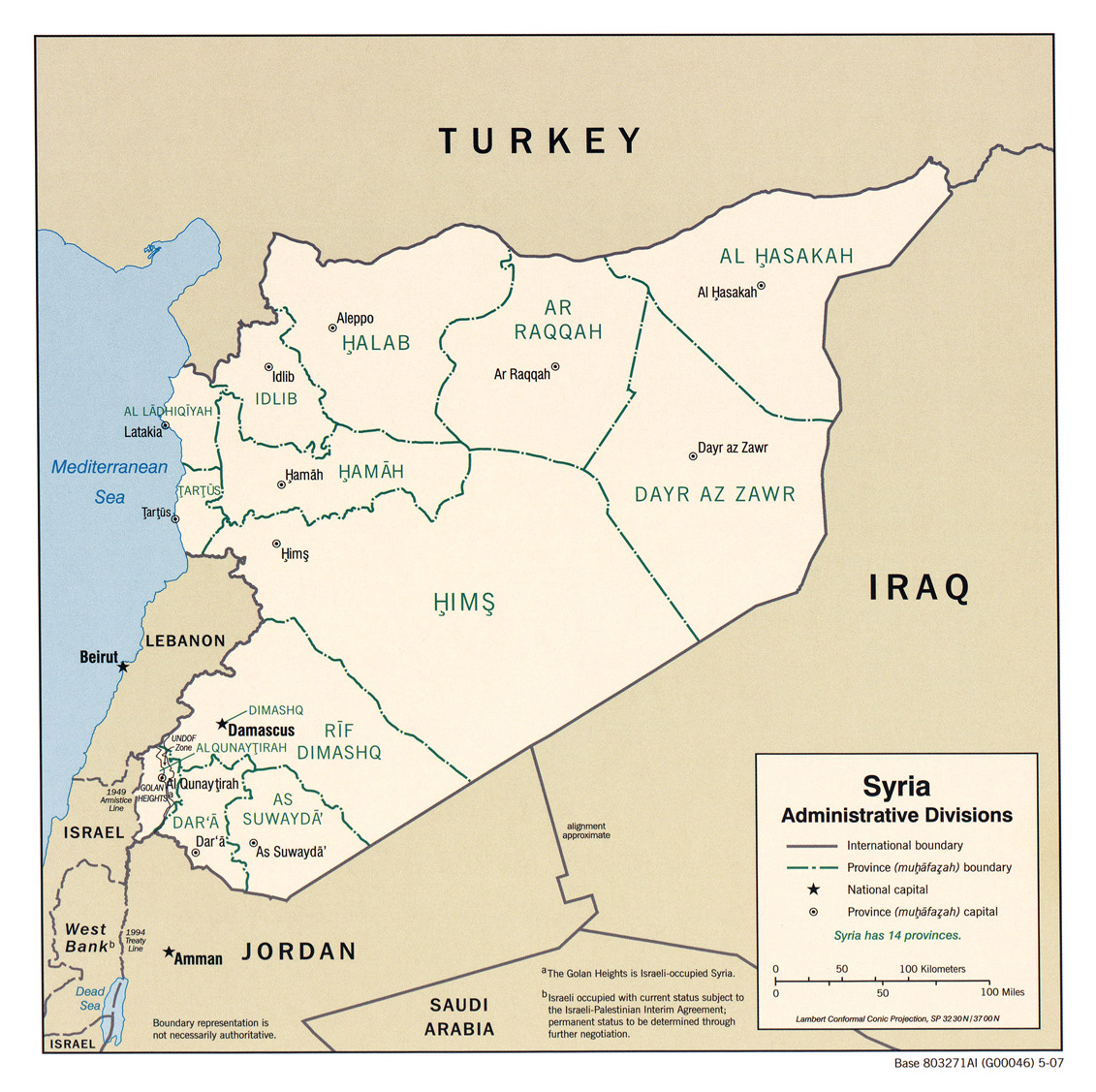
Apparent Assad loyalists have taken up arms against Syria’s transitional government in the Alawite heartland of Latakia on the Mediterranean coast. Fighting meanwhile continues between the Turkish-backed Syrian National Army (SNA) and Kurdish-led Syrian Democratic Forces (SDF) in the northeast, while Israel grabs a “security zone” in the south and continues intermittent air-strikes. Elsewhere in the south, the Druze of Suweida protest their perceived exclusion from the transition process. All this as Russia opens talks with the new authorities in a bid to keep its military bases in Syrian territory. (Map: PCL)

Syria
B-52

Syrian revolution met with US, Israeli air-strikes

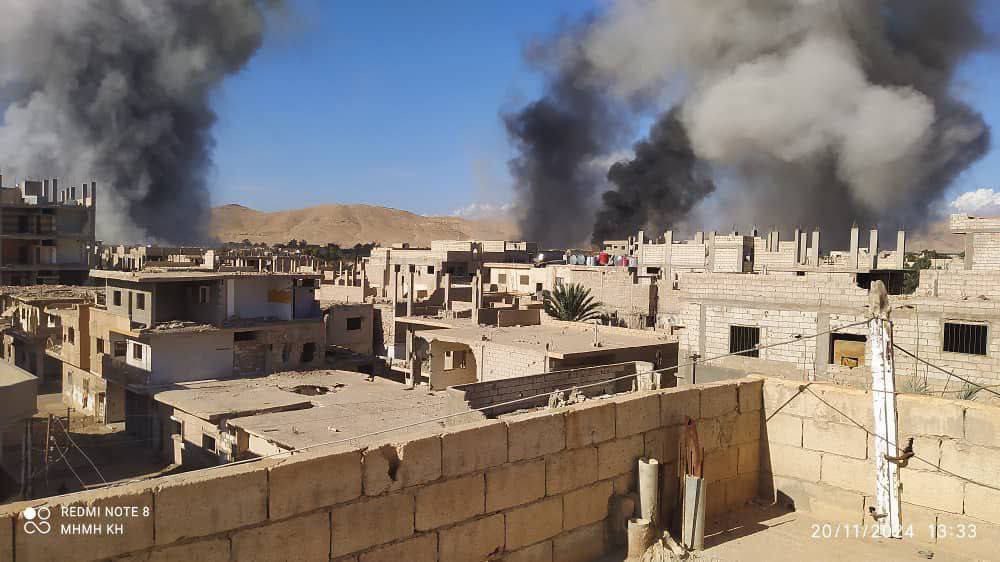
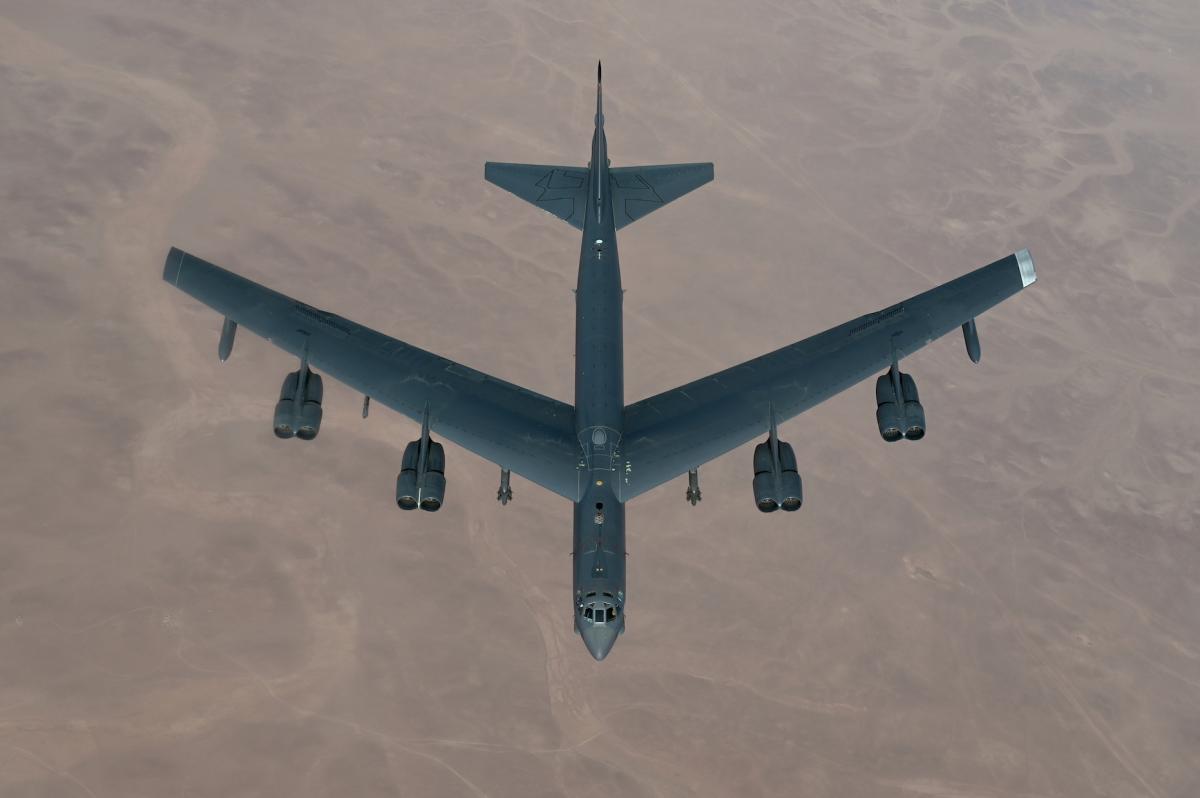
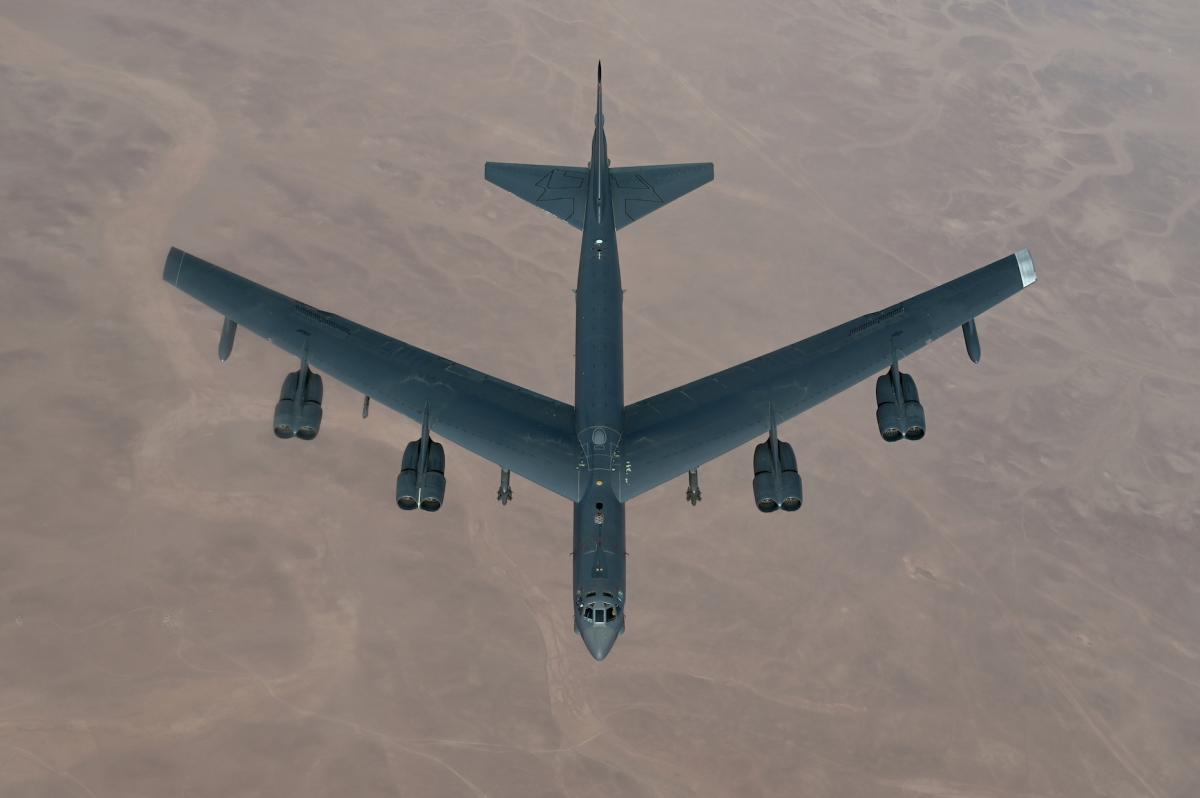
The same day the Assad regime fell and rebel forces took Damascus, the US military carried out a series of air-strikes against Islamic State positions across central Syria. The Pentagon’s Central Command announced that it “struck over 75 targets using multiple US Air Force assets, including B-52s, F-15s, and A-10s.” The targets included “ISIS leaders, operatives, and camps.” Also that day, Israeli warplanes conducted dozens of raids across Syria, including in Damascus. The Syrian Observatory for Human Rights (SOHR) counted more than 100 Israeli strikes on military and industrial targets, including a research center believed to be linked to chemical weapon production. Israel said it was acting to stop weapons from falling “into the hands of extremists.” Israel has additionally seized control of a demilitarized “buffer zone” in the Golan Heights, saying the 1974 disengagement agreement with Syria had “collapsed” with the rebel take-over of the country. (Photo of B-52 bomber: USAF via A&SF)

Syria
Aleppo

Syria: after the fall of the regime

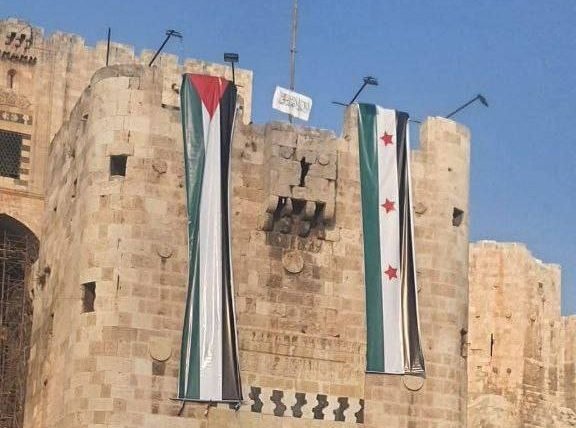
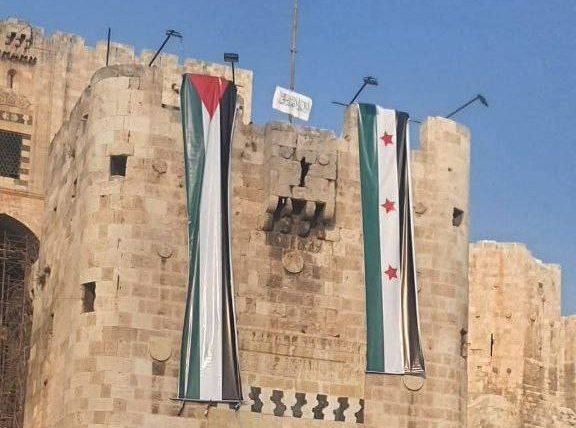
As Syrian rebels advanced on Damascus in a surprise lightning offensive, the Rojava Kurds seized territory from the Bashar Assad regime, and the Druze took up arms in their own region. After years of the lines in the conflict being frozen and the genocidal Assad dictatorship being “normalized,” the unthinkable happened and the dictator fled. Suddenly the 13-year aim of the Syrian Revolution has been realized—the fall of the regime. But the lead rebel faction, Hayat Tahrir al-Sham (HTS), has an ugly past, its partner the Syrian National Army (SNA) is in the political orbit of Turkish aspiring dictator Recep Tayyip Erdoğan, and the threat of Arab-Kurdish ethnic war in northern Syria looms closer. Amid a conflict now dominated by armed actors, can the unarmed civil resistance that began the revolution 13 years ago re-assert itself, and revive the secular-democratic spirit of 2011? In Episode 255 of the CounterVortex podcast, Bill Weinberg takes a hard look. Listen on SoundCloud or via Patreon. (Photo of Aleppo Citadel in rebel hands via social media, e.g. Twtter)

Syria
Aleppo

Threat of Arab-Kurdish war in new battle for Syria

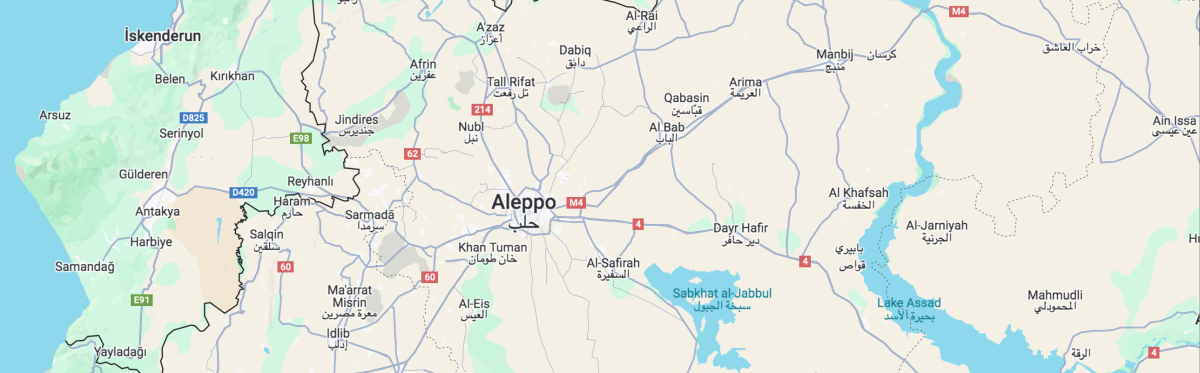
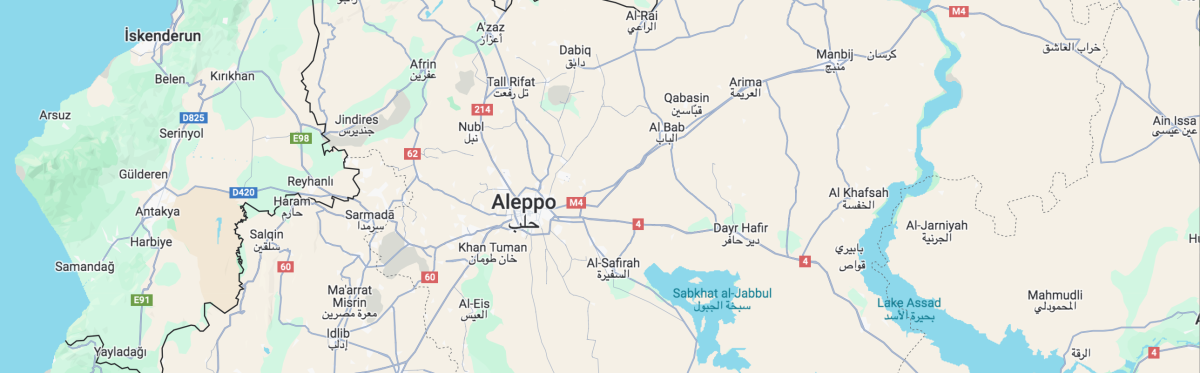
With the Syrian city of Aleppo now mostly in rebel hands following a surprise offensive, the danger emerges that Kurdish forces could be drawn into the conflict on the side of Assad dictatorship. Kurdish militias have for years controlled their own enclave within the city, the neighborhood of Sheikh Maqsood. The Kurdish-led Syrian Democratic Forces (SDF) are now trying to open an evacuation corridor between Sheikh Maqsood and the Kurdish-held town of Tal Rifaat to the north. An evacuation of Tal Rifaat itself to Kurdish-held areas to the east is also being prepared. This effort is being blocked by one of the rebel militias, the Turkish-backed Syrian National Army (SNA), with clashes between the two forces reported. The SNA has been repeatedly implicated in abuses against the Kurdish population in areas it took from SDF-aligned forces in a 2019 offensive. This offensive drove the SDF into a tactical alliance with the Assad regime—although this alliance has repeatedly broken down over the regime’s rejection of the SDF’s principal demand of Kurdish autonomy. (Map: Google)

Syria
Syria rebels

Syria: rebel forces launch new offensive on Aleppo

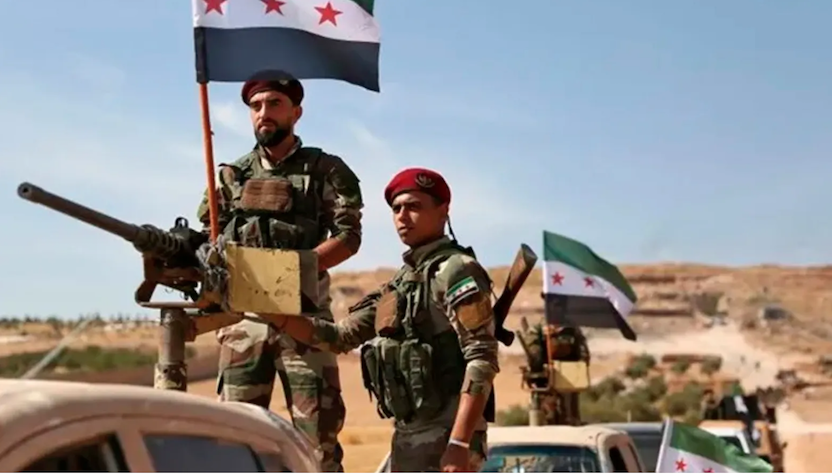
In the most significant escalation in Syria since a 2020 ceasefire instated under emergency conditions during the COVID pandemic, rebel forces in northwestern Idlib province  launched a surprise offensive on the country’s most populous city, Aleppo. The rebel advance is said to have penetrated the perimeter of the city, which had been held for years by rebel forces before it was retaken by the regime with the help of Russian air power in 2016. Russia has responded to the new offensive with fresh air-strikes on Idlib, which has been coming under intermittent Russian bombardment for years. At least 225 fatalities are reported in the new fighting, including some 25 civilians killed in Russian air-strikes. (Photo: Syrian Observer)

Syria
Idlib

Syria: protests against HTS face repression in Idlib

Security forces of Hayat Tahrir al-Sham (HTS), the Islamist militia that controls much of northwest Syria, put down protests that broke out in cities and towns across Idlib province. In the Idlib cities of Binnish and Jisr al-Shughour, HTS forces beat protesters with batons, deployed armored vehicles, and fired tear-gas and even live rounds to disperse demonstrations calling for the fall of the militia group and its leader, Abu Muhammad al-Jolani. Since then, HTS has increased security in the region, establishing checkpoints and roadblocks, especially aimed at preventing protesters from gathering in the provincial capital, Idlib City. Protests against HTS rule have been mounting in Syria’s northwest since the start of the year. (Photo: Macro Media Center)

Syria
Jisr al-Shughur

Russia, Israel both still bombing Syria

At least 13 people, nine of them civilians, were killed in Russian air-strikes within the so-called “de-escalation zone” in northern Syria’s Idlib province, with some of the strikes hitting a crowded vegetable market. The area targeted in the raid, already suffering a severe displacement crisis, is controlled by the Tahrir al-Sham (HTS) Islamist faction. Meanwhile, sporadic Israeli air-strikes on regime-held Syrian territory also continue—with apparent tacit approval from Russia, as long as they target the Iranian military presence in the country. (Photo: @SyriaCivilDef)

Syria
Daraya

Remembering the Daraya massacre

In Episode 139 of the CounterVortex podcast, Bill Weinberg marks the 10th anniversary of the 2012 Daraya massacre, in which the regime of Syrian dictator Bashar Assad killed some 700 civilians while taking back the city from the secular pro-democratic revolutionary forces that had seized power there. These early Syrian revolutionaries were inspired by the grassroots-democratic vision of the anarchist thinker Omar Aziz, and the ethic of nonviolent resistance propounded by Jawdat Said, the “Syrian Gandhi.” Daraya was re-taken by rebels later that year, but fell a second time in August 2016, putting an end to the experiment in parallel power and direct democracy. Most of the remaining inhabitants were evacuated to Idlib province in the north, which remained in rebel hands, and the model of parallel power survived there for another two years—before extremist factions linked to the Nusra Front began to take over. The November 2018 assassination of civil resistance leader Raed Fares was another turning point. The following year saw a popular uprising in idlib by the pro-democratic resistance against jihadist rule. But the legacy of Daraya, once the frontline of a peaceful revolution, is largely forgotten history, its true heroism betrayed by the world. Listen on SoundCloud or via Patreon. (Photo: Daraya, 2011 via Leila’s Blog)