

Africa
JNIM

Podcast: West Africa escalates toward genocide

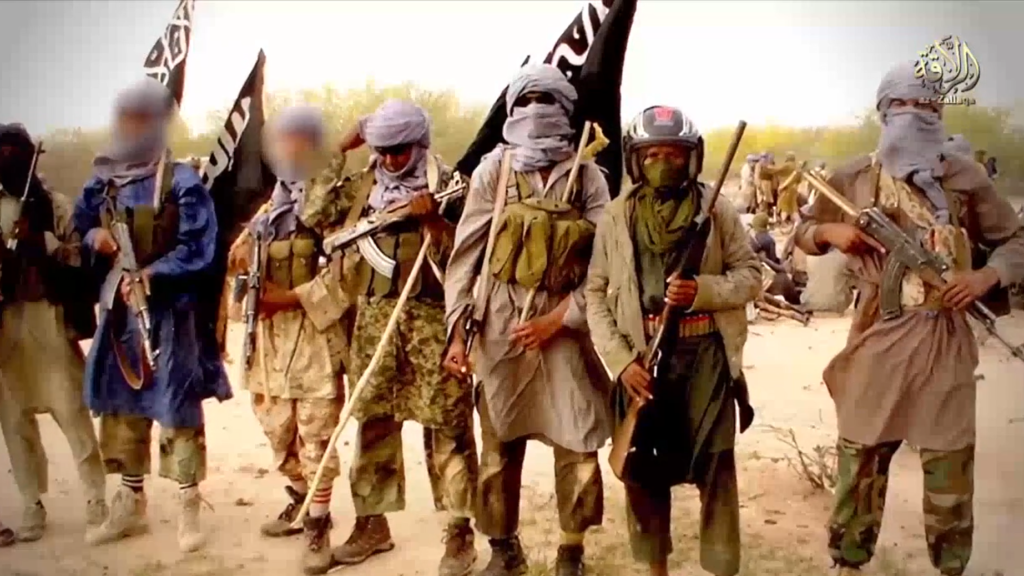
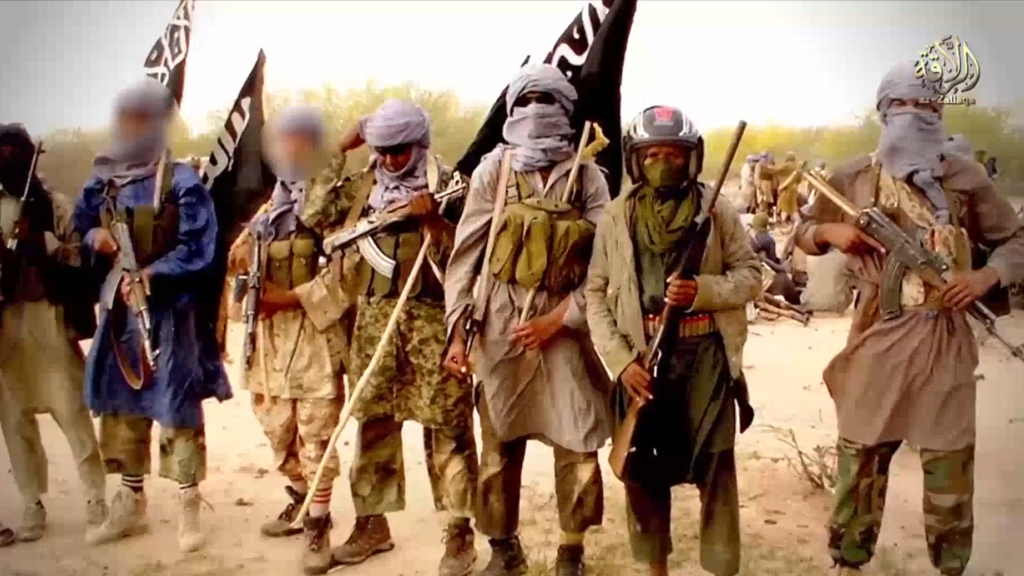
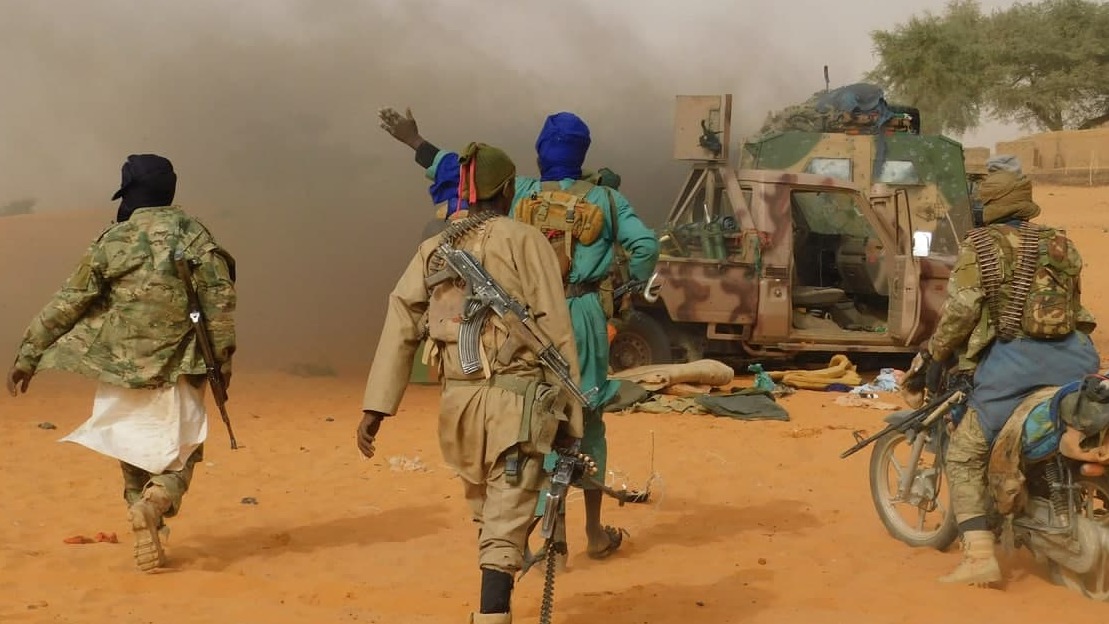
Alarming reports that Nigeria has established “concentration camps” for the Fulani ethnic minority cast an ironic light on Nigeria’s tension with the Sahel states of Niger, Mali and Burkina Faso to the north. These three regimes have broken from the Western imperial camp (to embrace the nascent Russian imperial camp)—but are likewise subjecting their Fulani minorities to persecution and massacre. With the recent shock rebel offensive in Mali, the “terrorist” stigma that attaches to the Fulani and Tuareg peoples across the imperial camps makes their position more precarious than ever. Meanwhile, prominent voices on the both the right and the (supposed) “left” are spreading propaganda about the struggle in West Africa that is alarmingly wrong, because it exclusively views the crisis through a campist lens. In Episode 327 of the CounterVortex podcast, Bill Weinberg tries to provide some clarity on these fast-escalating and grossly under-reported conflicts. (Photo: Az-Zallaqa via LWJ)

Africa
Sahel summit

Sahel states launch new joint counter-insurgency force

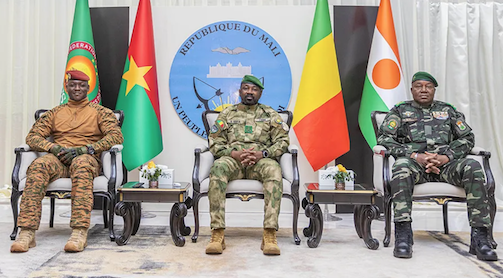
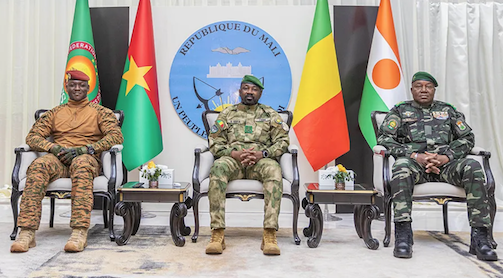
At an air base in Bamako, Mali’s military ruler Gen. Assimi Goita presided over a ceremony marking the launch of a unified force for three Sahel states to fight the rising tide of jihadist insurgency across their borders. The move comes after the three countries—Mali, Niger and Burkina Faso, all now ruled by military juntas—collectively withdrew from the West African regional bloc ECOWAS to form their own Alliance of Sahel States (AES). This new body has deepening ties to Russia, which has maintained paramilitary forces in the AES countries under the rubric of the Wagner Group or Africa Corps. These forces are increasingly accused of atrocities, with Malian refugees in Mauritania reporting rapes, beheadings and mutilation of civilians at the hands of Russian mercenaries. (Photo: Présidence de la République du Mali)

Africa
WAP

Qaeda franchise takes war to Benin

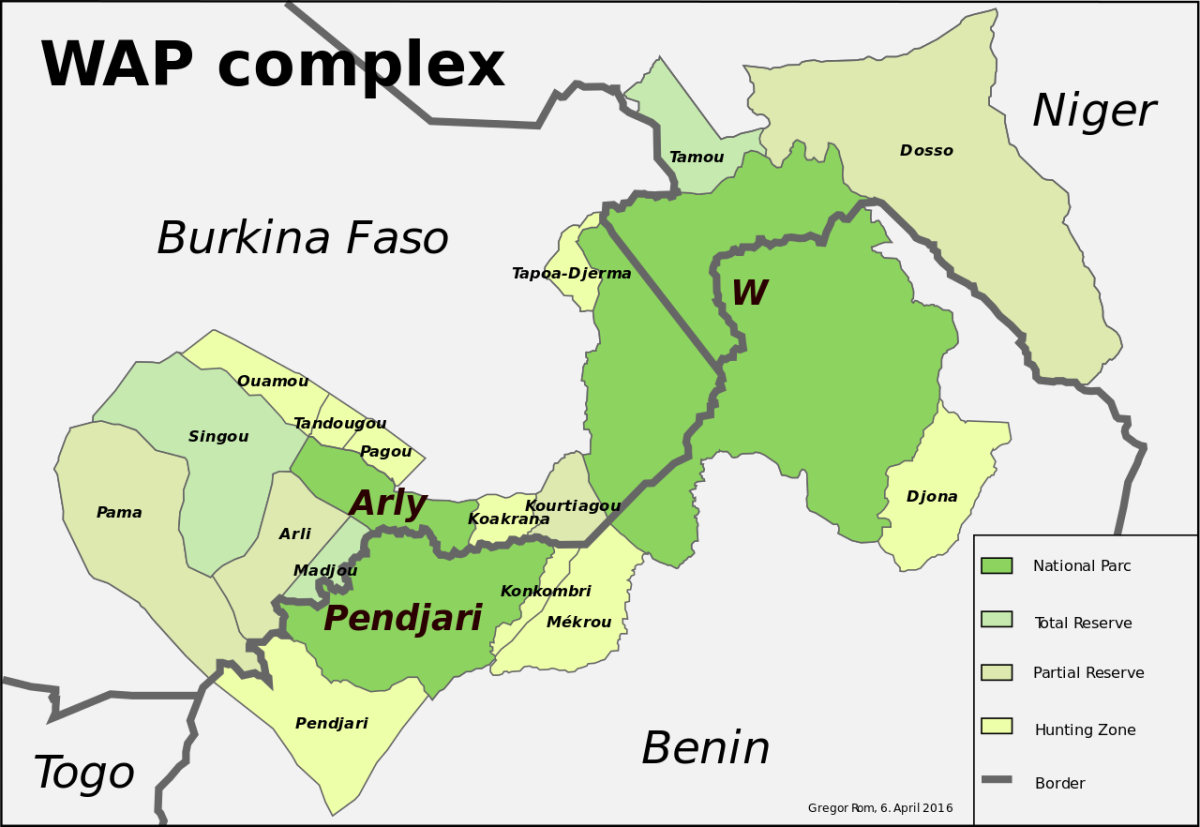
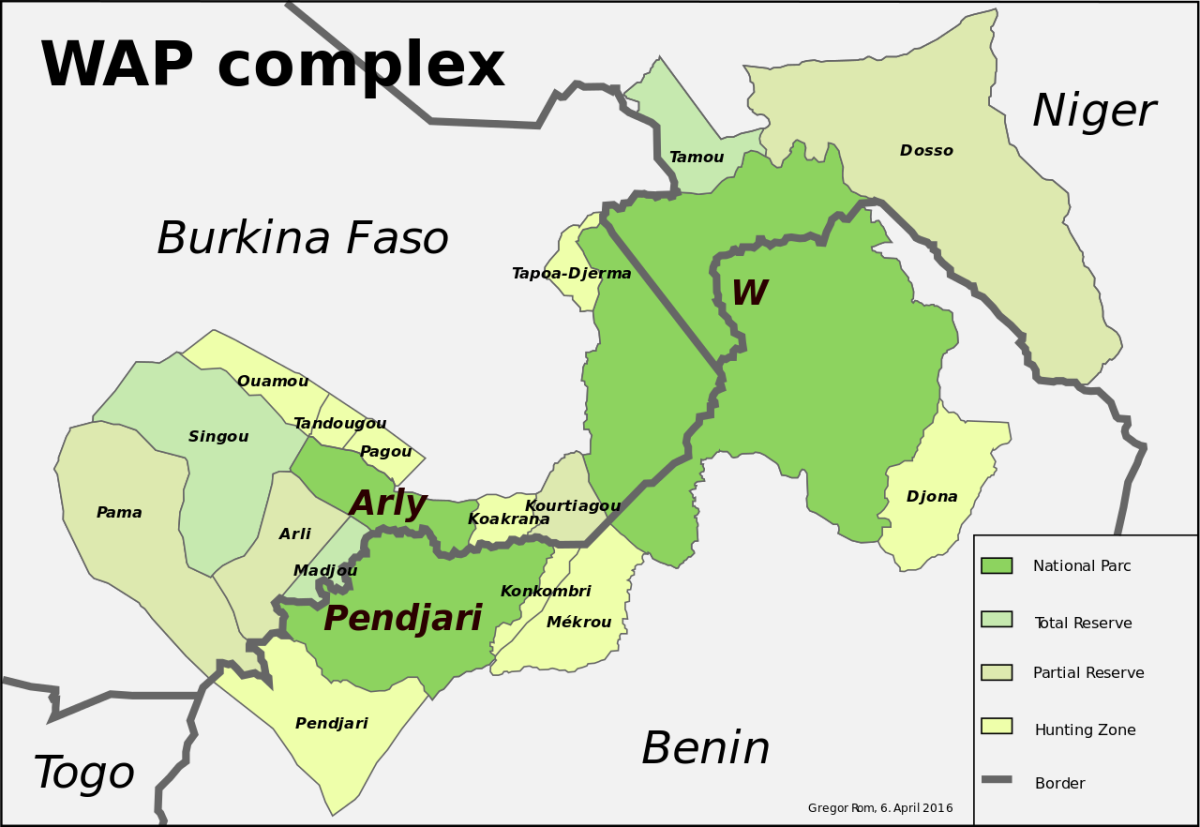
The government of Benin announced that 54 soldiers were killed in attacks by jihadists on military positions in a national park near the borders with Burkina Faso and Niger. The attacks in Park W, claimed by al-Qaeda-affiliated JNIM, are the deadliest yet in Benin. JNIM attacks in Benin have now caused more fatalities so far in 2025 (157) than they did in the entirety of 2024 (103), according to the conflict monitoring group ACLED. National Park W, where the attacks took place, is part of the WAP complex (made up of W, Arly and Pendjari national parks) straddling Benin’s northern borders. The park complex has become heavily militarized in recent years in response to jihadist infiltration. (Map: Gregor Rom/Wikimedia Commons)

Africa
Sahel

Human rights crisis deepens under Sahel juntas

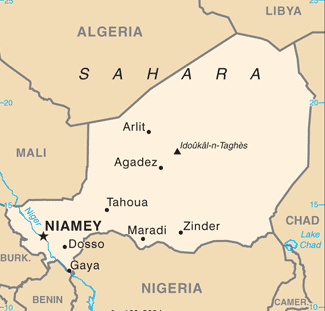
Two attacks on “defenseless civilian populations” along Niger’s border with Burkina Faso left some 40 dead, authorities said. Niamey’s defense ministry said 21 were killed in Libiri village and 18 in Kokorou, both in Tillabéri region. The statement blamed “criminals,” but the borderlands are a stronghold of jihadist insurgents. An even worse attack was reported days earlier, but is being denied by Niger’s ruling junta. Authorities suspended the operations of the BBC in Niger after it reported that jihadists had killed 90 soldiers and upwards of 40 civilians at Chatoumane, also in Tillabéri. According to the monitor Armed Conflict Location & Event Data (ACLED), at least 1,500 have been killed in jihadist attacks in Niger in the past year—more than double the 650 killed from July 2022 to July 2023. Human Rights Watch meanwhile released a report detailing killings of civilians and other serious abuses committed by Mali’s armed forces in collaboration with Russian mercenaries of the Africa Corps following the withdrawal of a UN peacekeeping mission last year. (Map: Wikivoyage)

Africa
west africa

West Africa: dissidents detained, disappeared

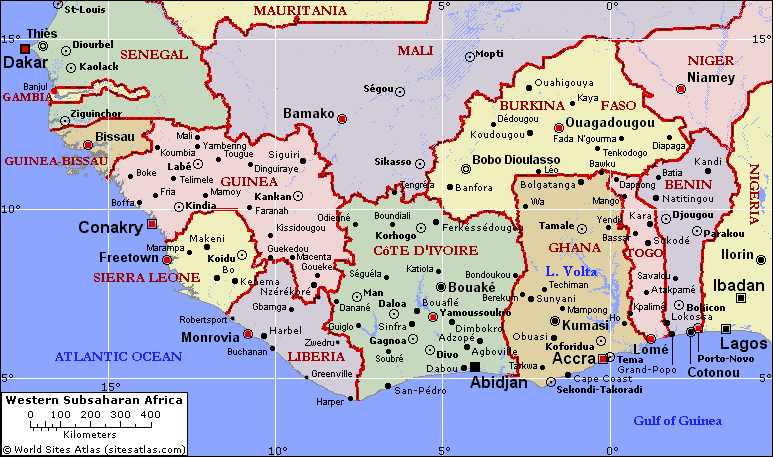
Amnesty International urged Malian authorities to immediately release dissident Youssouf Daba Diawara and 11 other arbitrarily detained opposition politicians. According to the statement, Mali’s junta has been arbitrarily holding these political figures solely for exercising their civil rights. Diawara was forced from his car by armed men in Bamako and taken to the Gendarmerie’s Criminal Investigations Brigade. He was charged with “opposition to legitimate authority” for participating in a protest against power cuts and inflation. The UN High Commissioner for Human Rights has also expressed concern over the “disappearance” of activists in neighboring Guinea. Both Mali and Guinea have been led by military juntas since coups d’etat in 2020 and 2021, respectively. (Map: World Sites Atlas)

Africa
west africa

Uranium at issue in Great Game for West Africa

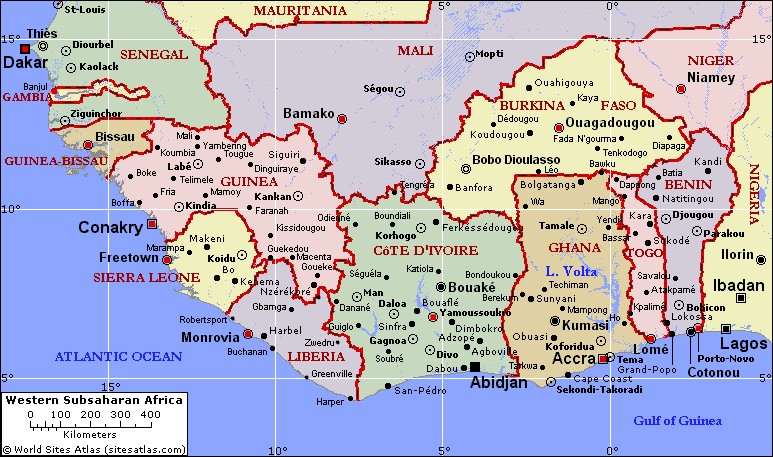
The ruling junta in Niger revoked the operating license of French nuclear fuel producer Orano at one of the world’s largest uranium mines. Russian companies have meanwhile indicated interest in picking up the lease for the giant Imouraren mine. However, exports are stalled by closure of the border with Benin, the vital sea corridor for landlocked Niger, as tensions mount between the two countries. The uranium dispute comes as French and US troops have been forced to withdraw from Niger, and Russian forces have moved in. The Pentagon’s AFRICOM commander Gen. Michael Langley has acknowledged that the US is seeking to establish new bases in neighboring West African countries, including Benin. (Map: World Sites Atlas)

Africa
Niger

Niger: jihadis score deadly blow against junta

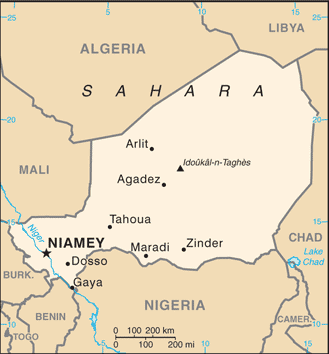
Authorities in Niger declared three days of national mourning after an ambush on security forces near the village of Tassia resulted in the deaths of at least 20 soldiers and one civilian. Tassia lies in the western Tillabéri region bordering Mali and Burkina Faso, long a stronghold of jihadist​ insurgents. The incident highlights the growing challenges facing the ruling junta one year after it came to power in a July 2023 coup, overthrowing the civilian government led by Mohamed Bazoum. (Map: PCL)

Africa
Wagner

Russia creates new Africa Corps

Following the death of Wagner Group leader Yevgeny Prigozhin, the Russian ministries of defense and foreign affairs quickly moved to reassure African client states that business as usual would continue—meaning that Moscow’s unofficial boots on the ground would keep operating in these countries. Now reports indicate a transformation, with Wagner’s estimated force of 5,000 troops—deployed from the Sahel to Libya to Sudan—to be brought under Defense Ministry command as a new Africa Corps. (Photo: Russian mercenaries in the Central African Republic. Credit: Corbeau News Centrafrique via Wikipedia)

Africa
Sahel

Sahel states defect from ECOWAS

Niger, Mali and Burkina Faso announced they are withdrawing from the Economic Community of West African States (ECOWAS), issuing a joint statement saying they had taken a “sovereign decision” to abandon the regional bloc of which they were founding members in 1975. The statement charges that ECOWAS has “drifted from the ideals of its founding fathers and the spirit of Pan-Africanism,” and is now “under the influence of foreign powers.” All three countries are led by military juntas after undergoing coups d’etat, which resulted in their suspension from the bloc. All three countries have also moved closer under their respective military regimes to Russia, whose Wagner Group mercenary force is backing up a new Malian government offensive against Tuareg separatist rebels. (Map: Wikivoyage)

Planet Watch
uranium

Podcast: Niger, Siberia and the global uranium wars

The Tuaregs of Niger and Buryat of Siberia, like the Navajo of the US Southwest, have had their territories usurped and destroyed by uranium mining for the nuclear-industrial complex, and it makes little difference from their perspective whether the extractivist bosses were French, Russian or American. While the Great Powers wage a neo-colonial game for control of this strategic resource, the indigenous peoples on the ground pay with their lands and lives—and are fighting back for autonomy or outright independence, and ecological and cultural survival. Bill Weinberg breaks it down in Episode 192 of the CounterVortex podcast. (Photo: Russian uranium mine in Buryatia, via Moscow Times)

Africa
Gabon

Gabon coup: another blow to Françafrique

A group of soldiers in Gabon seized control of the country and canceled the results of its presidential election—just after incumbent President Ali Bongo, heir to a corrupt dynasty closely aligned with France, was declared the winner amid claims of electoral fraud. In scenes reminiscent of those in Niger after the recent coup there, crowds have poured into the streets of Gabon’s capital Libreville, expressing their support for the new junta—and animosity for both the ousted Bongo dynasty and France. The coup appears to mean a further reduction for the French influence sphere in Africa, known as Françafrique. Over the past three years, coups have ousted French-aligned regimes in Mali, Burkina Faso and Guinea as well as Niger. Russia appears eager to step into the erstwhile role of France in providing military assistance to these countries. The day after the Gabon putsch, a Russian delegation met with Burkina Faso’s interim regime to discuss stepped-up security cooperation. (Map: PCL)

Africa
Niger

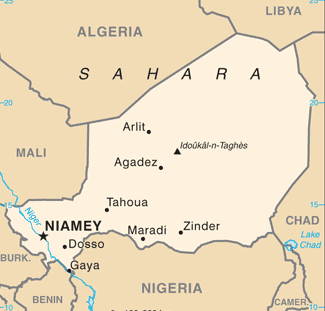
Podcast: flashpoint Niger

In Episode 186 of the CounterVortex podcast, Bill Weinberg examines the coup d’etat in Niger, which now threatens to plunge West Africa into regional war—with potential for escalation involving the Great Powers. Lines are drawn, with the Western-backed ECOWAS demanding the junta cede power, and Russian-backed Mali and Burkina Faso backing the junta up. Pro-junta demonstrators in Niger’s capital, Niamey, wave the Russian flag—probably to express displeasure at US and French neo-colonialism. The Wagner Group, which already has troops in Mali and Burkina Faso, has expressed its support for the junta, and offered fighters to help stabilize the regime. Elements of the tankie pseudo-left in the West are similarly rallying around the junta. Amid this, leaders of the Tuareg resistance in Niger have returned to arms to resist the new regime, and the country’s mine workers union is also demanding a return to democratic rule. Listen on SoundCloud or via Patreon. (Map: PCL)