Honduras: halt evictions of indigenous communities
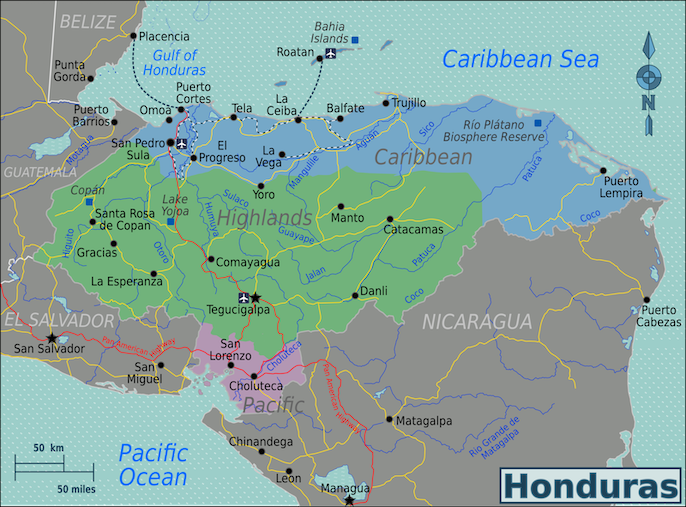
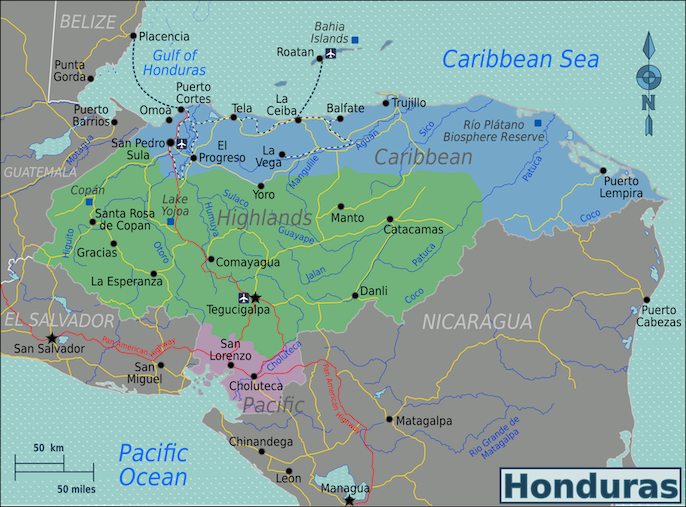
HondurasA group of UN experts called on Honduras to halt evictions of campesino, indigenous and Afro-descendant communities taking place under Decree No. 107-2026, also known as the Law for the Strengthening & Protection of the Agro-Industrial Sector. The experts wrote: "We cannot stand by and watch the deliberate closing of every legal door through which a peasant, Indigenous or Afro-descendant family in Honduras can challenge dispossession." They especially condemned evictions at the Garífuna community of San Juan in Tela municipality on the Caribbean coast. Five members of the Black Fraternal Organization of Honduras (OFRANEH) were arrested in the operation, and now face charges of "aggravated usurpation" related to their defense of the community’s ancestral territory. (Map: Wikitravel)

Central America

Honduras transition in the New Cold War

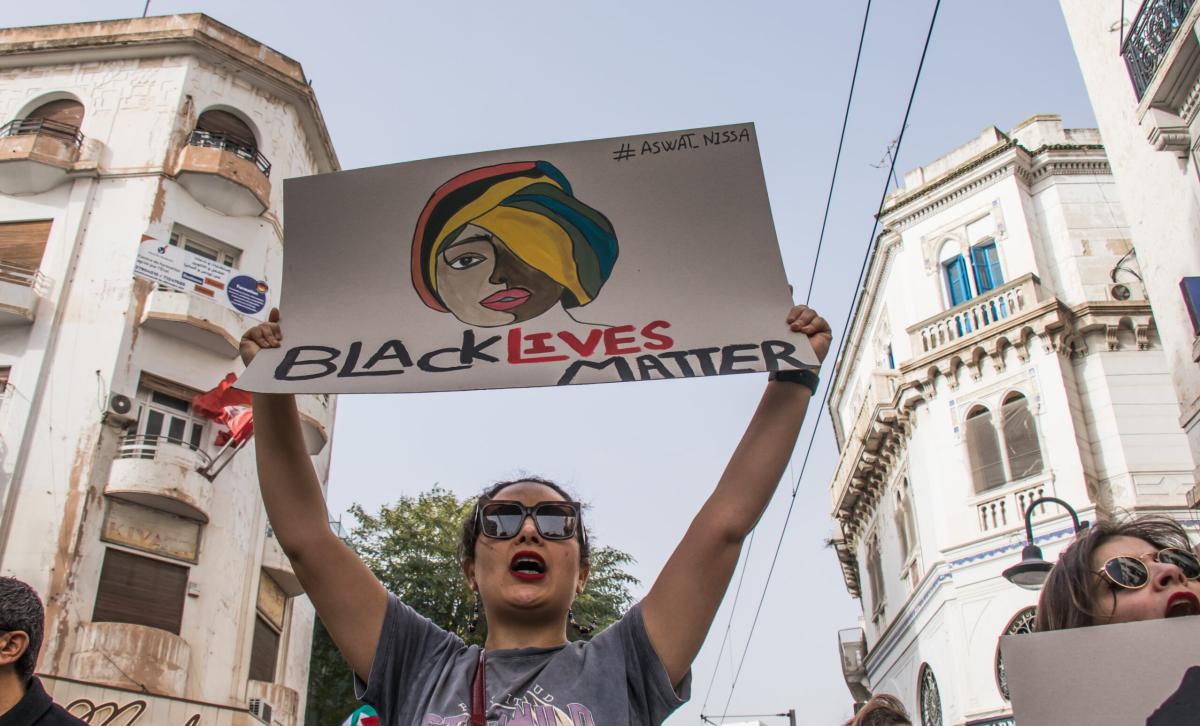
TunisAmnesty International called on Tunisia to put an immediate end to racist and xenophobic attacks targeting Black African migrants. The wave of violence began in early February and was exacerbated by a racially-charged speech by President Kais Saied at a National Security Council meeting. President Saied's statements sparked street protests in Tunis, in defiance of an official ban on demonstrations. Activists also opposed a widening crackdown on dissent since Saied seized near-total powers in July 2021. The Tunisian National Salvation Front has vowed continued weekly protests. (Photo: Chahd Lina Belhadj/Meshkal)

Central America

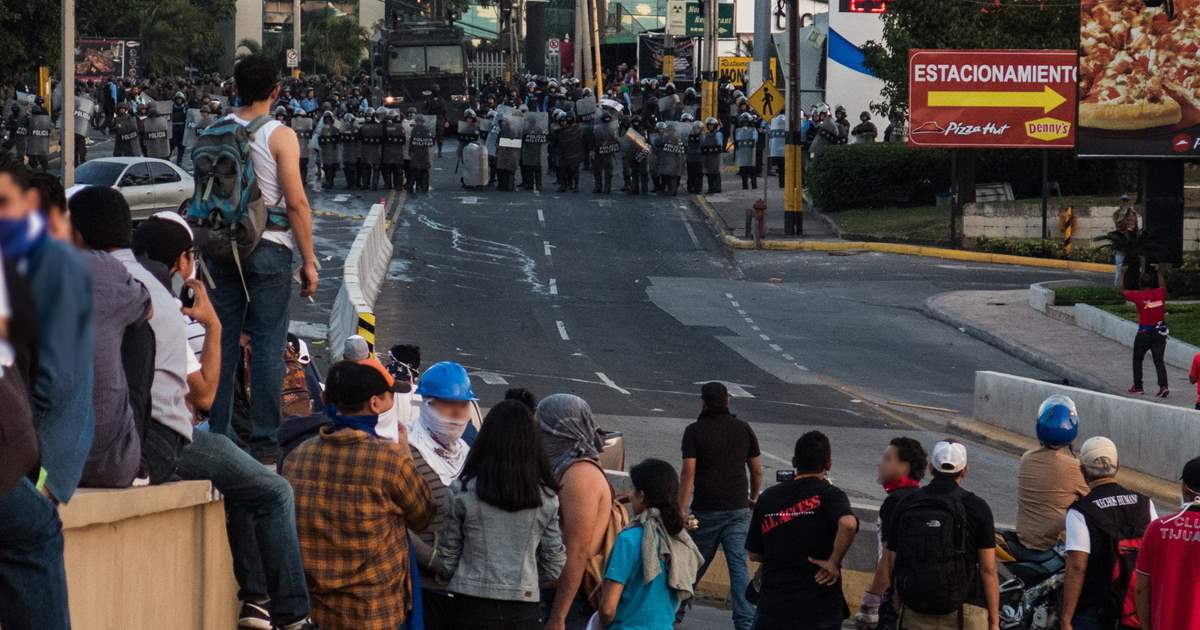
Honduras: riots, repression amid neoliberal ‘reform’

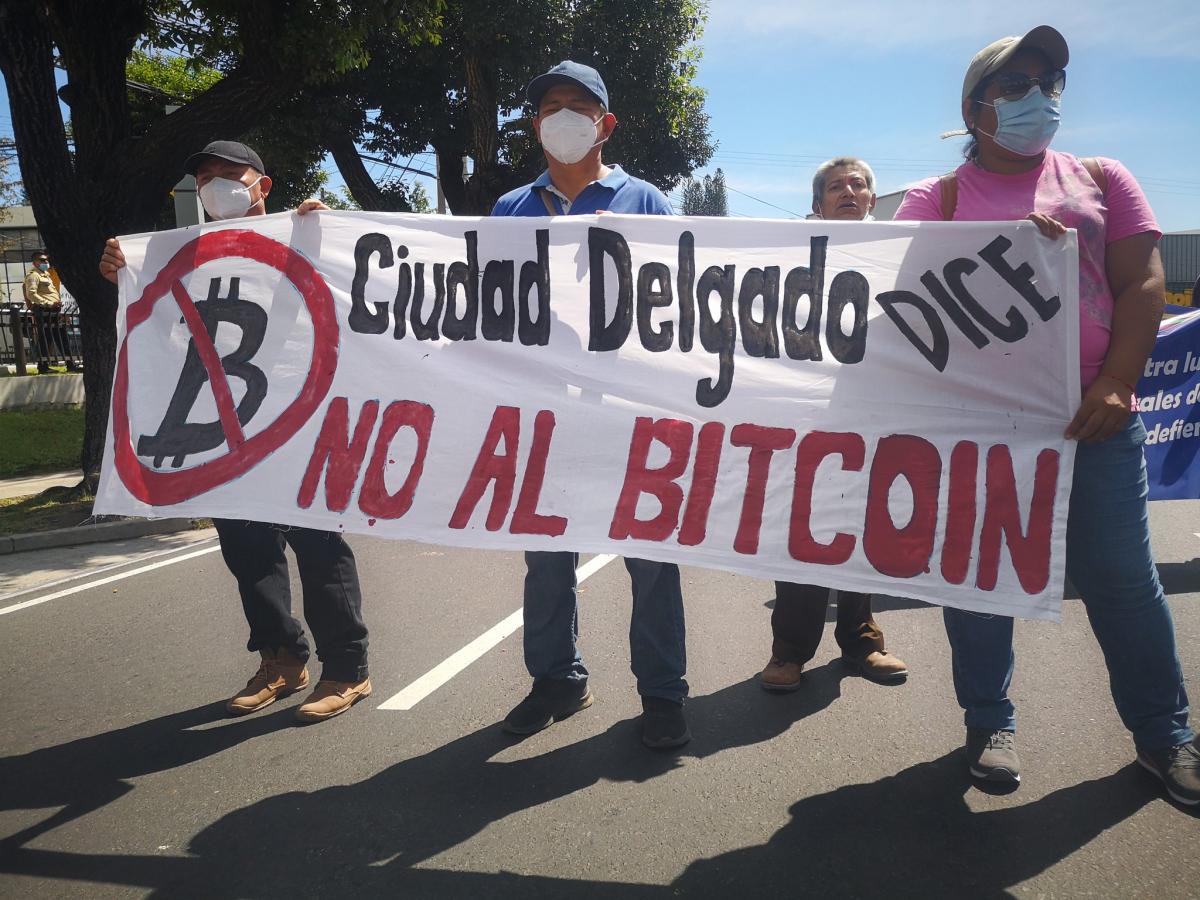
#NoAlBitcoinProtests repeatedly erupted in El Salvador as the country became the first to make Bitcoin legal tender. The US dollar also remains official currency, but the law pushed through by President Nayib Bukele mandates that all vendors also accept Bitcoin. Small merchants and especially those in the informal sector complain of problems in trying to download the official phone app needed to use the currency. Protesters say the new law will deepen poverty by further excluding the already marginalized from the economy. They also assert that it will further enable corruption. "This is a currency that's not going to work for pupusa vendors, bus drivers or shopkeepers," one protester told Reuters. "This is a currency that's ideal for big investors who want to speculate with their economic resources." (Photo via Twitter)