Africa
Zamzam

Sudan: UN reports atrocities at Darfur IDP camp

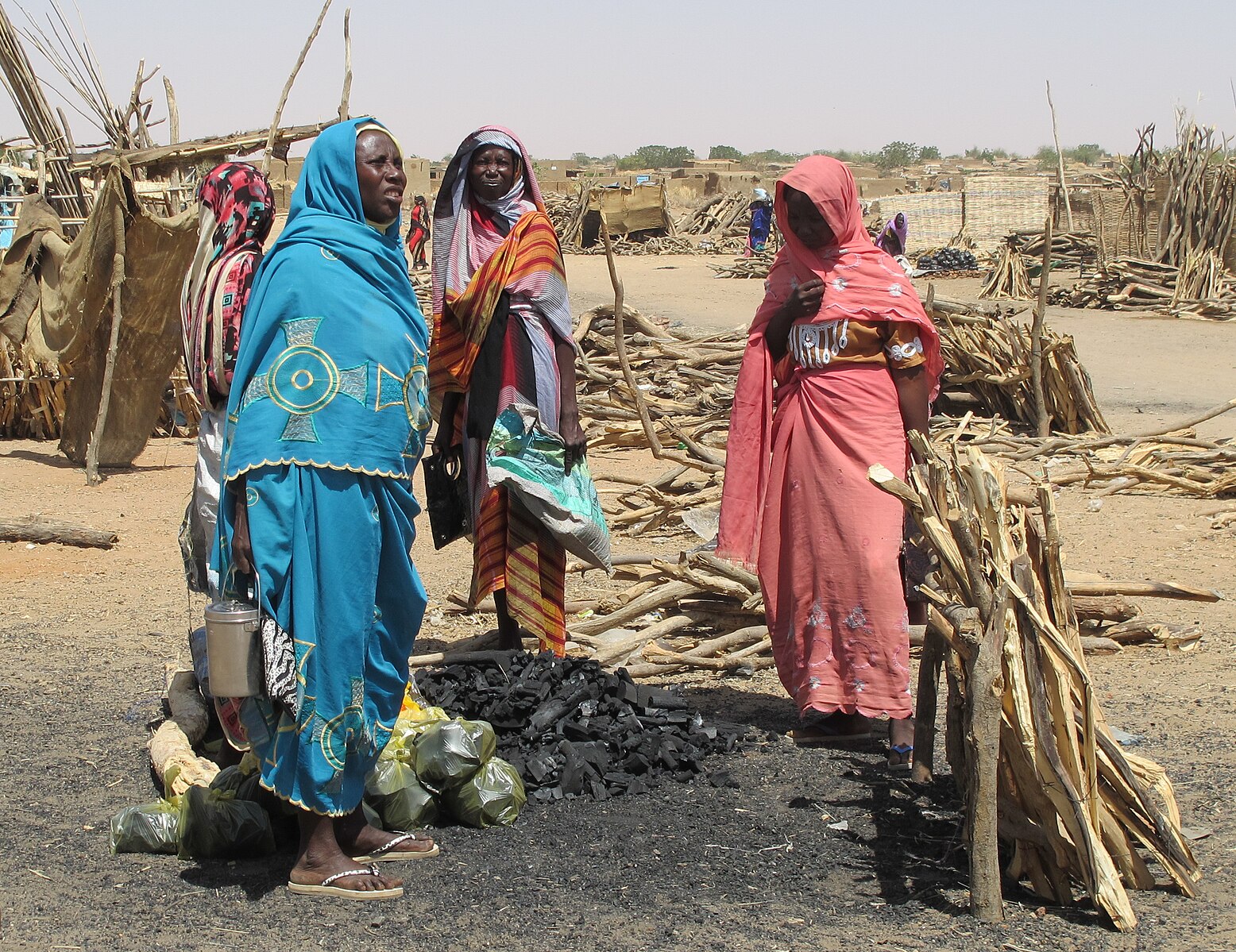
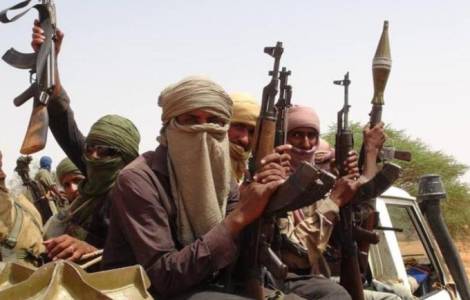
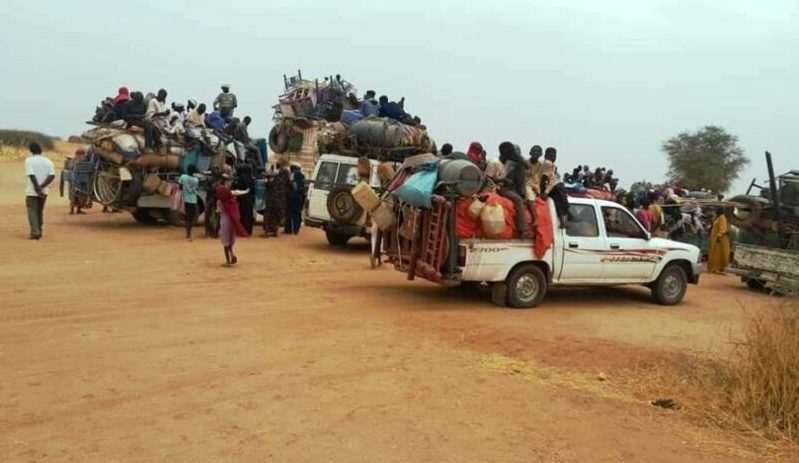
The UN Human Rights Office published a report detailing its findings of atrocities committed during a three-day assault by the paramilitary Rapid Support Forces (RSF) on the Zamzam camp for internally displaced persons (IDPs) in Sudan’s Darfur region. The wave of attackstook place in April of this year, when the camp fell to the RSF, and were found to constitute grave violations of international humanitarian law and human rights law. The report’s key findings include the killing of at least 1,013 civilians. The report documented widespread summary executions, torture, sexual and gender-based violence, abductions, and enforced disappearances. During the assault, the RSF pillaged food and livestock, looted shops and homes, and burned down houses. UN High Commissioner for Human Rights Volker Türk called for an “impartial, thorough, and effective” investigation to hold those responsible for the atrocities accountable. (Photo via UN News)

Africa
Fasher

Sudan: evidence of mass killings in El-Fasher

Satellite imagery analysis reveals widespread evidence of systematic mass killings and body disposal by the Rapid Support Forces (RSF) in El Fasher, Sudan, following the paramilitary group’s capture of the North Darfur state capital in late October, according to a report released by Yale University researchers. The Yale School of Public Health’s Humanitarian Research Lab (HRL) identified at least 150 “clusters of objects consistent with human remains” in and around El-Fasher between Oct. 26, when the RSF claimed to have taken full control of El-Fasher, and Nov. 28. They identified the clusters as likely human remains, based on their size, the timing of their appearance, and proximity to reddish ground discoloration that later turned brown, consistent with blood oxidation. In some cases, the RSF’s own social media posts corroborated the presence of human remains at the locations. By late November, 38% of the identified body clusters were no longer visible in satellite imagery, suggesting systematic disposal operations, the researchers said. (Photo: Google/Airbus via JURIST)

Planet Watch
Rakhine

Deadly strikes on hospitals: the new norm?

On World Humanitarian Day in August, World Health Organization director-general Tedros Adhanom Ghebreyesus released a statement calling attention to intensifying attacks on healthcare workers and facilities, which constitute war crimes under international humanitarian law. “We must stop this becoming the norm,” he wrote. The events of the past weeks suggest such attacks are now already the norm. In Sudan, the WHO reported that over 100 people, including 63 children, were killed when drone strikes attributed to the Rapid Support Forces hit a kindergarten and nearby hospital in South Kordofan. In Burma’s Rakhine state, a military airstrike destroyed the Mrauk-U general hospital, killing at least 31 people and wounding dozens more. It was the 67th attack on a healthcare facility in Burma this year, according to the WHO. Attacks on healthcare facilities killed a record 3,600 people in 2024, mainly in Gaza, Ukraine, Lebanon, Burma and Sudan. This year is on course to surpass that toll. In Gaza alone, at least 917 people were killed by Israeli attacks on healthcare facilities between Oct. 7. 2023 and June of this year. (Photo: Myanmar Now)

Africa
Sudan

Sudan: hollow truces, blood theft

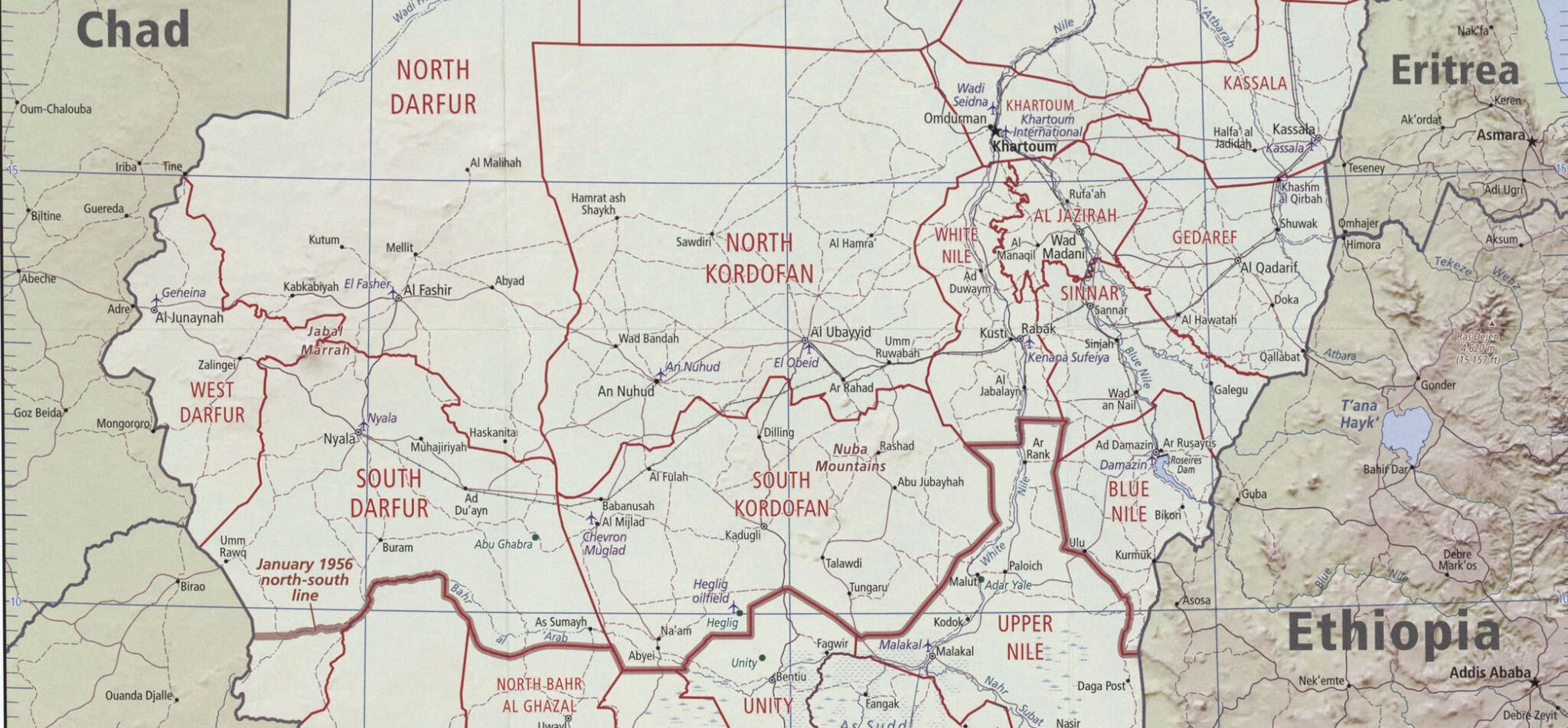
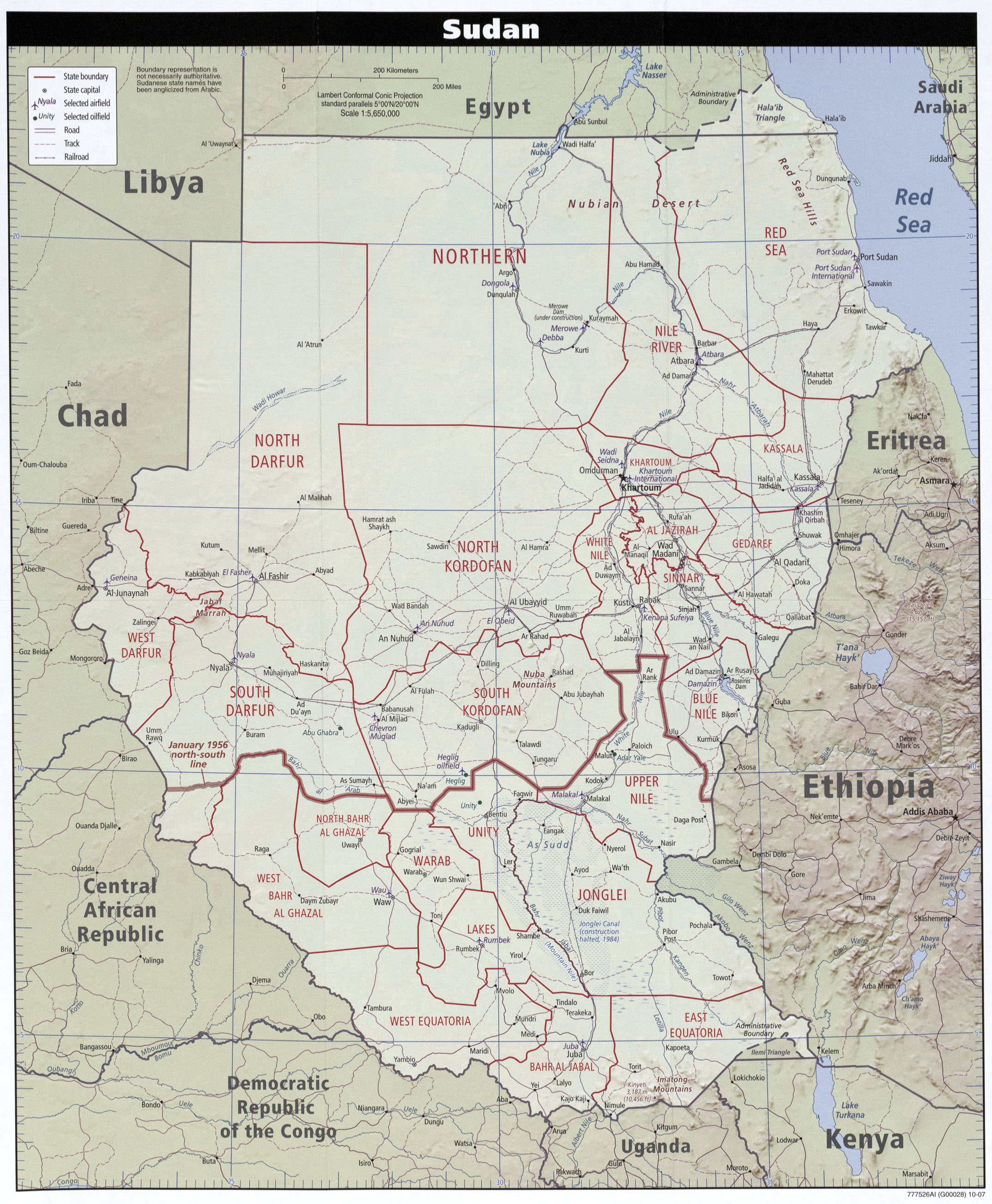
In a move that will shock absolutely nobody following the war in Sudan, the Rapid Support Forces (RSF) declared a three-month unilateral humanitarian truce—and then promptly broke it with an attack on an army position in the West Kordofan town of Babanusa. RSF leader Hemedti billed the pause as a first step towards a political solution, but it looks like just another attempt to con mediators and journalists. As ever, those attempts have been drowned out by a stream of grim revelations, including reports that RSF fighters forcibly took blood from civilians fleeing El Fasher—prompting one commentator to label them “literal vampires.” A Doctors Without Borders update found that many of the 260,000 civilians still alive in El Fasher before the RSF takeover in October are now dead, detained, trapped, or unable to access lifesaving aid. (Map: PCL)

Africa
Kordofan

Sudan: atrocities as North Kordofan city falls to RSF

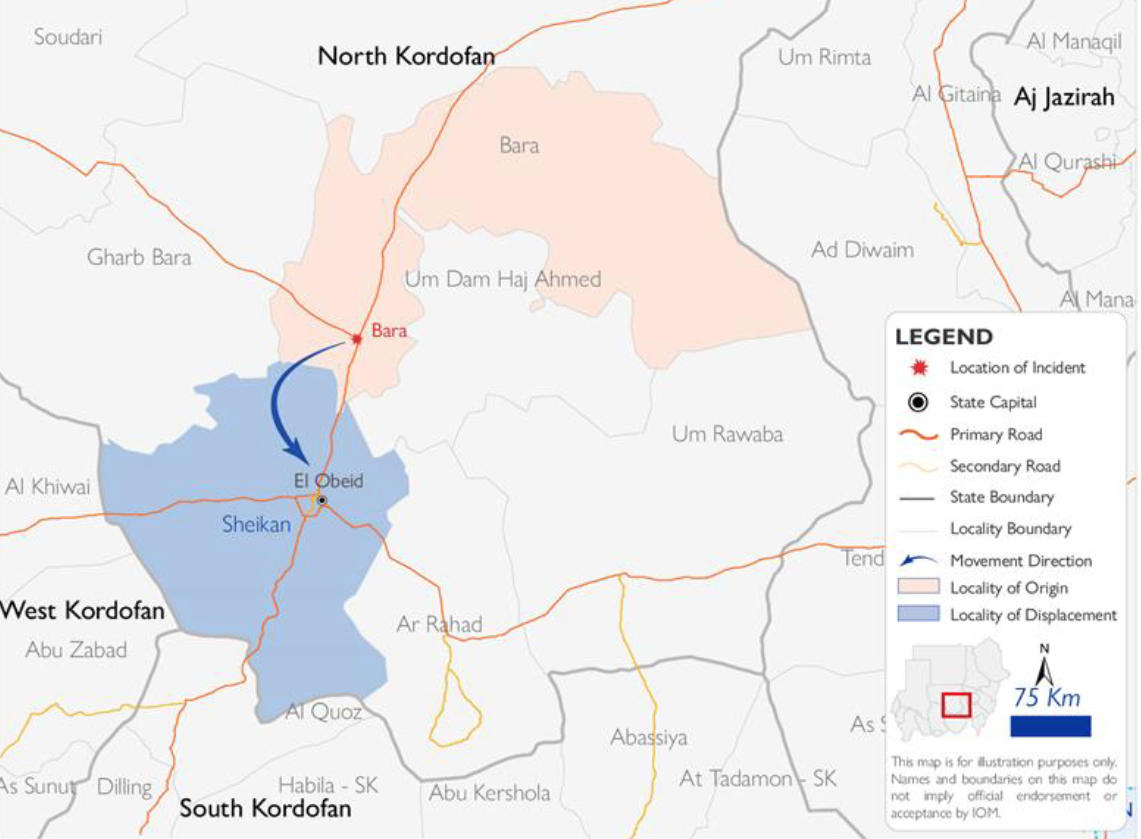
Summary executions of civilians by fighters of the Rapid Support Forces (RSF) are being reported from Bara city, in Sudan’s North Kordofan state, after it was captured by the paramilitary army following a major offensive. The victims were apparently accused of supporting the Sudanese Armed Forces in its defense of the city. Reports indicate that dozens of civilians have been killed, according to the UN Human Rights Office. A local medical group describes horrific conditions in the taken city. “Dozens of bodies are piled up inside homes after the RSF prevented the victims’ families from burying them, leaving the dead trapped in their houses while the living are surrounded by fear, hunger, and thirst,” the Sudan Doctors Network said in a statement. (Map: Displacement Tracking Matrix)

Africa
El Fasher

Podcast: Darfur again —a genocide foretold

Throughout the 18-month siege of El Fasher, capital of Sudan’s North Darfur state, international human rights observers had been warning that the city’s residents faced a general massacre when it eventually fell to the Rapid Support Forces (RSF). Yet nothing was done, apart from ineffectual Great Power diplomacy that had zero impact on the ground. Now that the foretold massacre is underway—with hundreds killed, thousands missing, and no end in sight—calls are at last emerging for boycott, divestment and sanctions against the United Arab Emirates, the apparent underwriter of the genocidal RSF. In Episode 302 of the CounterVortex podcast, Bill Weinberg notes the contrast with the situation 20 years ago, when #SaveDarfur was a cause célèbre—and asks what has changed. (Photo: Roman Deckert via Wikimedia Commons)

Africa
Sudan

Sudan: massacres, ‘execution spree’ as El Fasher falls to RSF

Sudan’s Rapid Support Forces (RSF) have fired on fleeing civilians, plundered hospitals, and carried out over a dozen “field executions” in El Fasher in the days since the paramilitary army took the city, local observers report. The Sudan Doctors Network issued a statement saying the RSF had carried out a “heinous massacre [of] unarmed civilians on ethnic grounds in what amounts to an act of ethnic cleansing.” Among those slain in targeted summary executions was reportedly Siham Hassan, a longtime activist and former member of parliament. She was known for running a community kitchen to feed the hungry in El Fasher, and as an outspoken advocate for women’s rights. (Map: PCL)

Africa
darfur suspect

ICC convicts ex-militia leader of Darfur war crimes

The International Criminal Court (ICC)  convicted Ali Kushayb, a former Sudanese militia chief, on 27 counts of war crimes and crimes against humanity for his role in massacres and atrocities in Darfur region in 2003 and 2004. Guilty verdicts included for the war crimes of torture, murder and rape, as well as multiple crimes against humanity, including forcible population transfers. The ICC Trial Chamber found that Kushayb, as a senior commander in the Janjaweed militia, led a campaign of atrocities during the Darfur conflict, with witnesses describing razed villages, mass executions, and gang rapes used as a weapon of war. Sentencing will take place at a later date, with a maximum penalty of life imprisonment. (Photo via Radio Dabanga)

Africa
Darfur

Sudan: ‘roadmap’ to peace —amid escalation to genocide

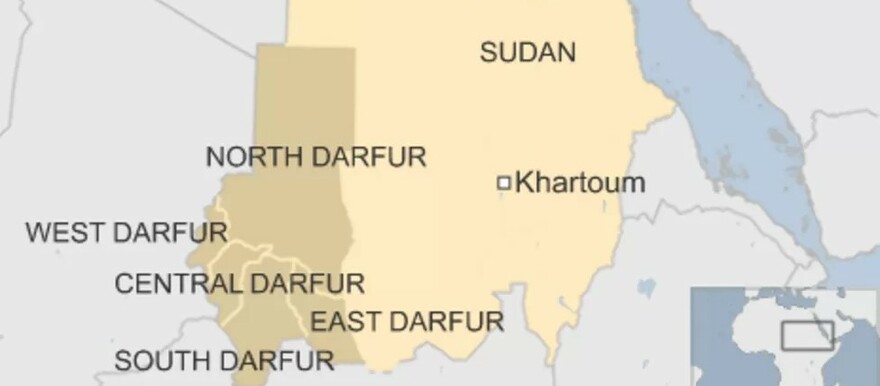
After months of US-led negotiations, the United States, Saudi Arabia, Egypt and the United Arab Emirates (the “Quad“) issued a “roadmap to peace” in Sudan, starting with a push for a three-month “humanitarian truce.” However, despite the agreement with the main regional backers of the two sides in the war, fighting continues between the Sudanese armed forces and paramilitary Rapid Support Forces (RSF). Since the “roadmap” was announced, the RSF has continued to close its ring around El Fasher, the besieged capital of North Darfur state. UN officials have condemned the assault and warned of catastrophic consequences for civilians under siege, facing severe shortages of food, clean water, and medical services. When the RSF offensive was launched earlier this year, a coalition of aid organizations and human rights groups issued a statement finding: “Genocide and atrocity crimes are being committed now in North Darfur. The RSF is engaged in the mass killing of civilians and will likely continue this if/when they reach El Fasher.” (Map via Radio Tamazuj)

Africa
Sudan

Sudan: RSF announce rival government

A coalition led by the paramilitary Rapid Support Forces (RSF) has announced formation of a parallel government in Sudan, further cementing the country’s territorial split between army-held and RSF-held regions. Paramilitary leader Mohamed Hamdan Dagalo (“Hemedti“) will head a 15-person council with Abdel Aziz al-Hilu, head of the SPLM-N rebel group, as deputy. The African Union urged member states to not recognize the new regime, which wants to rival the Port Sudan-based army-led transitional government. This effectively leaves the RSF-led regime in control of much of the south, the army in control of the north, and the center of the country contested. (Map: PCL)

Planet Watch
El Fasher

Global peak in displacement amid funding gap

The Office of the UN High Commissioner for Refugees (UNHCR) reported that forced displacement has doubled globally in the last decade, while “brutal” funding cuts mean a lack of resources to accommodate the increased number of displaced people dependent on the UNHCR for support. The agency said the increase has been “largely driven by protracted conflicts in Sudan, Myanmar and Ukraine,” with a total of 123.2 million people displaced worldwide at the end of 2024. (Photo: Roman Deckert via Wikimedia Commons)

Watching the Shadows
travel ban

Trump issues new ‘travel ban’ proclamation

President Donald Trump issued a proclamation implementing a nearly full travel ban on nationals from a dozen countries, severely restricting potential entry into the United States. The proclamation is based on an executive order issued on Trump’s first day in office that laid the foundation for the administration to enact extensive immigration controls. Commentators have harshly criticized the ban, pointing out that it disproportionately affects Muslim-majority and African countries. Amnesty International’s secretary general Agnes Callamard lambasted Trump for the action, calling it “discriminatory, racist and downright cruel.” The restrictions bear a striking resemblance to Trump’s 2017 travel ban, which blocked travel to the United States from seven Muslim-majority countries. (Photo: Minneapolis protest of 2018 Supreme Court decision upholding Trump’s first travel ban. Credit: Fibonacci Blue/Flickr)