Mexico to seek charges over deaths in ICE custody

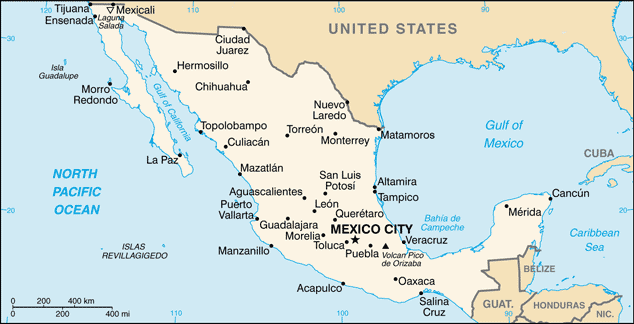
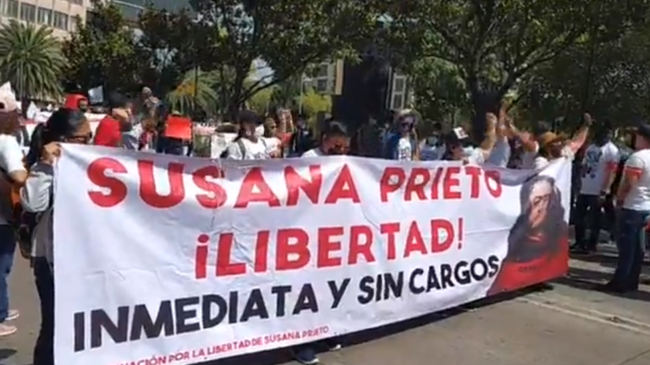
MexicoMexican President Claudia Sheinbaum said that her government plans to seek criminal complaints in the United States over the deaths of Mexican citizens while in immigration custody or during anti-immigration operations. Since President Donald Trump launched the current immigration crackdown, at least 14 Mexican nationals have died in the custody of US Immigration & Customs Enforcement (ICE), and three more have reportedly died in arrests conducted by the agency. (Map: PCL)

MAGA-fascism and the struggle in Canada

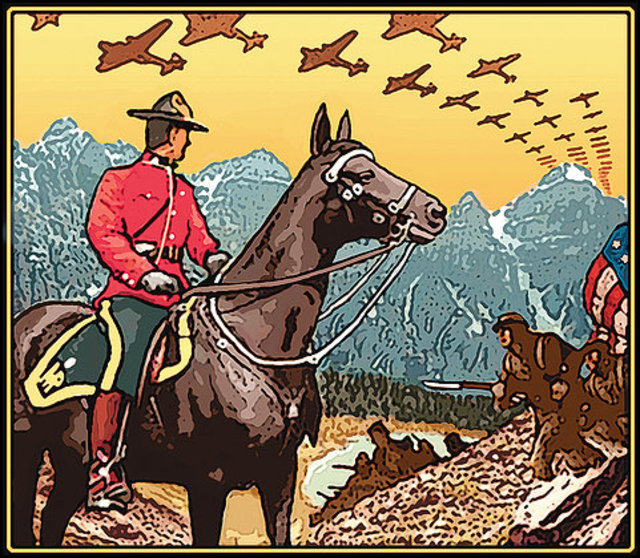
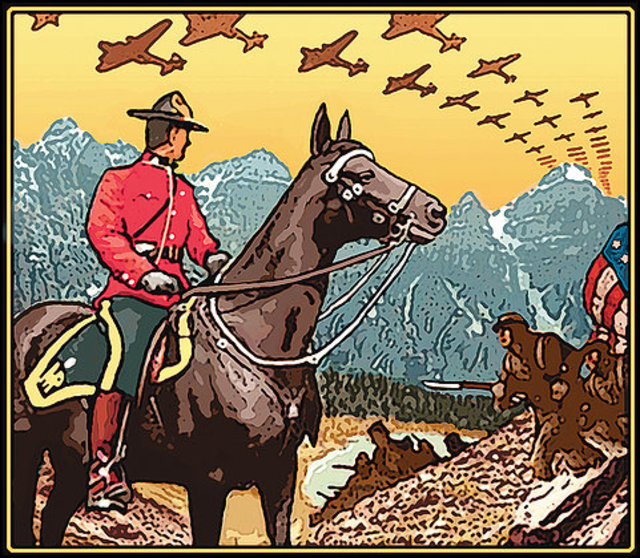
CanadaTrump's annexationist designs on Canada were the central issue in the country's elections this past week, which saw a victory for the intransigently anti-Trump candidate, Mark Carney. While this seems surreal after a generation of economic integration under NAFTA, the vast resources of Canada—especially hydrocarbons, water and energy—provide a long-term goad of conflict between the two giants of North America. The Pentagon does in fact have a contingency plan for an invasion of Canada, dating back to the 1930s. In Episode 276 of the CounterVortex podcast, Bill Weinberg explores the strategic and corporate agendas behind Trump's bellicose bluster. (Image: source unknown, lifted from Art & Architecture, Mainly)

Mexico launches ‘Operativo Frontera Norte’

SEDENAMexico has launched a massive deployment of 10,000 troops to cities and towns on the border with the United States. Videos and photos posted on social media by Mexico's Secretariat of National Defense (SEDENA) showed military and National Guard troops lined up boarding transport planes and rows of army trucks rolling out from bases in Mexico City, Tlaxcala and other cities. The response—dubbed "Operativo Frontera Norte"—is part of an agreement reached between US President Donald Trump and Mexican President Claudia Sheinbaum postponing trade tariff threats for a month. (Photo: SEDENA via Peninsula360)

Trade panel strikes down Mexico GMO corn ban

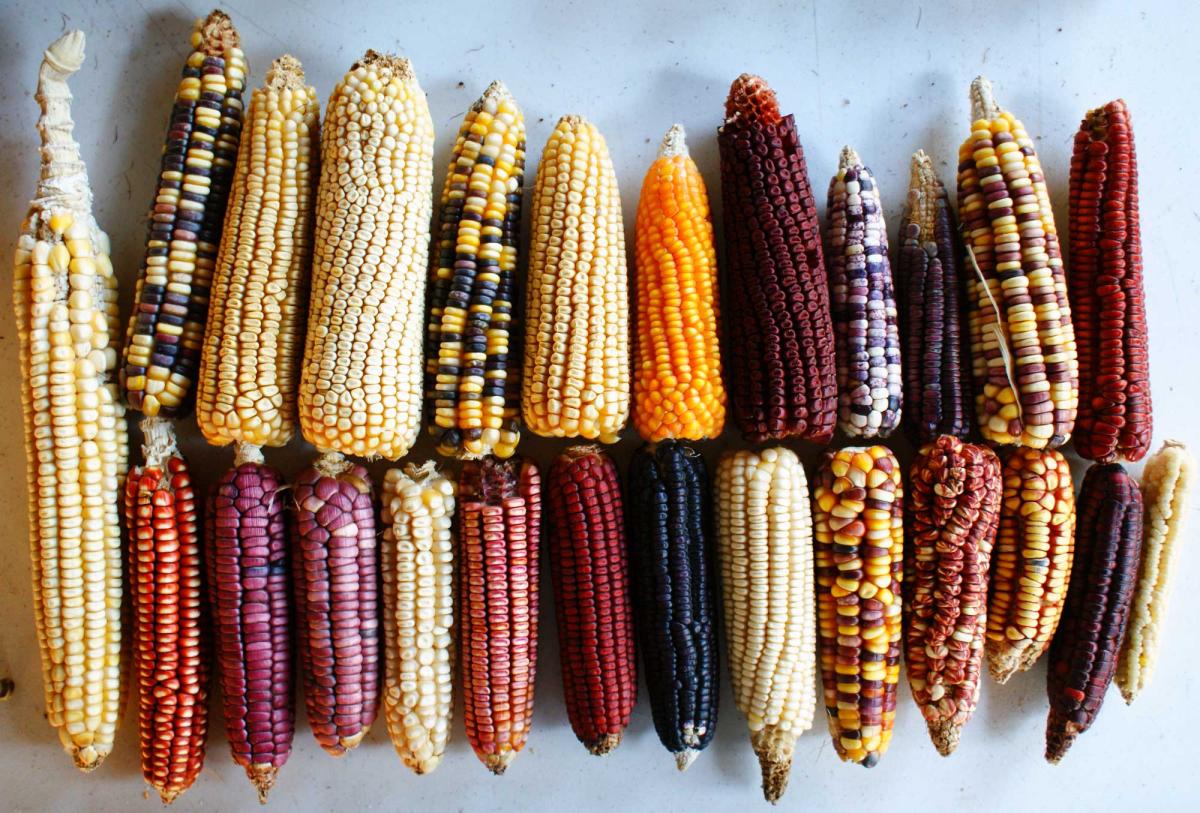
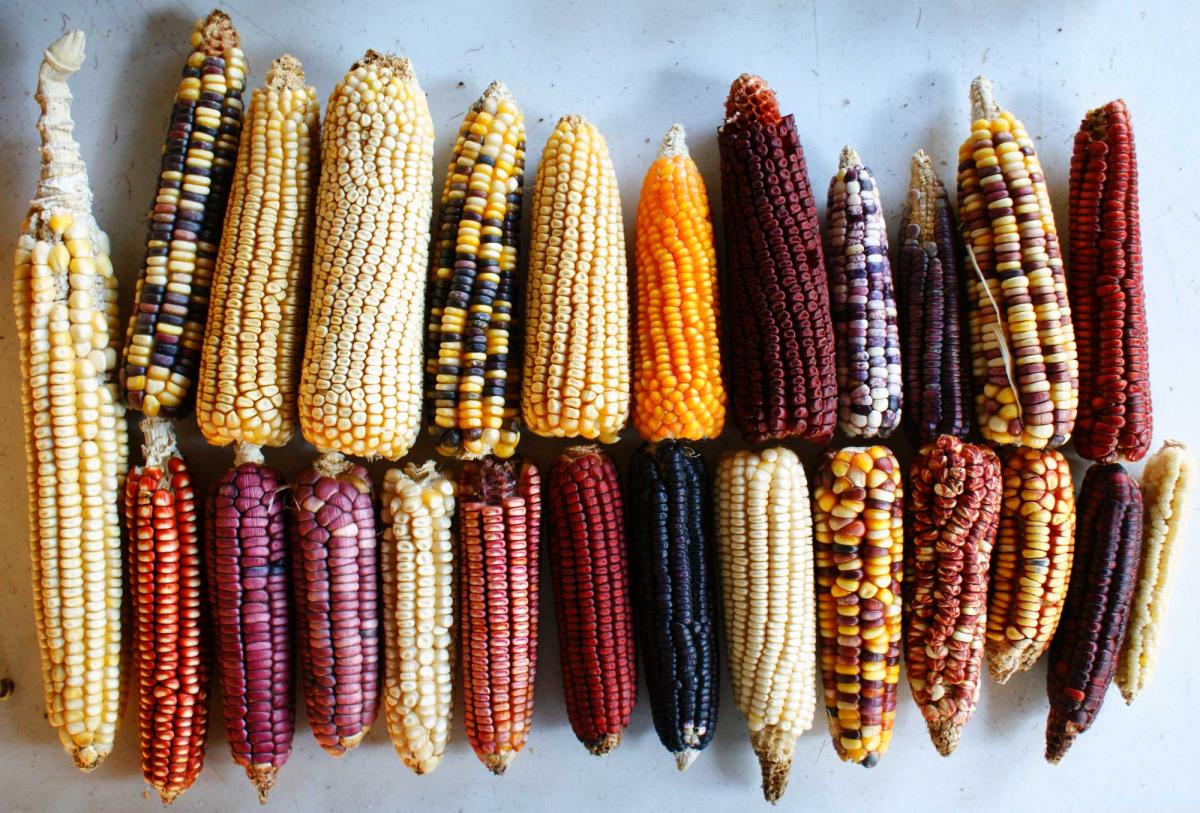
cornA trade dispute panel convened under the US-Mexico-Canada Agreement (USMCA) ruled that Mexico's import restrictions on US genetically modified corn violates the accord. The conflict stems from a presidential decree published by Mexico in February 2023 instating an immediate ban on the use of genetically modified corn in dough and tortillas, and a gradual end to its use in animal feed and other products. The panel determined that the ban was not based on science, and contravened the market access required under the USMCA. However, advocacy groups such as Greenpeace are proponents of the corn decree and implored the US to respect Mexico's sovereignty, arguing that market dominance of patented GMO varities leads to the decline of indigenous strains and threatens food security. (Photo of indigenous Mexican corn varities: Feria de Productores via Earth@Home)

Podcast: Mexico and the struggle for the genetic commons

maizIn Episode 166 of the CounterVortex podcast, Bill Weinberg discusses how a little-noted US-Mexico dispute on trade and agricultural policy has serious implications for the survival of the human race. Washington is preparing to file a complaint under terms of the US-Mexico-Canada Agreement over Mexico's decree banning imports of GMO corn, slated to take effect in January 2024. Concerns about the (unproven) health effects of consuming GMO foods miss the real critique—which is ecological, social and political. GMO seeds are explicitly designed as part of an "input package" intended to get farmers hooked on pesticides and petrochemical fertilizers, and protect the "intellectual property" of private corporations. Agribusiness, which can afford the "input package," comes to dominate the market. Eased by so-called "free trade" policies, agbiz forces the peasantry off the market and ultimately off the land—a process well advanced in Mexico since NAFTA took effect in 1994, and is related to the explosion of the narco economy and mass migration. The pending decree holds the promise of regenerating sustainable agriculture based on native seed stock. It is also a critical test case, as countries such as Kenya have recently repealed similar policies in light of the global food crisis. Listen on SoundCloud or via Patreon. (Image: Sin Maíz No Hay País)

The Amazon

US accuses Peru of violating FTA forestry provisions

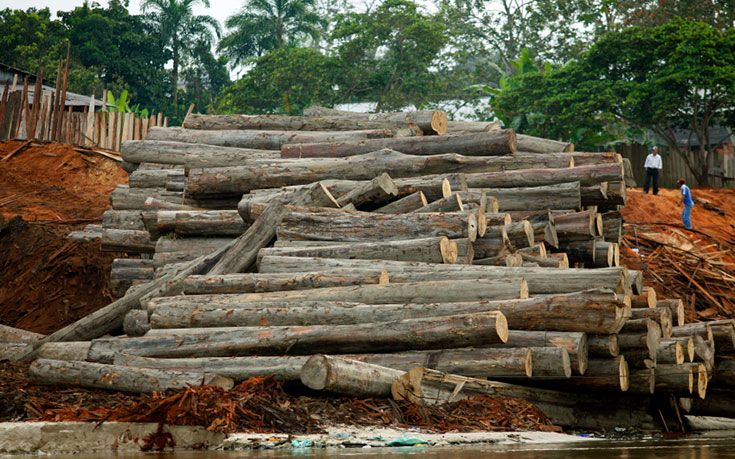
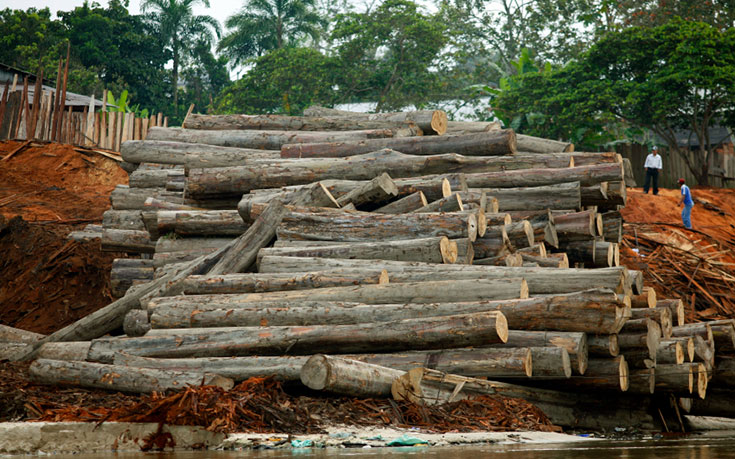
timberThe White House is accusing Peru of violating its commitment to protect the Amazon rainforest, threatening to hold Lima in violation of the US-Peru Free Trade Agreement . Robert Lighthizer, President Trump's top trade negotiator, announced that he is seeking consultations with Lima to address concerns about its recent move to curtail the authority of Peru's auditor for timber exports, the Organism for the Supervision of Forestry Resources (OSINFOR), established as a provision of the trade agreement. The move move had been demanded by Peru's logging industry following an OSINFOR seizure of illegal timber. The White House needs support from congressional Democrats to pass the pending US-Mexico-Canada Agreement, Trump's replacement for NAFTA, which is supposed to have tougher labor protections. The forestry annex in the Peru agreement was conceived as a model for a new inspection system that could include confiscation at the border of goods found to violate treaty provisions, and the prosecution of companies that import noncompliant products. (Image via Sierra Club)

Mexico

Trump announces ‘termination’ of NAFTA

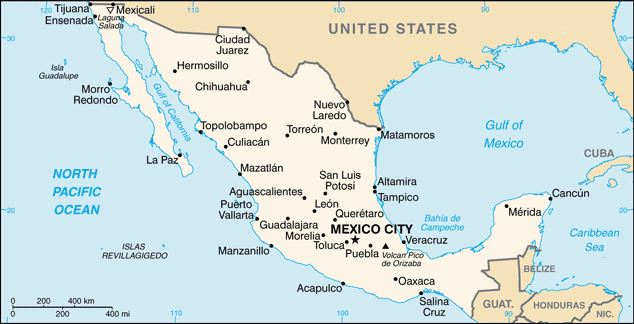
MexicoPresident Trump announced that the US and Mexico have reached an agreement on a new trade deal called the United States-Mexico Trade Agreement, which will ultimately terminate the North American Free Trade Agreement (NAFTA). Trump called Mexican President Enrique Peña Nieto from the White House to announce the new deal. Among a number of changes to NAFTA, both parties agreed to a provision that would require a significant portion of vehicles to be made in high-wage factories, a measure aimed to discourage factory jobs from leaving the US. Trump said he is in communication with Canada about a new trade deal, but is unsure if it will be part of the US-Mexico Trade Agreement. The Trump administration expects the new pact to be signed by the end of November. (Map: CIA)

Mexico

Mexico: AMLO-Trump populist convergence?

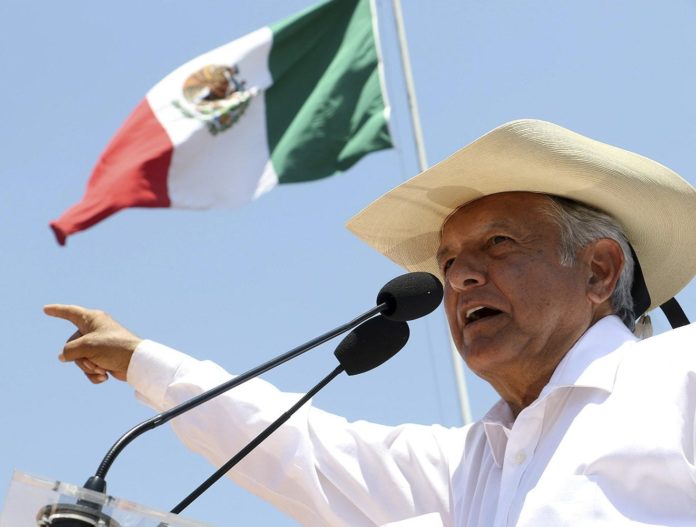
AMLOAndres Manuel Lopez Obrador—known by his initials AMLO—will be Mexico's next president, following his victory in the July 1 election. This marks the first time a Mexican presidential candidate of the left has had his victory honored. An obvious question is how AMLO will deal with Donald Trump—who attained office by demonizing Mexicans and pledging to build a wall on the border (and make Mexico pay for it). Last year, AMLO actually filed a complaint with the Inter-American Commission on Human Rights against Trump's proposed wall. But he also hired Trump's current crony Rudolph Giuliani as anti-crime czar when he was mayor of Mexico City in 2002. As populists and opponents of free-trade economics, there may be unlikely common ground between the two men. (Photo: El Txoro)

Southern Cone

Chileans protest signing of rebooted TPP

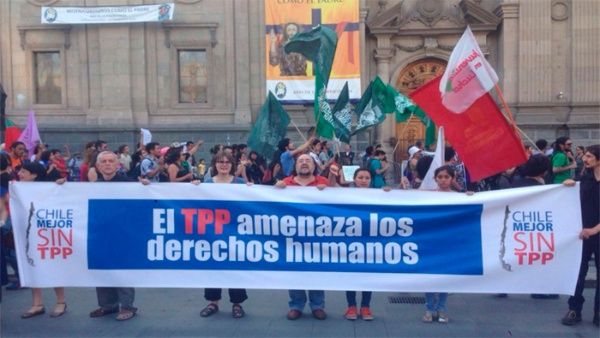
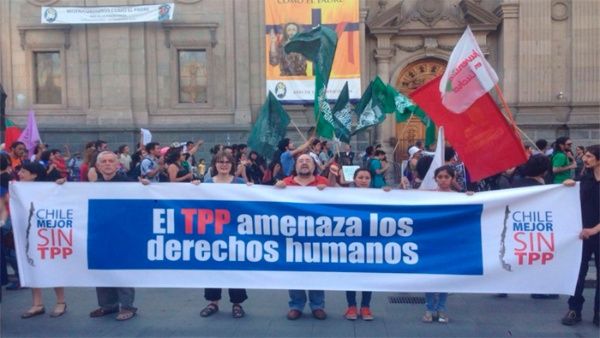
anti-TPPChilean activists protested in Santiago against the signing of the new Trans-Pacific Partnership agreement, now rebranded as the Comprehensive and Progressive Agreement for Trans-Pacific Partnership (CPTPP), or TPP-11. Protesters outside La Moneda Palace, headquarters of the Chilean government, held banners reading "No to modern slavery, no to the TPP-11" and "The TPP and TPP-11 are the same!" Lucía Sepúlveda, leader of the organization Chile Mejor Sin TPP, said the agreement would "deliver full guarantees to foreign investors" at the expense of "rights and national interests." (Photo: Chile Mejor Sin TPP)