Thailand: halt deportation of Karen refugees
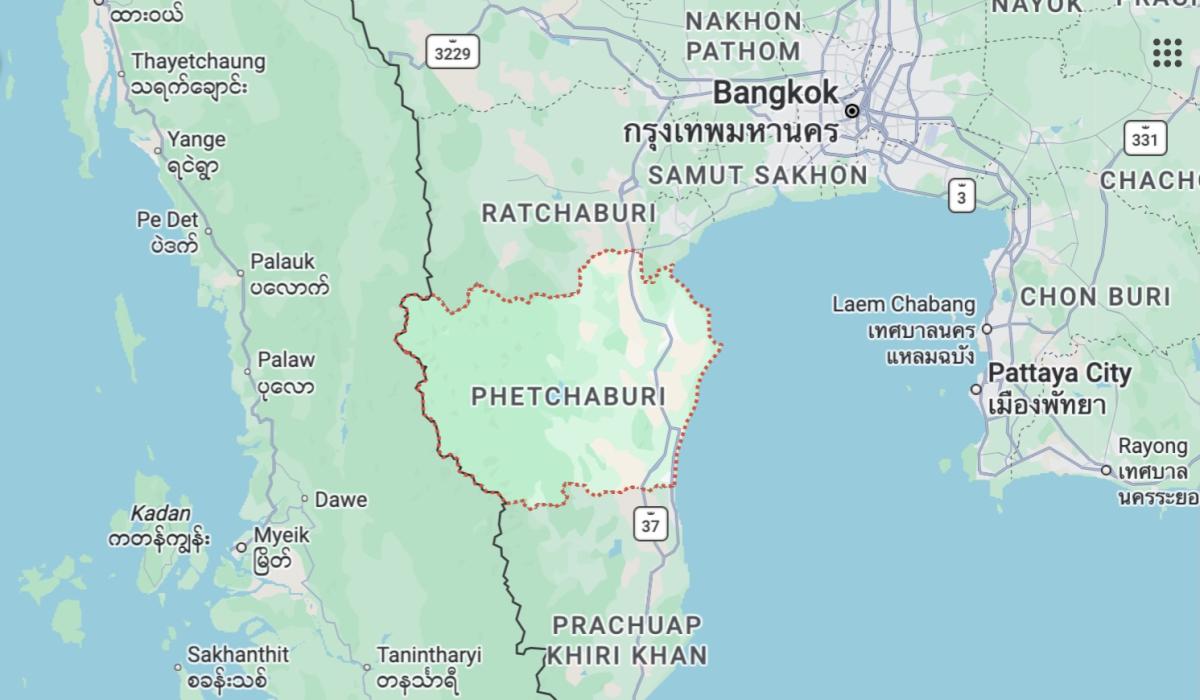
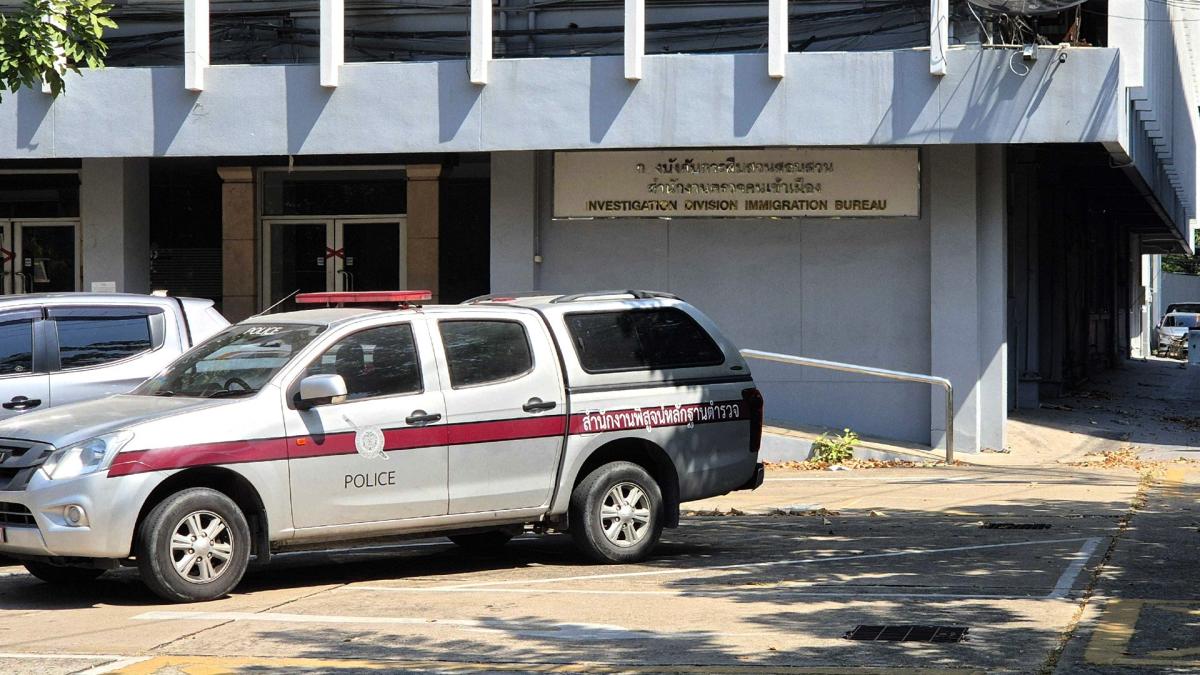
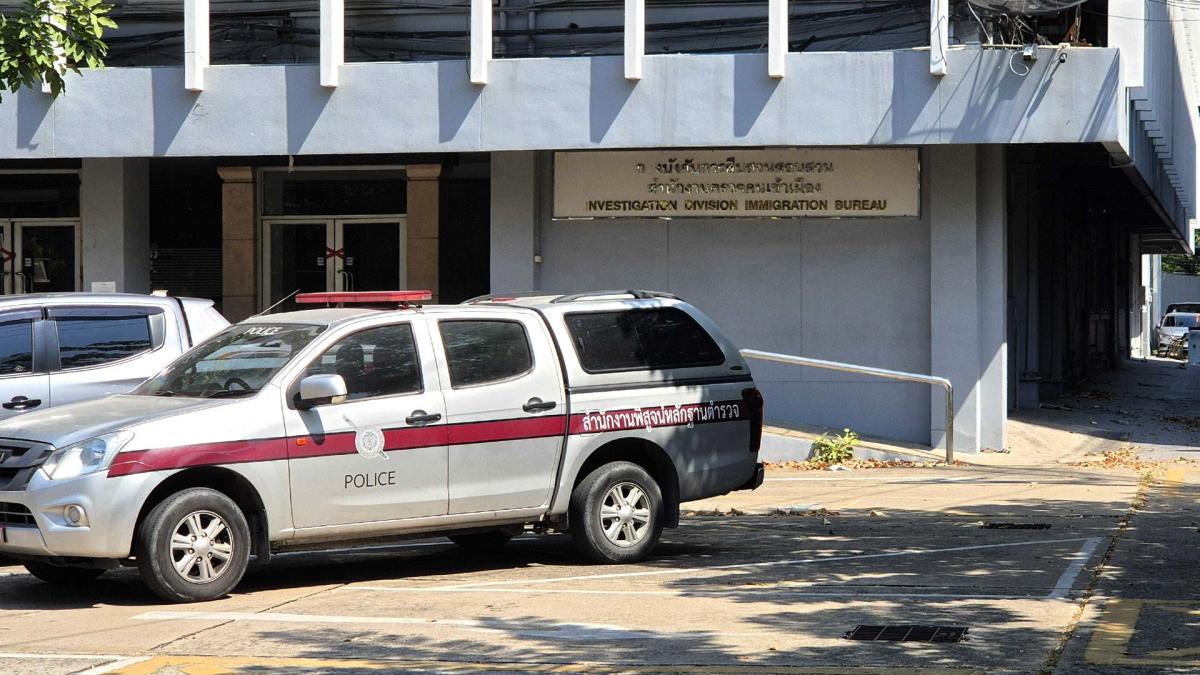
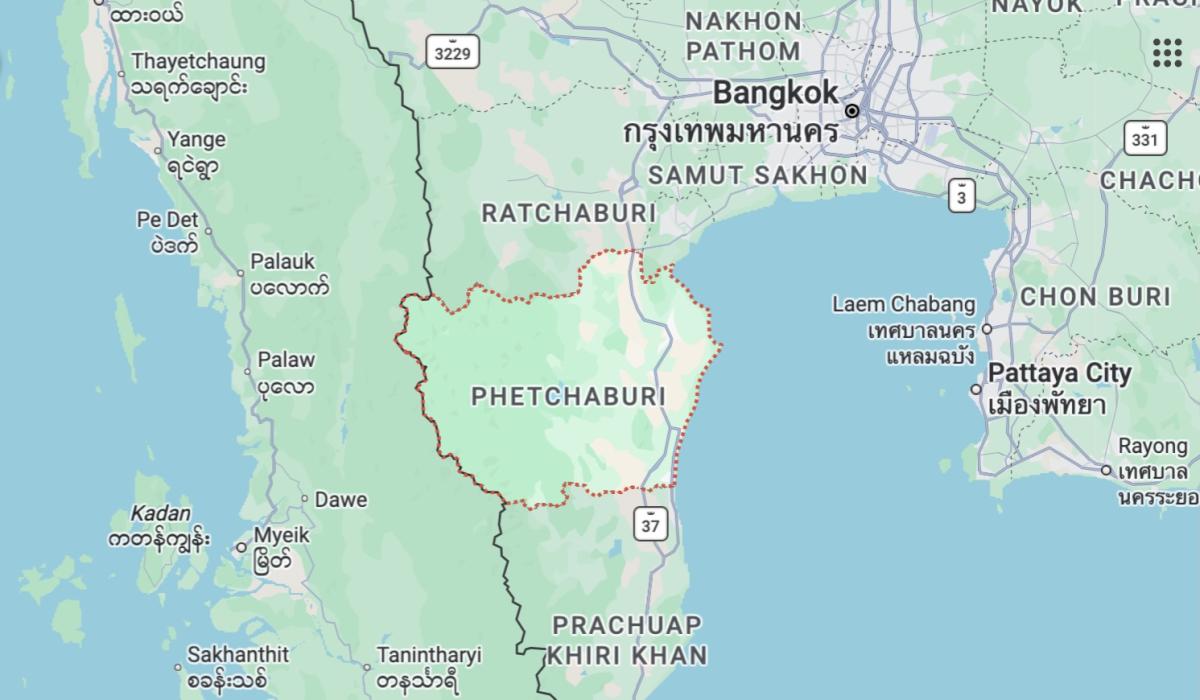
PhetchaburiHuman Rights Watch (HRW) called on Thai authorities to halt the deportation of ethnic Karen villagers from Thailand's Phetchaburi province to Burma, citing grave risks to their safety if returned, and urging their immediate release from immigration detention. HRW reported that Thai security forces raided the Karen community living within Phetchaburi's Kaeng Krachan National Park, targeting those without proof of Thai citizenship, and arresting 26 villagers before placing them into the custody of the Suan Phlu Immigration Detention Center in Bangkok. The organization stated that deporting the Karen villagers to Burma would expose them to severe risk given the Burmese military junta's record of ethnically targeted attacks and abuses, including mass killings, torture and arbitrary arrests. (Map: Google)
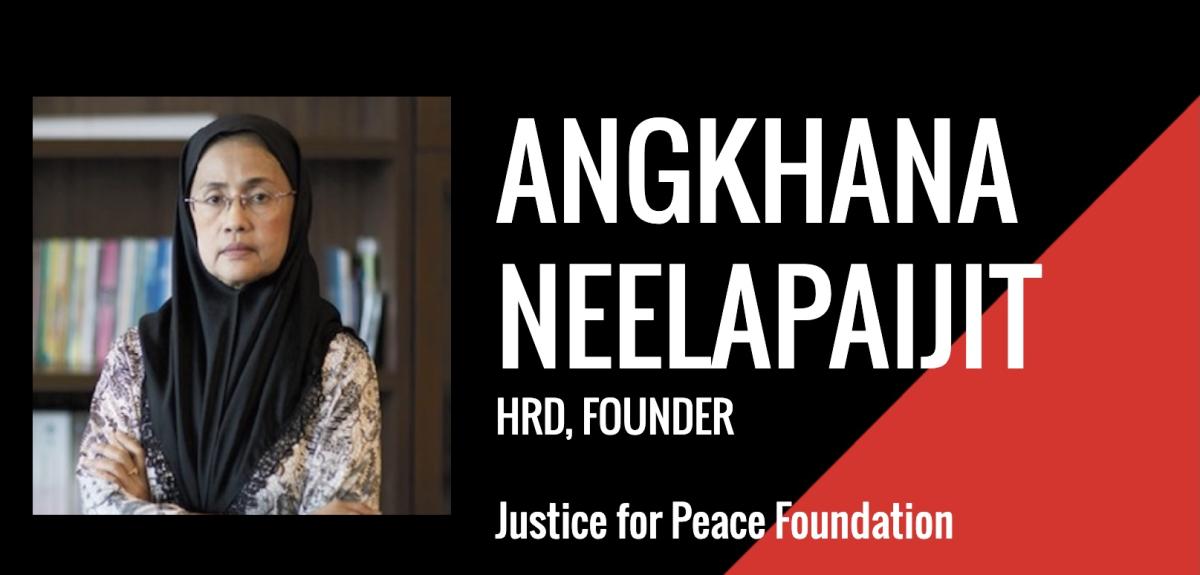
Thai rights defenders face online death threats

Angkhana NeelaphaijitHuman Rights Watch called on authorities in Thailand to take urgent measures to address a wave of online death threats and harassment against members of parliament Angkhana Neelaphaijit and Romadon Panjor, as well as human rights activist Anchana Heemmina, after they voiced their disapproval of actions of the Thai military and expressed their support for the Muslim community in the country's Deep South. The online campaign of threats and disinformation comes as the long-simmering insurgency in the Deep South is again escalating. (Photo: Front Line Defenders)

AI chatbots shill for repressive regimes

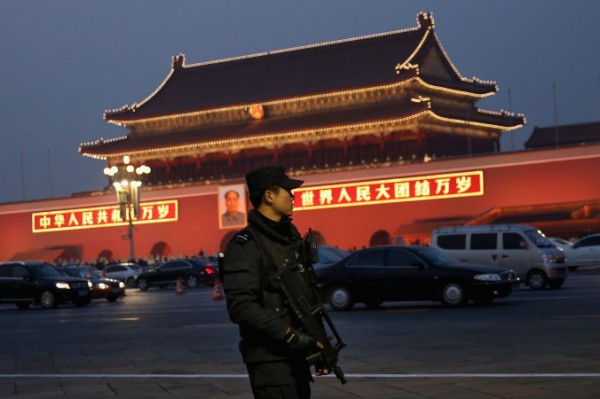
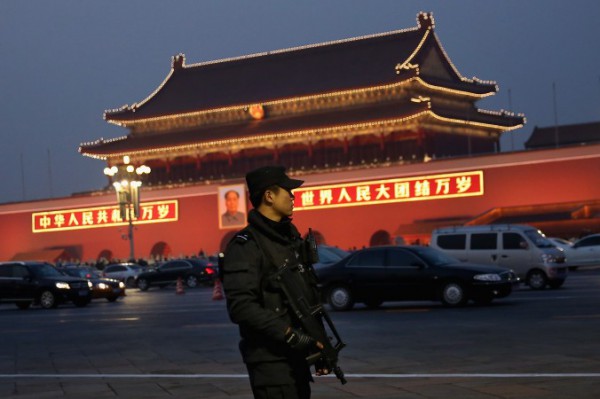
TiananmenNew research from Meta's Oversight Board found commercial large language models (LLMs) from Anthropic, DeepSeek, Google, Meta, OpenAI and xAI are far less likely to criticize repressive leaders and governments. The research calls it "free speech infringements by proxy." Apps and material produced by these generative AI tools could actively reproduce restrictions, including on political criticism. It's unclear why these AI models are doing this—underscoring the need for companies to be transparent and build "human rights due diligence" into the process, before it’s too late. China, Thailand, Cambodia and Saudi Arabia topped the list of countries with the highest refusal rates when LLMs were prompted to create materials criticizing governments. (Photo: chinaworker.info)

UN: ‘wicked’ trafficking for cyber-scam ops

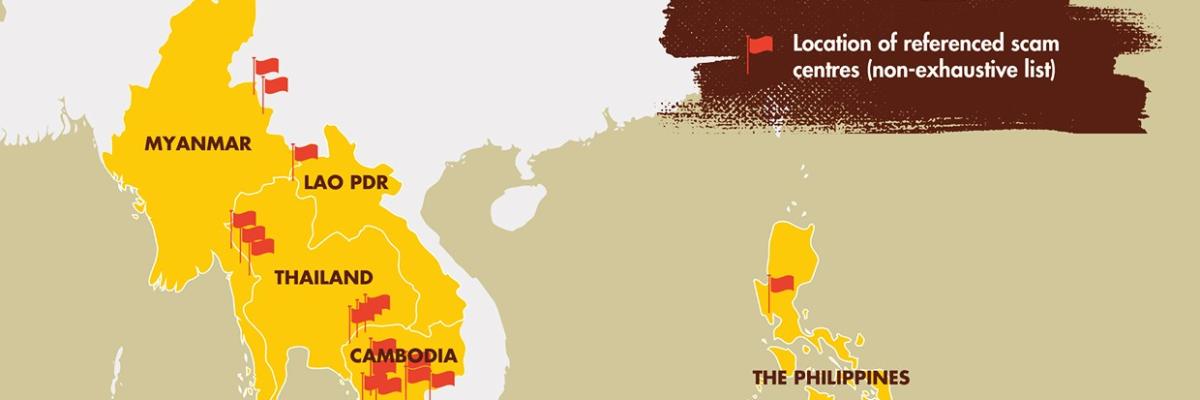
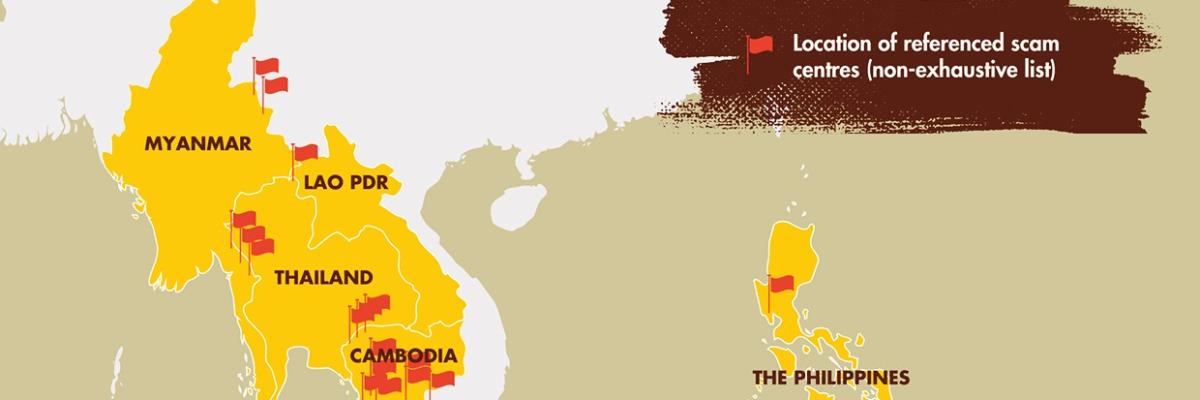
scam centersThe UN Office of the High Commissioner for Human Rights (OHCHR) released a report warning that the rapid expansion of cyber-fraud compounds in Southeast Asia has resulted in widespread human rights abuses. At least 300,000 people originating from 66 countries are currently forced to work in these operations, primarily in Burma and Cambodia. The OHCHR described the phenomenon as a "wicked problem" requiring coordinated, human rights-based responses rather than enforcement-only crackdowns. Yet national government have responded with air-strikes on the compounds, endangering the exploited workers being held at the facilities. (Image: OHCHR) 

Triple-cyclone disaster crystalizes climate threat

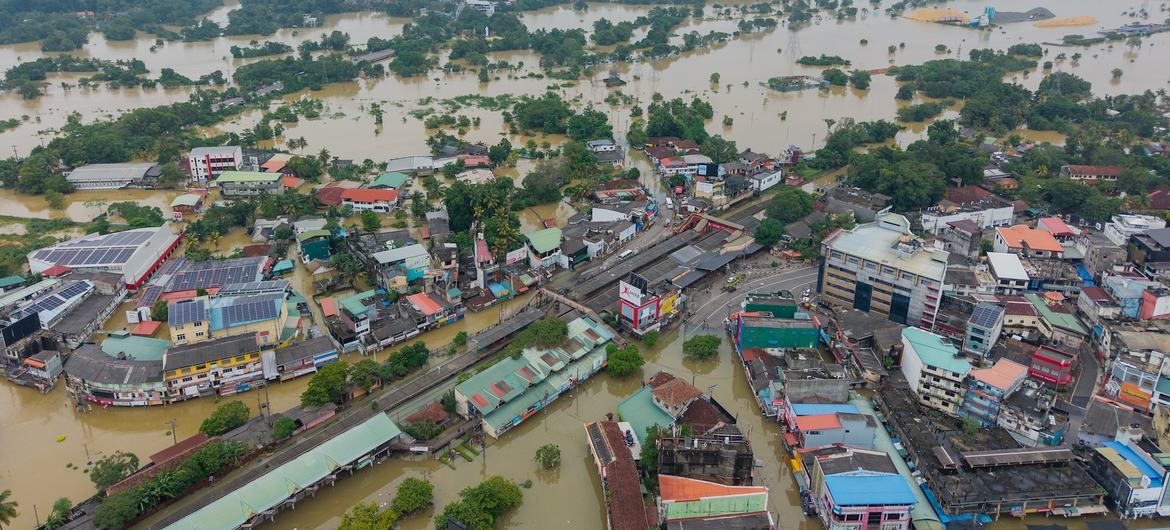
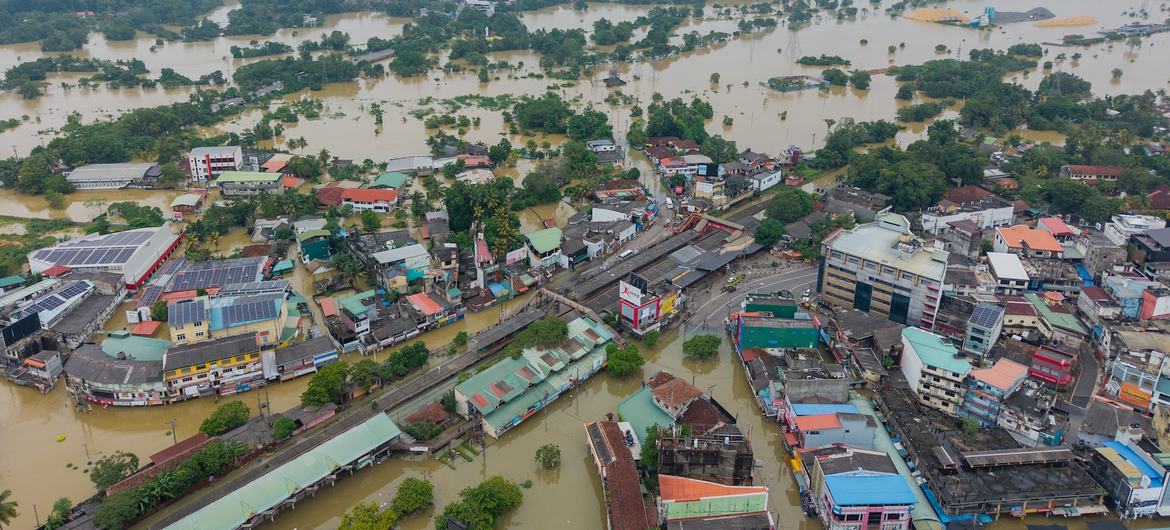
ColomboA rare convergence of three tropical cyclones with the northeast monsoon has triggered the worst flooding to hit South and Southeast Asia in decades. More than 1,600 people have been killed, thousands remain unaccounted for, and whole villages have disappeared under mud and rising water. Roads, bridges, and other vital infrastructure have been torn apart, hampering rescue efforts as communities wait for help across Indonesia, Thailand, Sri Lanka, Vietnam and other affected countries. The scale of the disaster reflects a dangerous mix of climate pressures. Warmer oceans are intensifying storms, while a hotter atmosphere is capable of holding and releasing far more moisture. Environmental degradation has left many communities exposed: rivers once stabilized by forest cover burst their banks with little resistance. Humanitarian groups are urging governments to strengthen early-warning systems, invest in resilient infrastructure, and prioritize long-term adaptation—all of which makes the disappointing outcomes of this year's UN climate summit even more worrying. (Photo: town in Sri Lanka after Cyclone Ditwah. Credit: UNICEF/InceptChange via UN News)

Thailand urged to drop charges against war objector

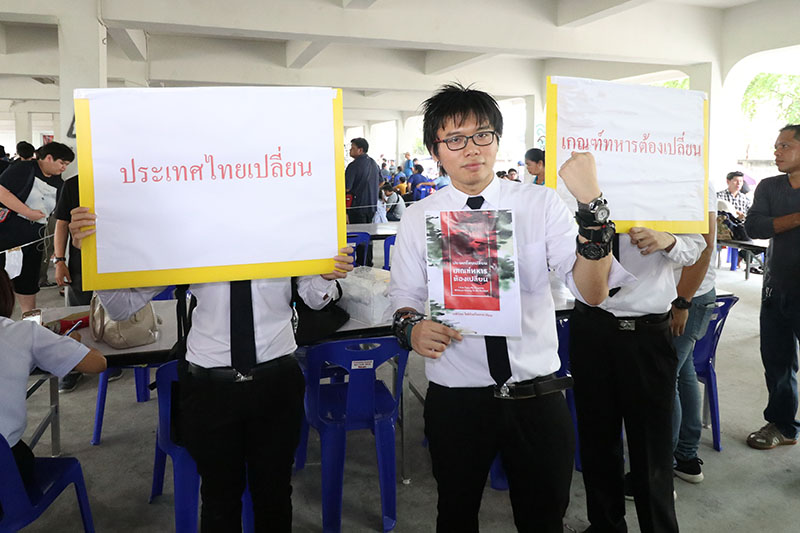
ThaiAmnesty International condemned the charges against Thai activist and conscientious objector Netiwit Chotiphatphaisal, who is facing trial for refusing military conscription. The group demanded that Thailand's government drop all charges, asserting that the prosecution violates international human rights law. Netiwit, a former Amnesty International Thailand board member, faces three years in prison under 1954 Military Conscription Act. (Photo: Khaosod. Signs read "Change Thailand" and "Change military conscription")

Podcast: Trump for War-is-Peace Prize

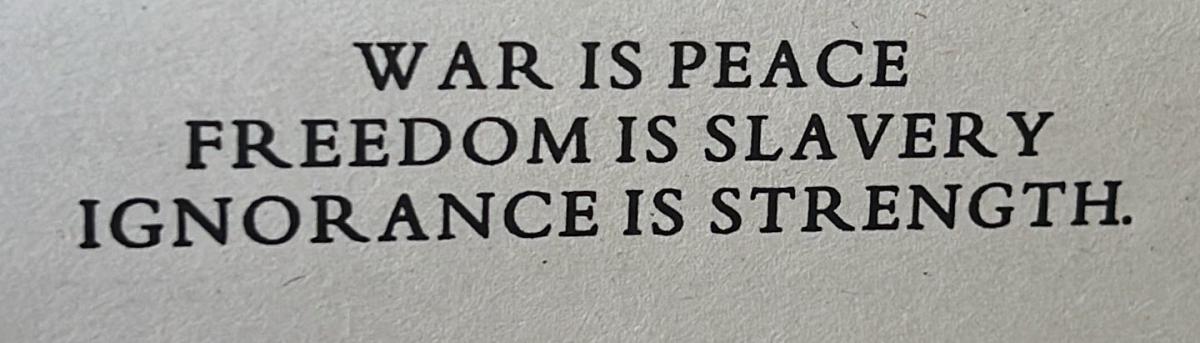
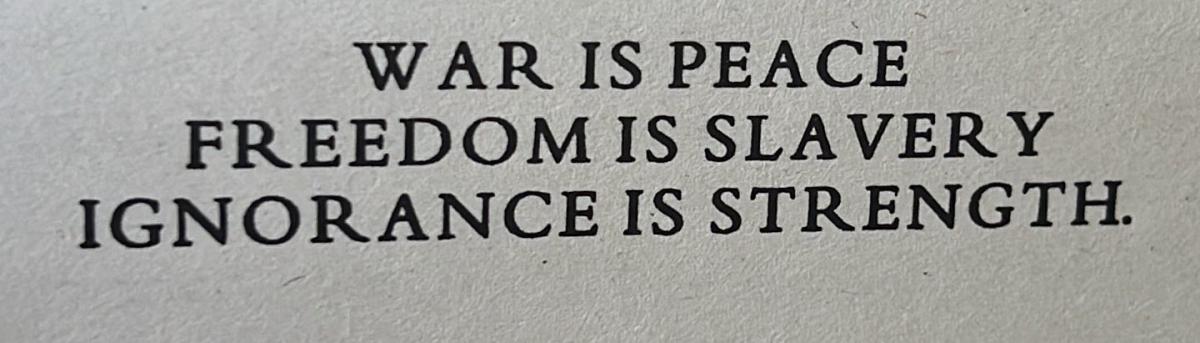
OrwellIn Donald Trump's perverse ambition to win the Nobel Peace Prize, he is citing his supposed diplomatic victories in ending six conflicts: Armenia-Azerbaijan, Congo-Rwanda, Israel-Iran, India-Pakistan, Thailand-Cambodia and Egypt-Ethiopia. In Episode 292 of the CounterVortex podcast, Bill Weinberg examines each of these examples, and breaks down how claims to have won "peace" are either extremely overstated or (more often) total Orwellian jive. The implication that Russia-Ukraine will be next, as Putin escalates his aggression, puts a hideous crown on the irony. (Image via Twitter)

Orwell and the Thai-Cambodia conflict

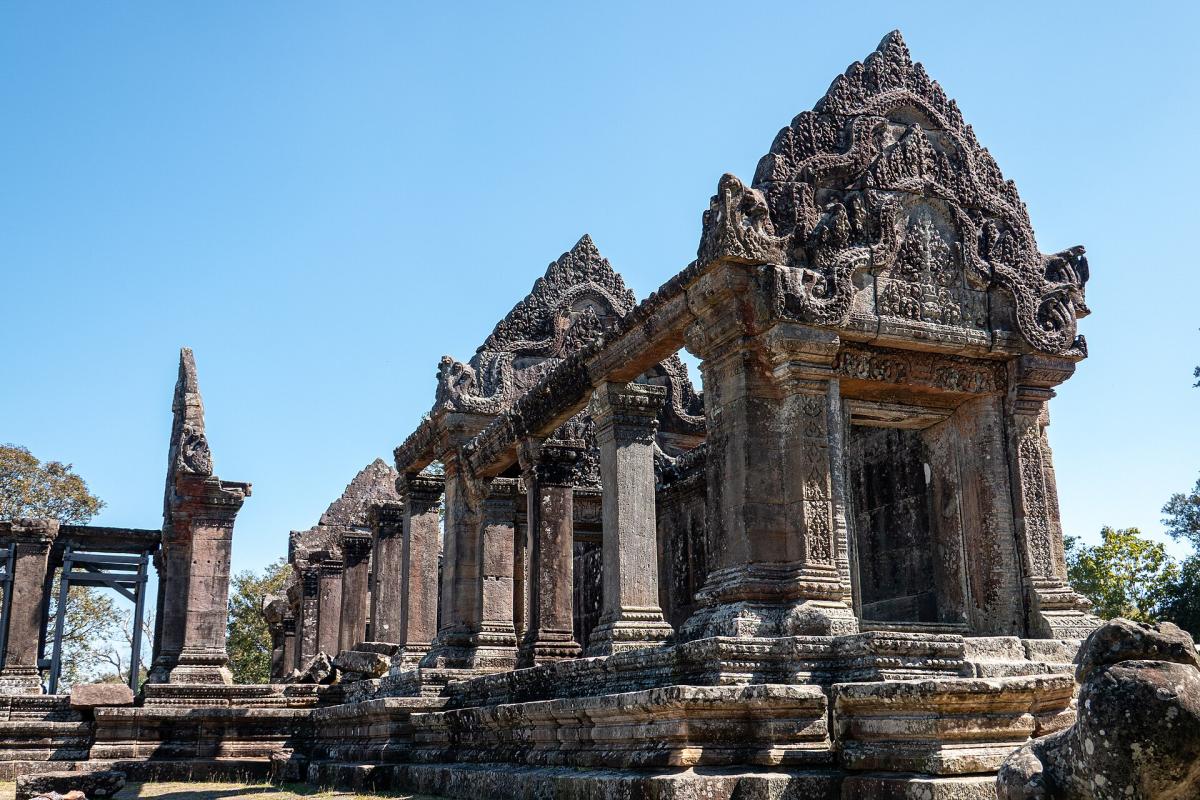
Preah VihearCambodia's prime minister, Hun Manet, nominated Donald Trump for the Nobel Peace Prize, citing his "crucial role" in restoring peace after bloody border fighting with Thailand. The gushy statement praised Trump's "extraordinary statesmanship" and "innovative diplomacy." However, the Thai-Cambodia truce was jointly mediated by the US and China. So Xi Jinping deserves as much credit as Trump—whose main role was threatening to withhold trade deals from the two countries as long as the fighting continued. Hun Manet is the son of current Cambodian senate president (and longtime strongman) Hun Sen, and we suspect that this perverse Nobel nomination actually emerges from the elder Hun. Under Hun Sen's leadership, Cambodia has long been under China's effective suzerainty, and repression has been unleashed against peasants protesting land-grabs by Chinese agbiz interests. Xi is well-assured of the stability of this relationship, and does not need buttering up. Trump, in contrast, needs to have his ego appeased to keep textiles and other export goods produced in Cambodia's sweatshops flowing to the US without prohibitive tariffs. (Image of the contested Preah Vihear archeological site via Wikipedia)

Thailand deports Uyghur asylum seekers

detentionAfter detaining them in squalid short-term holding facilities for more than a decade, Thailand deported 40 Uyghur asylum seekers to China. Human rights groups had been urging the Thai government for more than a month to halt any plans to deport the group—though senior officials denied there were any such plans. The removals were carried out in a pre-dawn operation using trucks with blacked-out windows, flanked by police. The Chinese embassy in Bangkok described the men as "illegal immigrants" and said they would "return to normal life." But rights groups, as well as relatives of the asylum seekers living abroad, worry that the group will remain detained in China—or be sentenced to death. China has previously labelled anyone seeking asylum abroad as a "terrorist." The UN's refugee agency, UNHCR, said the deportations were "a clear violation of the principle of non-refoulement" and international law. (Photo: Jacob Goldberg/TNH)

Burma: Karen rebels seize strategic border town

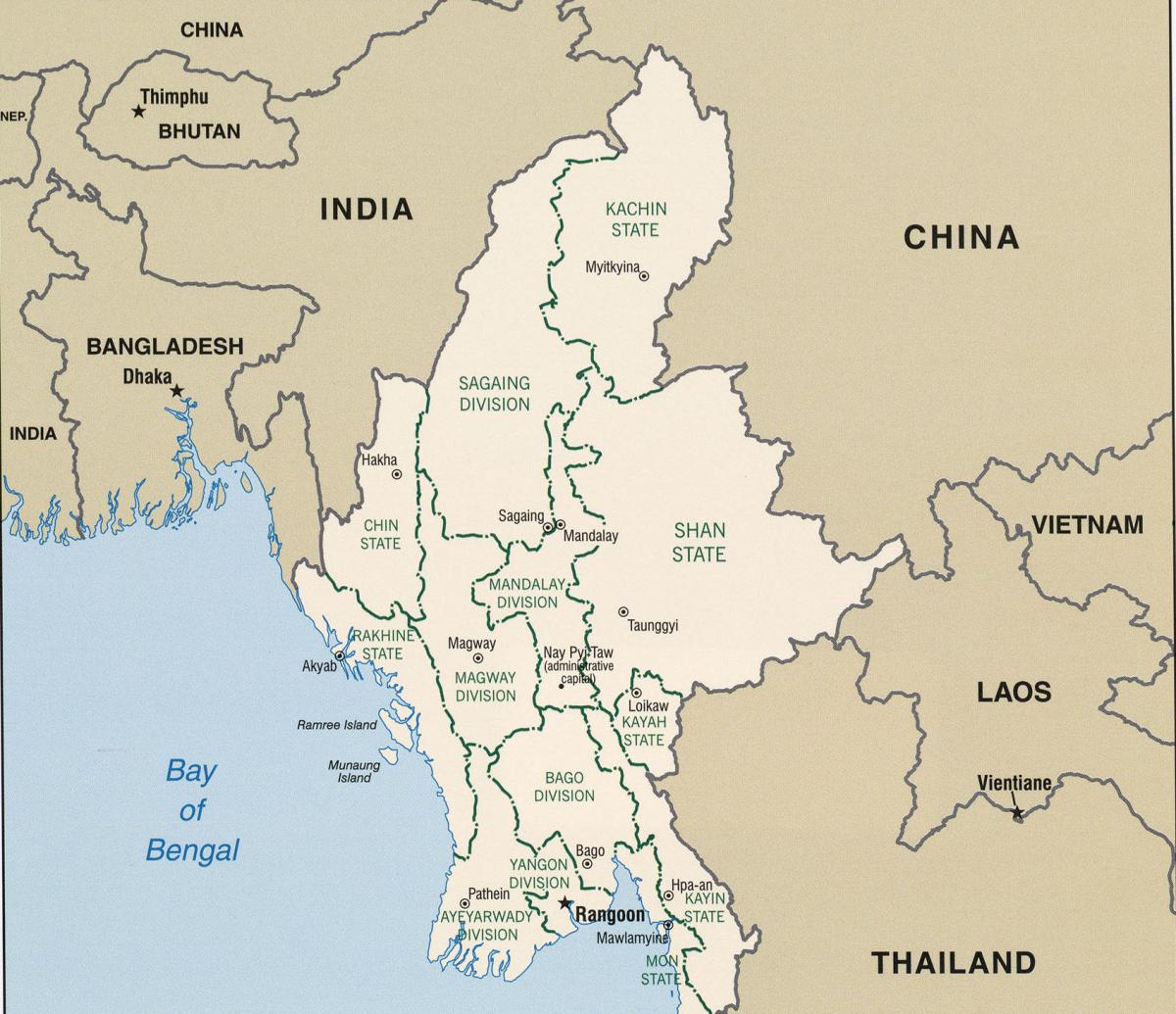
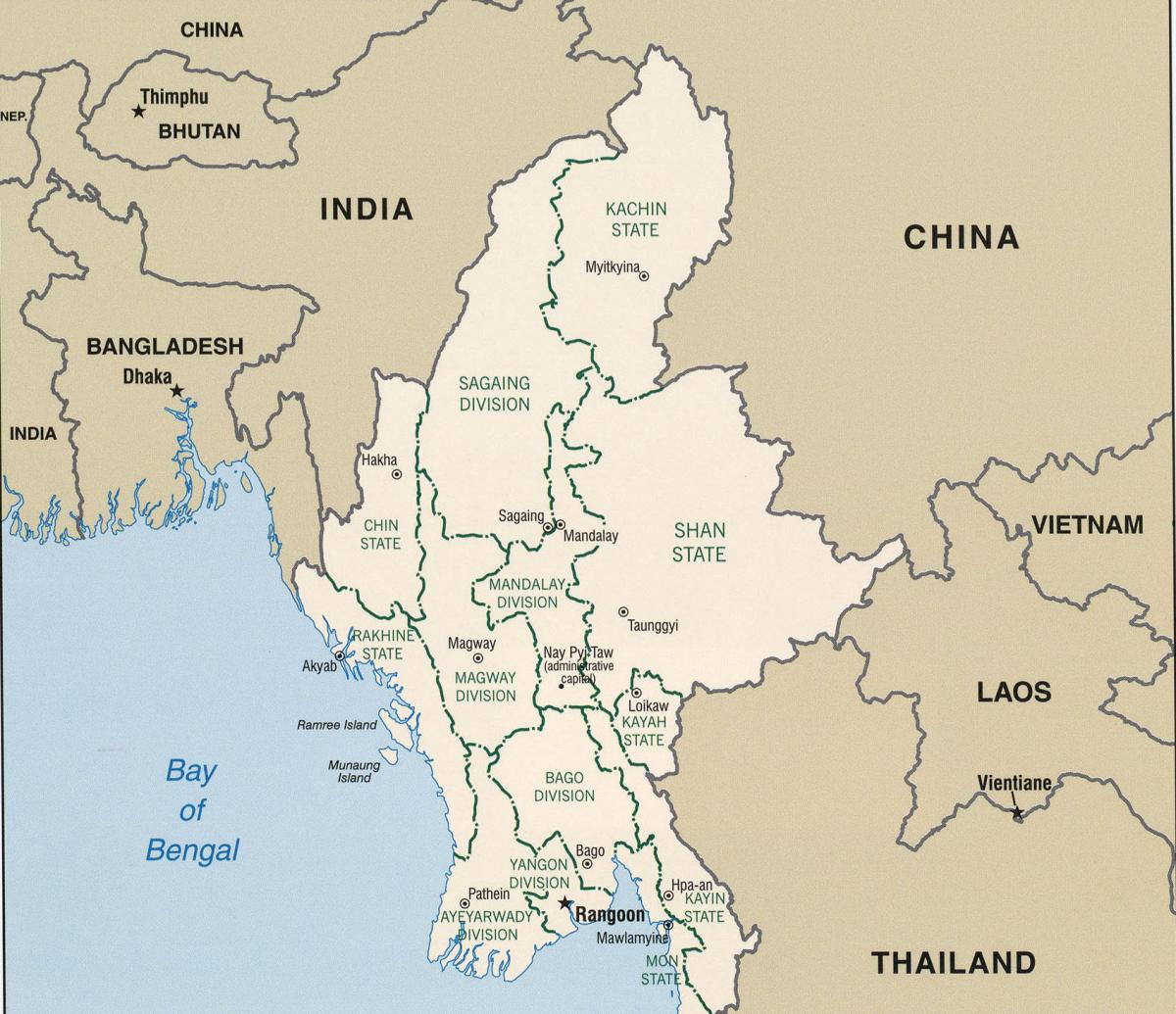
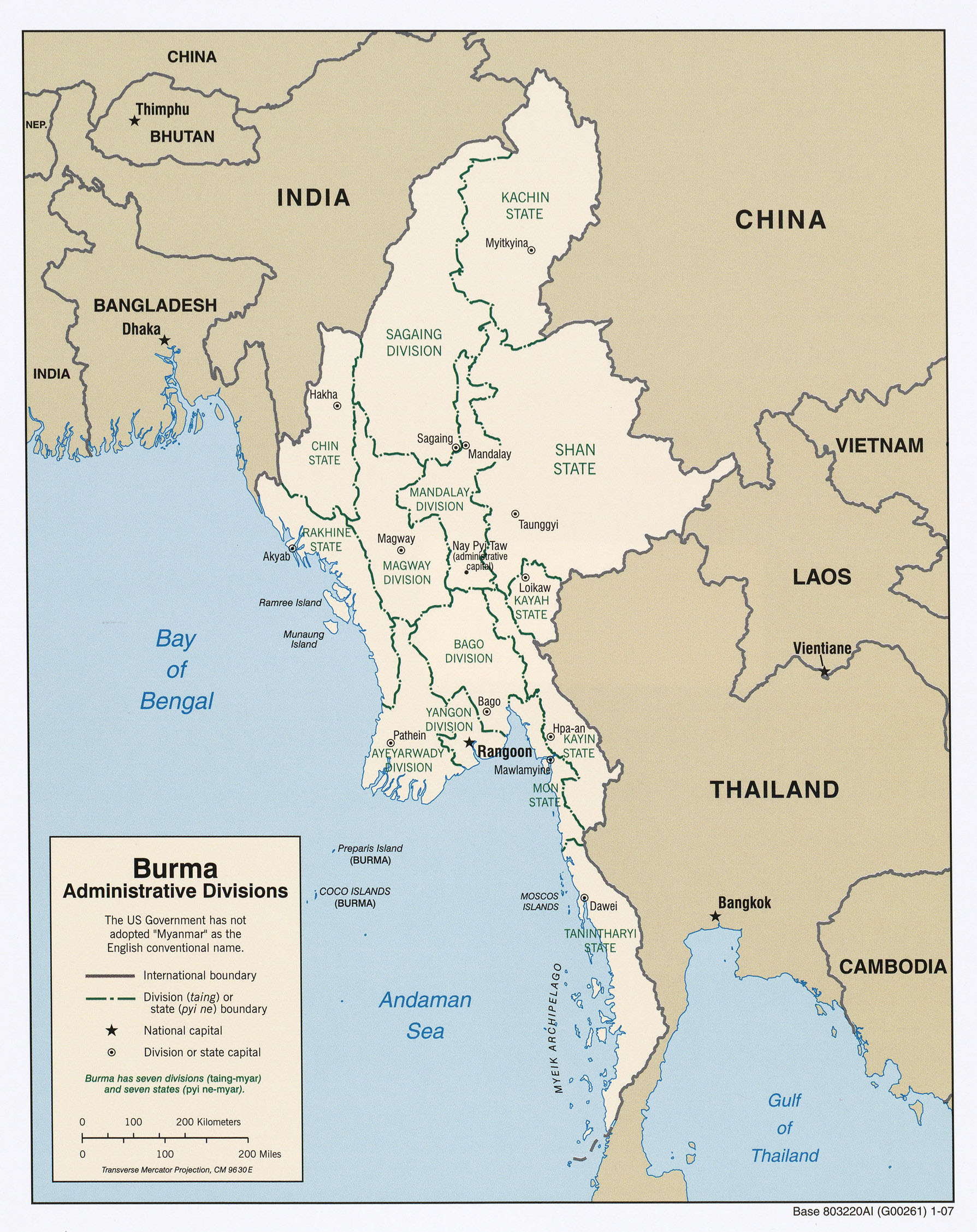
BurmaThe Karen National Union (KNU) said that it will establish its own administrative mechanism in territory recently captured from Burma's military in and around the critical trade hub of Myawaddy, on the border with Thailand. The KNU has several departments in its governance structure, including those for health, education, foreign affairs and defense, in territories it controls in seven districts across southeastern Burma, including in Karen (Kayin) and Mon states and Bago and Tanintharyi regions. The junta has lost control of several towns on the border with China to other rebel armies in recent months, but the loss of Myawaddy is a special blow, as it is the transfer point for most of Burma's overland trade with Thailand. (Map: PCL)

Thailand: southern insurgency accepts peace plan

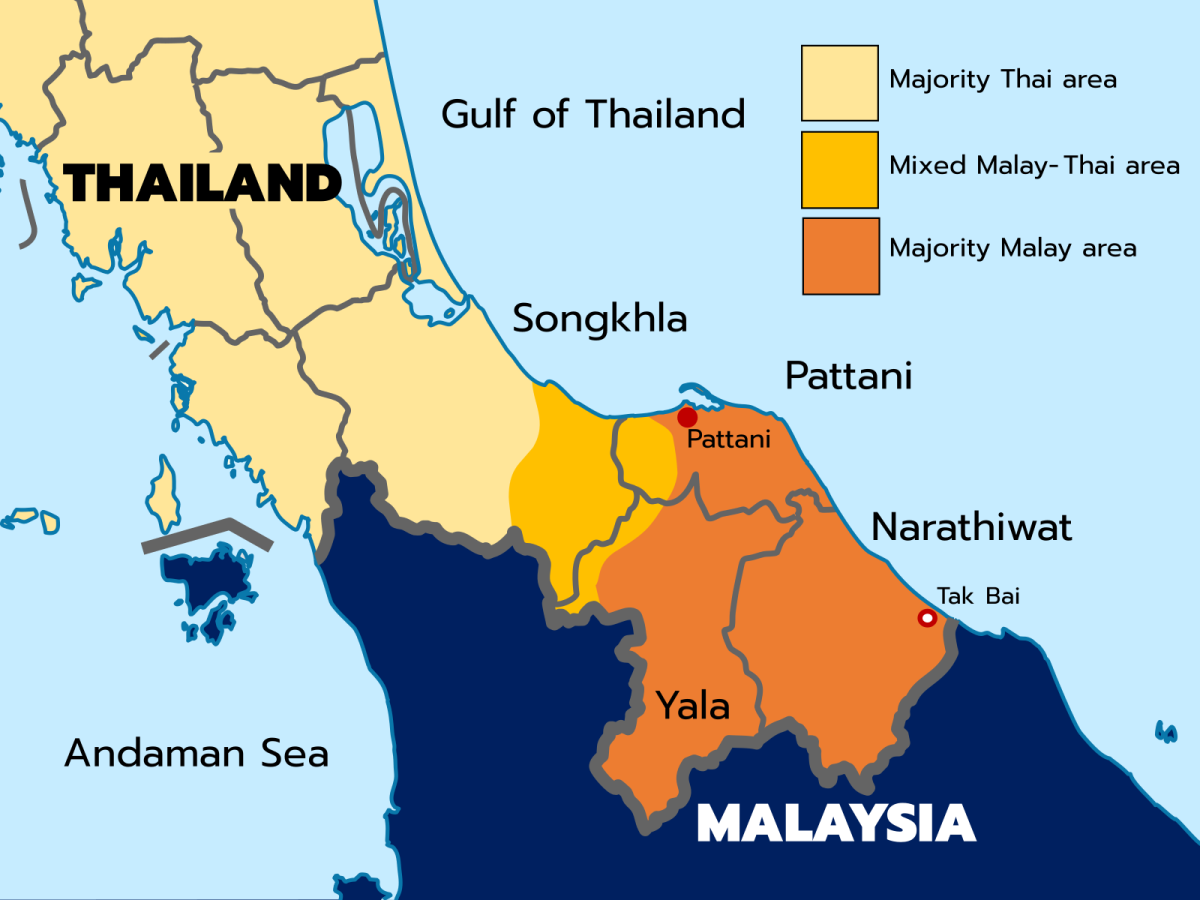
South ThailandMuslim separatists in Thailand's Deep South agreed in principle  to an "improved" peace plan with the government. The agreement, facilitated by Malaysia, follows years of abortive talks. The Barisan Revolusi Nasional (BRN), the main separatist organization, announced a unilateral ceasefire in 2020 in response to the COVID 19 pandemic, facilitating a new round of negotiations on greater autonomy for the region. More than 7,000 people have been killed in 20 years of intermittent fighting between government forces and separatists in the country's three southernmost provinces of Pattani, Yala and Narathiwat, whose populations are overwhelmingly Malay Muslim. (Map: Wikipedia)
Syria

Number forcibly displaced worldwide 110 million

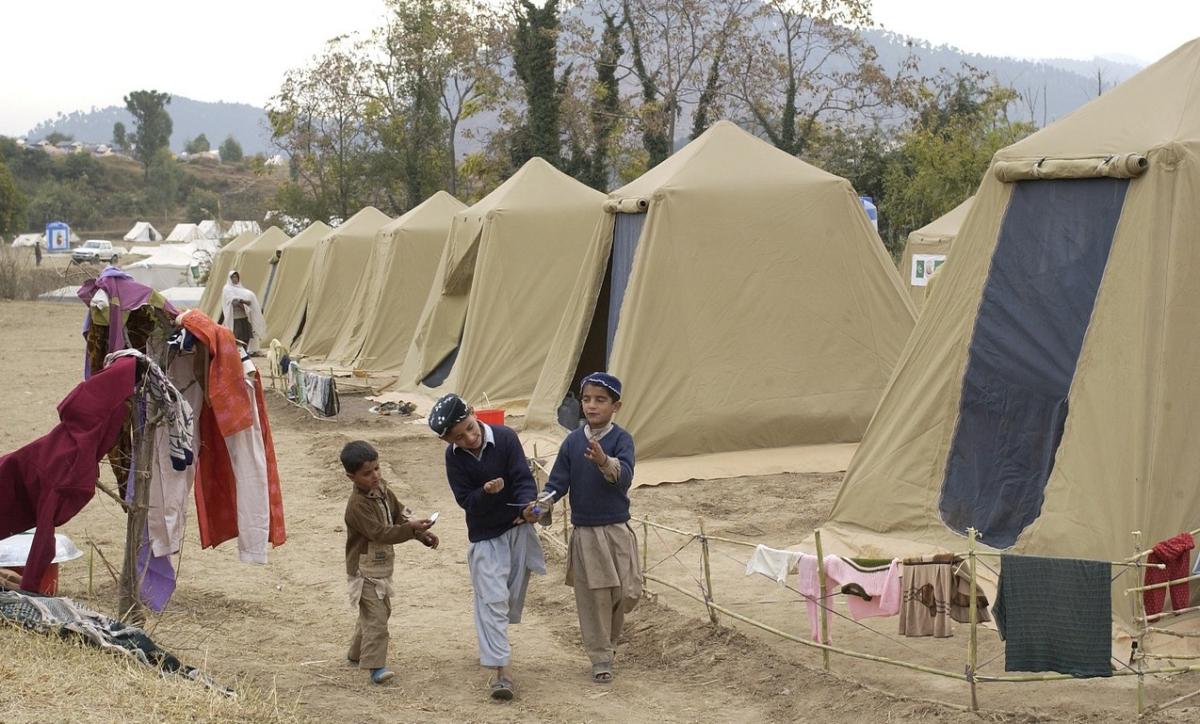
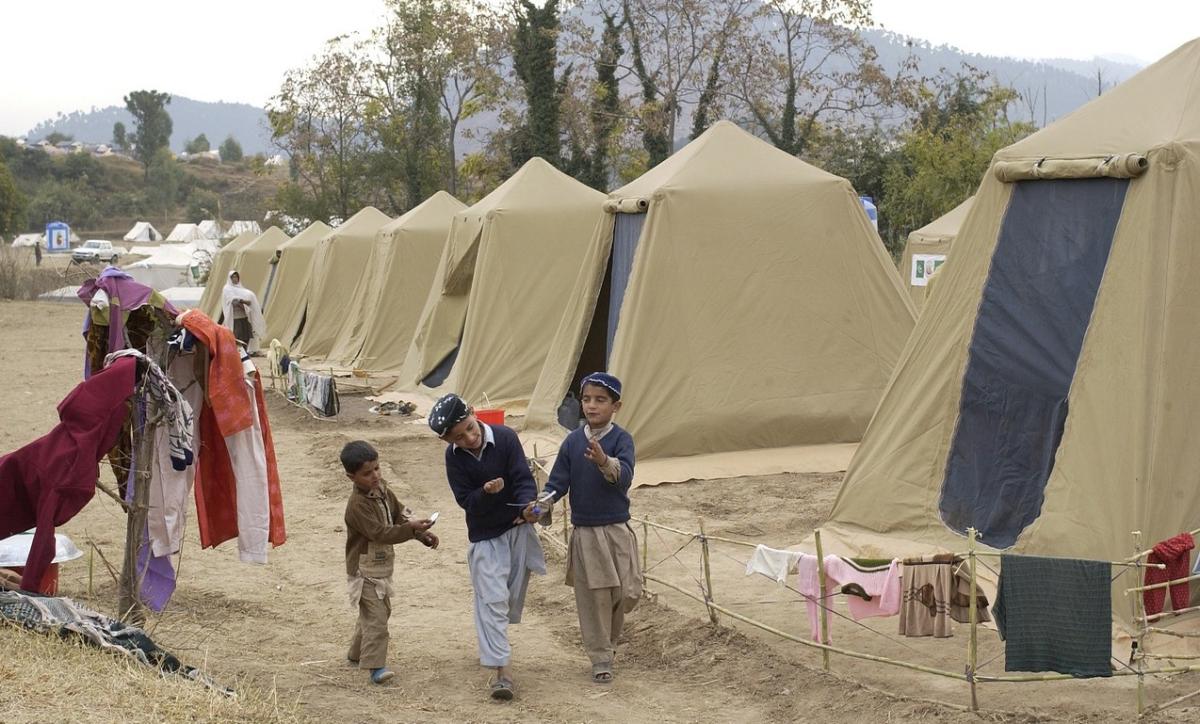
refugeesThe United Nations released the Global Trend Report 2022, on refugees, asylum seekers, internally displaced and stateless people worldwide. It finds that the number of forcibly displaced people stands at 108.4 million, with 29.4 million falling under the protection of the United Nations High Commissioner for Refugees (UNHCR). Both figures are at an historic high. The increase in forcible displacement within a single year is also the largest since UNHCR started tracking these statistics in 1975. In light of the continuing significant increase, the report says forcible displacement likely exceeds 110 million as of May 2023. (Photo: Afghan refugee camp in Shinkiari, Pakistan, via Pixabay)