
Greater Middle East
Iran

Podcast: the Iran MoU in the Great Game

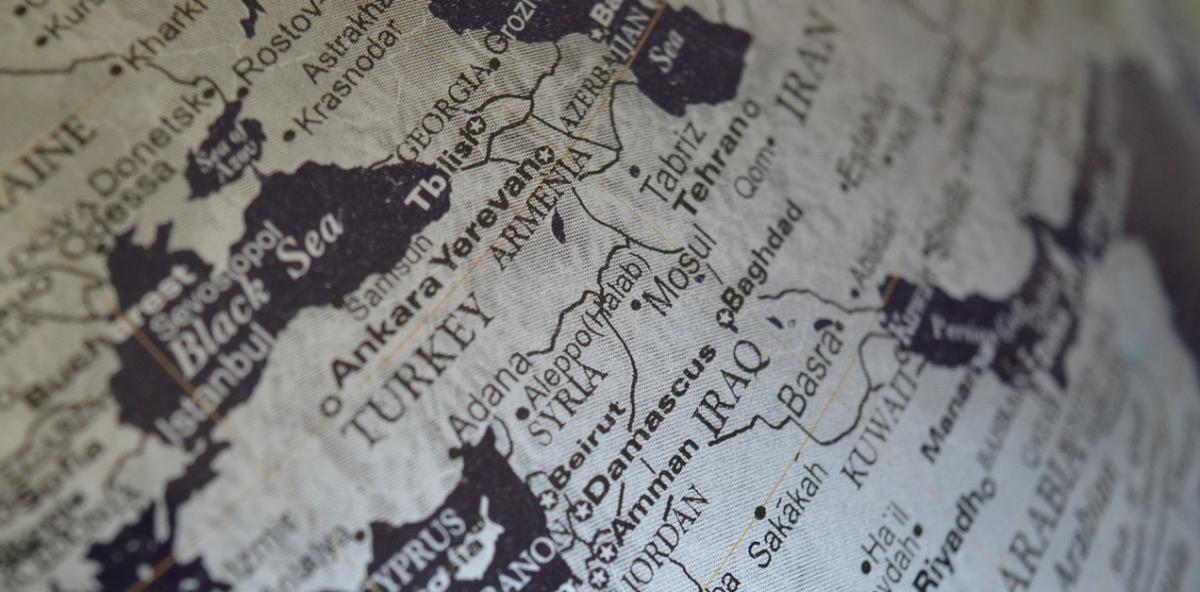
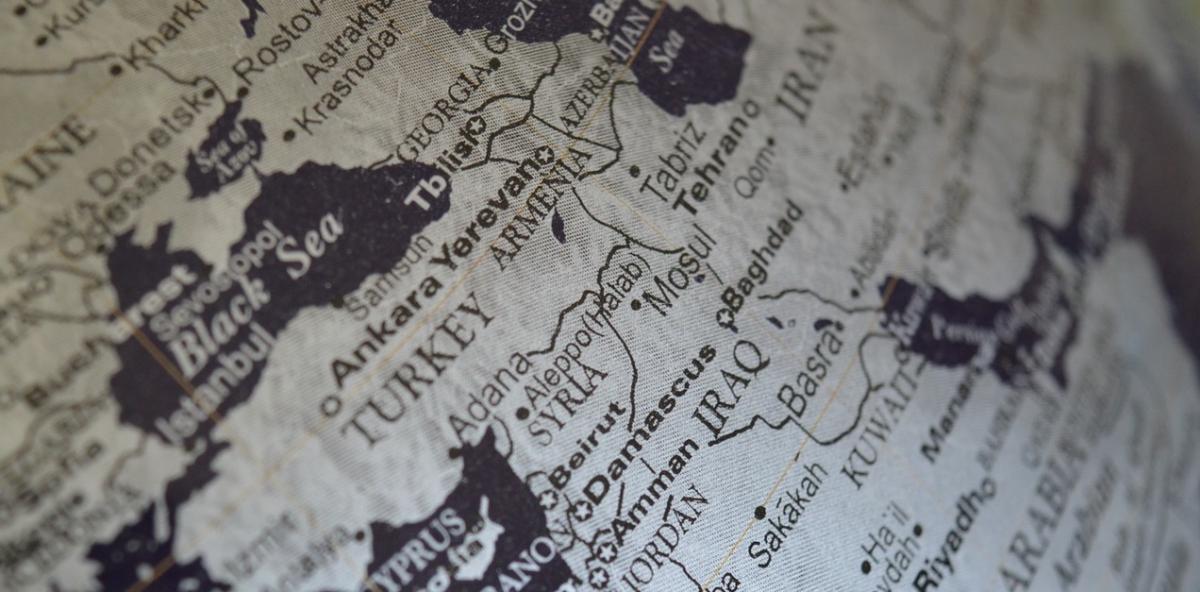
The “Memorandum of Understandingsigned by Trump and Iranian President Masoud Pezeshkian is contingent on the cooperation of two entities not a party to it: Hezbollah and Israel—which continues to commit war crimes in Lebanon. The provisions on Iran’s nuclear program do not even recoup the progress won in Obama’s nuclear deal that Trump tore up in his first term. And Trump’s claim when hostilities began back in February to be acting on behalf of Iranians who rose up in mass protests against the regime are now completely betrayed in a “non-interference” pledge. In Episode 334 of the CounterVortex podcast, Bill Weinberg continues to urge support for alternative voices that take a neither/nor position regarding MAGA-imperialism and the Islamic Republic, and again recalls the anarchist slogan: Neither your war nor your peace! (Image: Pixabay)

Greater Middle East
Iran

Shaky US-Iran ceasefire; escalation in Lebanon

The United States and Iran signed a Memorandum of Understanding that aims to end the war the US and Israel launched on Iran nearly four months ago. The 14-point agreement, signed by Donald Trump at a gathering hosted by French President Emmanuel Macron in the Palace of Versailles—where the treaty to end World War I was signed in 1919—opens up the Strait of Hormuz for a 60-day ceasefire window, during which the two sides have vowed to negotiate a long-term resolution to the Iranian nuclear standoff. The US will also terminate all sanctions against Iran, provide $300 billion for post-war reconstruction, and unlock all frozen Iranian funds and assets. But despite—or possibly because of—the signing of the MoU, which calls for an end to fighting in Lebanon, the fighting there immediately flared again. A rash of Israeli air-strikes followed Hezbollah’s killing of four IDF soldiers in a southern Lebanese village, prompting furious statements from Israeli politicians such as extreme-right security minister Itamar Ben-Gvir, who said “all of Lebanon must burn.” (Image: Pixabay)

Africa
Ituri

DRC: appeal for peace to to fight Ebola

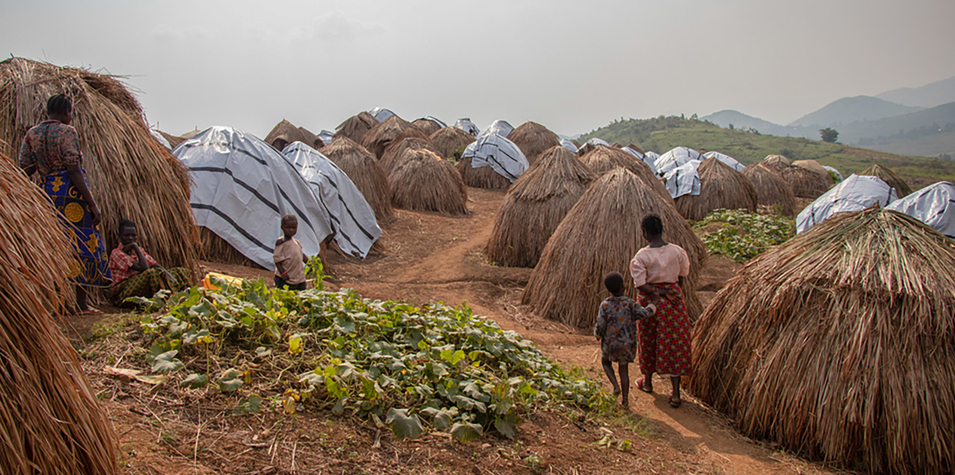
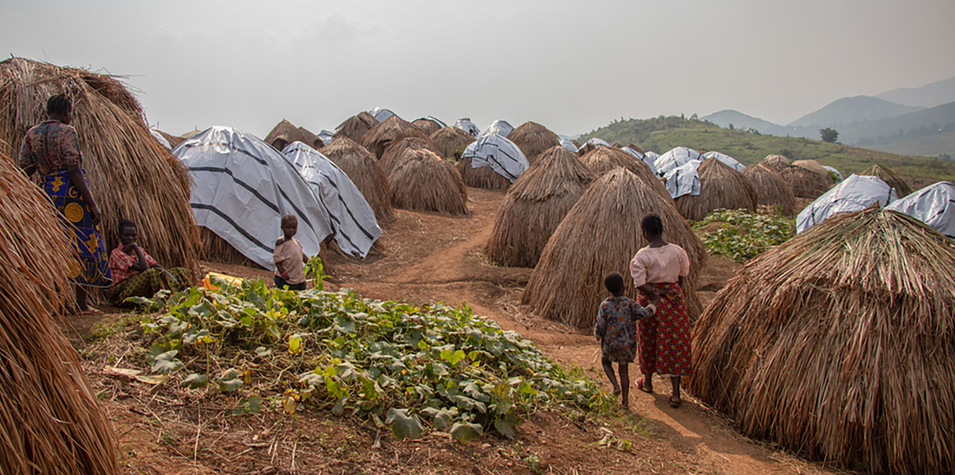
The head of the World Health Organization has appealed for a ceasefire in the Democratic Republic of Congo’s Ituri province, where Ebola is rapidly spreading. Director-general Dr. Tedros Adhanom Ghebreyesus’ statement said even a temporary truce would allow health workers through and save lives. “I urge you, I implore you: give us the space to help the people who need it most,” he said, addressing the armed factions active in the province. Out of nearly a thousand suspected Ebola cases in the DRC and Uganda, over 220 people may have died, with the WHO warning that the outbreak could potentially be much larger. (Photo of displaced persons camp in Ituri: Alexis Huguet/MSF via TNH)

Palestine
Gaza

Israeli leaders reaffirm plans to ethnically cleanse Gaza

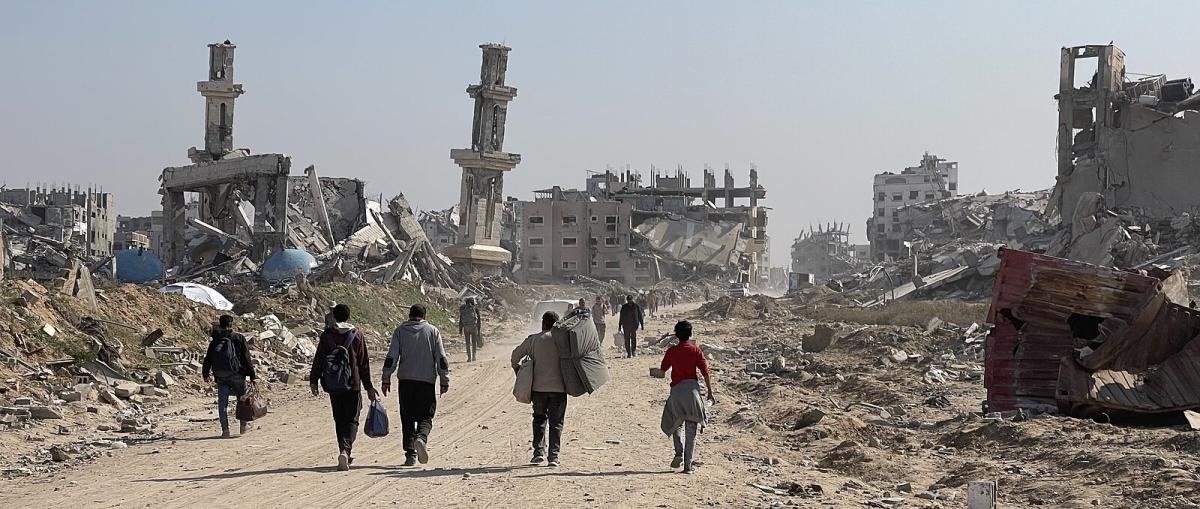
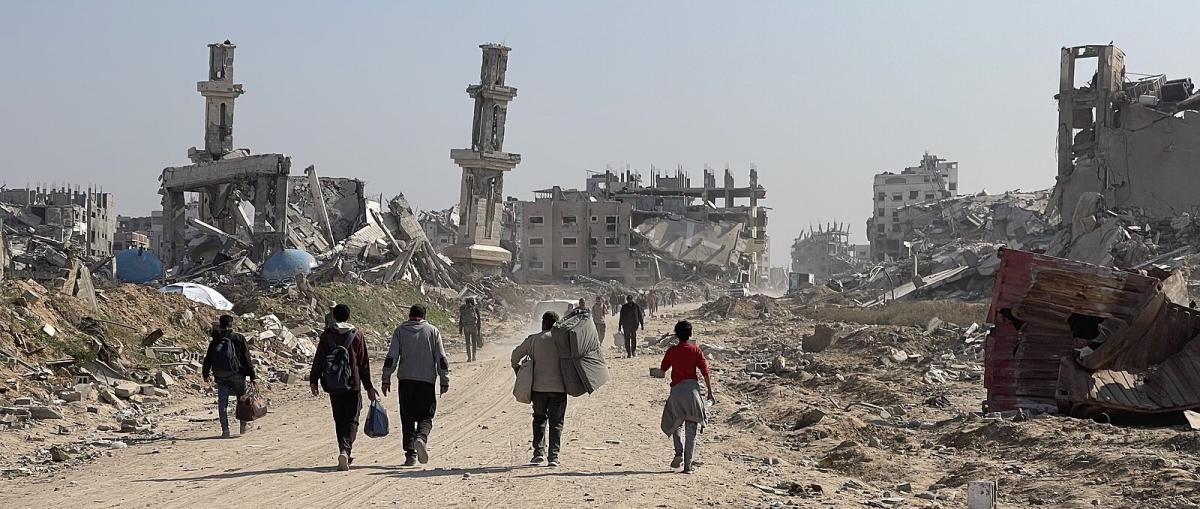
Israeli Prime Minister Benjamin Netanyahu said that he has ordered the Israeli military to take over 70% of the territory of the Gaza Strip, adding: “Let’s start with that.” Defense Minister Israel Katz meanwhile said the government is planning for large numbers of Palestinians to leave the enclave “at the right time and in the right manner”—which rights groups say amounts to ethnic cleansing. As global attention has shifted elsewhere, Israel has created its own facts on the ground by progressively inching forward the so-called “yellow line” demarcating its area of control. More than 60% of Gaza’s territory currently falls within this line, and the Israeli military regularly kills and injures Palestinians in the vicinity of the shifting boundary. (Photo: Jaber Jehad Badwan via Wikimedia Commons)

Africa
Bamenda

Pope wins pause in Cameroon conflict

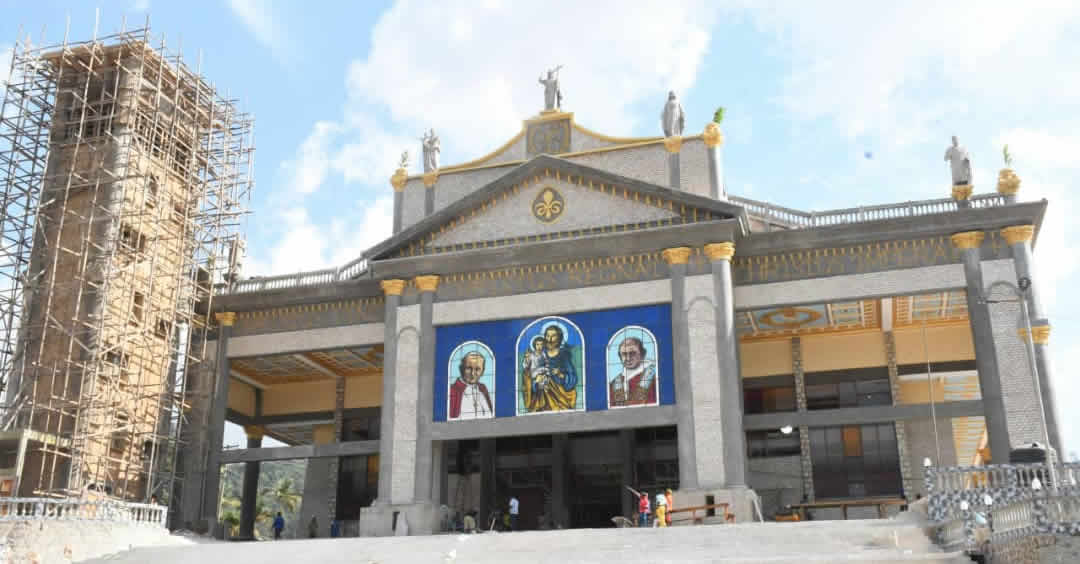
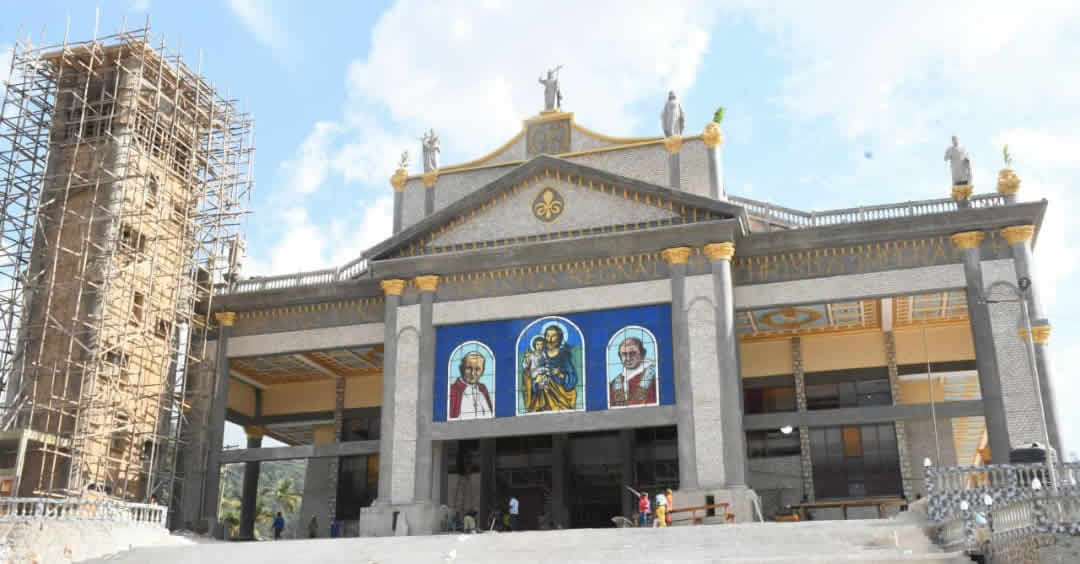
While Pope Leo XIV’s castigation of warmongers has so far failed to turn around the hawks in the current US administration, it has won Cameroonians a temporary reprieve from secessionist violence. To mark the pope’s visit, anglophone separatist groups said they would pause their fighting and allow the free movement of people. The pontiff may have stopped short of trying to mediate the nearly decade-long conflict in the majority French-speaking country, but he did urge President Paul Biya to root out corruption—and then lashed out at foreign exploitation of the continent. Leo also returned to his spiritual feud with the US administration. “Woe to those who manipulate religion and the very name of God for their own military, economic and political gain, dragging that which is sacred into darkness and filth,” he told a gathering at Saint Joseph Cathedral in the city of Bamenda, within the conflicted region. (Photo: Jesuit Historical Institute in Africa)

Greater Middle East
Iran

Uncertain ceasefire in Iran; aerial terror in Lebanon

After five weeks of war, the US and Iran agreed to a two-week ceasefire brokered by Pakistan. Its basic details, however, and to what extent it will be implemented, are surrounded by uncertainty. A main sticking point is the question of whether Lebanon was included in the deal. Iranian and Pakistani officials are insisting it was, but the US and Israel say that it wasn’t. Meanwhile, Israel has continued to carry out devastating attacks on Beirut and other parts of Lebanon. (Image: Pixabay)

The Andes
paramilitaries

Colombia: UN experts welcome anti-mercenary law

UN experts welcomed Colombian President Gustavo Petro’s ratification of the 1989 International Convention against Recruitment, Use, Financing & Training of Mercenaries. The experts praised the signing of what amounts to a new anti-mercenary legislative package, calling it an essential step toward protecting human rights and upholding international legal obligations. Colombia has experienced a decades-long armed conflict that began with the formation of guerrilla groups, notably the FARC and the ELN. Paramilitary groups later emerged to fight the guerrillas. Following a landmark peace agreement with the FARC in 2016 and ongoing negotiations with the ELN that began in 2018, violence levels have been reduced. But the protracted conflict has led to a profusion of armed actors and fueled the growth of private military and security companies (PMSCs). (Photo: Contagio Radio)

Greater Middle East
Minab

UN demands civilian protection amid Middle East escalation

The United Nations urgently called for civilian protection amid growing violence and instability in the Middle East—and particularly in regard to the ongoing US and Israeli military operations against Iran. The UN urged a thorough investigation into a deadly strike on a girls’ school in Iran, and requested the disclosure of all relevant information. The attack in the southern coastal city of Minab reportedly killed 168 people. According to Iran’s Ministry of Education, the overwhelming majority of the slain were schoolgirls aged seven to 12. The strike came on the first day of coordinated US and Israeli airstrikes officially targeting Iranian infrastructure and military facilities. (Photo: Mehr via Wikimedia Commons)

Africa
RDF

US sanctions Rwanda military

The US Treasury Department imposed sanctions on the Rwanda Defense Force (RDF) and four of its top military officials over their support, training, and fighting alongside M23 rebels in the Democratic Republic of Congo (DRC). The RDF have reportedly provided direct operational support to the M23 and its affiliates by introducing advanced military equipment to eastern DRC, including GPS jamming systems, air defense equipment, and drones. According to US Treasury Secretary Scott Bessent, the US seeks the immediate withdrawal of RDF troops, weapons and equipment. (Photo: US Air Force via Wikimedia Commons)

Afghanistan
Durand

Pakistan declares ‘open war’ on Afghanistan

Violence has once again broken out between Afghanistan and Pakistan, with Islamabad declaring “open war” on Kabul. Afghan forces fired on military bases across the border in Pakistan, reportedly using drones. Pakistan retaliated, striking what it said were military targets in Kabul and several border provinces. Afghanistan’s Islamic Emirate government said its attacks were a response to earlier Pakistani air-strikes that killed at least 13 civilians in Nangarhar province. Pakistan accuses the Taliban government of harboring fighters from the Tehrik-e Taliban Pakistan (TTP)—accused of being behind recent attacks in Islamabad and Peshawar. Afghan Minister of Interior Sirajuddin Haqqani said the “doors for dialogue” remain open but insisted that if Afghanistan continues to be attacked, it will respond. (Map: Google)

Europe
Russian Embassy

Global commitment crucial for Ukraine justice: Amnesty International

On the fourth anniversary of Russia’s invasion of Ukraine, Amnesty International called on the international community to maintain a steadfast commitment to hold Russia accountable under international law for its crimes and aggression. The statement noted diminishing pressure on Russia, raising concerns about rights protections and prospects for peace in Ukraine. Amnesty’s senior director for research and advocacy Erika Guevara-Rosas commented that “commitments to justice and human rights are weakening as powerful actors grow emboldened to disregard international law and further erode the rules-based order.” (Photo of Russian embassy in London: Kwh1050 via Wikimedia Commons)

Palestine
Gaza Strip

Amnesty International pressures EU on ‘Board of Peace’

EU foreign ministers must use their upcoming meeting with Nikolai Mladenov, director-general of the “Board of Peace” and “High Representative” for Gaza, to ensure that Palestinians’ rights are among the board’s highest priorities, Amnesty International urged in a statement—while assailing the legitimacy of new Trump-led body itself. “The ‘Board of Peace’ is a dangerous assault on international law, a mechanism designed to bypass the UN, weaken international justice institutions, and entrench the power dynamics that have long enabled Israel’s unlawful occupation, apartheid, and ongoing genocide in Gaza,” said Erika Guevara-Rosas, senior director for research and advocacy at Amnesty International. (Photo: WAFA via WikimediaCommons)