Africa
Nigeria

Trump again intervenes in crisis-torn Nigeria

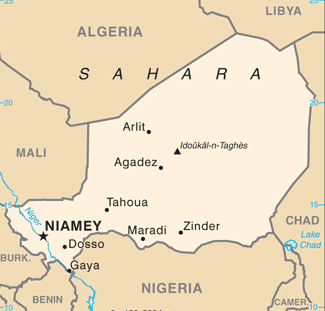
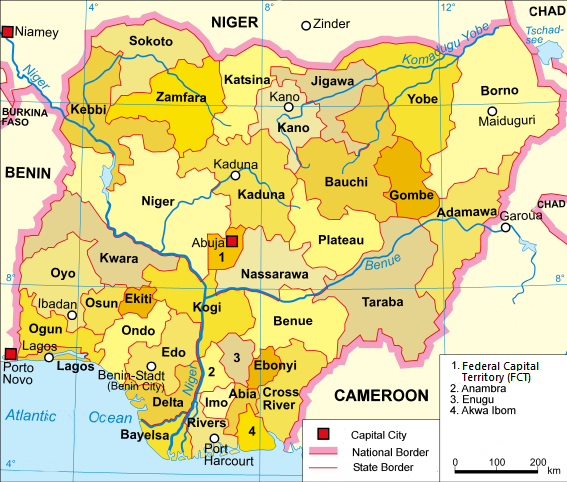
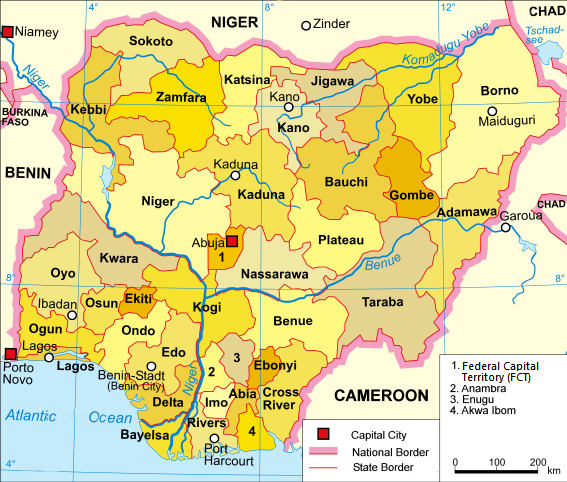
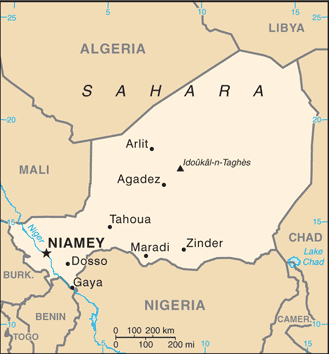
US and Nigerian forces jointly conducted a raid that killed one of the Islamic State’s highest-ranking leaders in the country. Abu Bilal al-Minuki was said to be a commander of the Islamic State West Africa Province (ISWAP). The strike took place in the Lake Chad area in Nigeria’s northeast. Meanwhile, dozens of Nigerian fishermen are feared dead after Chadian forces struck alleged Boko Haram strongholds along Lake Chad, which straddles the border of the two countries. Additionally, at least 100 civilians were killed in a Nigerian government air-strike on a crowded market in bandit-affected northwest ​Zamfara state, according to Amnesty International. Nigerian authorities have denied the report, but if confirmed, it would be thesecond air-strike to kill scores of people in a northern Nigerian market in a month. (Map: Wikipedia)

Africa
JNIM

Podcast: West Africa escalates toward genocide

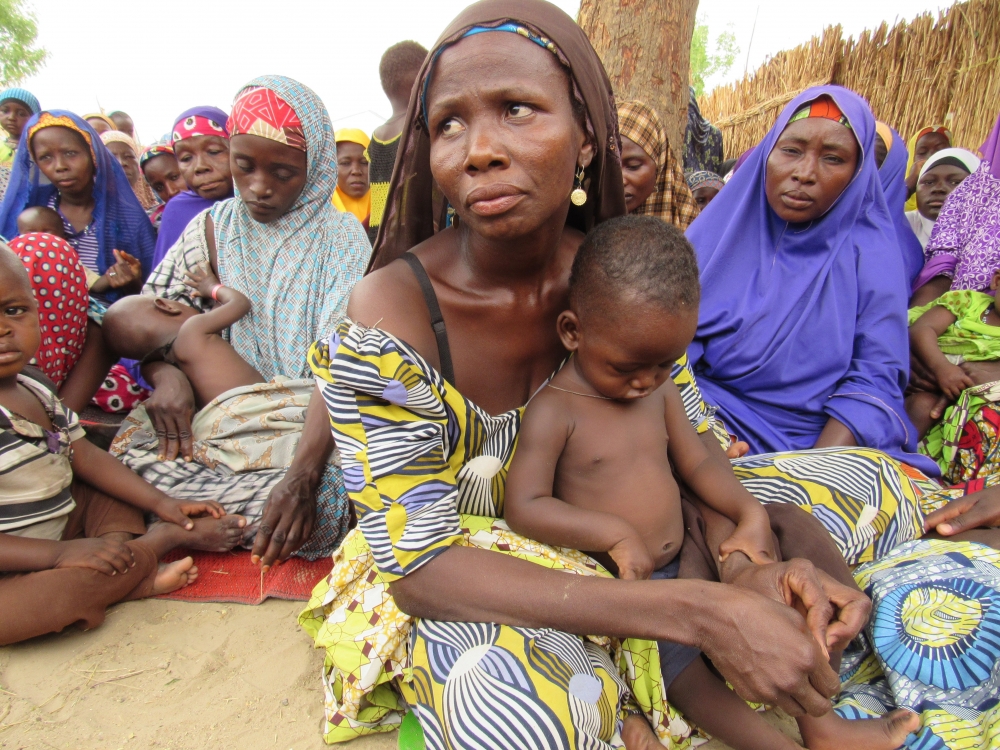
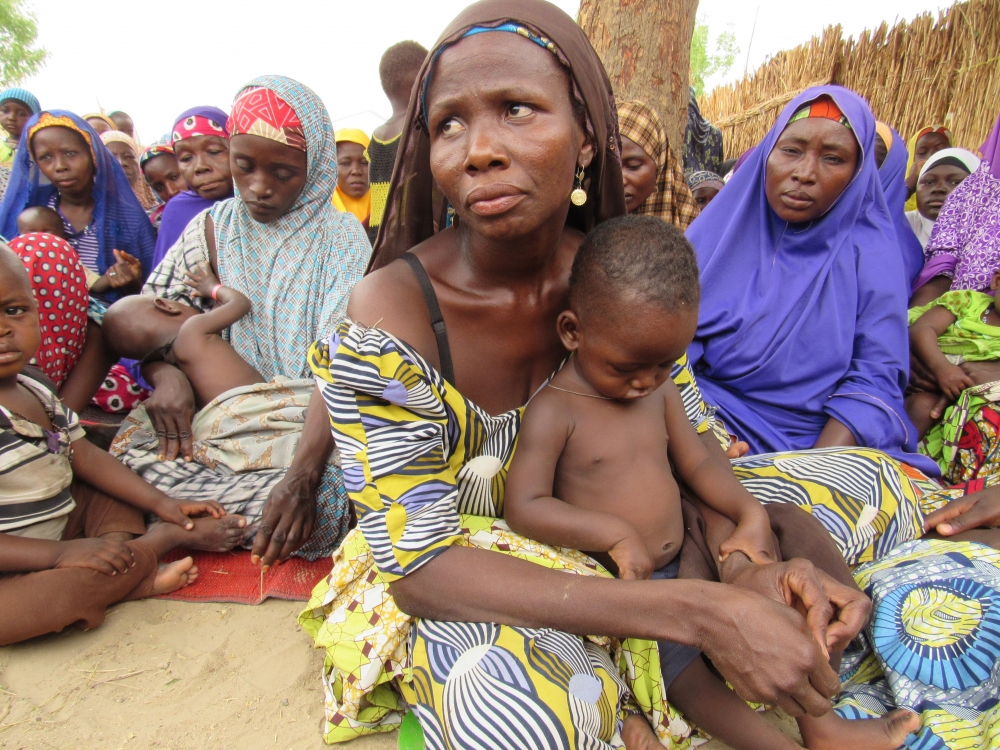
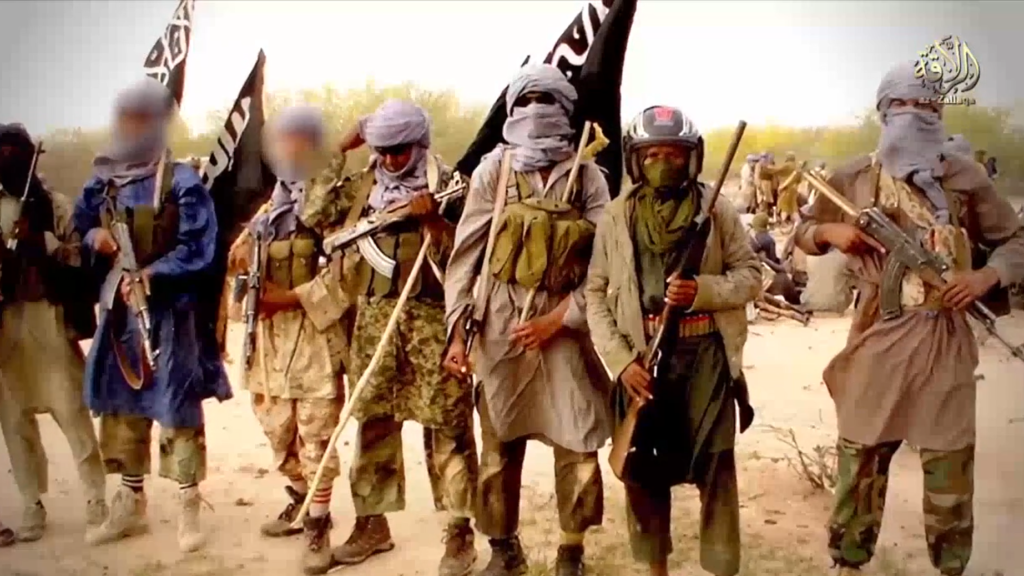
Alarming reports that Nigeria has established “concentration camps” for the Fulani ethnic minority cast an ironic light on Nigeria’s tension with the Sahel states of Niger, Mali and Burkina Faso to the north. These three regimes have broken from the Western imperial camp (to embrace the nascent Russian imperial camp)—but are likewise subjecting their Fulani minorities to persecution and massacre. With the recent shock rebel offensive in Mali, the “terrorist” stigma that attaches to the Fulani and Tuareg peoples across the imperial camps makes their position more precarious than ever. Meanwhile, prominent voices on the both the right and the (supposed) “left” are spreading propaganda about the struggle in West Africa that is alarmingly wrong, because it exclusively views the crisis through a campist lens. In Episode 327 of the CounterVortex podcast, Bill Weinberg tries to provide some clarity on these fast-escalating and grossly under-reported conflicts. (Photo: Az-Zallaqa via LWJ)

Africa
ISWAP

Nigeria: ISIS franchise steps up insurgency

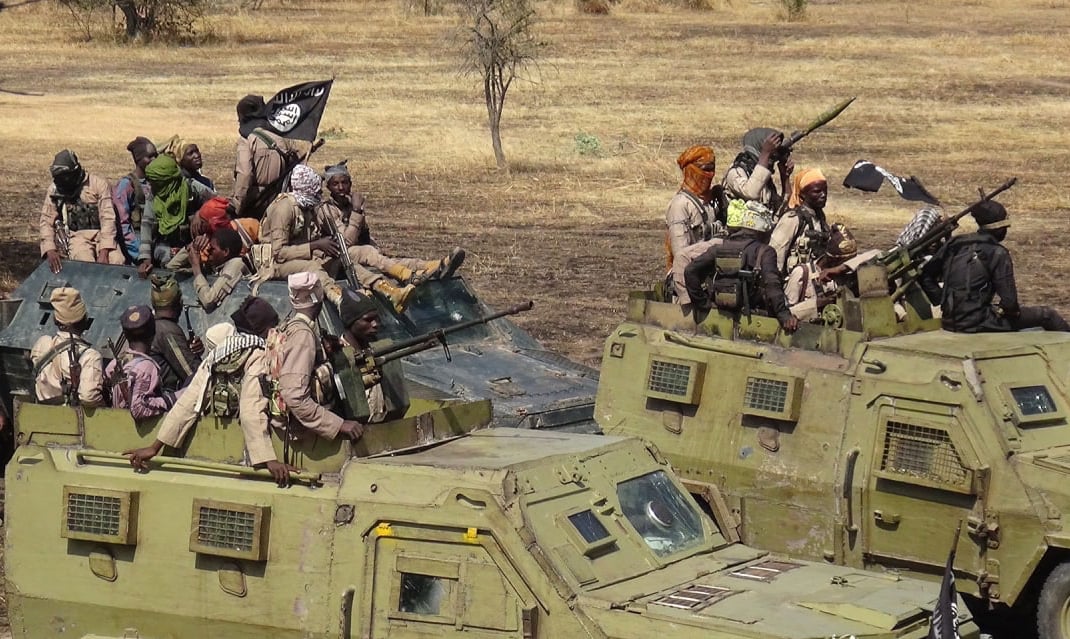
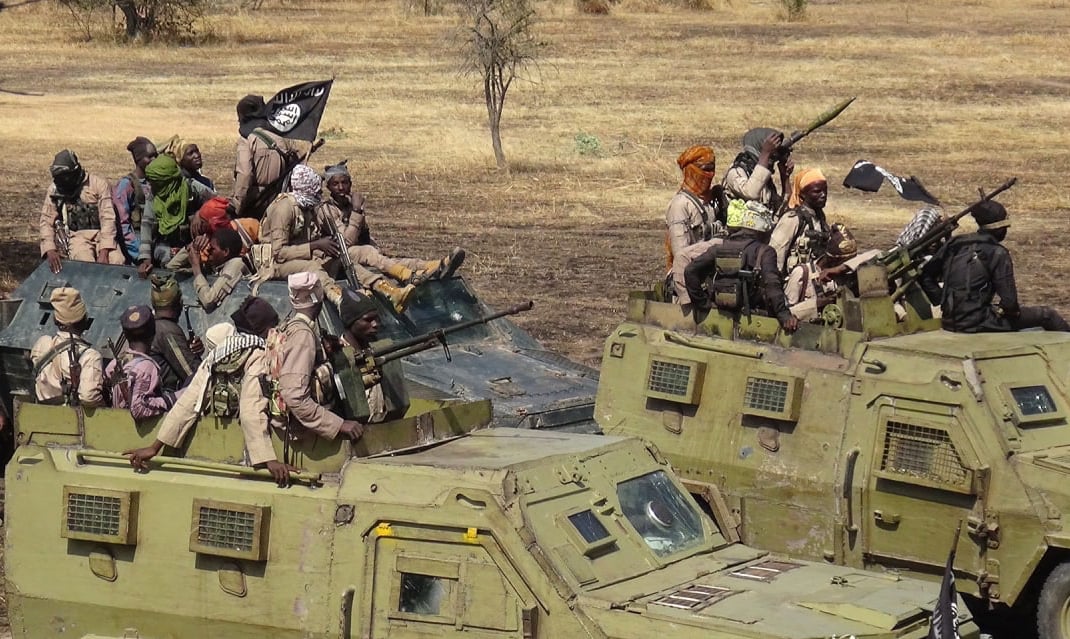
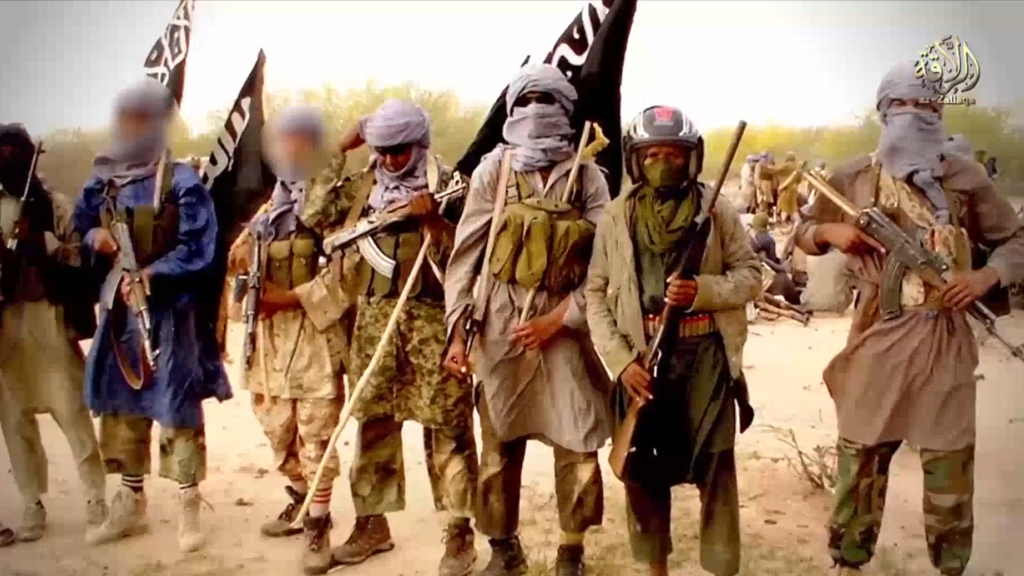
At least 65 soldiers—including three senior officers—have been killed in jihadist raids on military garrisons in Nigeria’s northeast this month. Five bases were overrun by the Islamic State West Africa Province (ISWAP)—four of them in a single night, showing a notable level of coordination. Military equipment was also torched or captured, including armored vehicles. ISWAP’s “Burn the Camps” offensive began last year, and is accelerating against an overstretched military. (Photo via TNH)

Syria
Rojava solidarity

Podcast: twilight of Rojava?

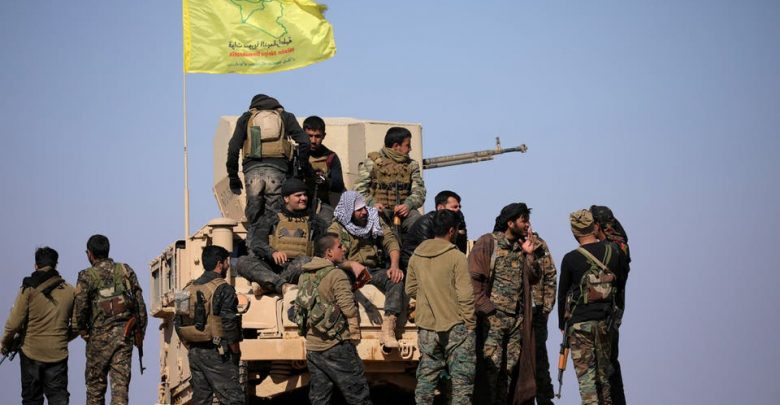
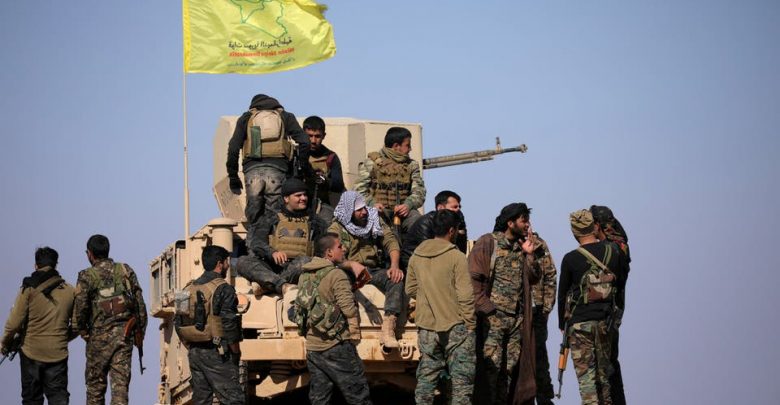
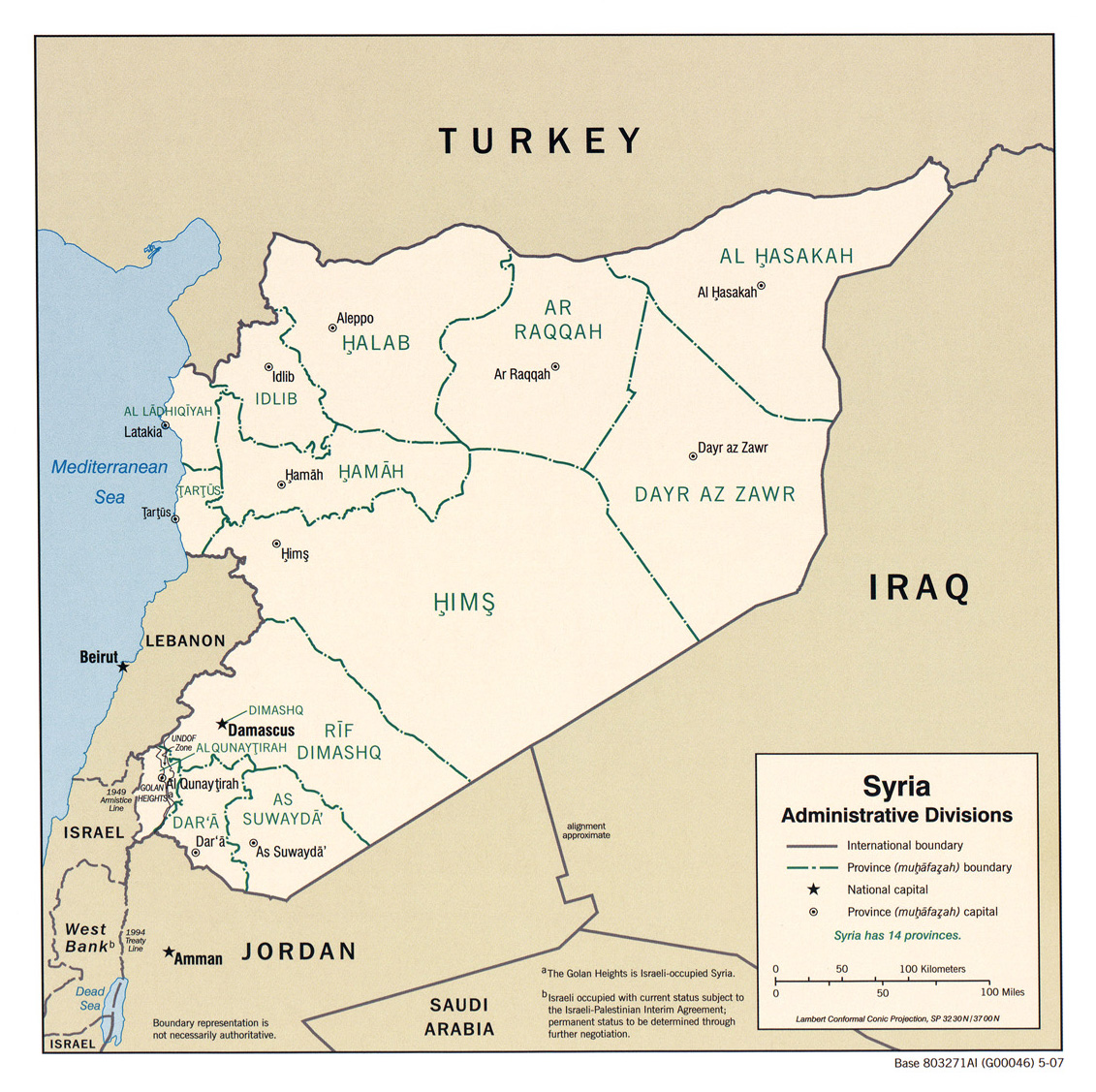
A last-minute “permanent ceasefire” may mean that northeast Syria is back from the brink of Arab-Kurdish ethnic war. But ceasefires have repeatedly broken down since fighting resumed earlier this year, with Damascus demanding disbandment of the Rojava autonomous zone, and the integration of its institutions—including its military wing, the Syrian Democratic Forces (SDF)—into the central government. While the new pact sets a more “gradual” pace for this integration, the Kurdish aspiration to regional autonomy and the central government’s insistence on centralization may prove a long-term obstacle to peace. In Episode 315 of the CounterVortex podcast, Bill Weinberg weighs the odds for avoiding a conflict that holds the potential for escalation to genocide, with the connivance of the Great Powers that so recently backed the SDF to fight ISIS. (Photo via Facebook)

Syria
SDF

Russia joins US in betraying Syrian Kurds

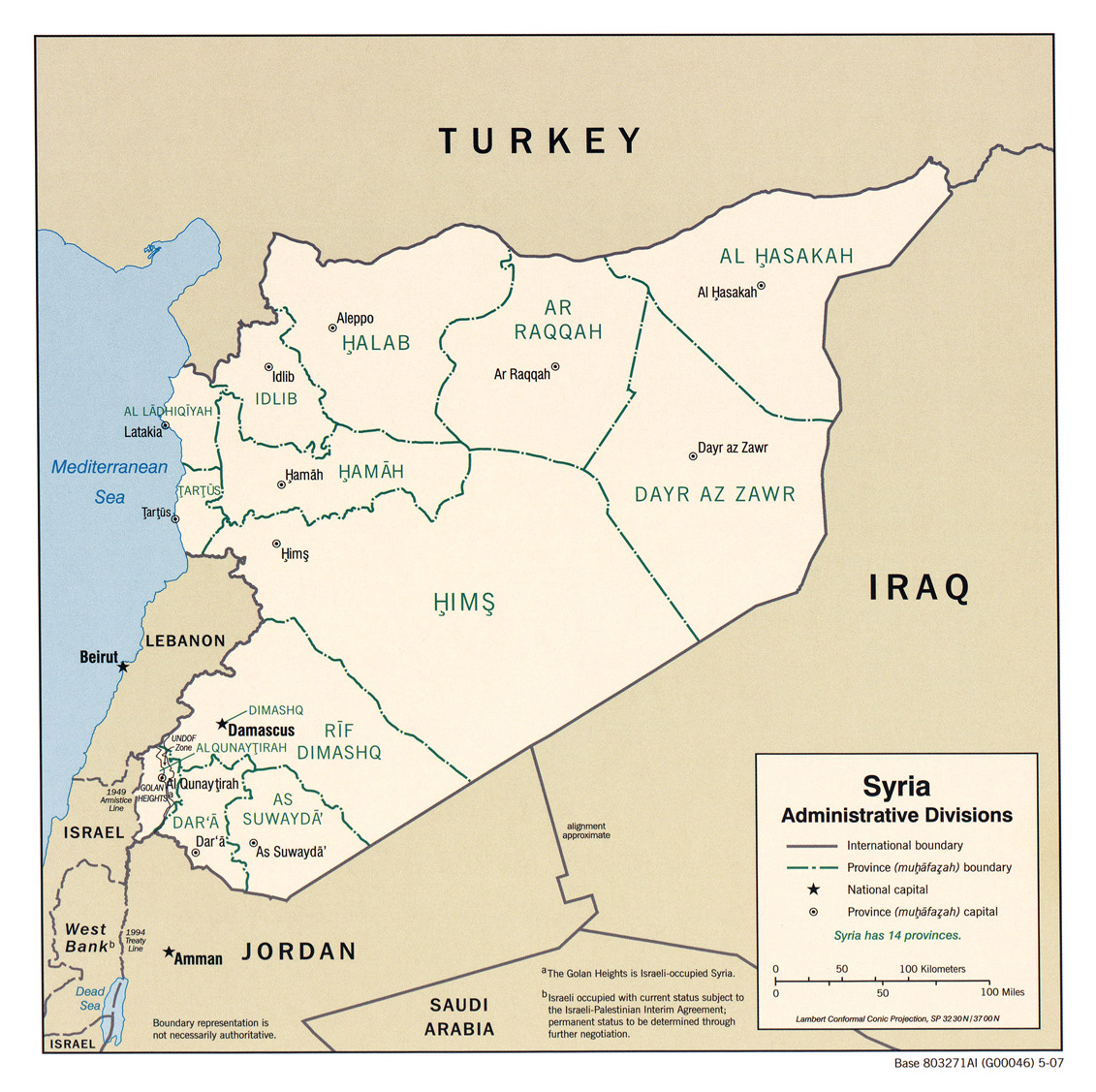
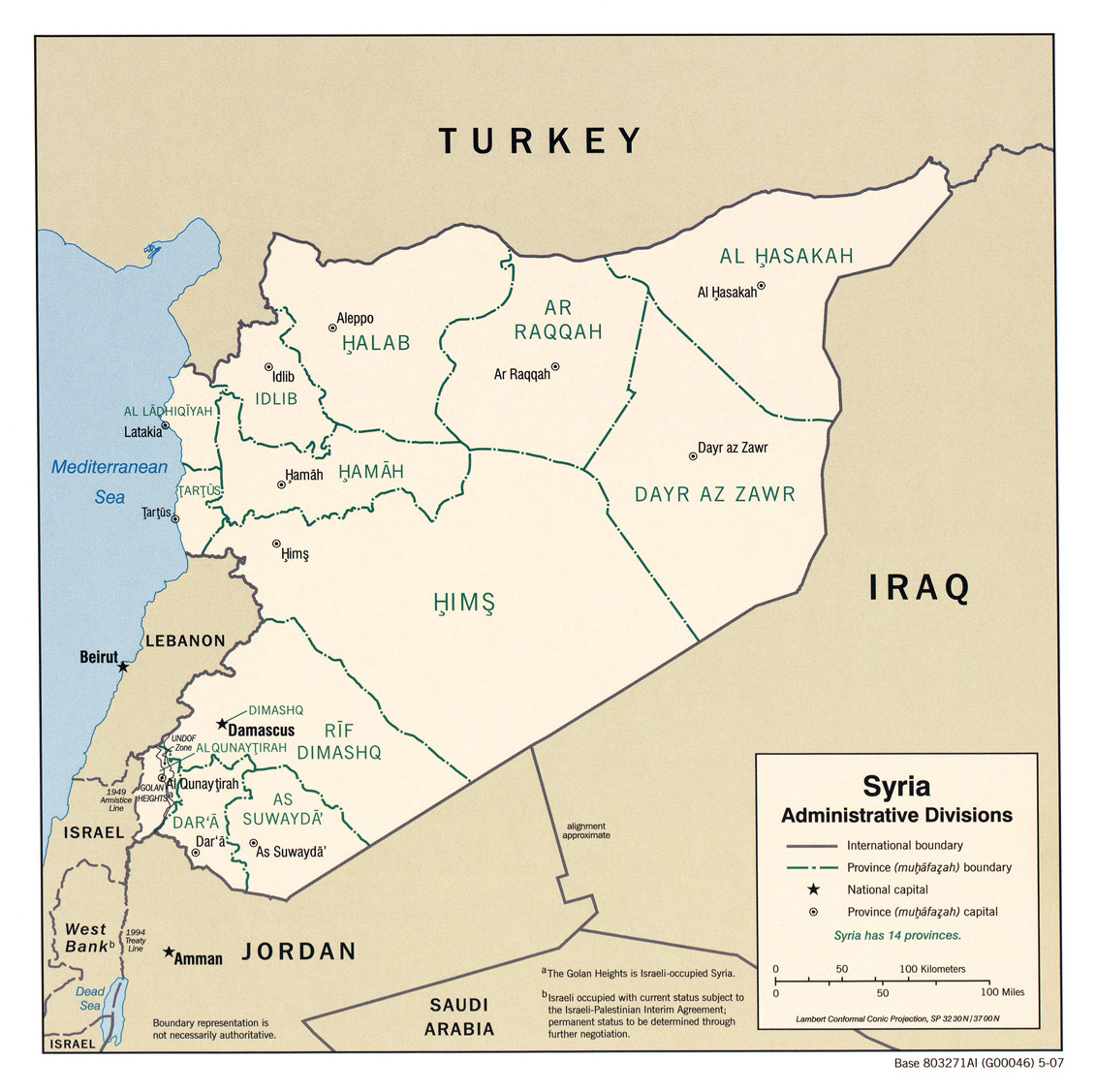
The Kurdish-held border town of Kobani in northern Syria is under siege again, as it was by ISIS in 2014—but this time by forces of the Syrian central government, which has cut off water and power to the town in the dead of winter, with snow on the ground. Since the start of the year, the Kurdish forces in northeastern Syria have lost almost all of the territory they controlled to a new offensive by the central government. Kobani with Hasakah and Qamishli are the last besieged strongholds of the reduced Rojava autonomous zone. And both the US and Russia, which have backed the Kurdish-led Syrian Democratic Forces (SDF) against ISIS, now appear to be cutting them loose—effectively green-lighting the government offensive against them. US special envoy for Syria Tom Barrack has already warned that US support for the SDF is coming to an end. And in the midst of the offensive, Russia has withdrawn its forces from Qamishli, its principal military outpost in Rojava. This came just as Syrian interim president Ahmed al-Sharaa was on his second trip to Moscow to meet with Vladimir Putin—pointing to a quid-pro-quo in which Russia will be allowed to maintain its two major military bases in Syria, on the Mediterranean coast at Khmeimim and Tartous. (Photo: SOHR)

Syria
al-Sharaa

Syria: can new integration pact avert war on Rojava?

The Syrian interim government and the Kurdish-led Syrian Democratic Forces (SDF) reached an agreement to immediately halt fighting and integrate SDF-held areas into state institutions. The deal follows days of renewed clashes, in which government forces routed SDF strongholds in the city of Aleppo and then pushed east, taking several towns that had been under the control of the Kurdish-led autonomous administration. Just hours before the agreement was reached, autonomous authorities in the Kurdish region, known as Rojava, had announced a “general mobilization” in support of the SDF, citing an “existential war” launched by Damascus against their territory. (Photo: Rudaw)

Syria
Iran

Multiple foreign powers still bombing Syria

The Pentagon said US and allied forces carried out a wave of air-strikes against ISIS targets across Syria, although accounts were unclear as to which other countries were involved or what casualties resulted. The raids came as part of Operation Hawkeye Strike, launched in response to the deadly ISIS attack on US and Syrian forces in Palmyra last month. The past week also saw joint British and French strikes on supposed ISIS targets near Palmyra. And Jordan carried out strikes supposedly targeting drug traffickers in Syrian territory. Turkey’s Defense Ministry meanwhile said it stands ready to help Syria’s interim government in its ongoing “counter-terrorism” operation against Kurdish fighters in Aleppo. (Image: Pixabay)

Africa
Sahel summit

Sahel states launch new joint counter-insurgency force

At an air base in Bamako, Mali’s military ruler Gen. Assimi Goita presided over a ceremony marking the launch of a unified force for three Sahel states to fight the rising tide of jihadist insurgency across their borders. The move comes after the three countries—Mali, Niger and Burkina Faso, all now ruled by military juntas—collectively withdrew from the West African regional bloc ECOWAS to form their own Alliance of Sahel States (AES). This new body has deepening ties to Russia, which has maintained paramilitary forces in the AES countries under the rubric of the Wagner Group or Africa Corps. These forces are increasingly accused of atrocities, with Malian refugees in Mauritania reporting rapes, beheadings and mutilation of civilians at the hands of Russian mercenaries. (Photo: Présidence de la République du Mali)

Africa
Tomahawk

Podcast: MAGA-fascism and the struggle in Nigeria

With his Christmas air-strikes on Nigeria, Trump is blundering into a conflict fundamentally driven by desertification related to the very climate change that he denies, and which now threatens democratic rule throughout the West African region. And while the Muslim-Christian sectarian strife that Trump hypes is a large element of the situation, the violence has gone both ways. Furthermore, making Christians the perceived beneficiaries of imperialist intervention is only likely to exacerbate the tensions and make Christians more of a target. In Episode 310 of the CounterVortex podcast, Bill Weinberg takes an in-depth and unsparing look. (Photo: AFRICOM via Long War Journal)

Africa
Sokoto

US strikes supposed ISIS targets in Nigeria

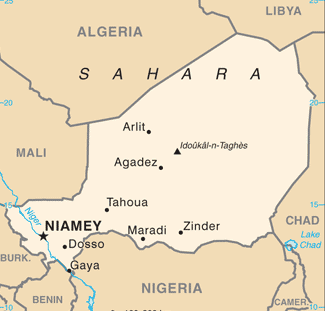
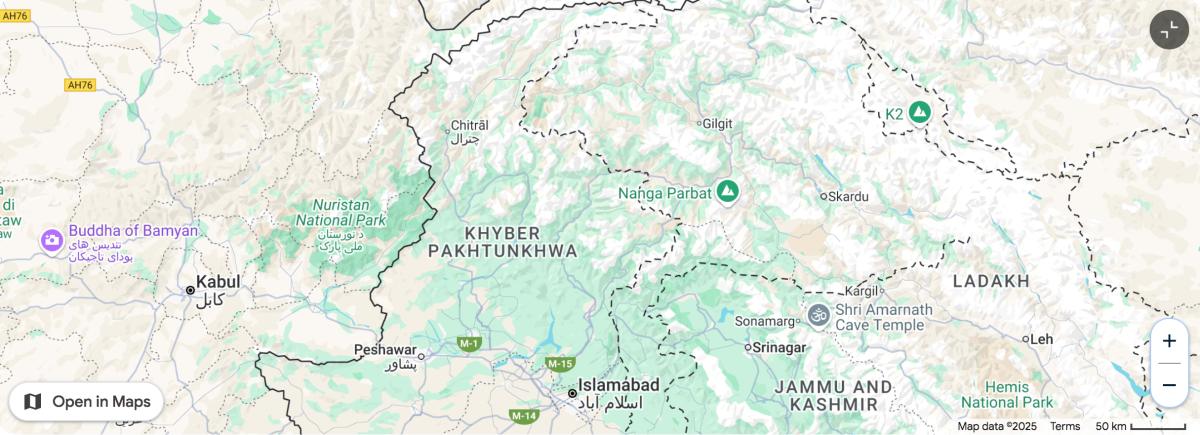
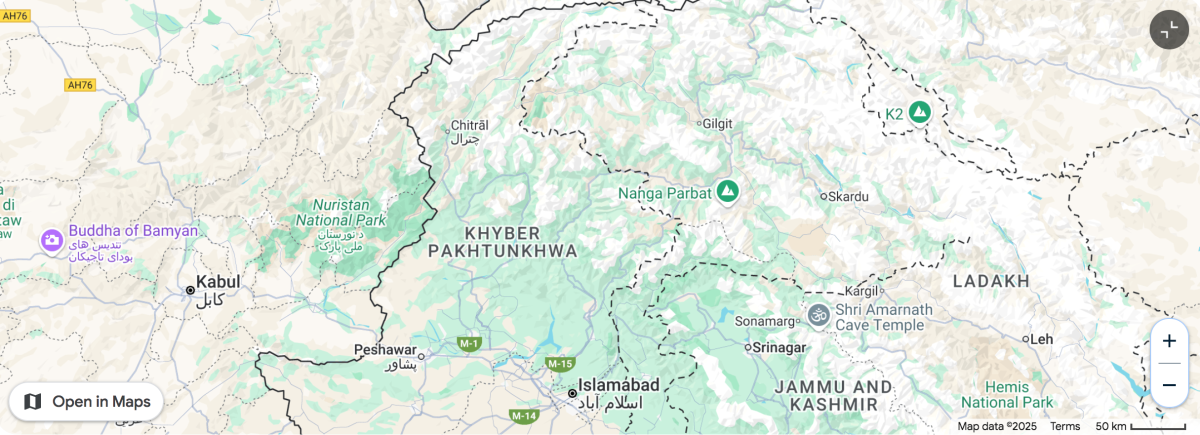
Following through on threats made last month, President Donald Trump announced on social media Christmas Day that he had ordered air-strikes against Islamic State targets in Nigeria, ostensibly in retaliation for the group’s targeting of Christian communities. Trump’s post did not specify where the military action took place, though the Pentagon’s Africa Command later stated that the strikes were in “Soboto State” —an obvious misspelling of Sokoto state, in Nigeria’s northwest. The Nigerian government confirmed the bombings, stating that they were conducted in a “joint operation” —but added that the strikes had “nothing to do with a particular religion.” (Map: Google)

Syria
Iran

Podcast: the new Syria in the Great Game

Syrian interim president Ahmed al-Sharaa’s White House meeting with Donald Trump followed the removal of his Hayat Tahrir al-Sham (HTS) from the list of designated “terrorist organizations” both at the State Department and at the UN. It also coincided with raids against ISIS by his security forces, raising the prospect of his government being invited to join the US-led Global Coalition to Defeat ISIS. The Washington visit also came just a month after al-Sharaa’s similar trip to meet Vladimir Putin in Moscow, where a deal was brokered allowing Russia to keep its military bases in Syria. Amid all this, Syria continues to see forced disappearances and other abuses targetting Druze, Alawites and Kurds—pointing to the looming threat of an ethnic or sectarian internal war. The US troop presence in Syria is largely embedded among the Kurdish forces in the east. As al-Sharaa becomes a new “anti-terrorist” partner (or proxy) for the Great Powers, will these troops be withdrawn—providing a “green light” for Damascus to attack the Kurdish autonomous zone? In Episode 305 of the CounterVortex podcast, Bill Weinberg weighs the risks at this critical moment in Syria’s transition process, nearly one year after the fall of the Assad dictatorship. (Image: Pixabay)

Iraq
Ain al-Asad

US troops to remain at Iraq air base

A “small force” of US troops will remain at Iraq’s Ain al-Asad air base in order to fight ISIS, the Baghdad government announced. The decision reverses plans for a full withdrawal of US forces from the base. Prime Minister Mohammed Shia al-Sudani said that a force of up to 350 Pentagon advisors and support personnel would stay at the base in western Iraq, as well as al-Harir base in Iraqi Kurdistan. The decision to allow the US troops to stay was made in response to “developments in Syria,” al-Sudani said. This presumably refers to the fall of the Assad regime in December 2024, after the draw-down agreement between the US and Iraq was reached. (Photo: Spc. Timothy VanDusen/US Army via Task & Purpose)